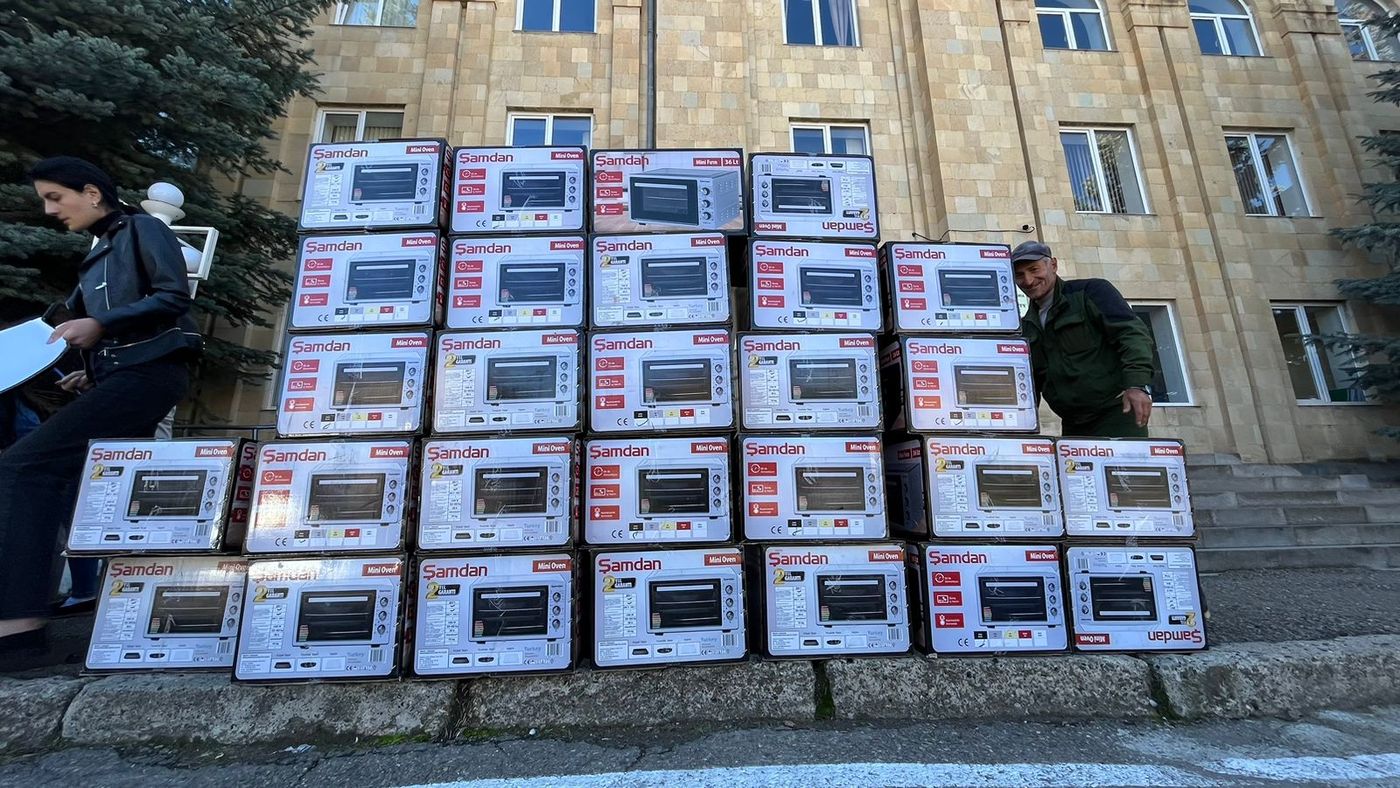
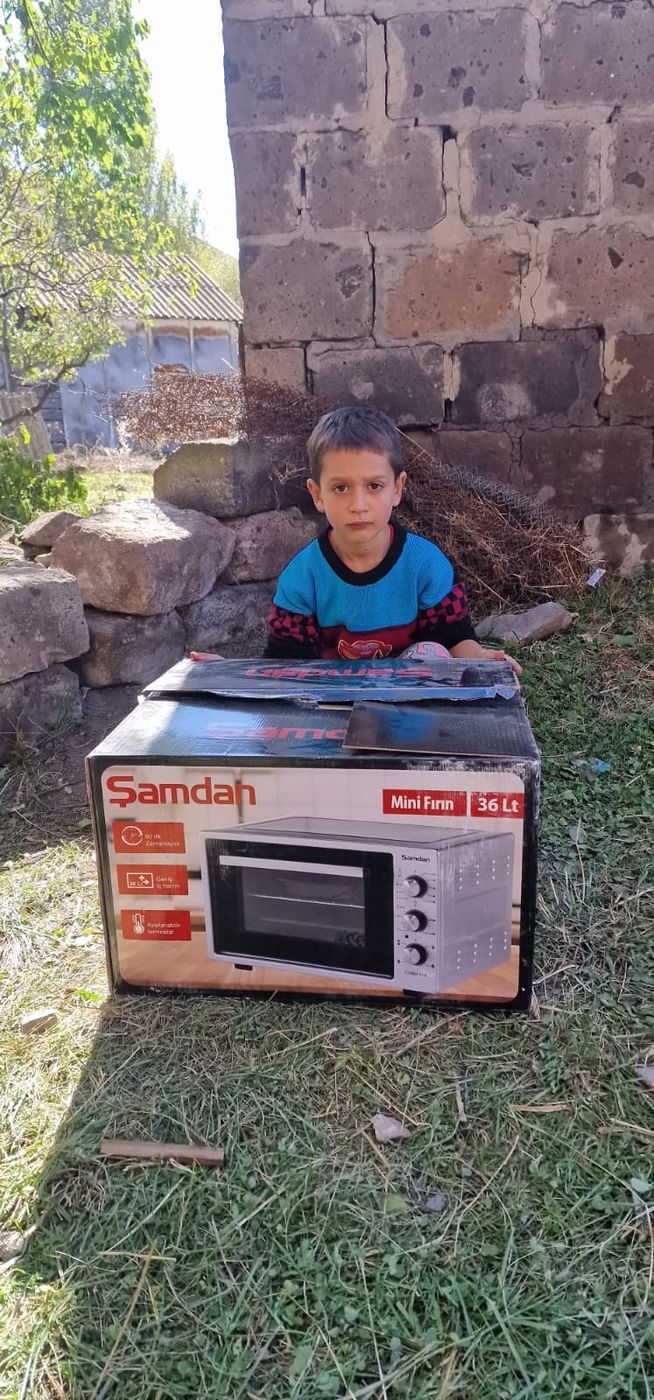
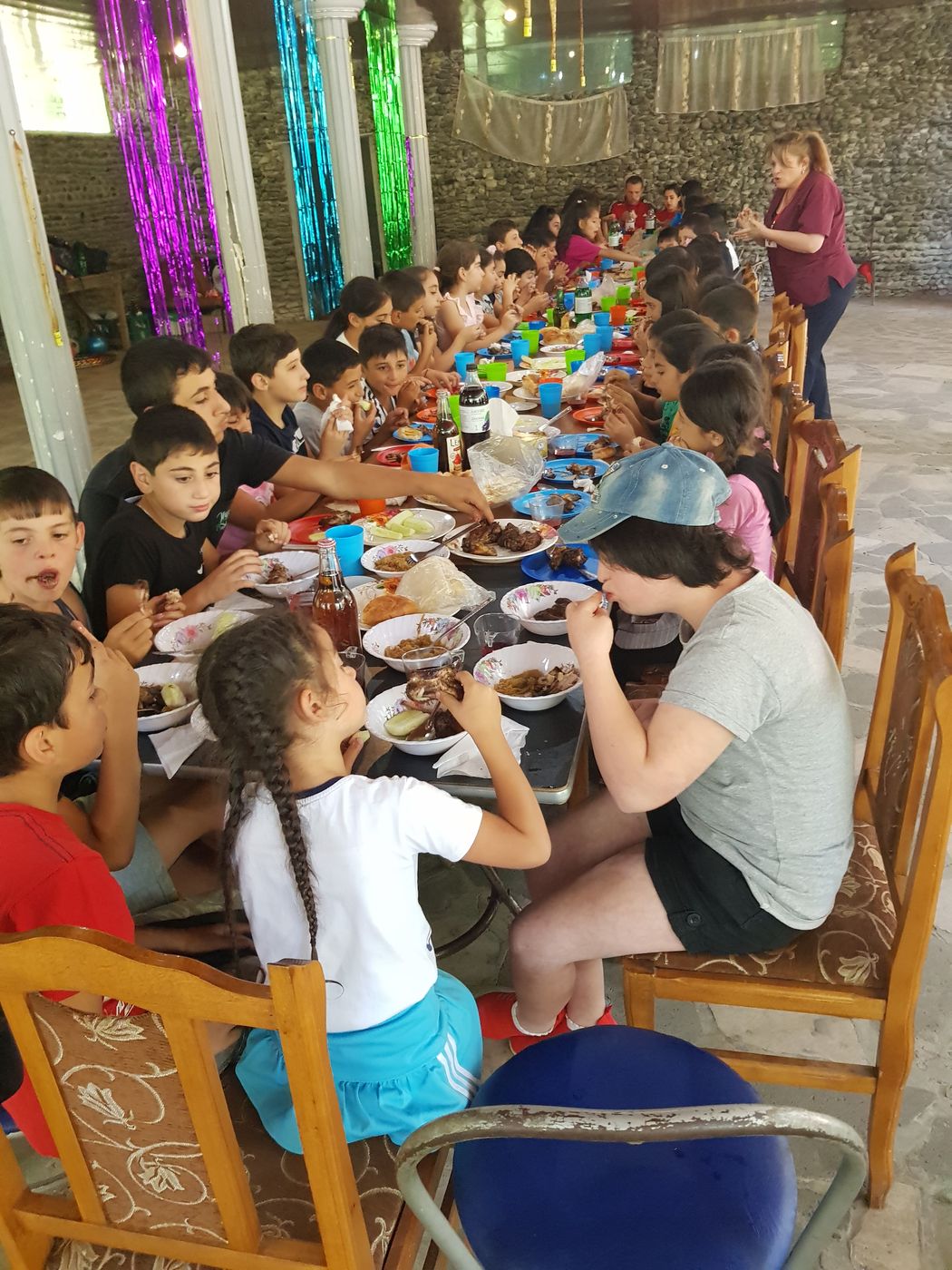
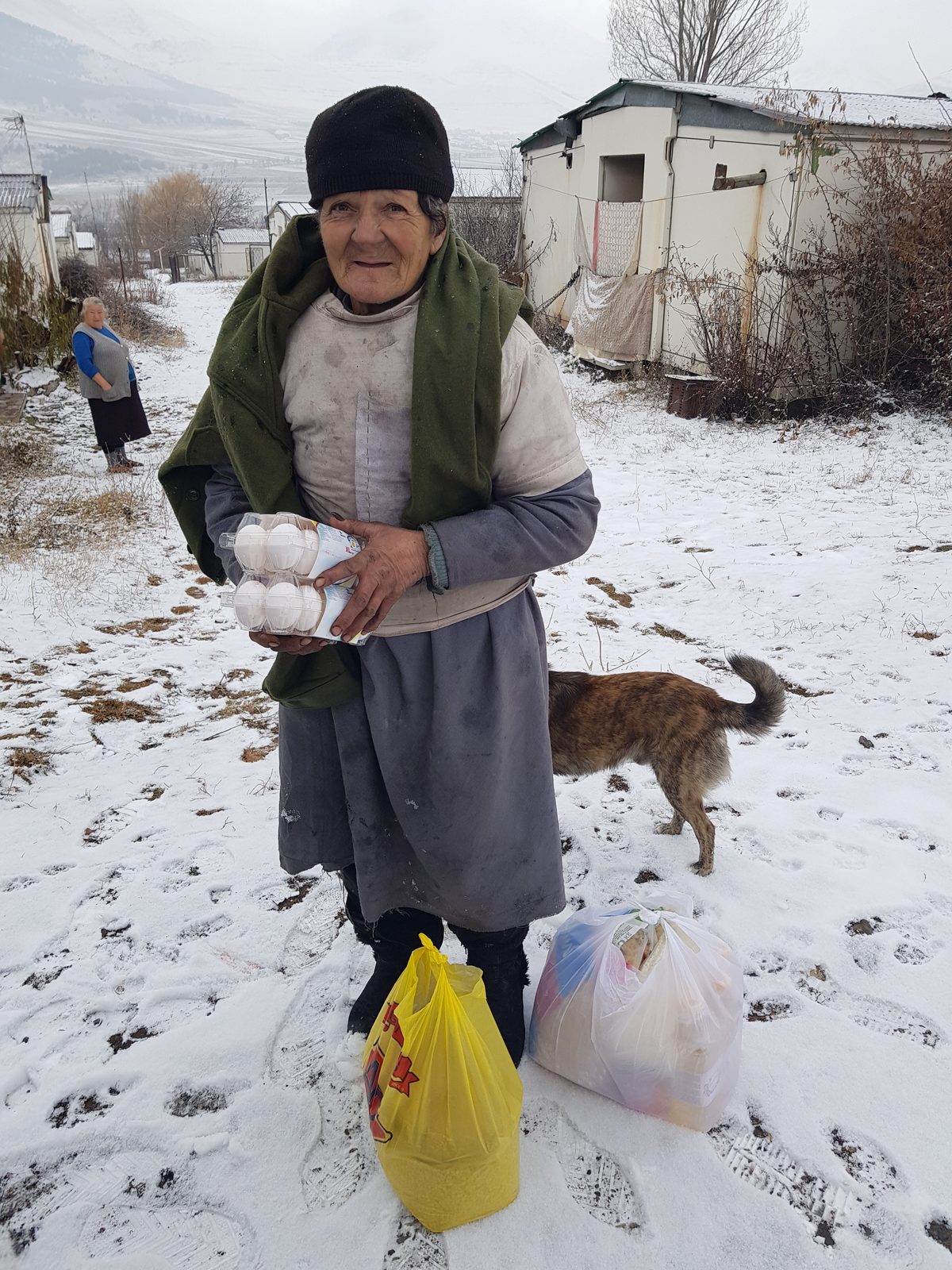
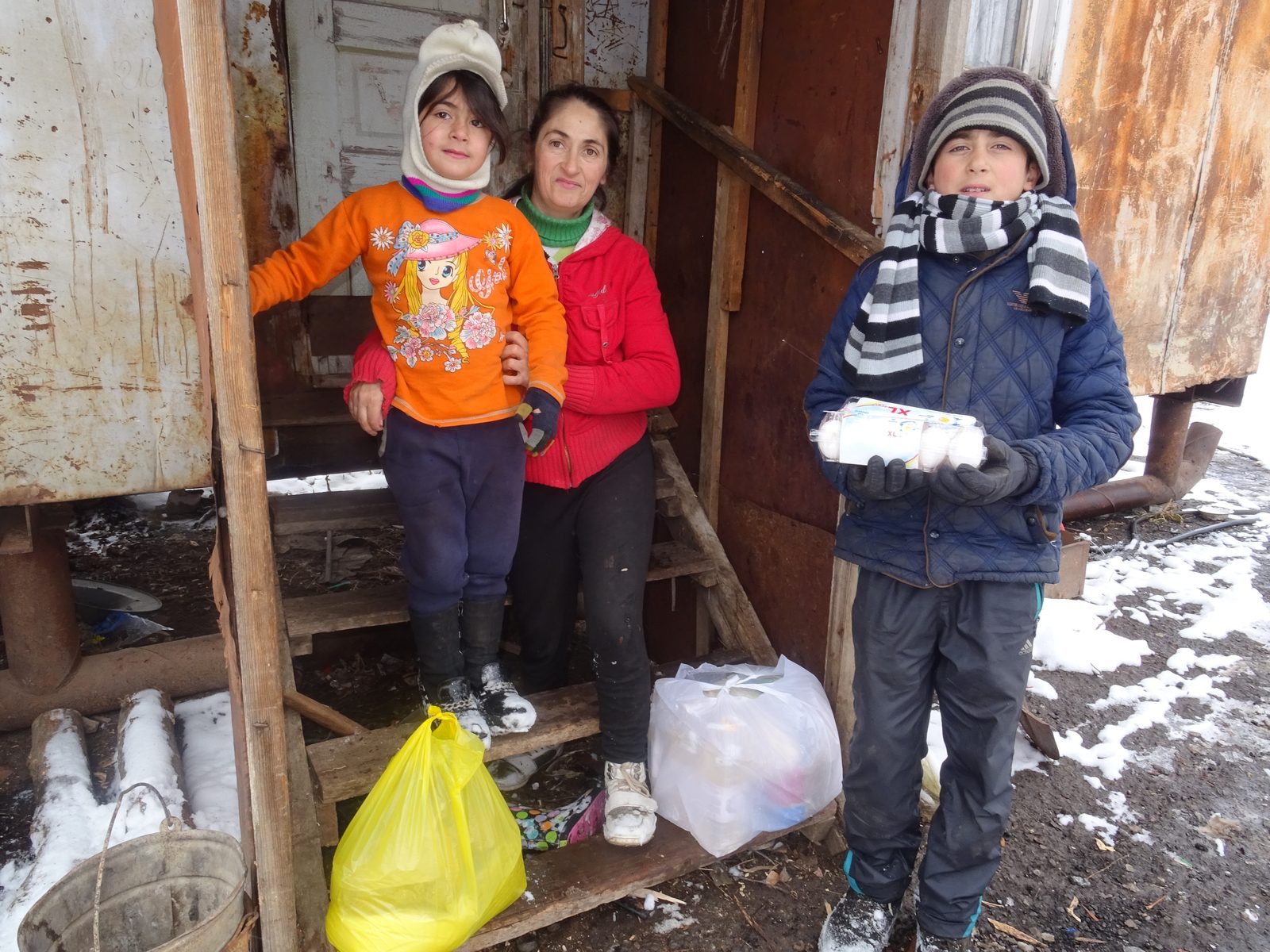
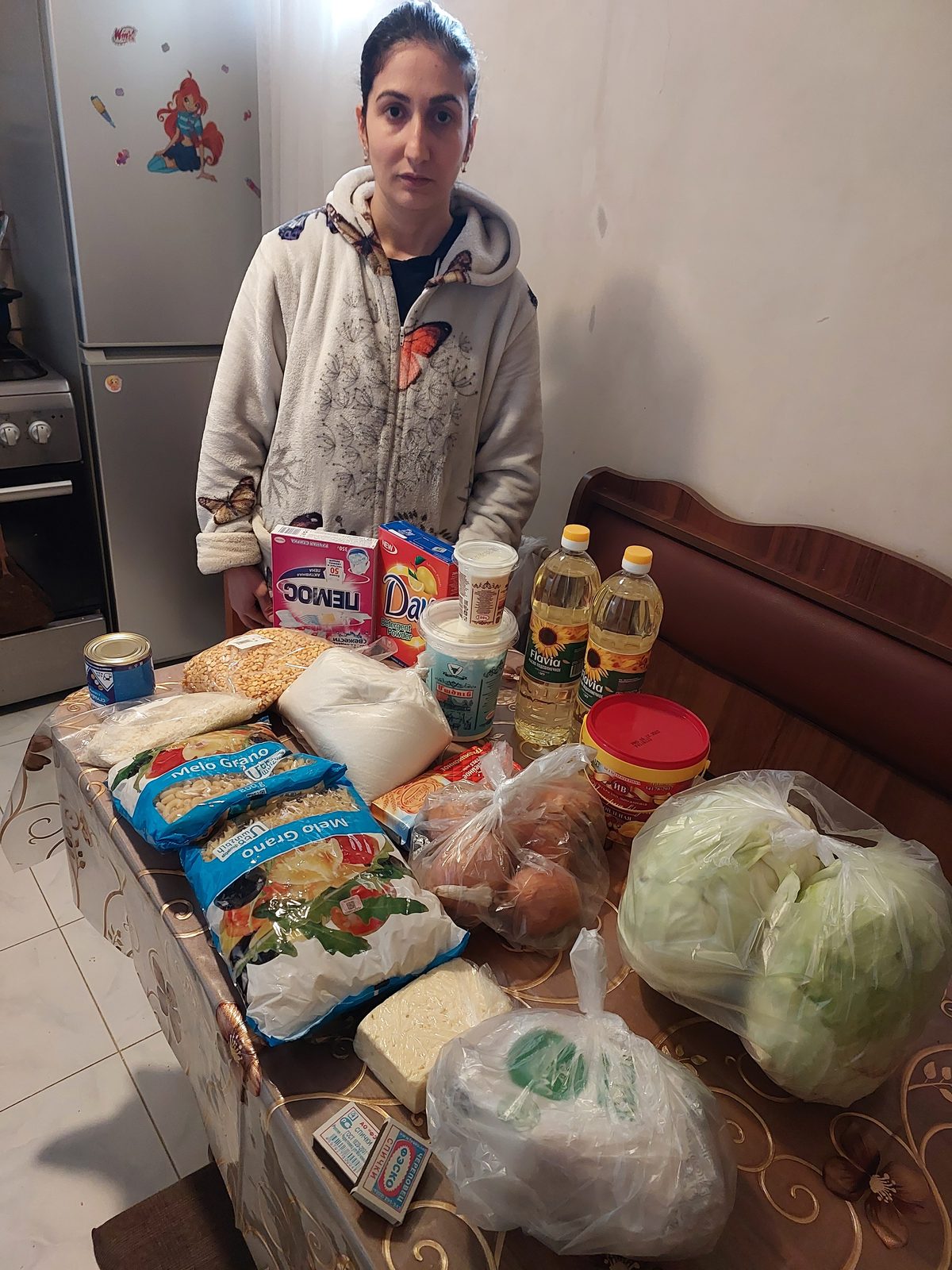
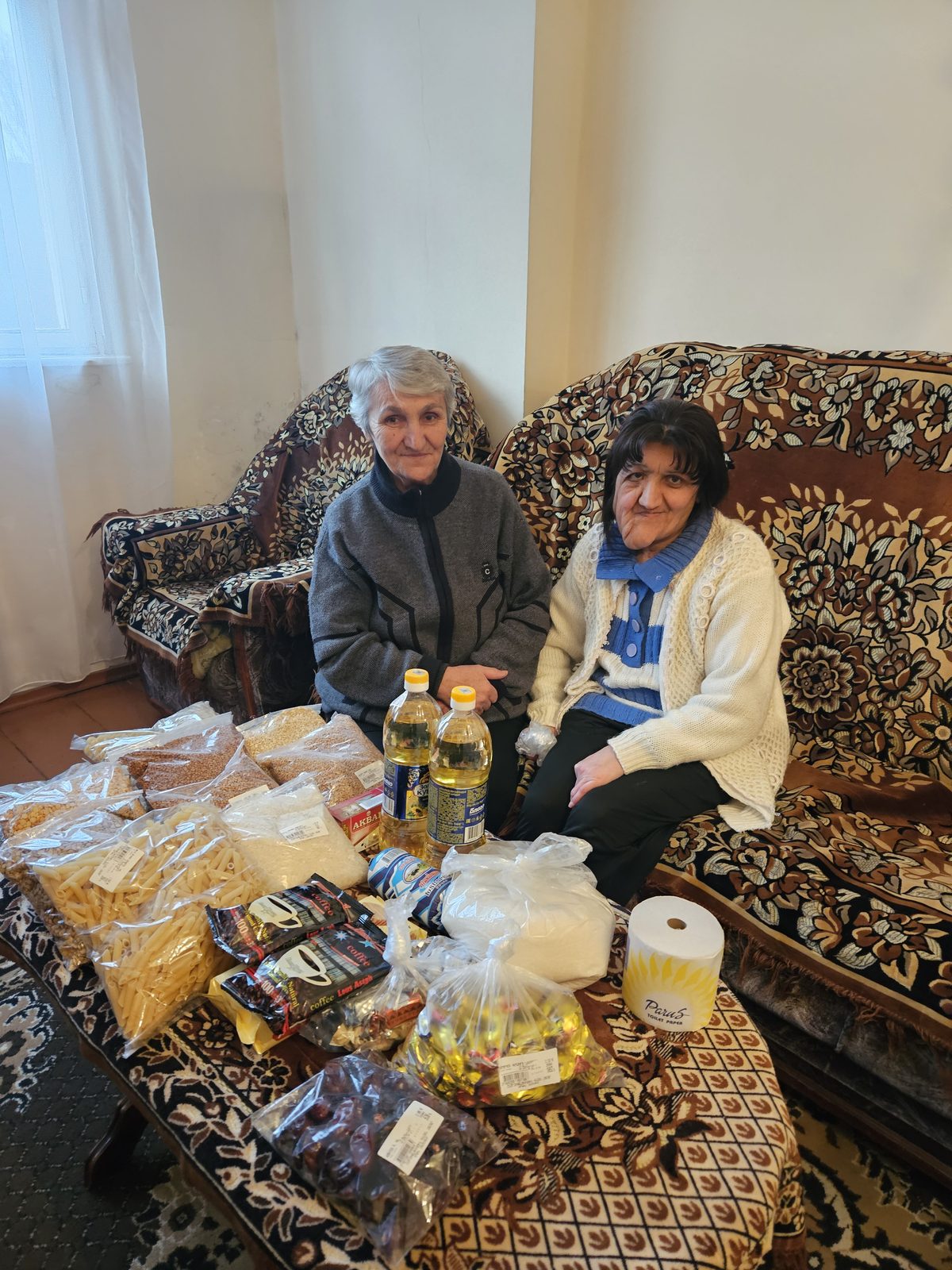
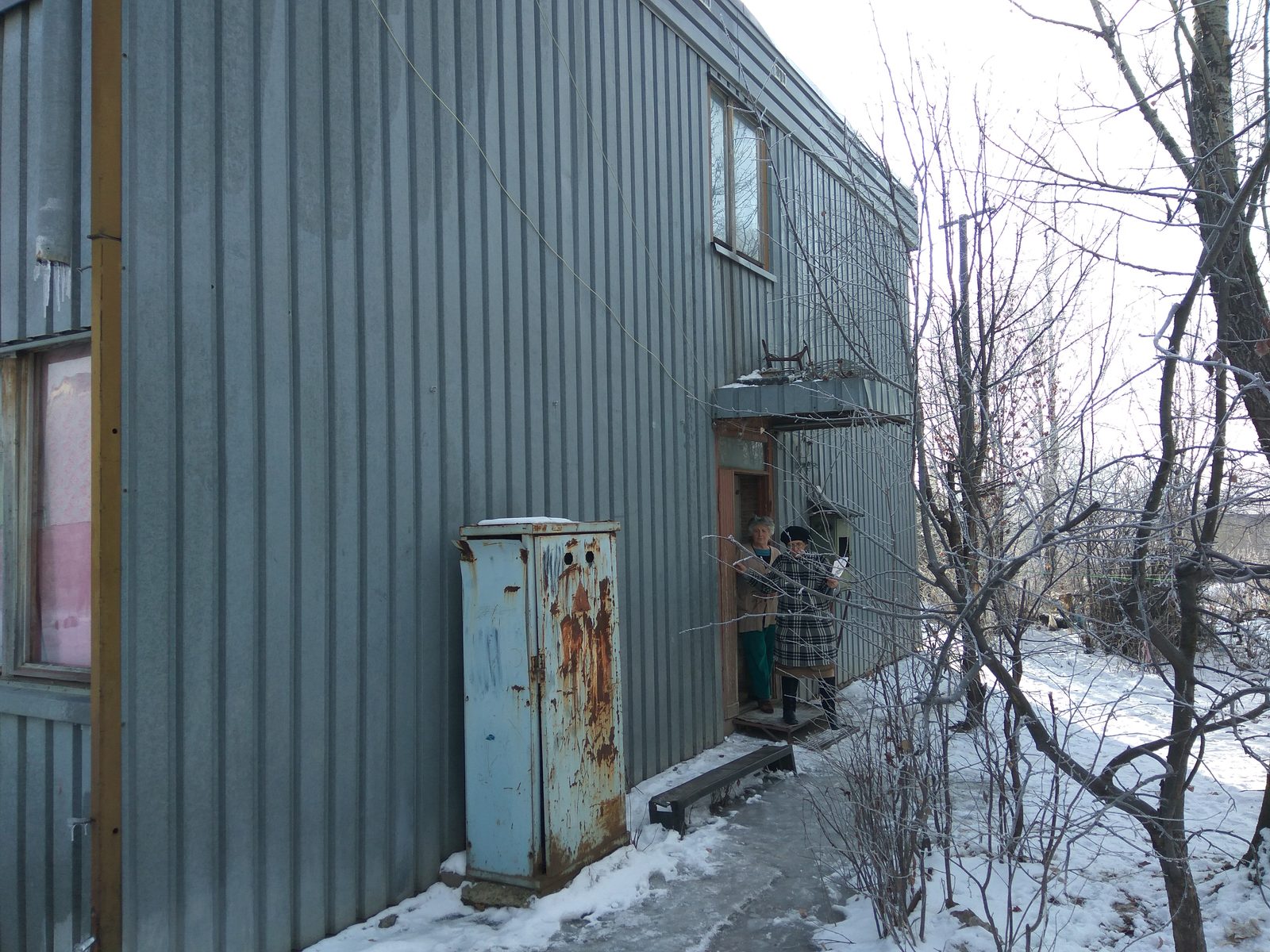
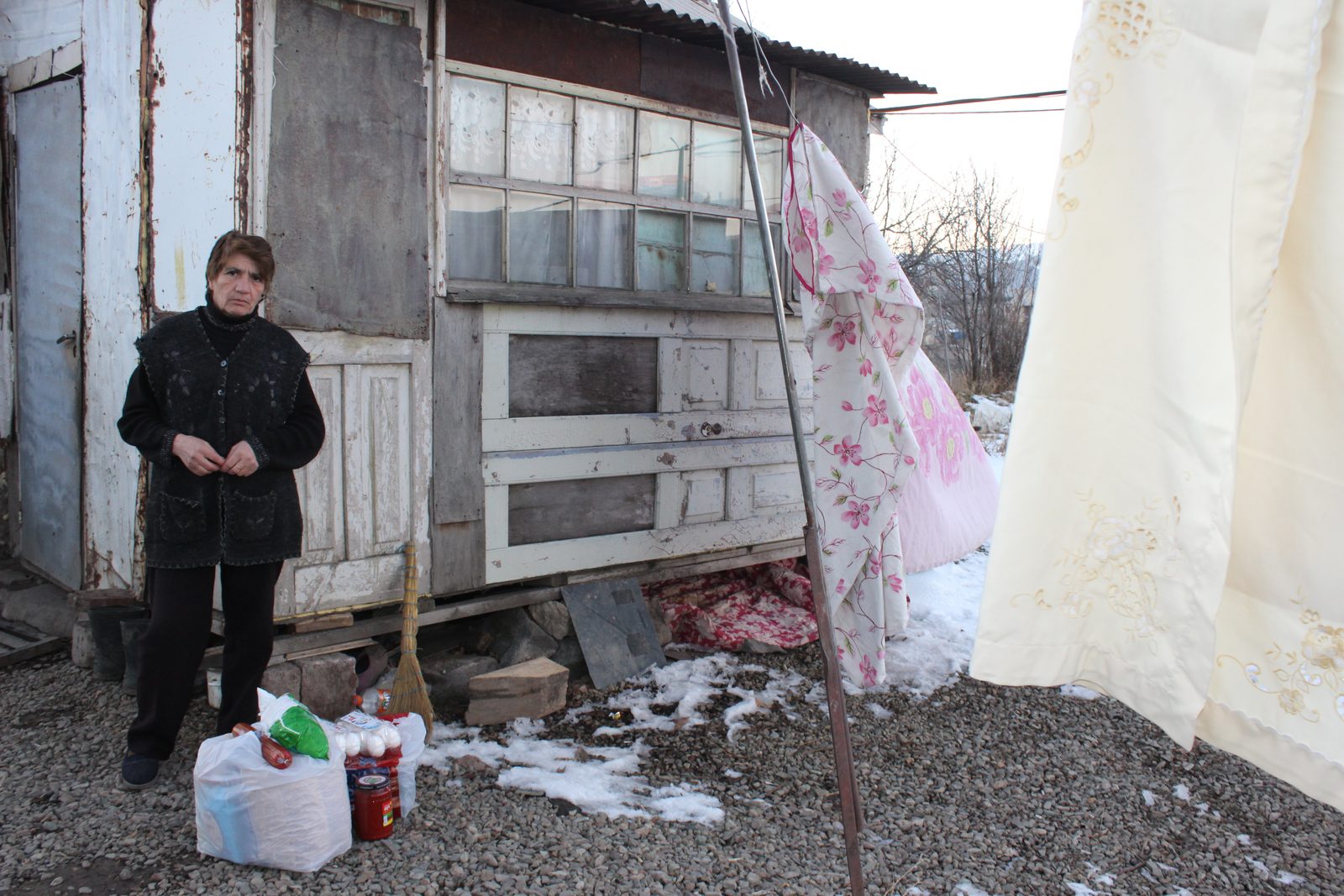
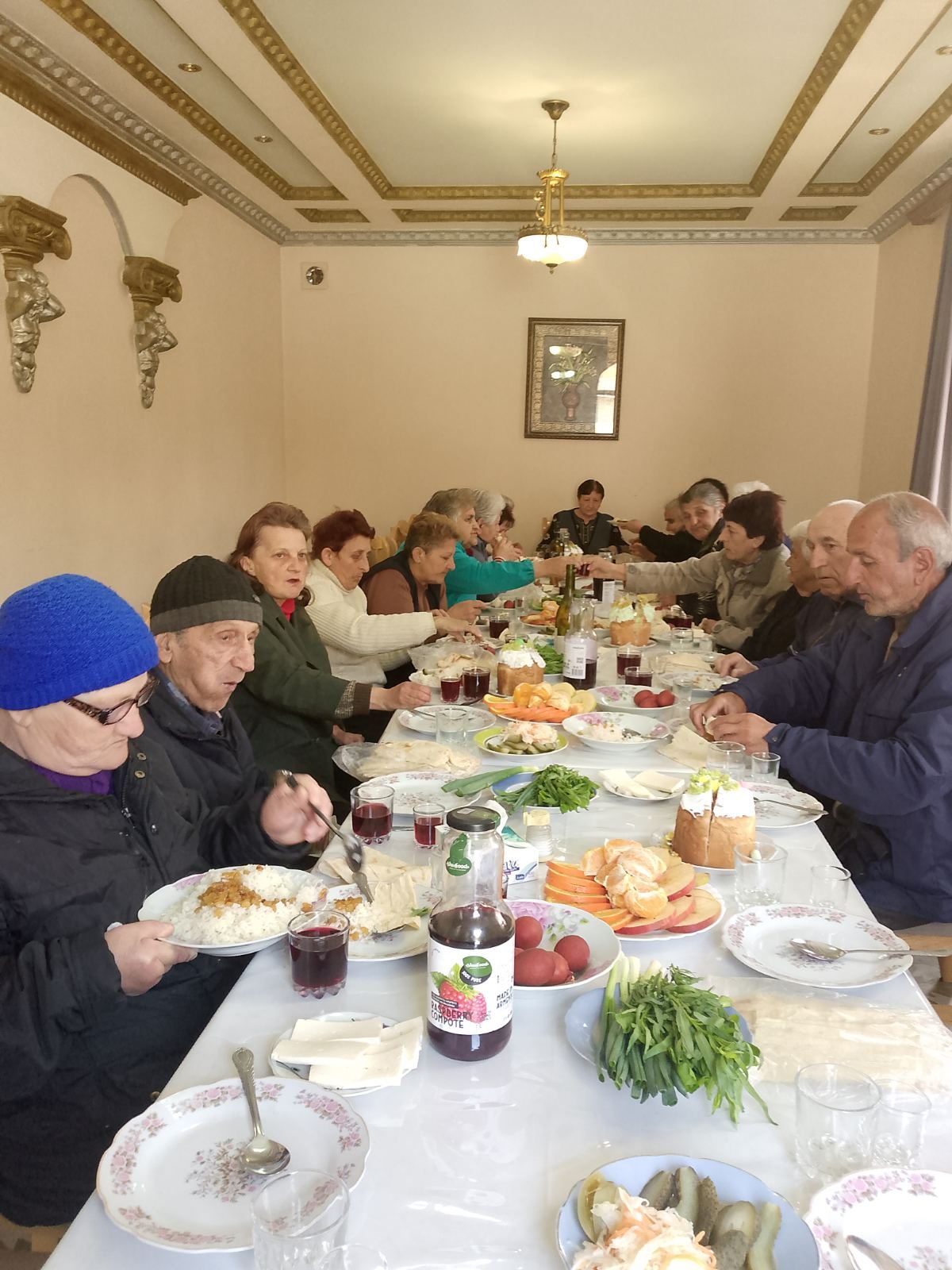
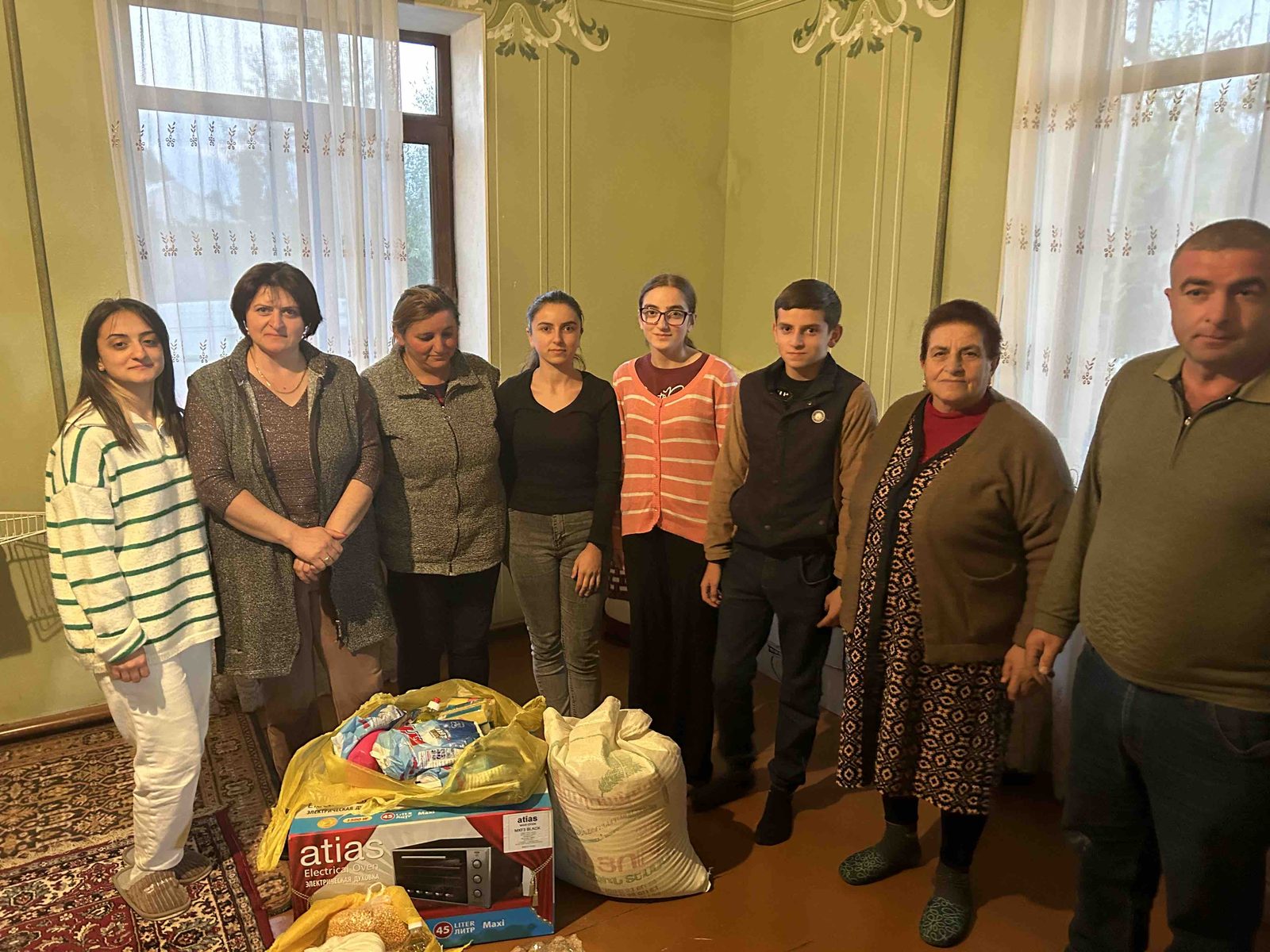
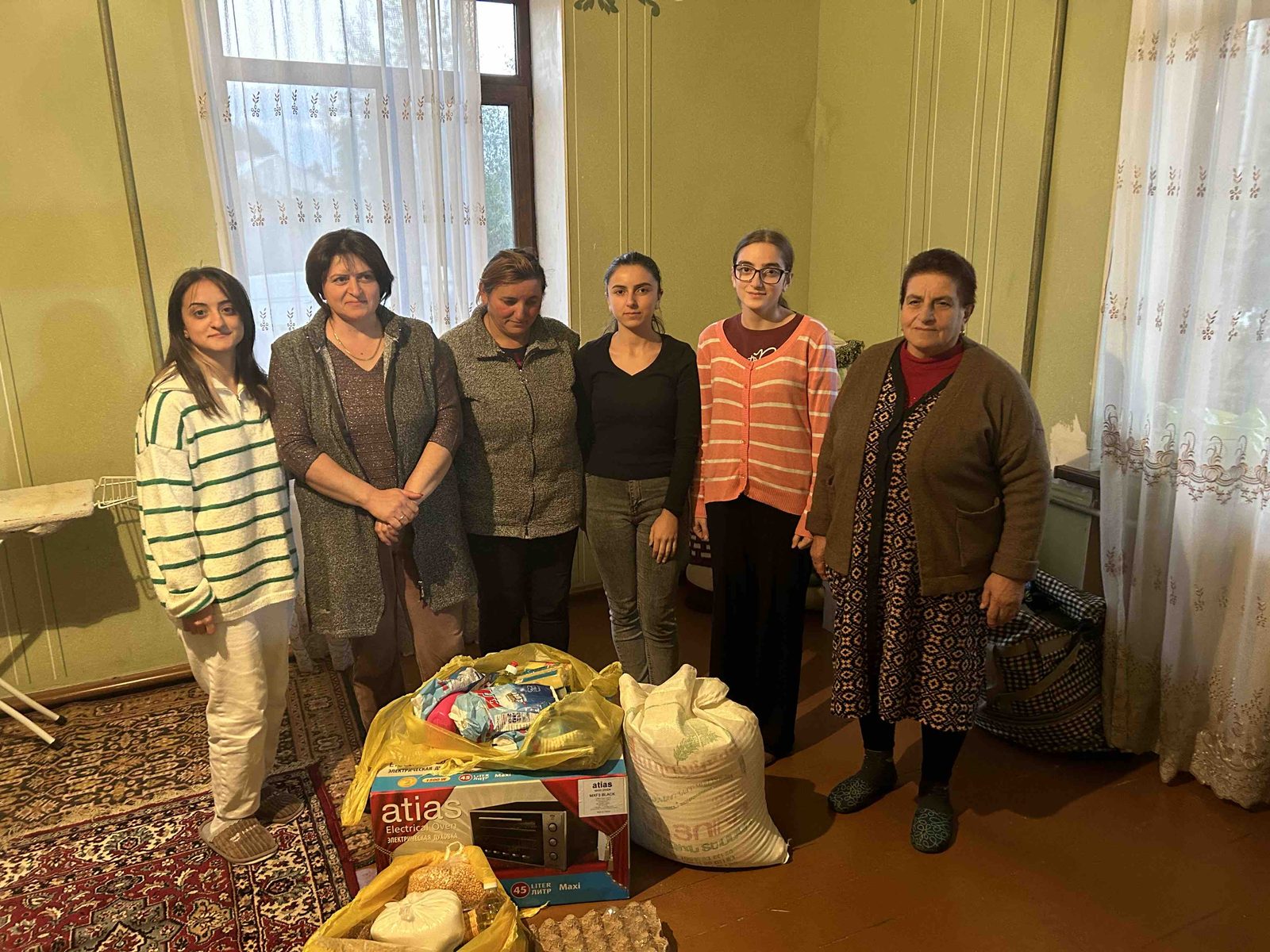
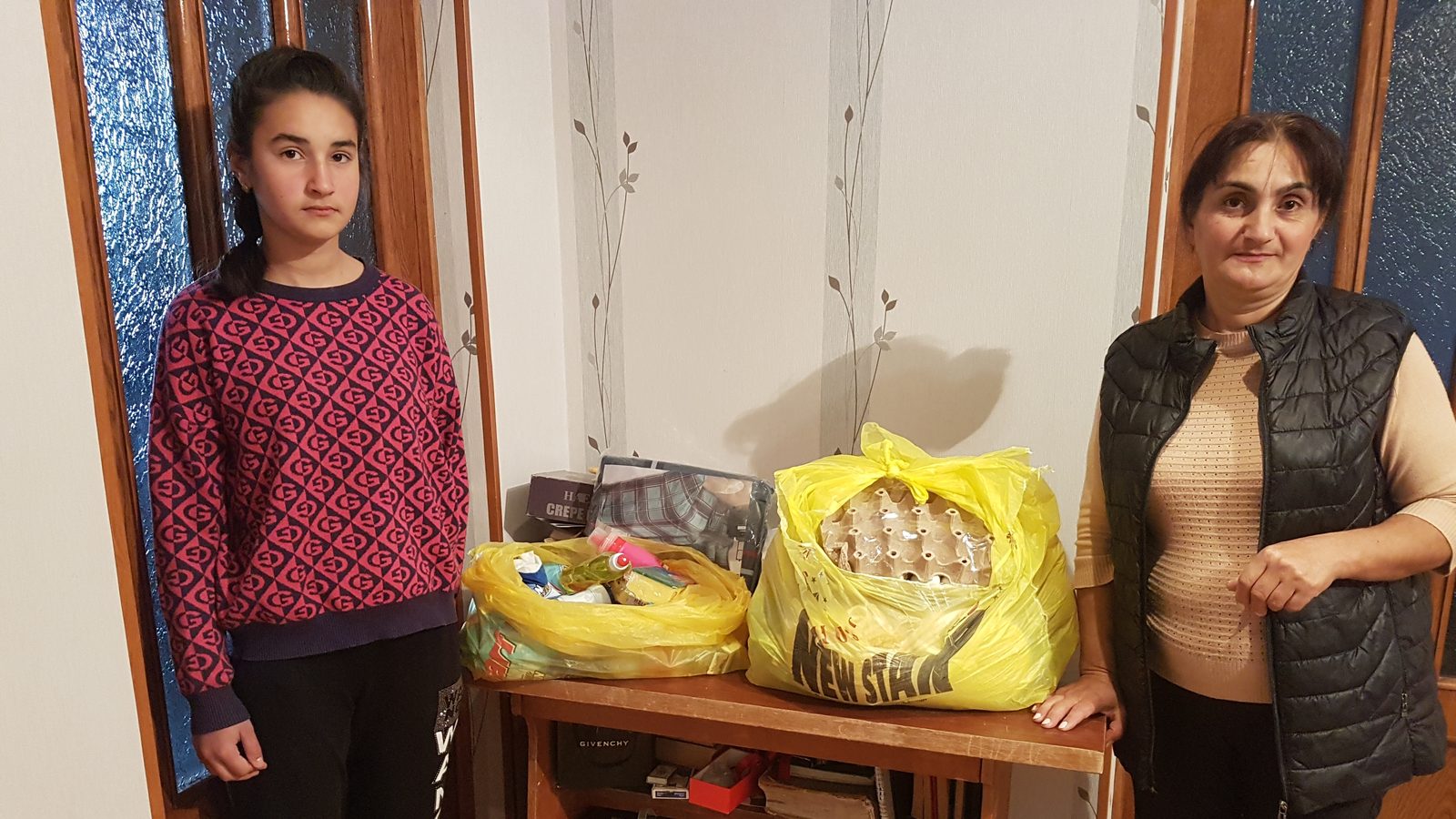
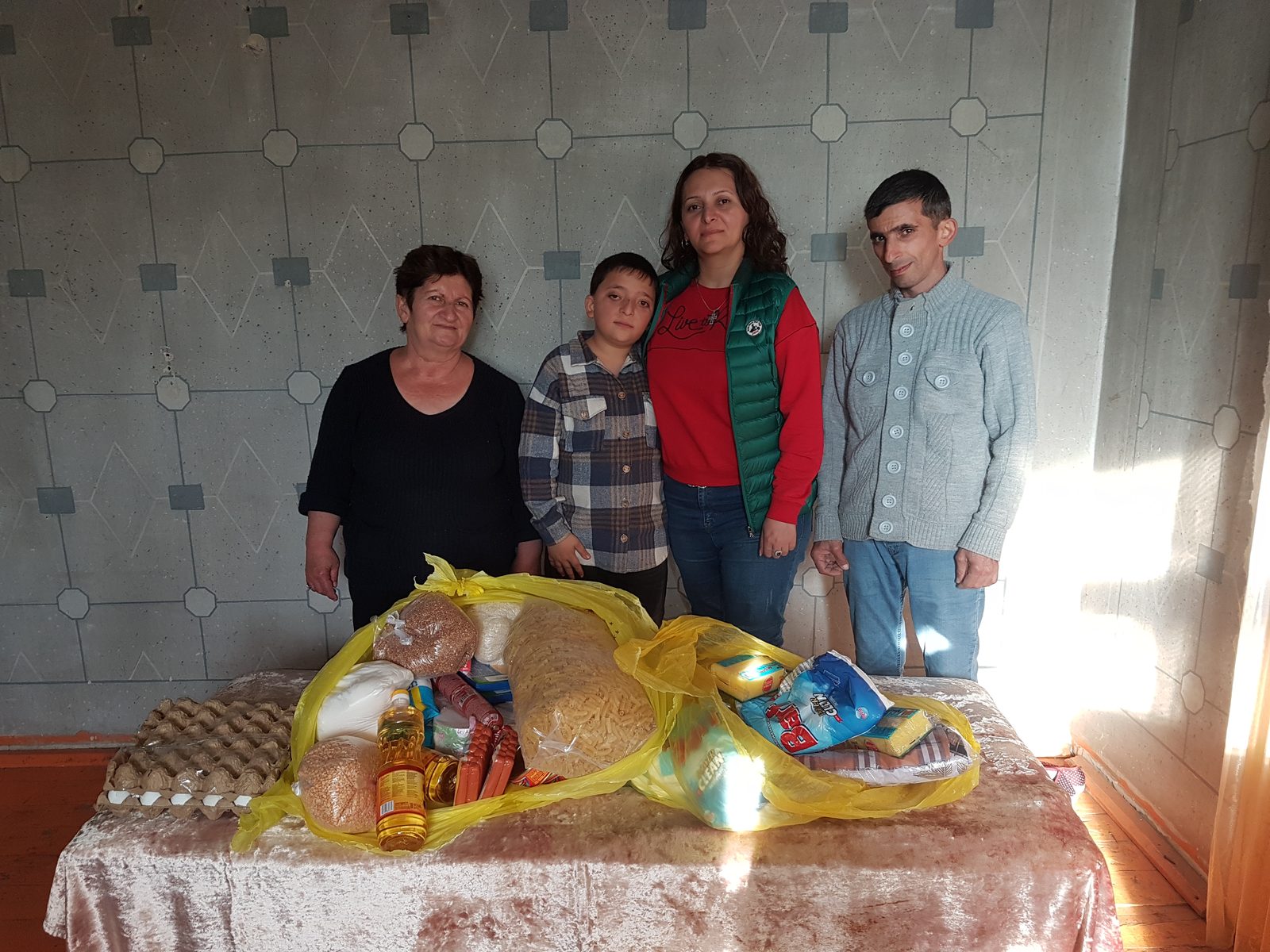
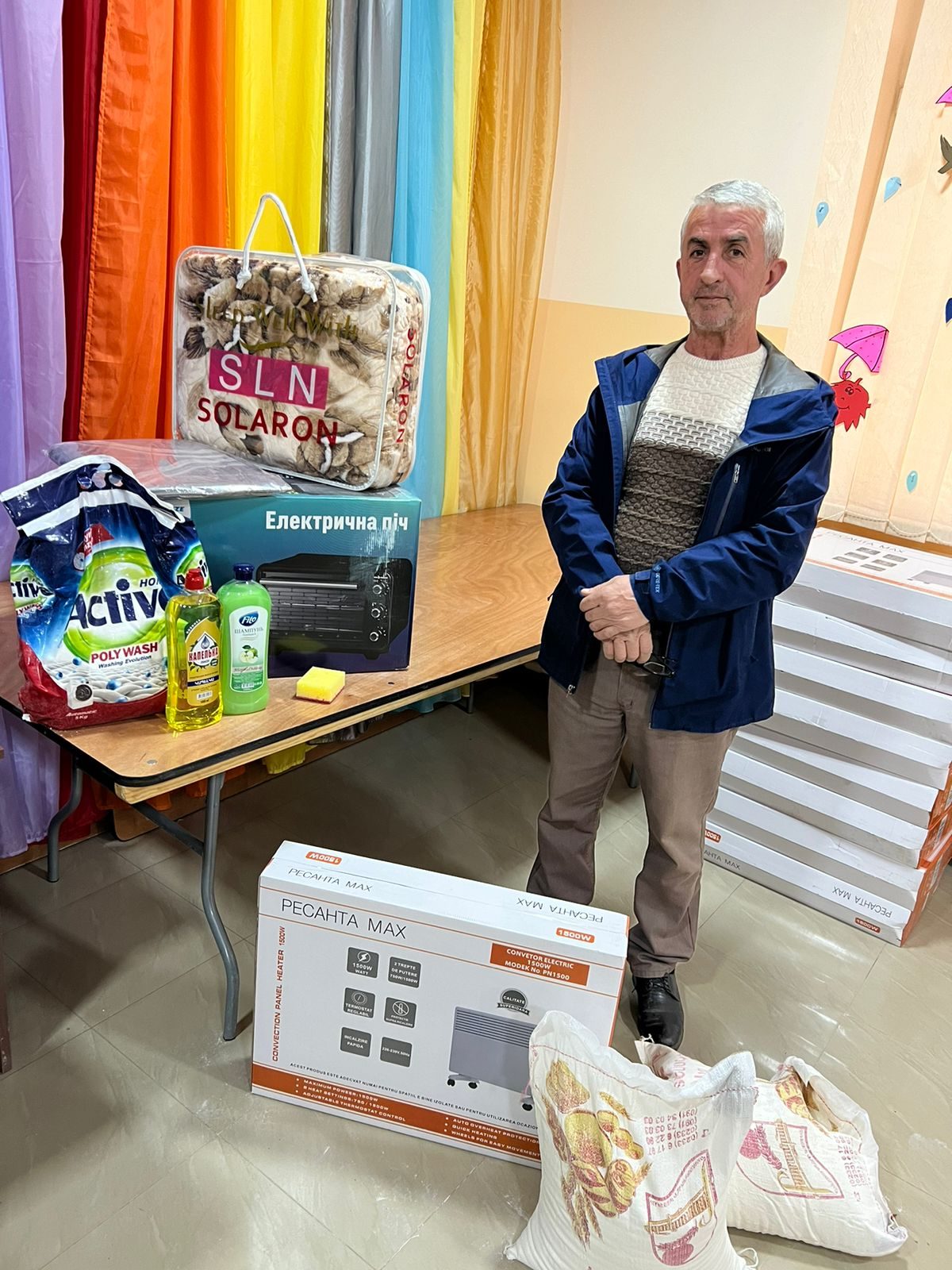
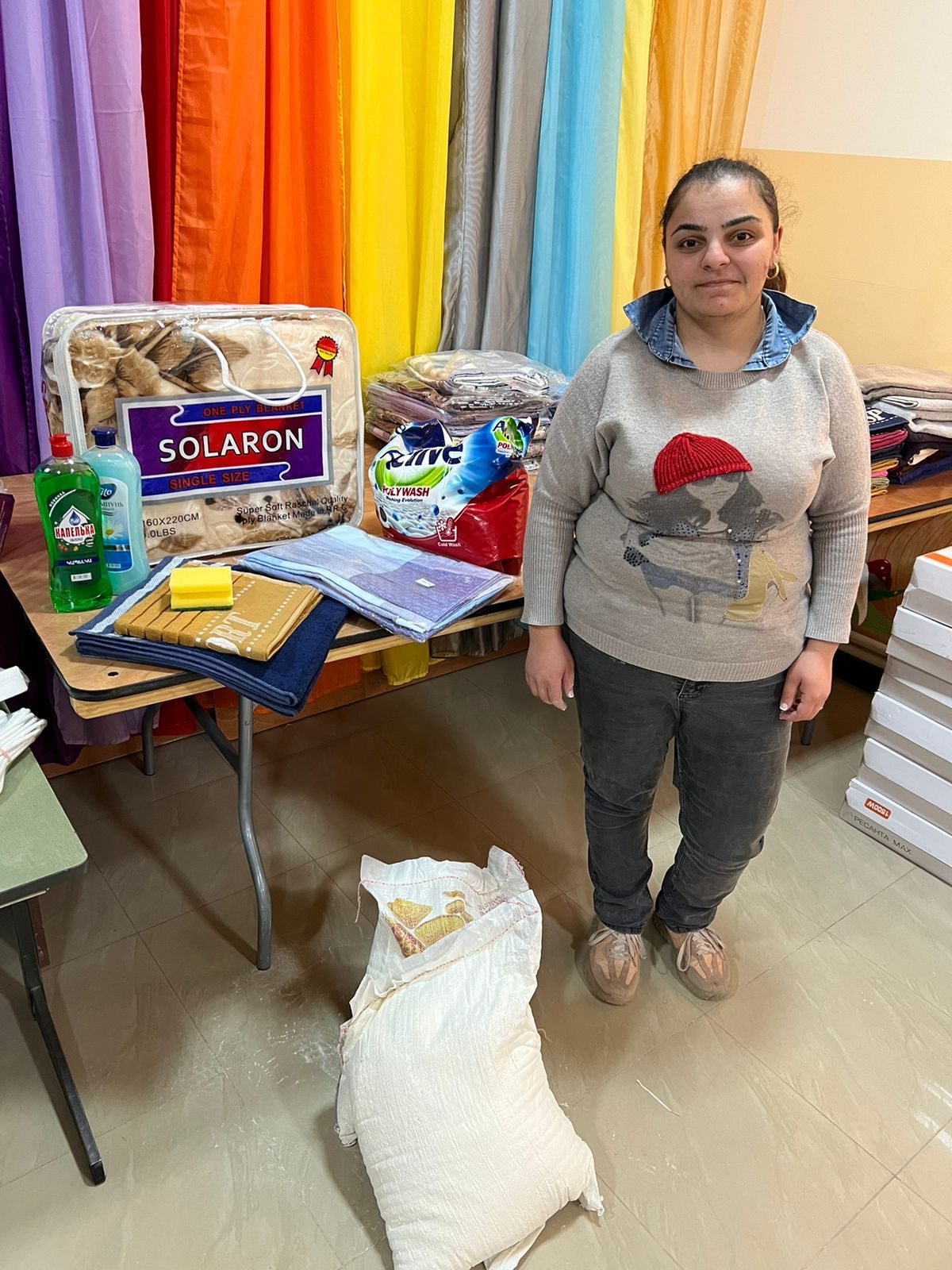
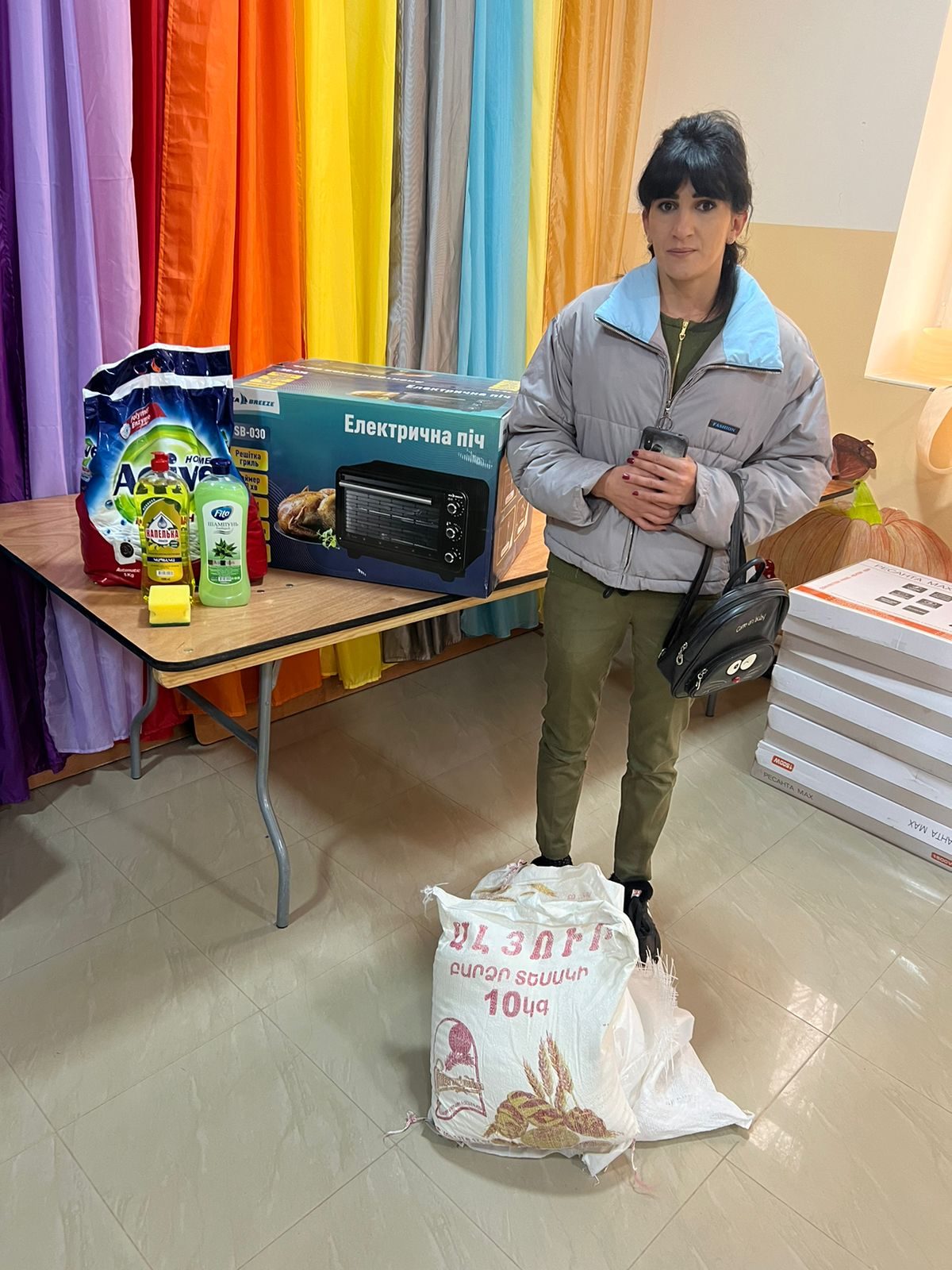
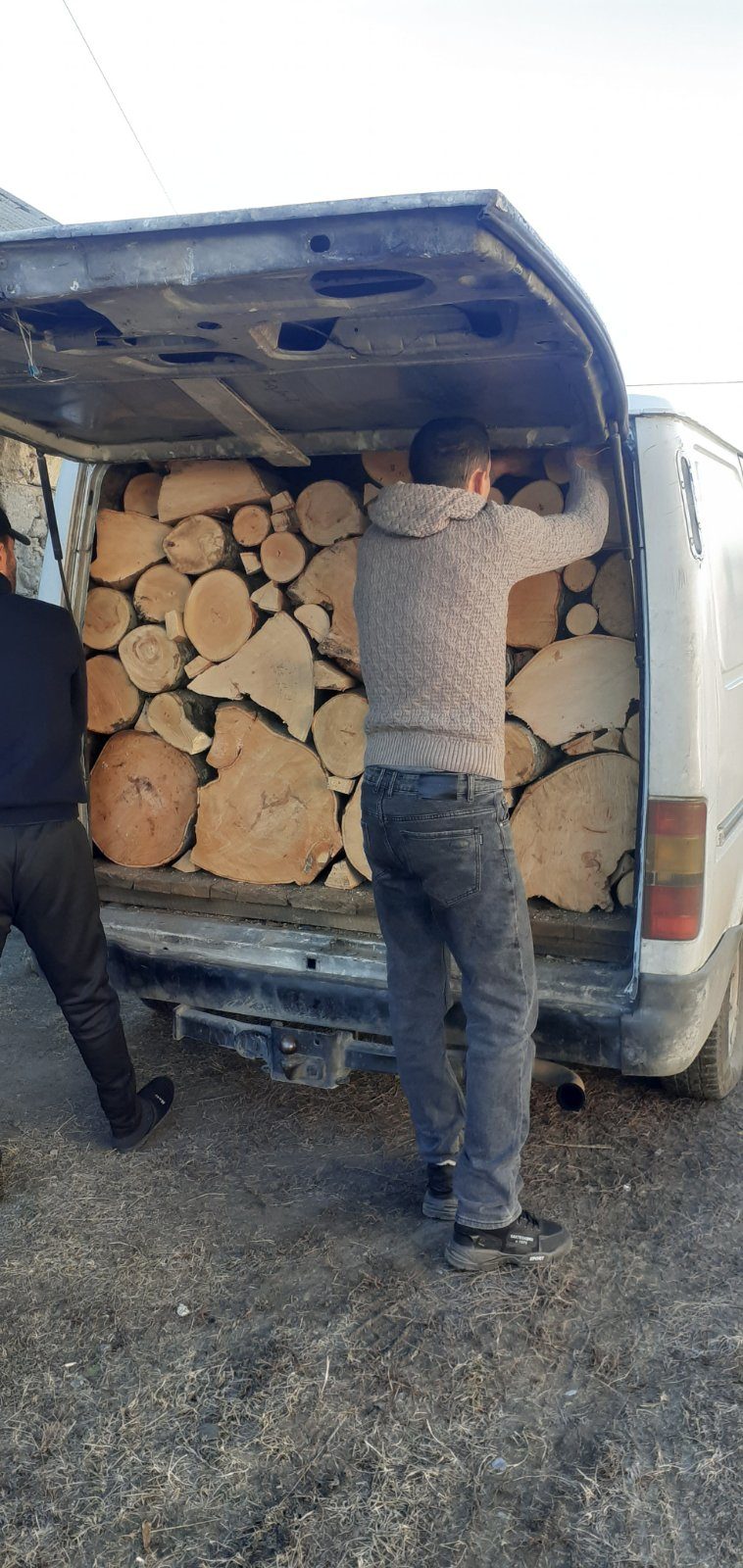
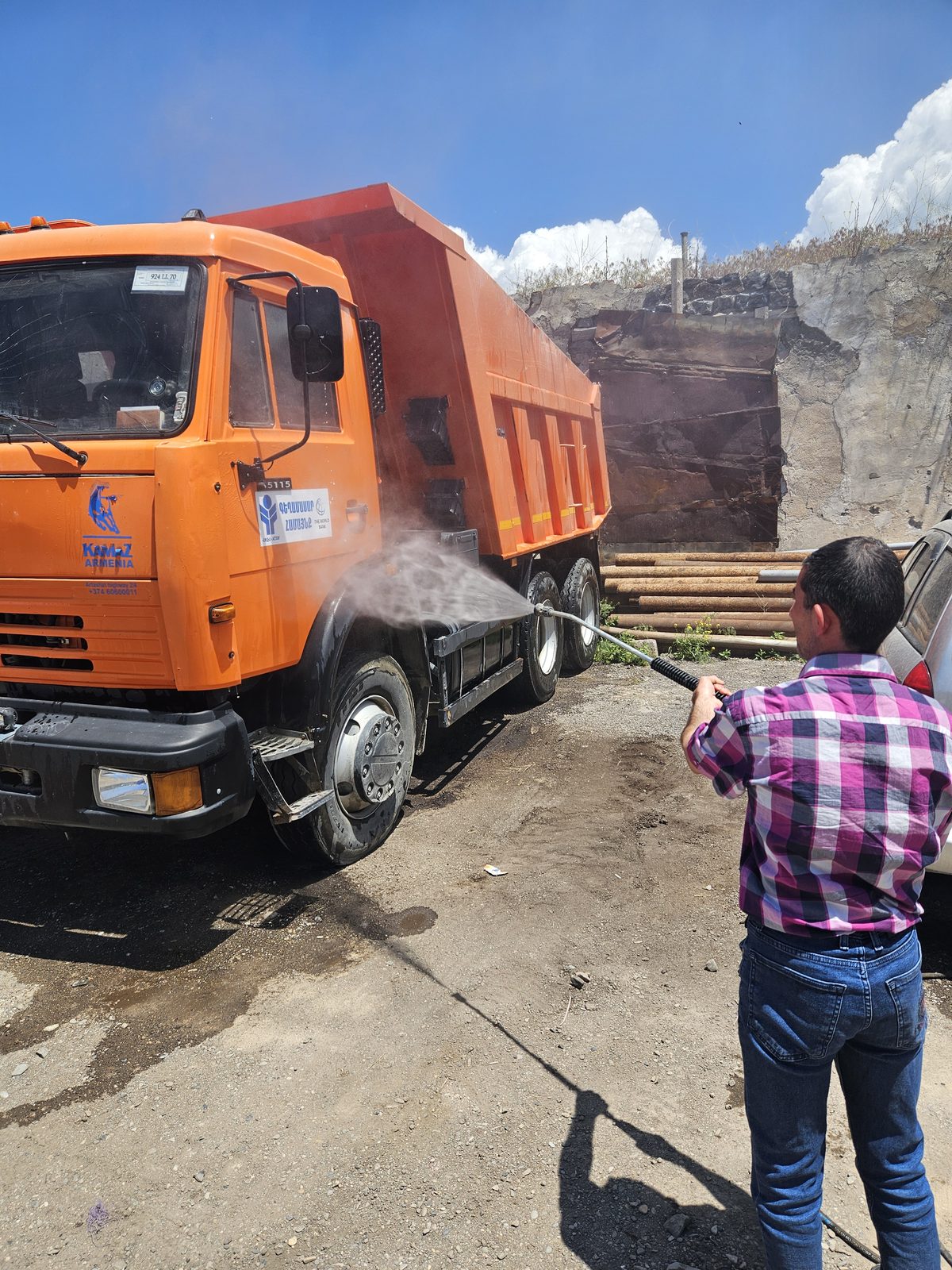
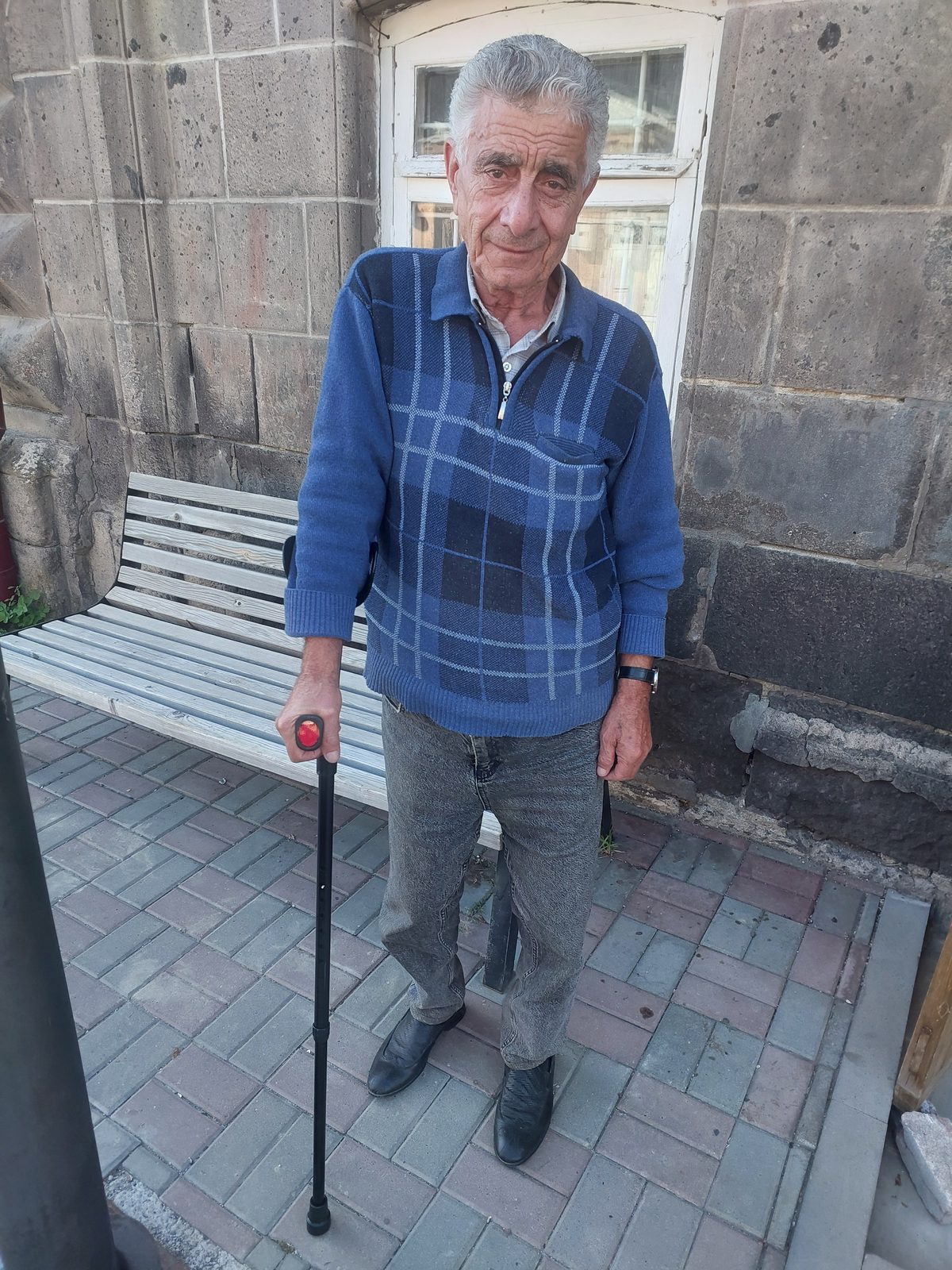
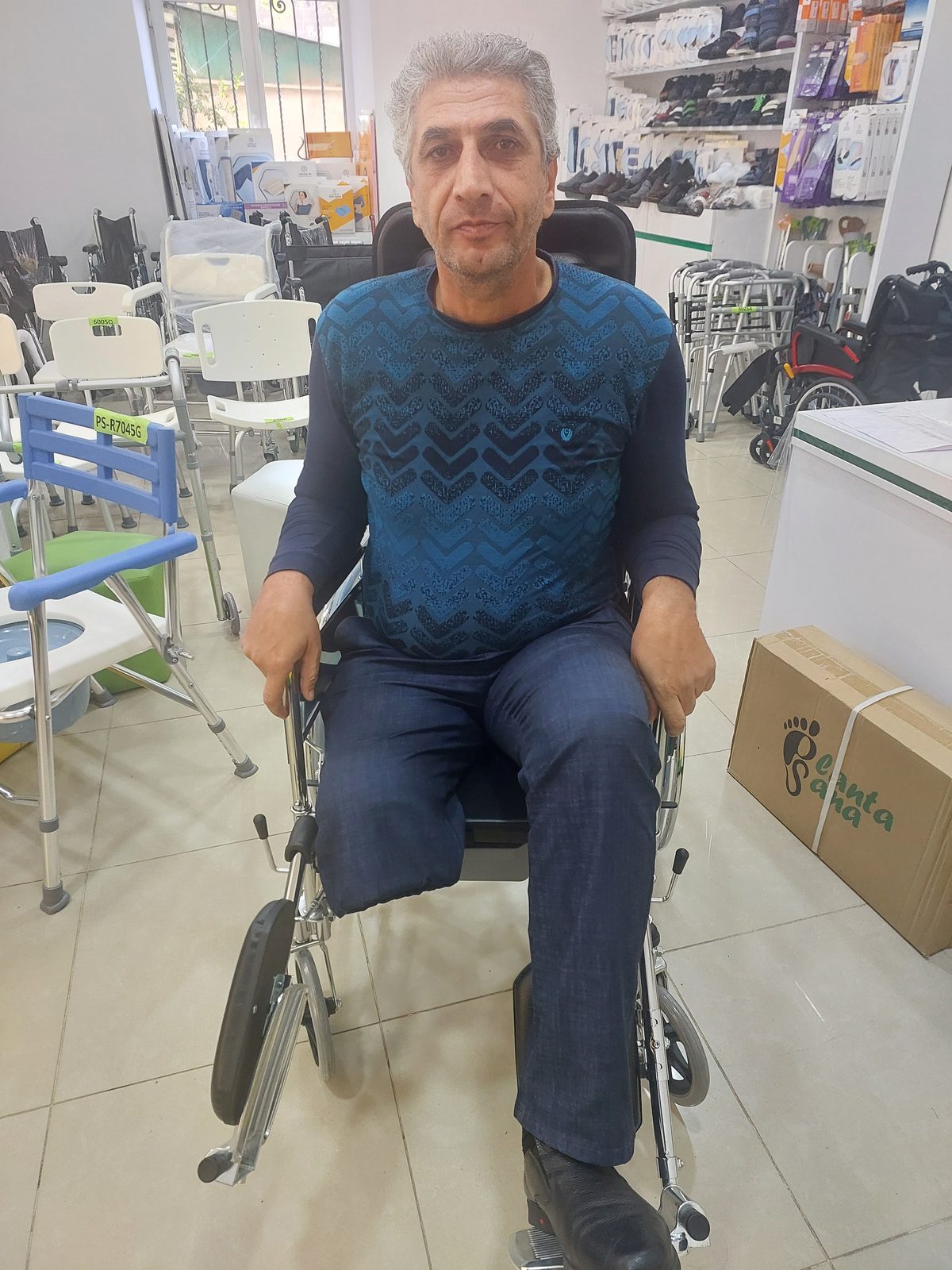
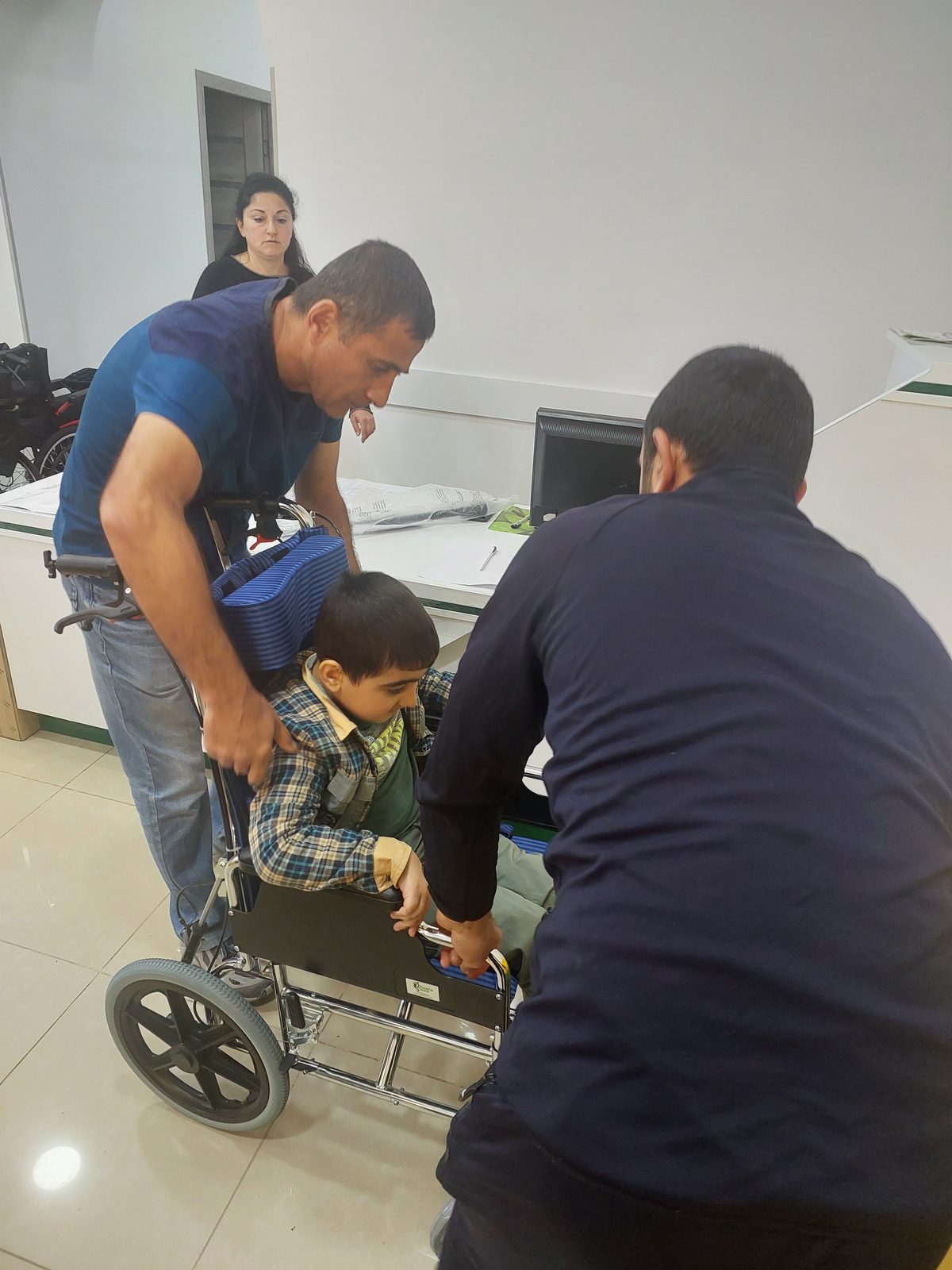
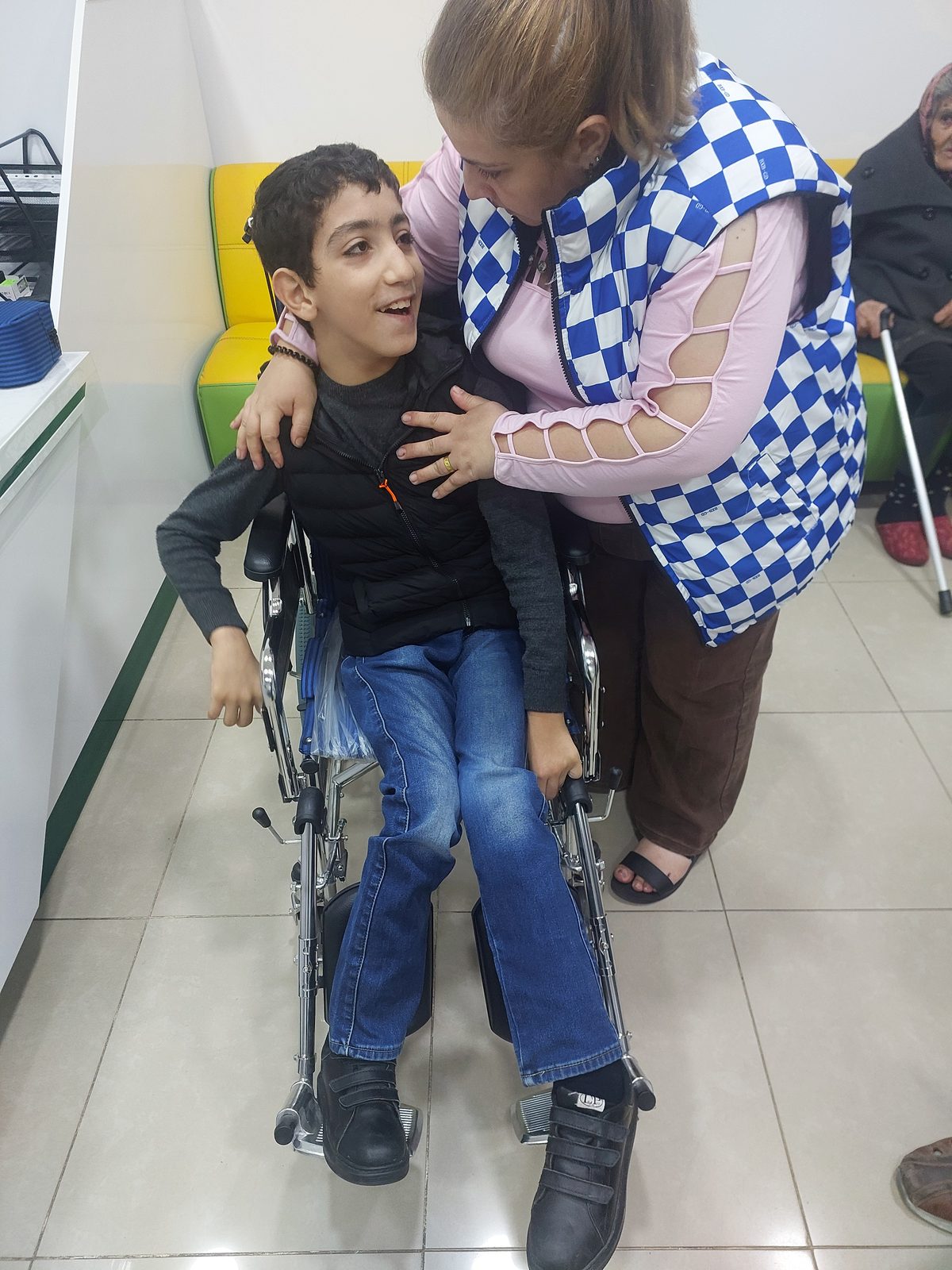
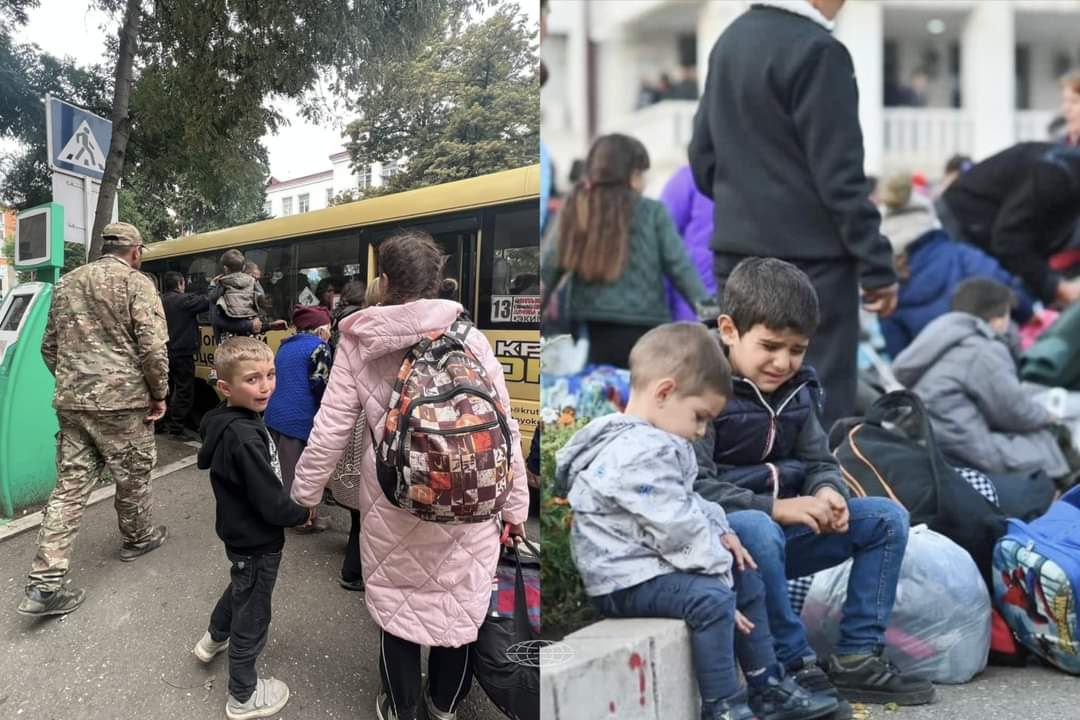
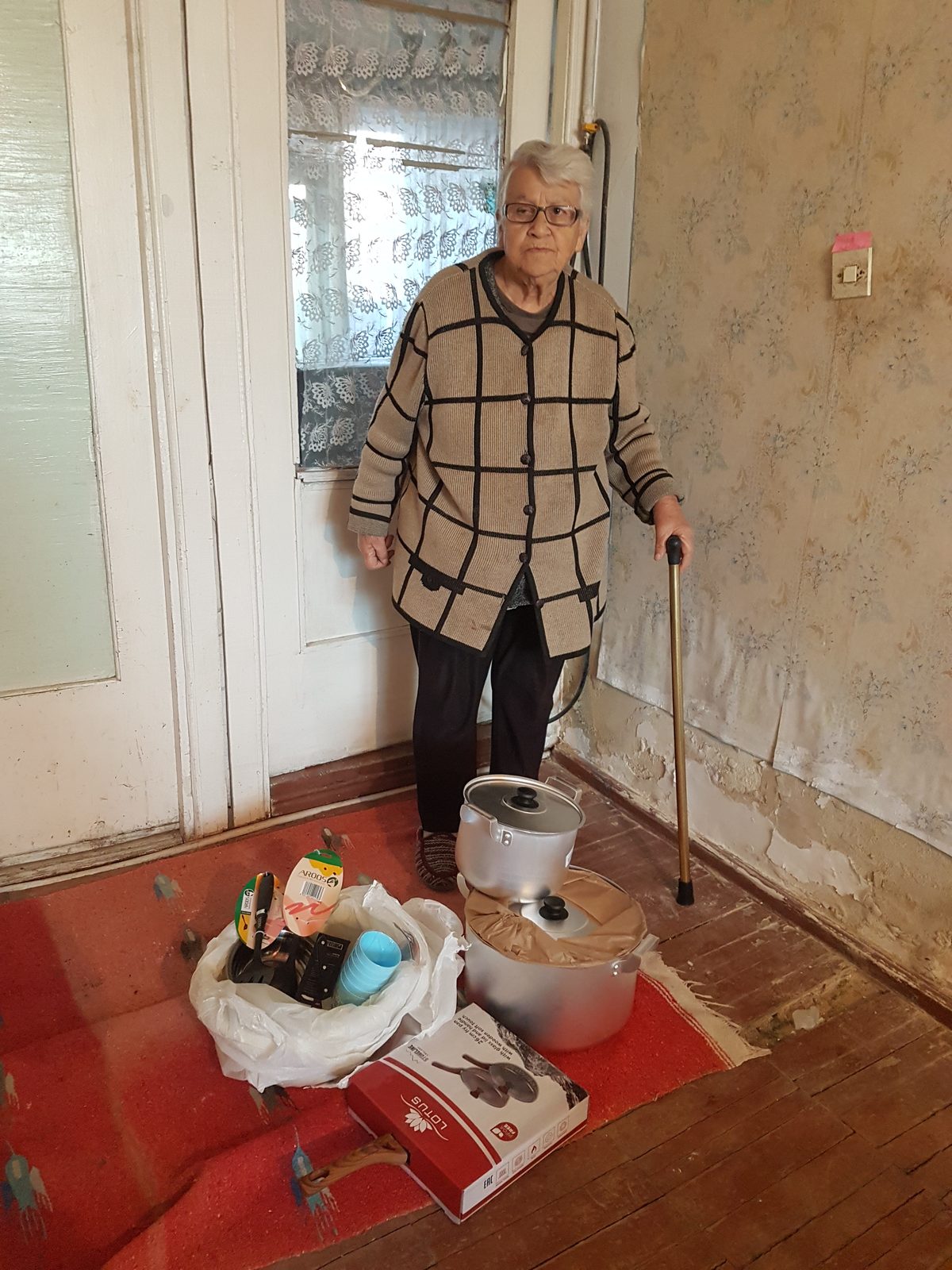
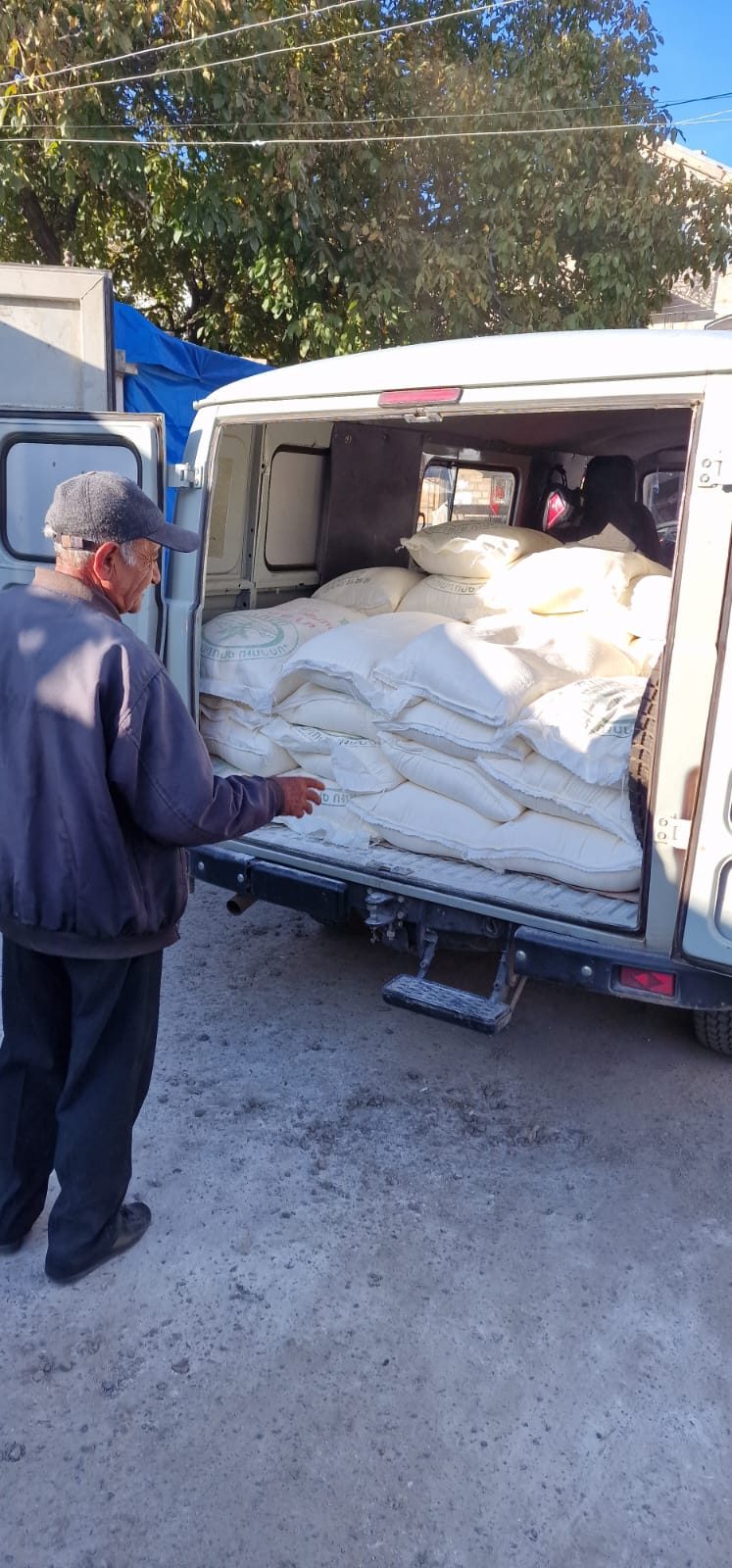
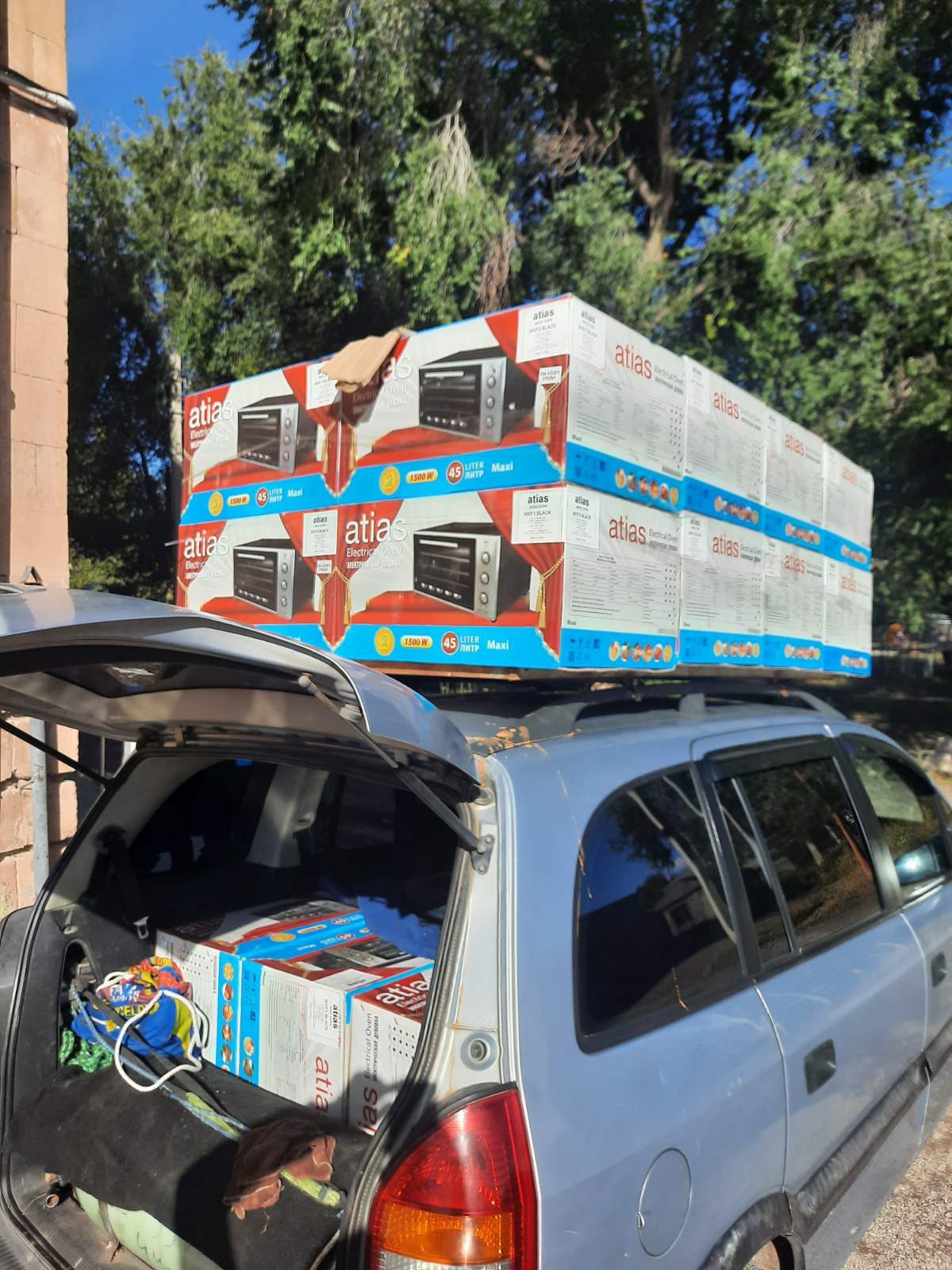
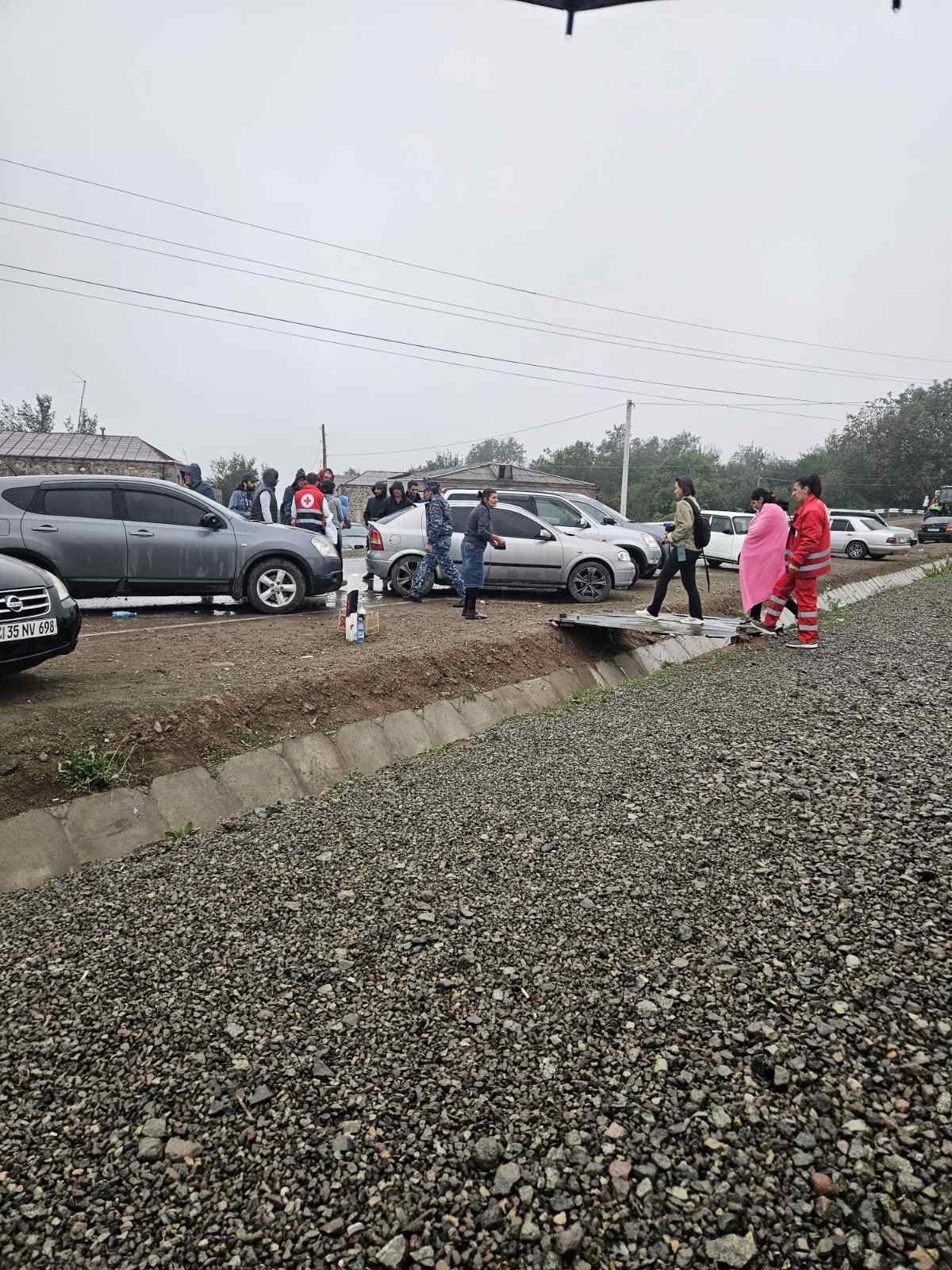
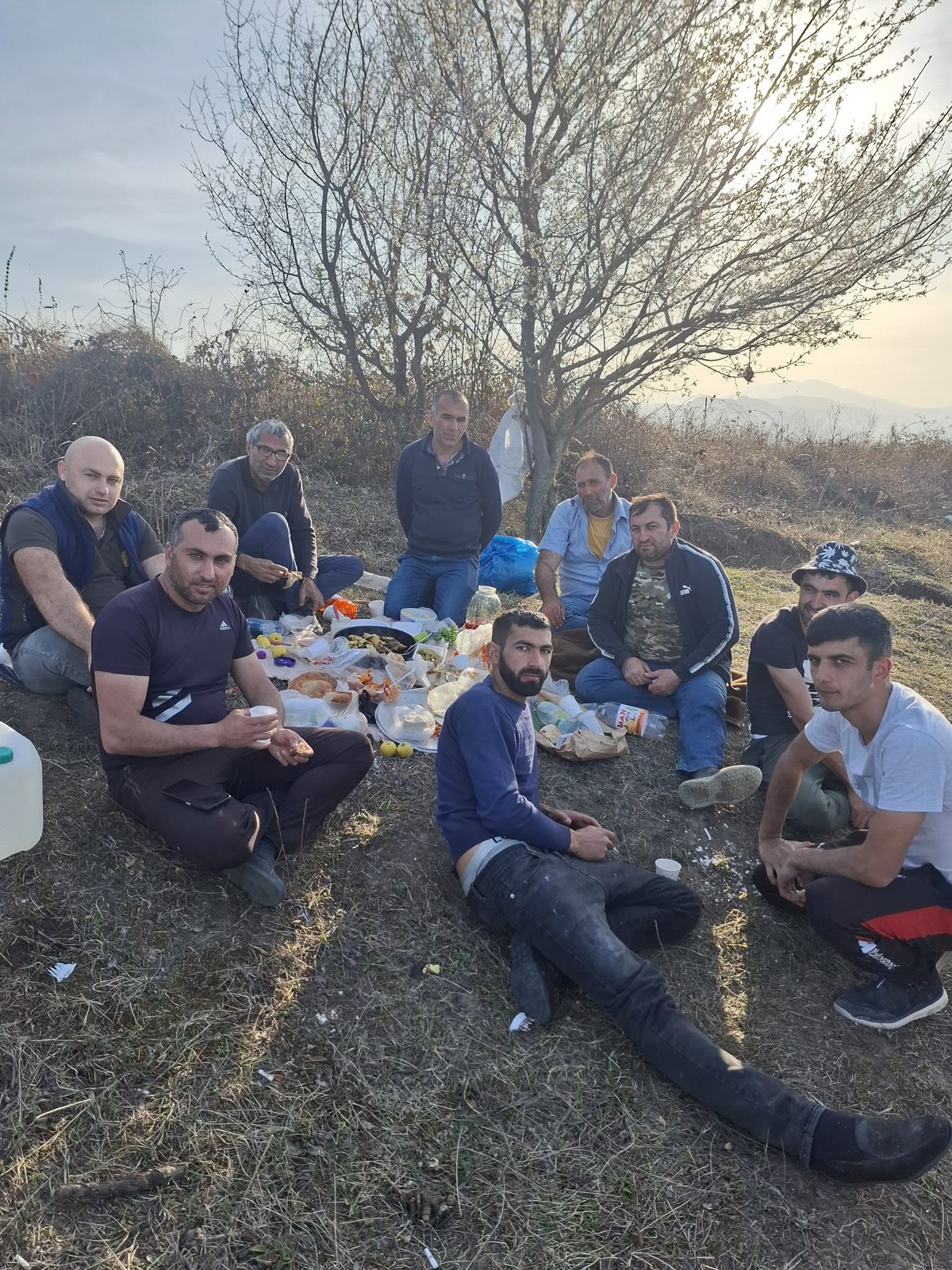
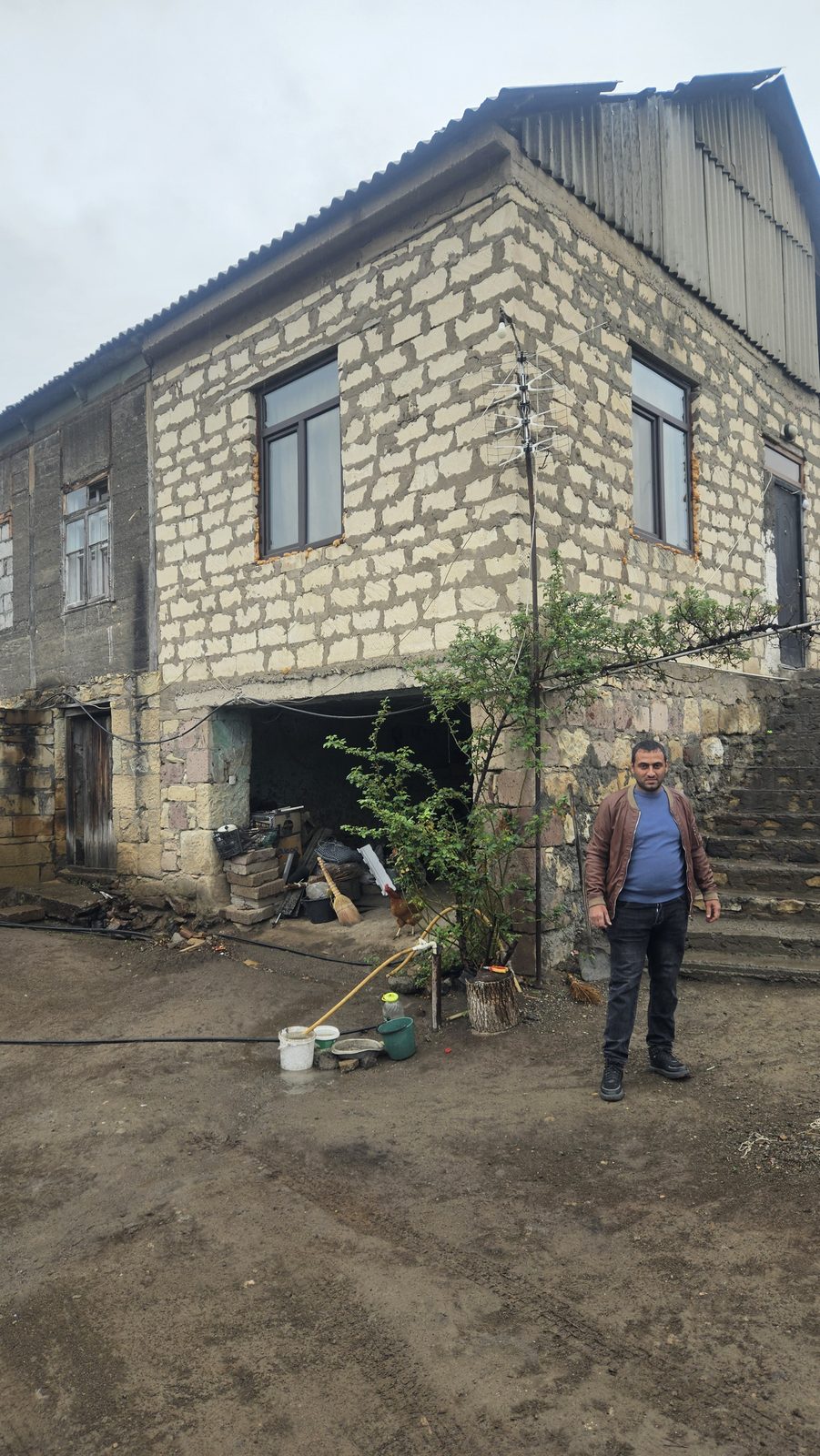
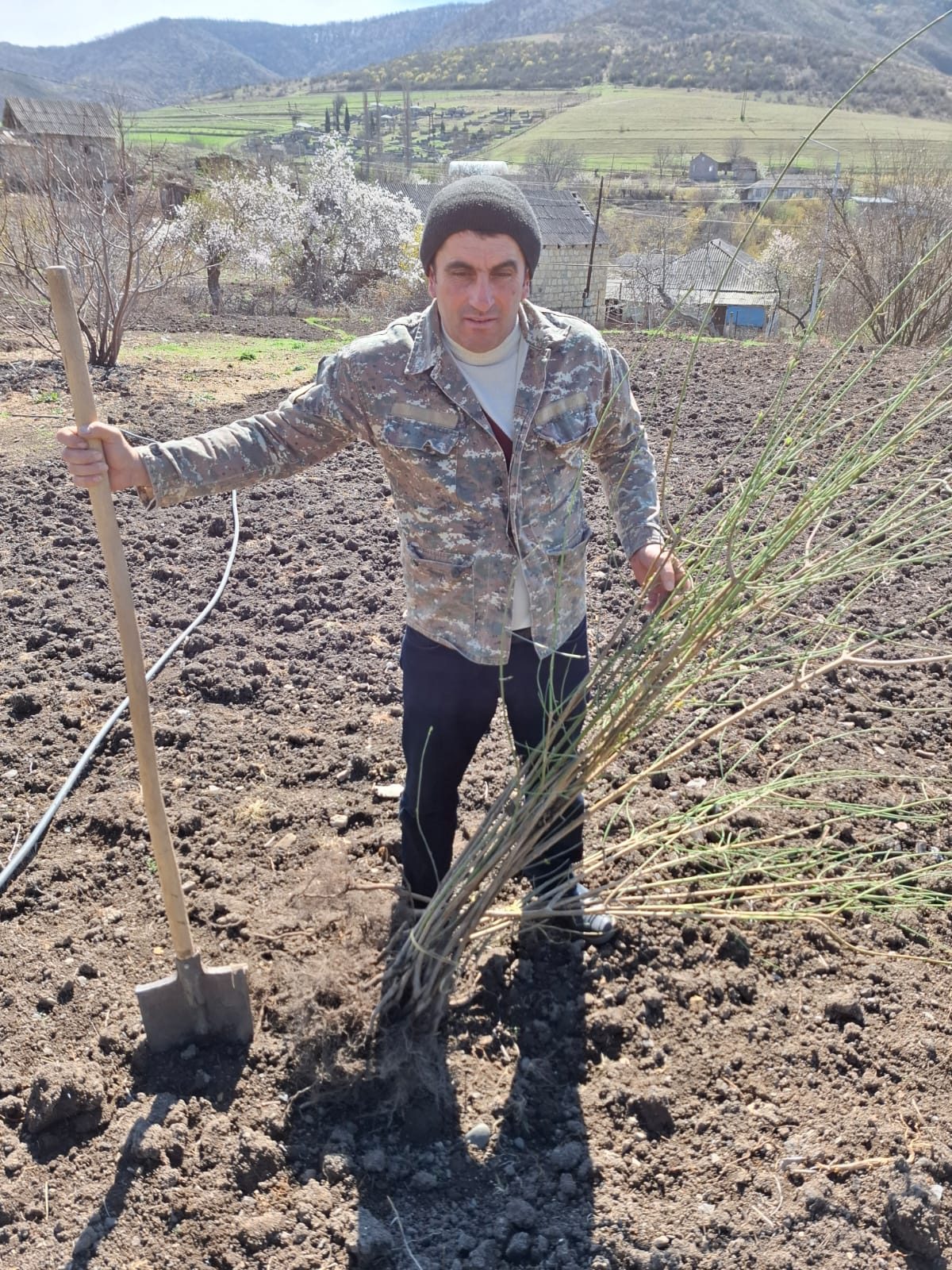
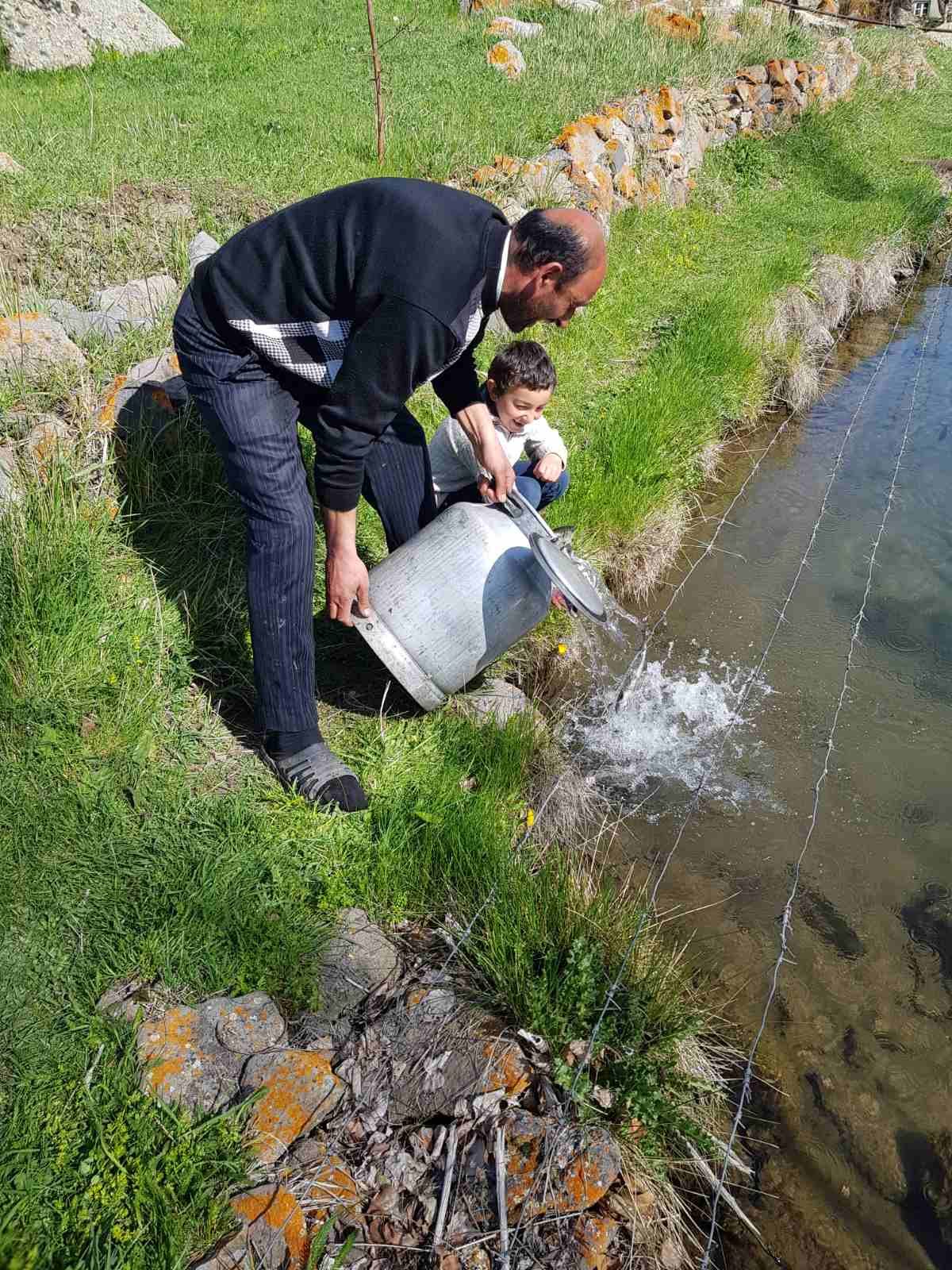
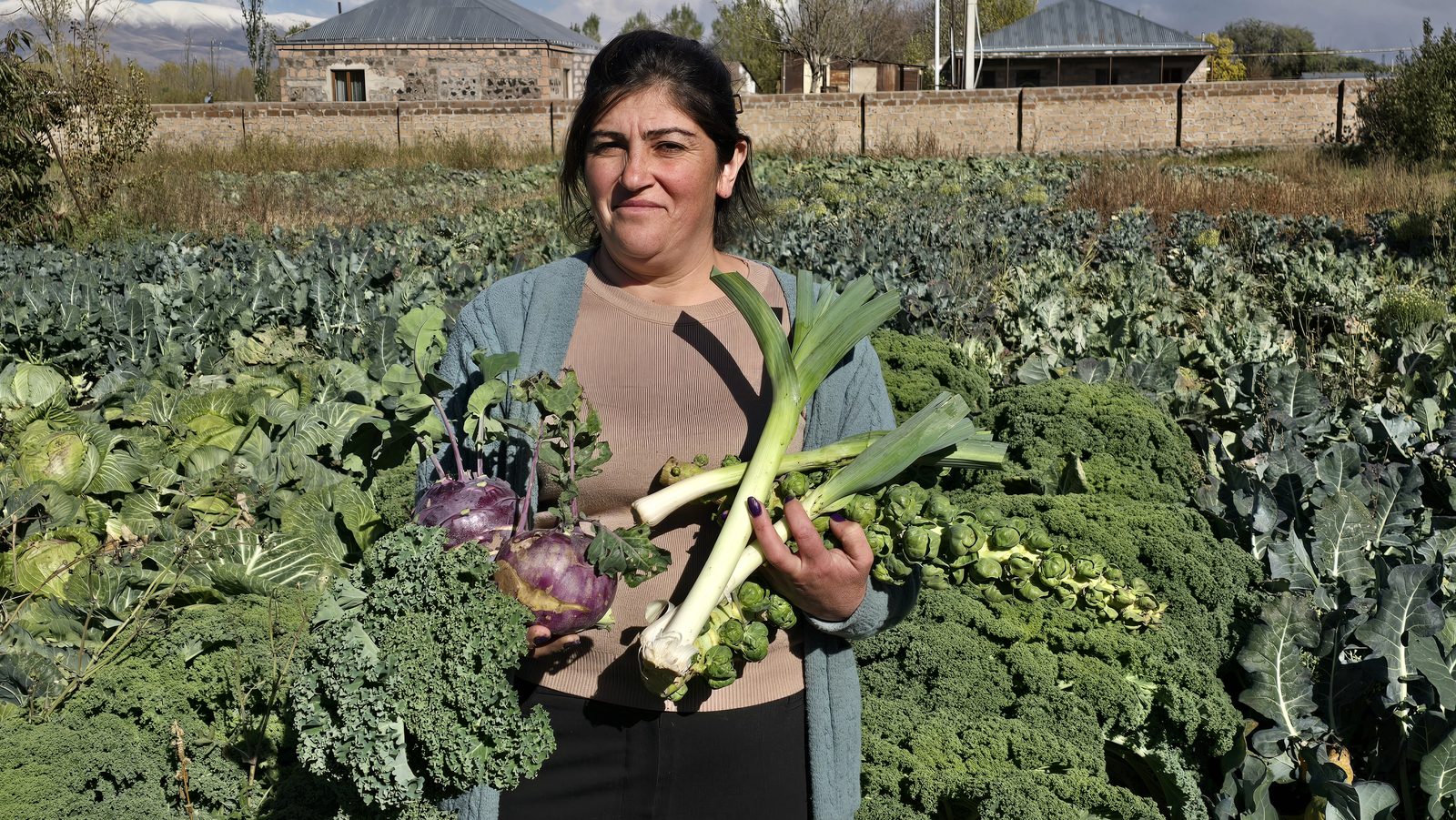
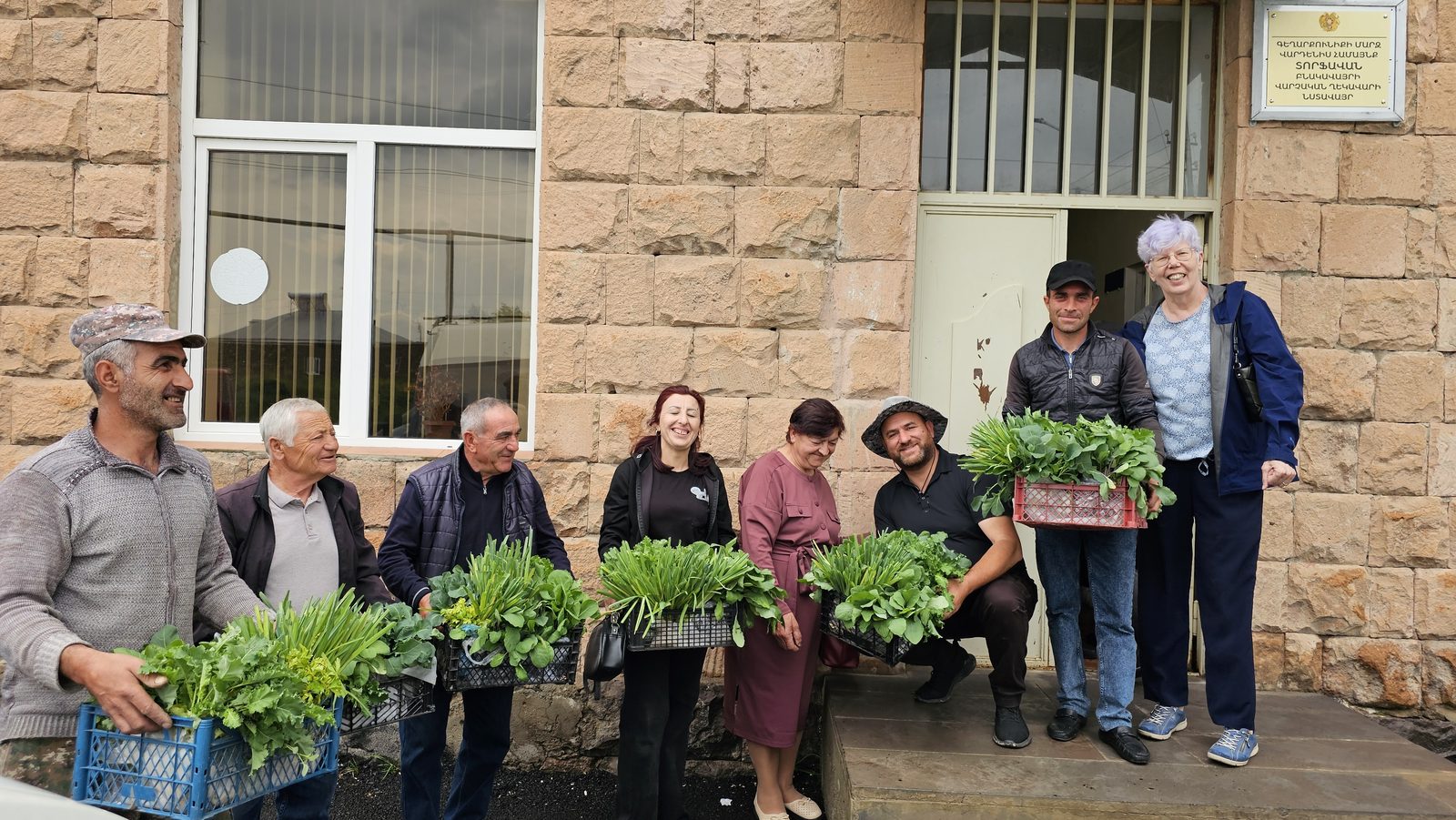
Little Bridge reaches the most vulnerable families and communities across Armenia, with food, medical care, energy support, and pathways to lasting stability.
20
Programs across 5 strategic pillars
86,500+
Beneficiaries reached directly
11
Regions of Armenia reached directly
3.35B
AMD disbursed (≈ US $8.6M)
Our Strategic Framework
Where we focus
Every disbursement falls under one of five pillars: a holistic model that moves families from crisis to long-term self-sufficiency.
Pillar I
🆘
Crisis Stabilization & Emergency Relief
Addressing acute, immediate vulnerabilities to secure the health, safety, and dignity of marginalized populations.
7 programs
Pillar II
🏗️
Economic Empowerment & Infrastructure Resilience
Transforming physical environments and equipping individuals with the assets needed for financial independence.
4 programs
Pillar III
🏥
Health, Education & Youth Development
Preserving human potential through medical care, educational access, and safe environments for the next generation.
5 programs
Pillar IV
🏘️
Refugee Integration & Transitional Support
Bridging the gap between the immediate trauma of displacement and the establishment of permanent, self-reliant roots.
2 programs
Pillar V
🌍
Climate and Crisis Resilient
Strengthening the environmental and structural resilience of communities to navigate the increasing frequency of climate-driven volatility and socioeconomic disasters.
2 programs
Explore Little Bridge
Everything we do, in one place
🌿
About Us
Who we are, where we came from, and the values that drive every disbursement we make across Armenia.
Read our story
📦
Programs & Services
20 aid programs, from food parcels and medical care to water infrastructure and agricultural livelihoods.
See all programs
📊
Five-Year Impact
86,500+ beneficiaries. 3.35 billion AMD delivered. Every disbursement tracked, categorised, and reported.
View the data
🗺️
Where We Work
347 tracked locations across all 11 of Armenia's regions, including the most remote highland communities.
Explore our reach
❤️
Donate
Support our work via card, Idram, PayPal, or bank transfer. Every contribution is tracked and reported.
Make a difference
🏚️
Refugee Support
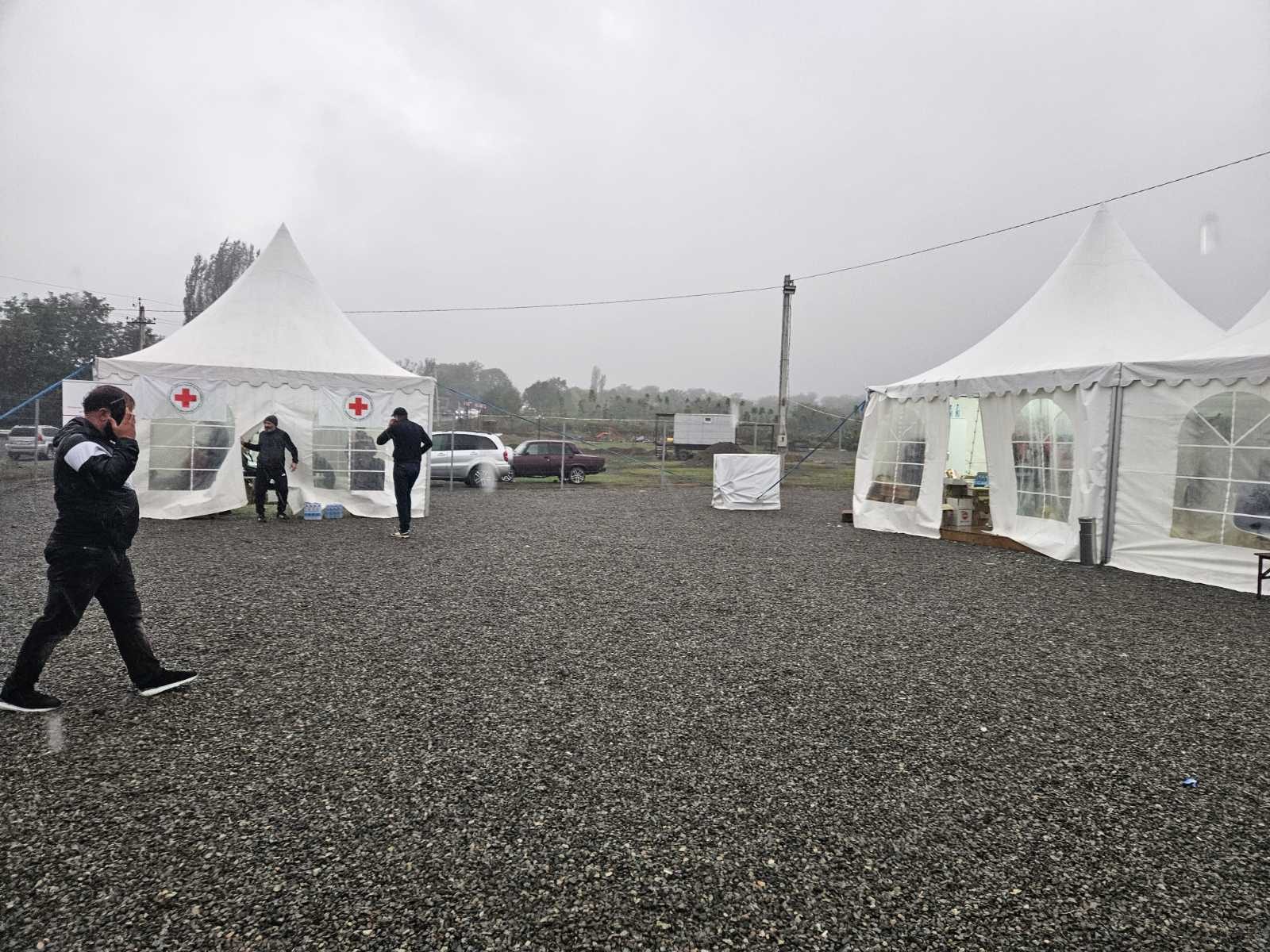
Emergency aid for displaced families, scaled rapidly after the 2023 Nagorno-Karabakh crisis and the 2024 Alaverdi floods.
Little Bridge has been delivering practical, dignified aid to Armenia's most vulnerable communities since 2004, tracking every disbursement so donors always know exactly where support goes.
Our Mission
Reaching those who fall through the cracks
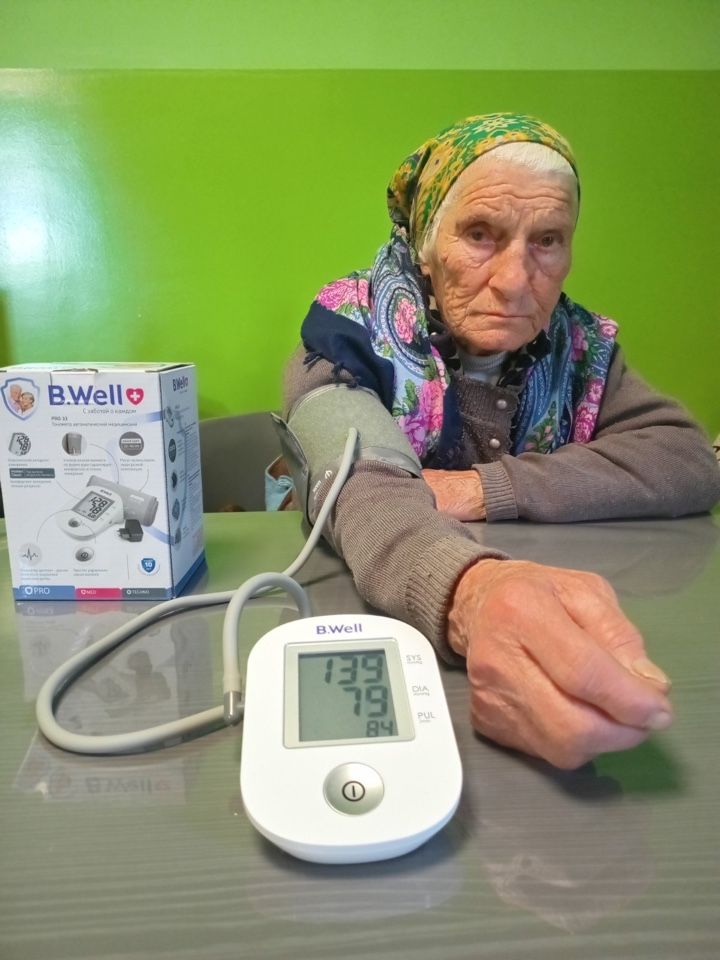
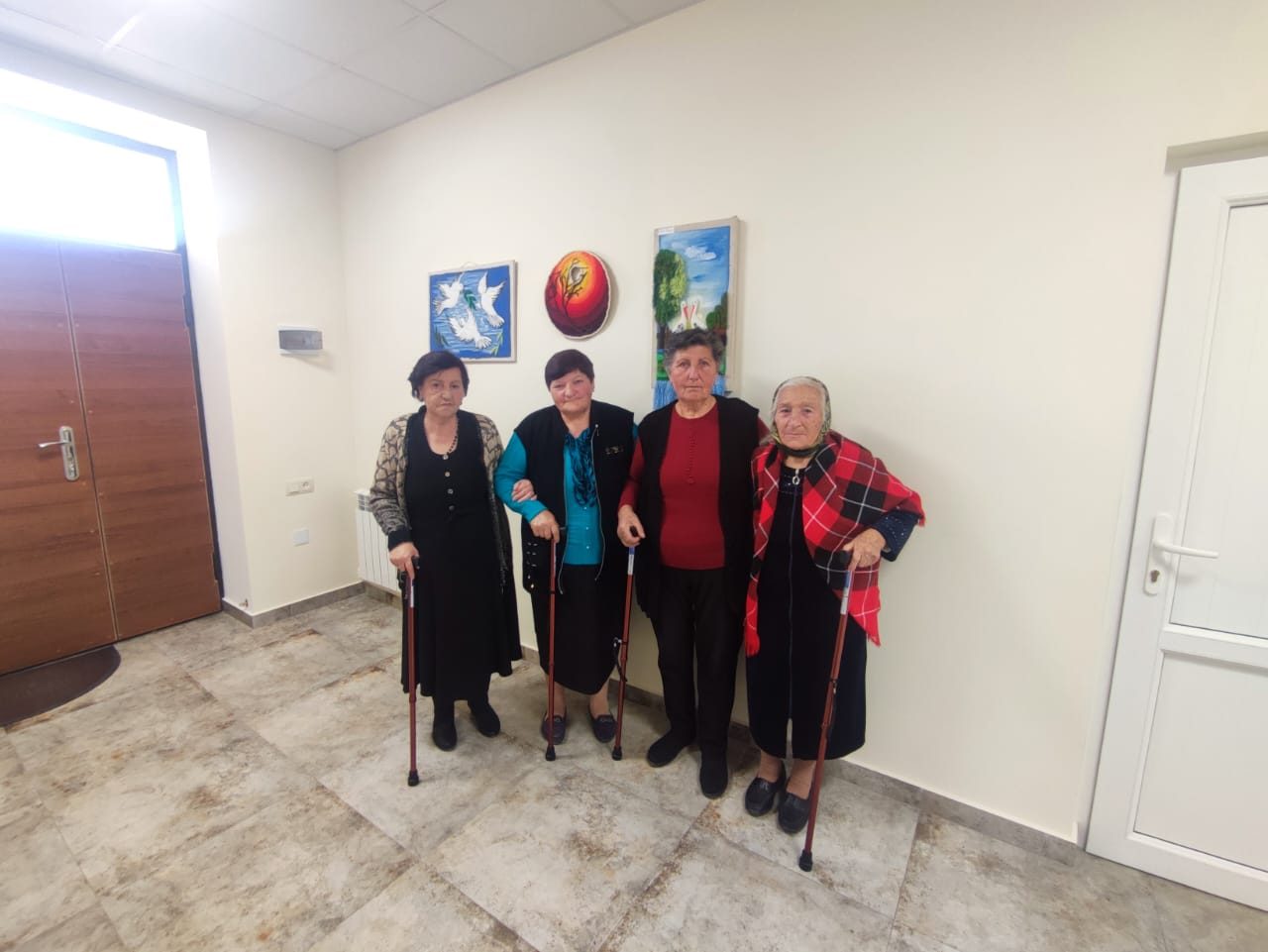
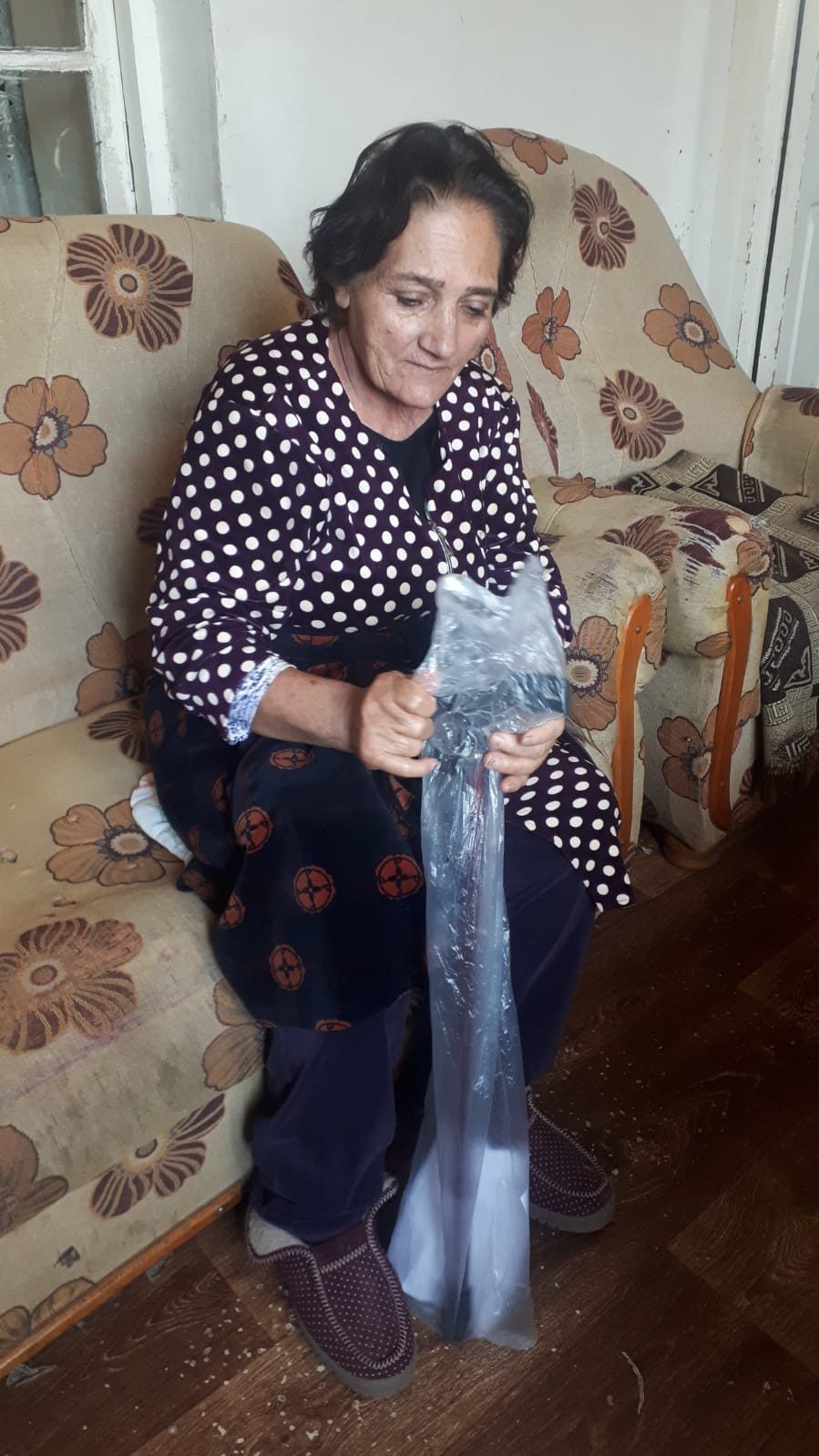
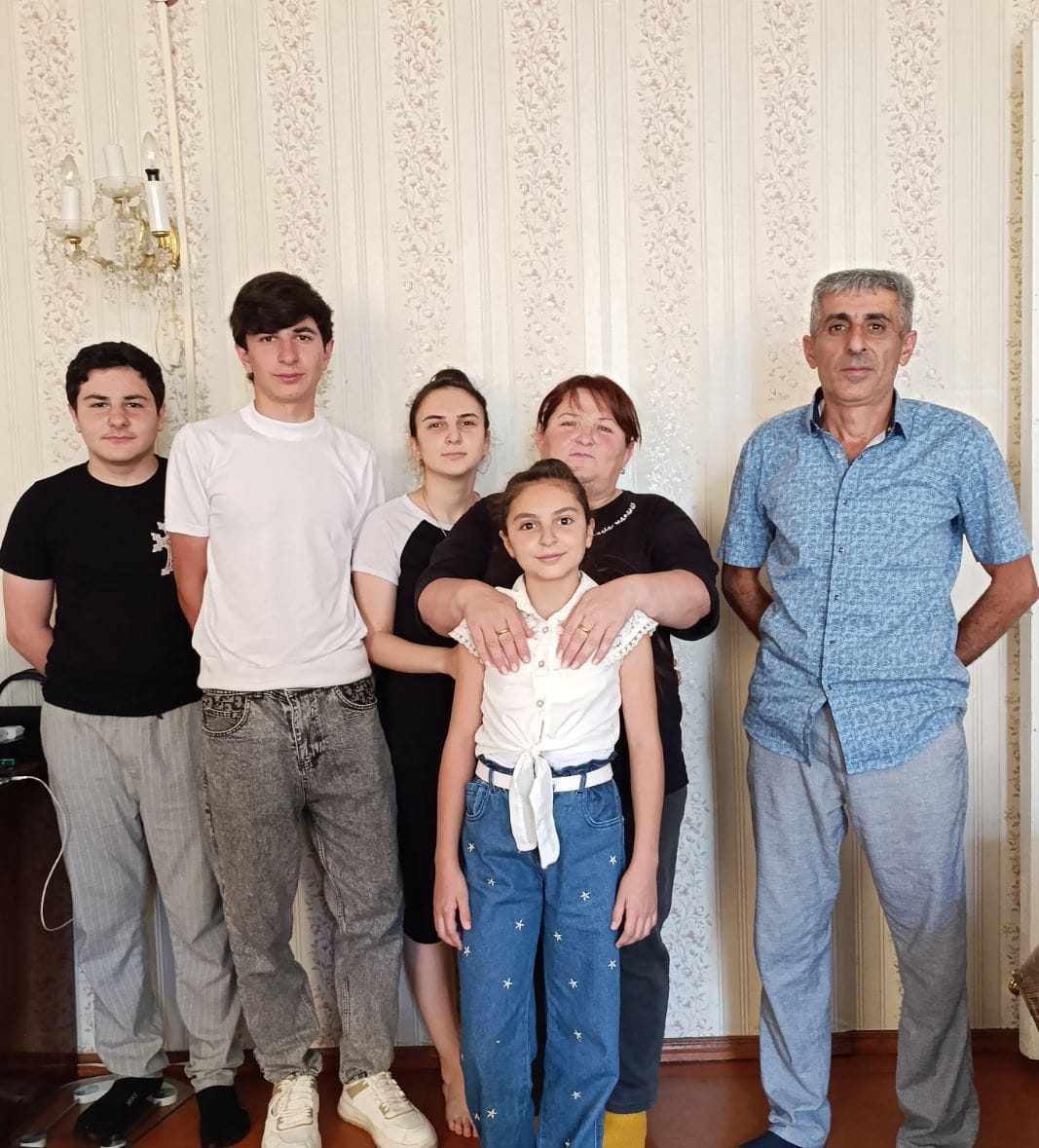
We exist for families who go unnoticed by larger aid systems: the elderly without family support, children in remote villages, refugees displaced by conflict, and households unable to heat their homes.
Every disbursement between 2021 and 2025 is recorded, categorised, and reported to our donors and the public.
🤝
Community-First
The organisation leads every decision from within. We serve; we don't prescribe.
📋
Transparent
Every disbursement is categorised, tracked, and reported openly.
🌿
Sustainable
We invest in agriculture and skills for long-term family resilience.
🏔️
No One Left Behind
From Yerevan to the most remote mountain villages, we go where others don't.
Every person helped is a bridge between what is and what could be: a life lived with dignity, warmth, and hope.
Founded in 2004, Little Bridge has grown from a conviction that vulnerable families are consistently overlooked. With backing from international donors and partners, our field teams work directly in communities across Armenia's 11 regions, from flood-hit Alaverdi to the highland villages of Gegharkunik, Sisian in Syunik to the border communities of Tavush.
About Little Bridge NGO
From connecting nation to nation, people to people, and heart to heart
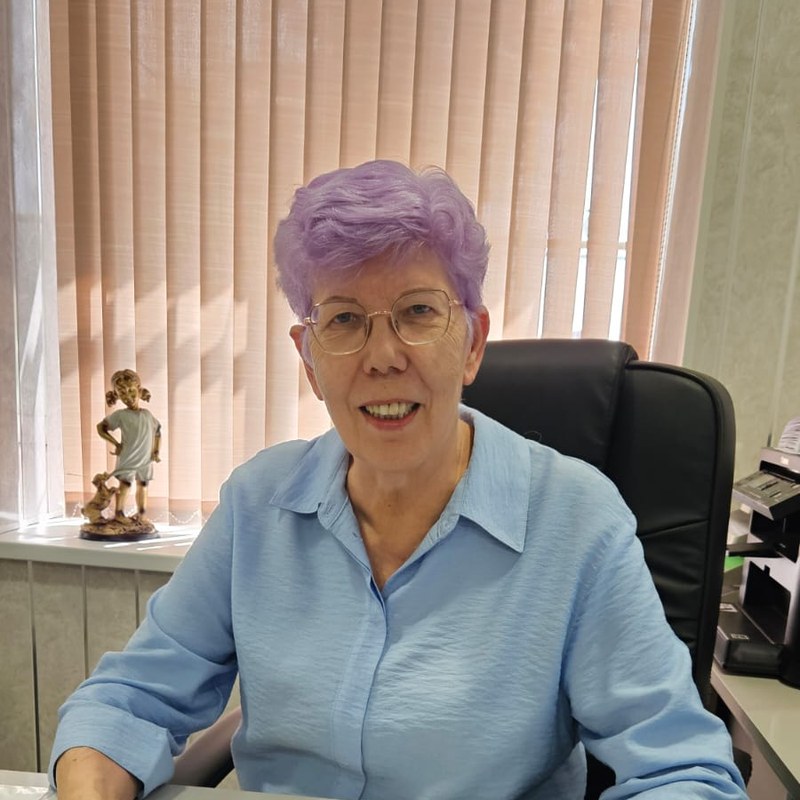
Established in 2004, Little Bridge Charitable NGO operates under the leadership of Founder-President Maria Gerarda Johanna Goris as a strategic conduit between global humanitarian resources and Armenia's most marginalized communities. For two decades, we have built a proven track record of high-impact humanitarian and community development, working across all 10 provinces of Armenia to implement holistic models of rural and urban stability.
We are dedicated to facilitating a systemic transition from poverty to long-term self-sufficiency by restoring human dignity through essential services, sustainable livelihoods, and infrastructure modernization, cultivating enduring connections that empower individuals to transcend poverty toward a future defined by independence, resilience, and hope.
Core Strategic Directives
Our Mandate
We serve as a catalyst for community-led transformation, moving beyond passive aid to foster long-term self-sufficiency and resilience. Our mission is to bridge the gap between crisis and stability by empowering local populations, protecting essential human capital, and building infrastructure that endures.
Our Strategic Objective
To dismantle barriers to prosperity by ensuring every individual, regardless of geography, possesses the structural support and resources required to secure an independent future.
Operational Goals
Nine commitments that guide every intervention we make.
1
Secure foundational well-being by providing rapid, reliable access to essential nutrition, shelter, and medical care for households in crisis, establishing a stable base for long-term recovery.
2
Preserve human capital and dignity by ensuring no citizen is forced to choose between basic survival and long-term well-being.
3
Modernize critical infrastructure to link remote communities with essential services, reducing regional disparities and fostering inclusive economic growth.
4
Advance environmental stewardship by preserving and restoring natural resources, including sustainable water management and climate- and crisis-resilient agricultural practices.
5
Develop inclusive, barrier-free community spaces that leverage technology to promote social interaction, digital literacy, and psychosocial resilience across all age groups.
6
Empower the next generation by investing in education and sustainable livelihood development that transform reliance into long-term independence and opportunity.
7
Cultivate local economic independence by establishing community-owned cooperatives that generate sustainable, internal revenue to maintain essential public services.
8
Advance gender equity through targeted interventions that address structural exclusion and elevate the role of women and girls as primary drivers of social and economic progress.
9
Utilize monitoring, evaluation & learning (MEL) frameworks to measure socioeconomic outcomes, ensuring transparency and accountability in every humanitarian intervention.
Our History
Two decades of service, 2004–2025
2004: Foundation
Little Bridge Social Charitable NGO is established in Yerevan by Founder-President Maria Gerarda Johanna Goris, with a founding mission to bridge global humanitarian resources with Armenia's most underserved communities.
2004–2010: Early Outreach
Initial programming focuses on food security, basic household support, and medical referrals in Yerevan and the Shirak region. Partnerships with local churches and community leaders establish the trust networks that underpin all future field operations.
2010–2015: Regional Expansion
Field operations expand southward into Syunik, reaching Sisian and Goris, and northeast into Lori and Tavush. The Gyumri office opens, becoming our primary operational hub outside the capital.
2015–2020: Infrastructure & Livelihoods
A strategic shift toward long-term self-sufficiency: water infrastructure projects launch in Gegharkunik and Lori, agricultural seedling and livestock programs begin in Armavir, and the first vocational training cohorts are delivered in partnership with local schools.
2021: Aid Program Launch
Our structured, database-tracked aid program launches with a full framework of program categories, reaching 17,576 beneficiaries. Core programs include food, medical aid, clothing, housing, and water infrastructure projects in Spitak and Gyumri.
2022: Expanding Energy Support
We expand into electricity bill payments, a new program that grows quickly. Gas support triples from 2021. The year reaches 20,695 beneficiaries, the highest count to that point.
2023: Refugee Crisis Response
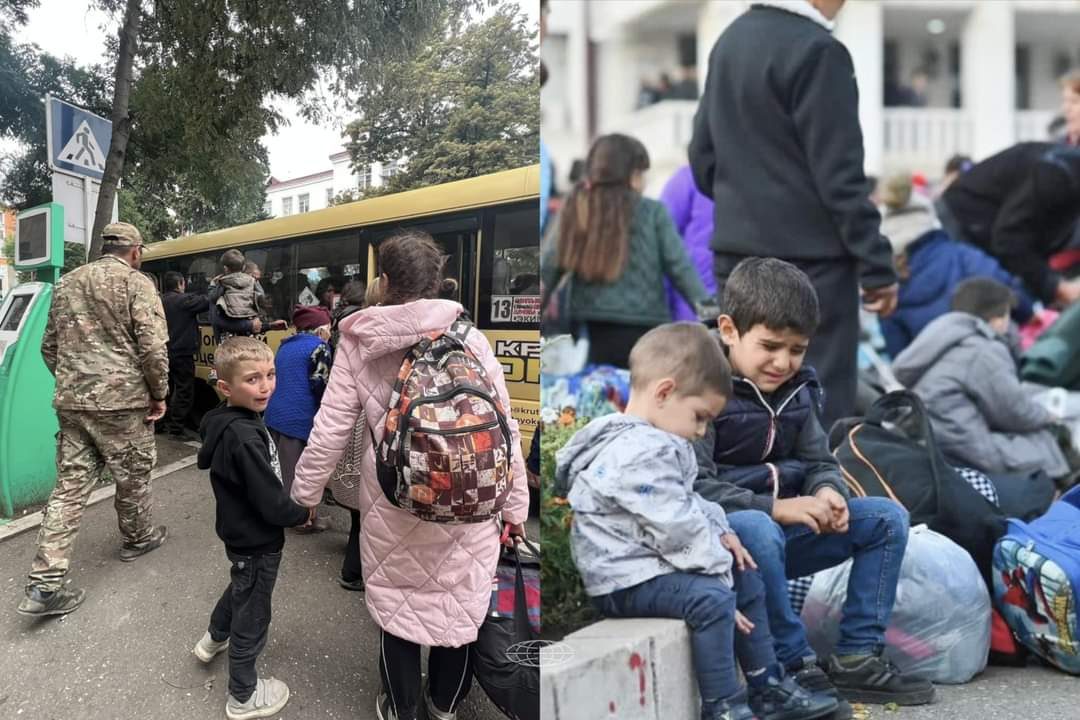
The Nagorno-Karabakh displacement crisis demands a rapid response. We launch dedicated refugee support from zero, while electricity payments scale up sharply to meet the increased winter demand.
2024: Disaster Response & Growth
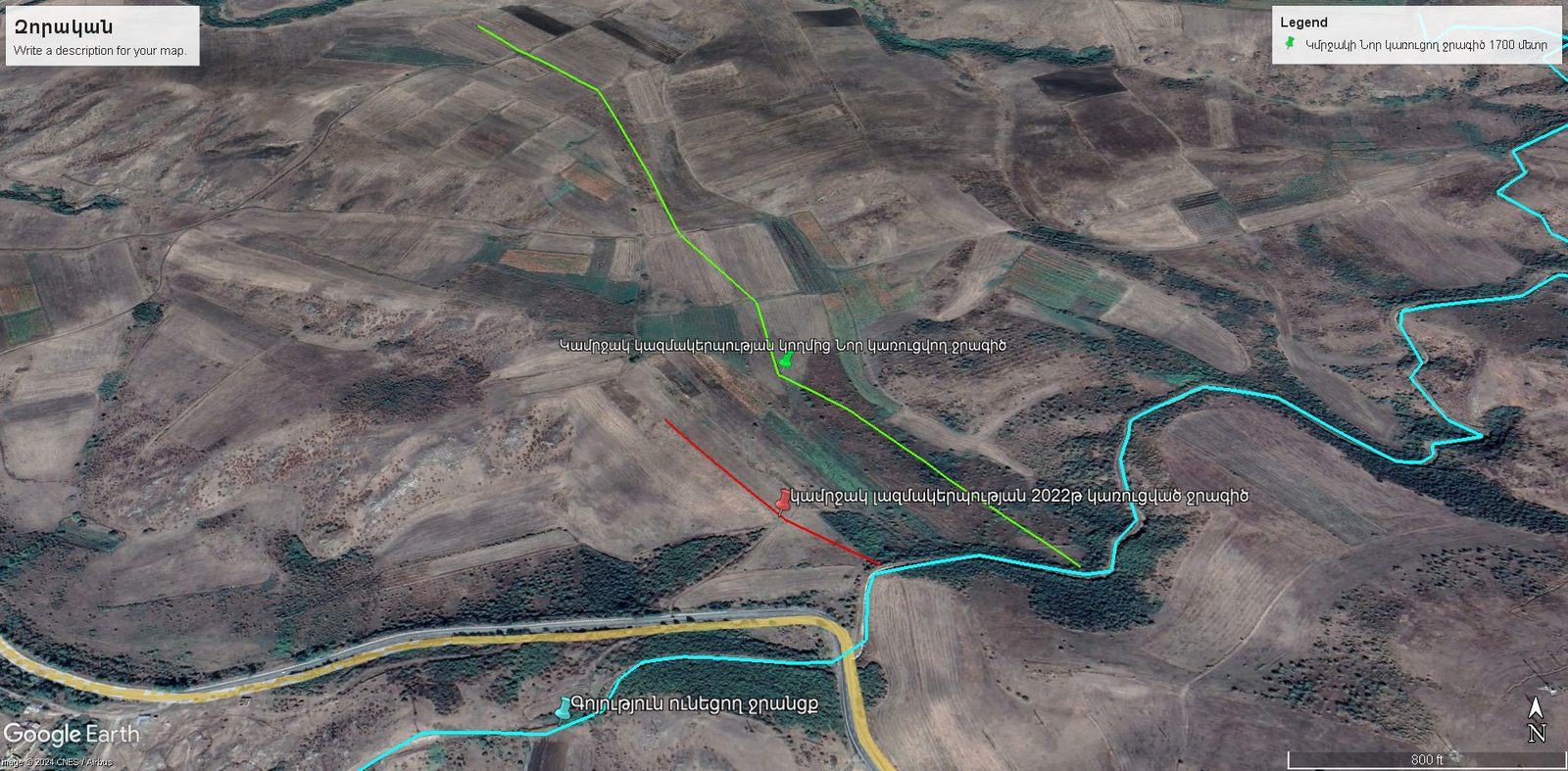
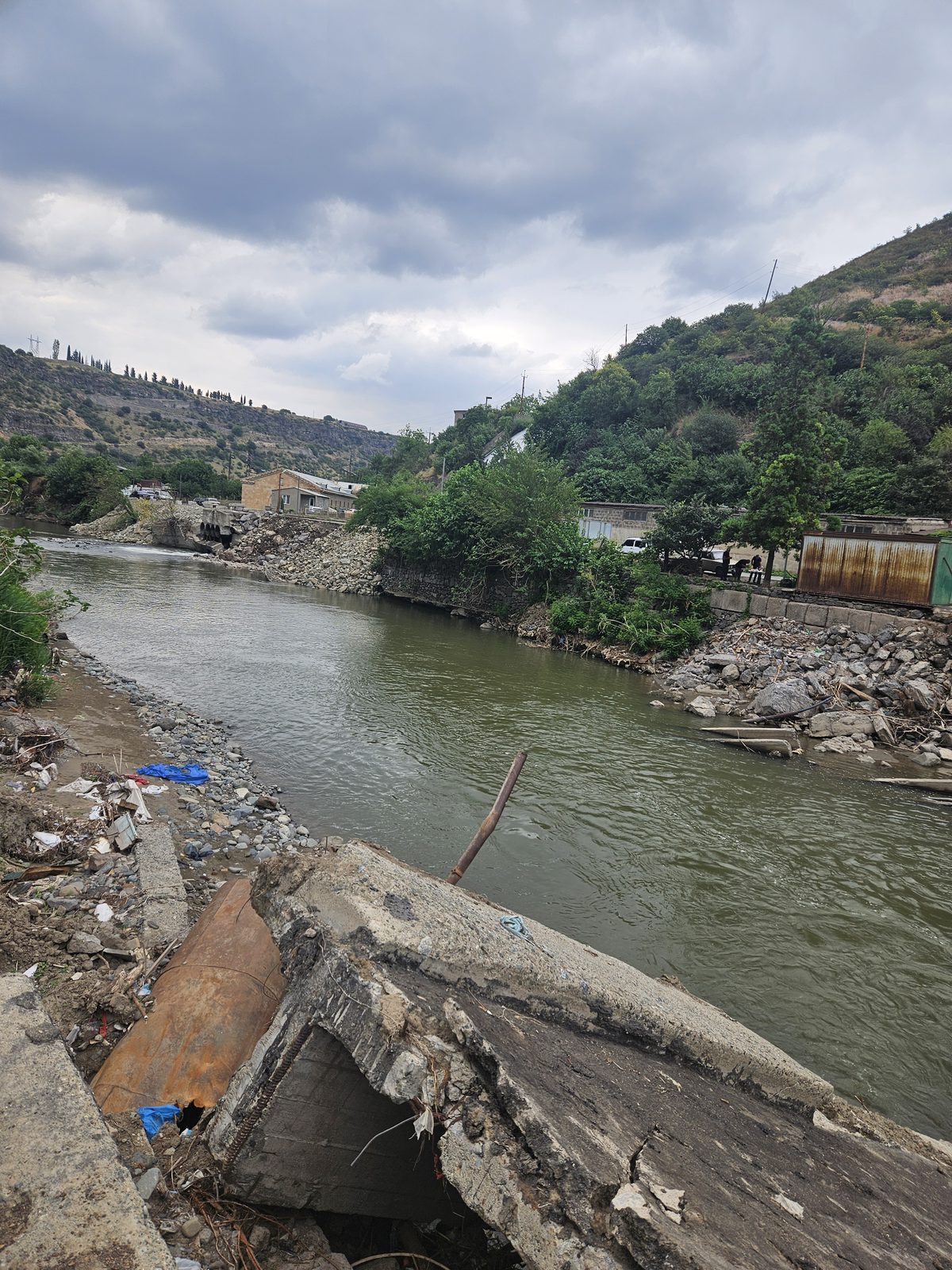
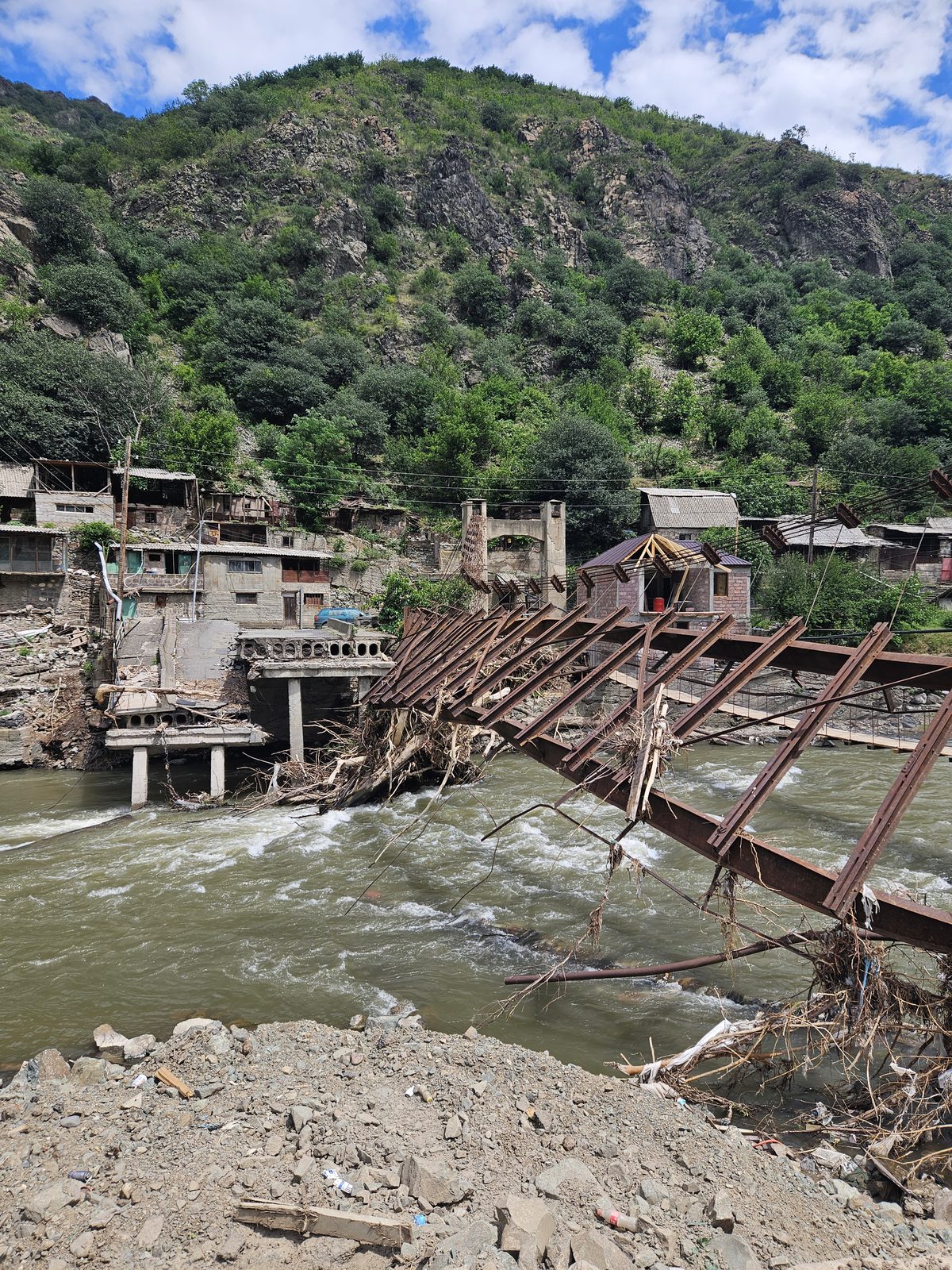
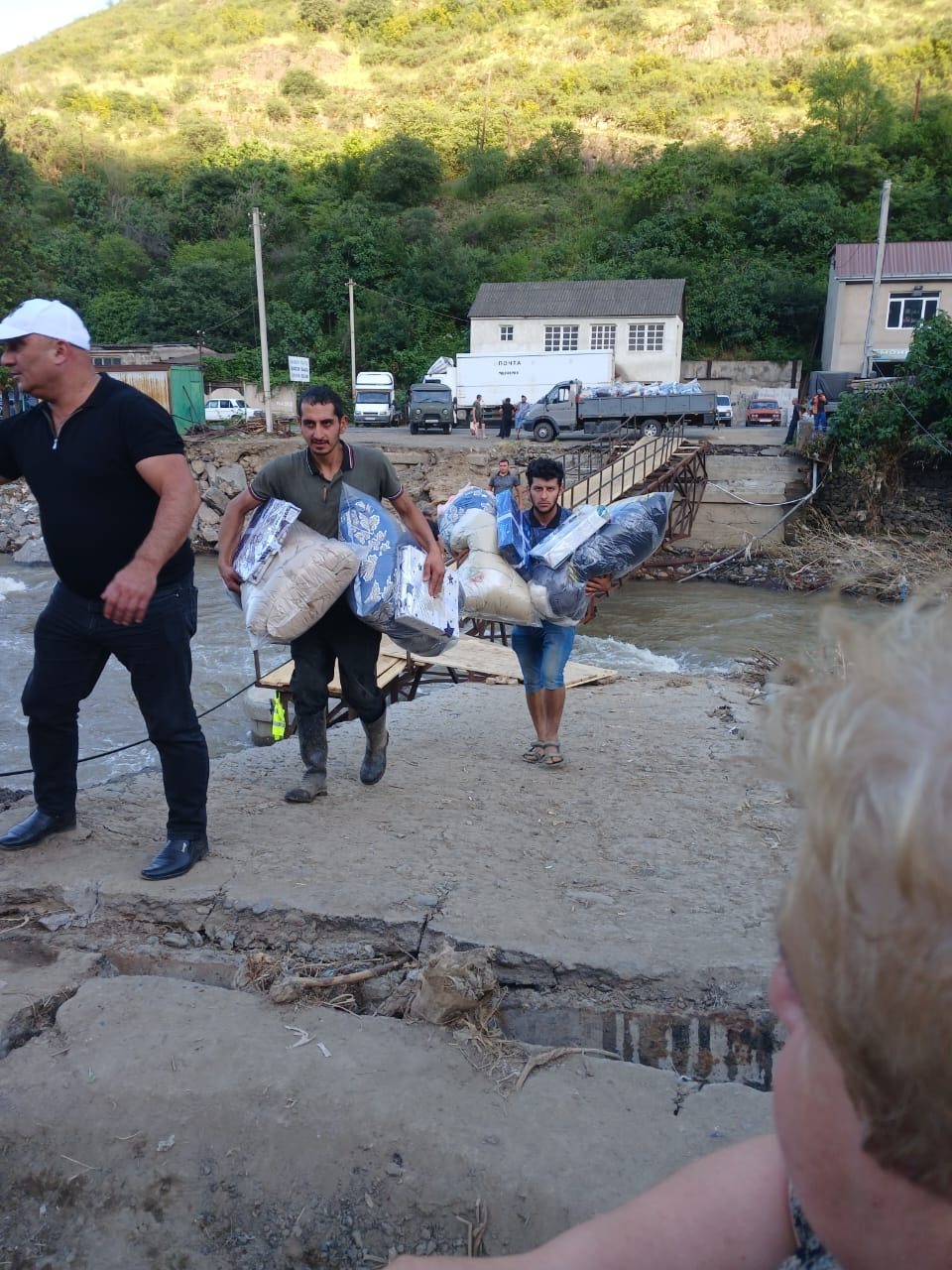
Flooding in Alaverdi triggers a major emergency response. Refugee support reaches its peak, and the Zorakan irrigation project launches. Agriculture expands significantly as climate adaptation becomes a clear strategic priority.
2025: Record Year
Our most active year by reach: a record 26,272 beneficiaries. Agriculture continues to grow, energy support expands, and student scholarships and winter aid distributions both broaden significantly.
Governance
Board of Directors
Little Bridge is governed by a six-member Board of Directors that provides strategic oversight, fiduciary accountability, and long-term direction for the organisation.
Goris Maria
President & CEO
Founder of Little Bridge in 2004. Provides overall strategic, operational, and programme leadership, driving the organisation's mission to deliver dignified, direct aid across Armenia.
Asatryan Robert
Legal Advisor / Advocacy & Ethics Officer
Oversees legal compliance, organisational ethics, and advocacy strategy. Ensures all operations align with Armenian law and international humanitarian standards.
🎓
Bakhshyan Anahit
Education Program Manager / Capacity Building Coordinator
Leads educational programming and capacity-building initiatives, from student scholarship placements to vocational training and youth development projects.
📊
Ghazaryan Artavazd
Finance Manager / Grants & Compliance Officer
Manages financial planning, donor grant compliance, audit processes, and ensures full transparency in the reporting of all programme expenditure.
Khachatryan Artush
Agricultural Development Officer / Livelihoods Specialist
Designs and oversees agricultural and livelihoods programmes, including seed distribution, irrigation infrastructure, and cooperative enterprise development.
Arustamyan Hayrapet
WASH Technical Advisor / Water Infrastructure Project Manager
Leads water, sanitation, and hygiene (WASH) technical assessments and manages the delivery of water infrastructure projects across rural communities.
Our Team
Staff
The members of the organisation undertake all operations in the field, delivering Little Bridge’s work across Armenia every day.
Dallakyan Margarit
Finance & Administrative Officer
Sargsyan Hamlet
Administrative Officer & Economist
Grigoryan Zhenya
Regional Operations Manager (Gyumri)
Samantha Grace
Programs Coordinator
🏥
Mkrtchyan Meline
Program Manager – Elderly Care
🫶
Yeghiazaryan Lusine
Field Coordinator – Elderly Care
🫶
Sevoyan Lusine
Field Coordinator – Elderly Care
Our People
Our People & Field Presence
🏛️
Yerevan Office
Central Coordination
Headquarters managing donor relations, programme strategy, financial reporting, and partnerships across all regions.
Little Bridge Social Charitable NGO Building No. 23, Flat No. 27 Dro Street, Yerevan, Armenia 0069 Phone: (+374) 11 516 014
🏙️
Gyumri Office
Shirak Region
Our regional hub for Gyumri and surrounding communities, one of our highest-volume regions for food, medical, and clothing aid.
20 programs of humanitarian aid, from emergency food parcels and winter heating bills to irrigation infrastructure and university scholarships. All figures drawn directly from our 2021–2025 project records.
Where We Focus
Five pillars. Twenty programs.
Our work is organised into five strategic pillars, from immediate crisis relief to long-term climate resilience. Select any program to read its full situation analysis, our intervention, and the sustainable impact it delivers.
Pillar I
🆘 Crisis Stabilization & Emergency Relief
Addressing acute, immediate vulnerabilities to secure the health, safety, and dignity of marginalized populations.
In many regions of Armenia, systemic poverty and localized economic stagnation have left families grappling with severe food insecurity. From the post-industrial neighborhoods of Gyumri and Sisian to the geographically isolated, harsh terrains of Gegharkunik's remote villages, vulnerable households, particularly the elderly and families with multiple dependents, often lack the resources to meet their baseline nutritional requirements. This chronic instability forces families to divert scarce funds away from education and healthcare, perpetuating a cycle of poverty.
Action & Intervention
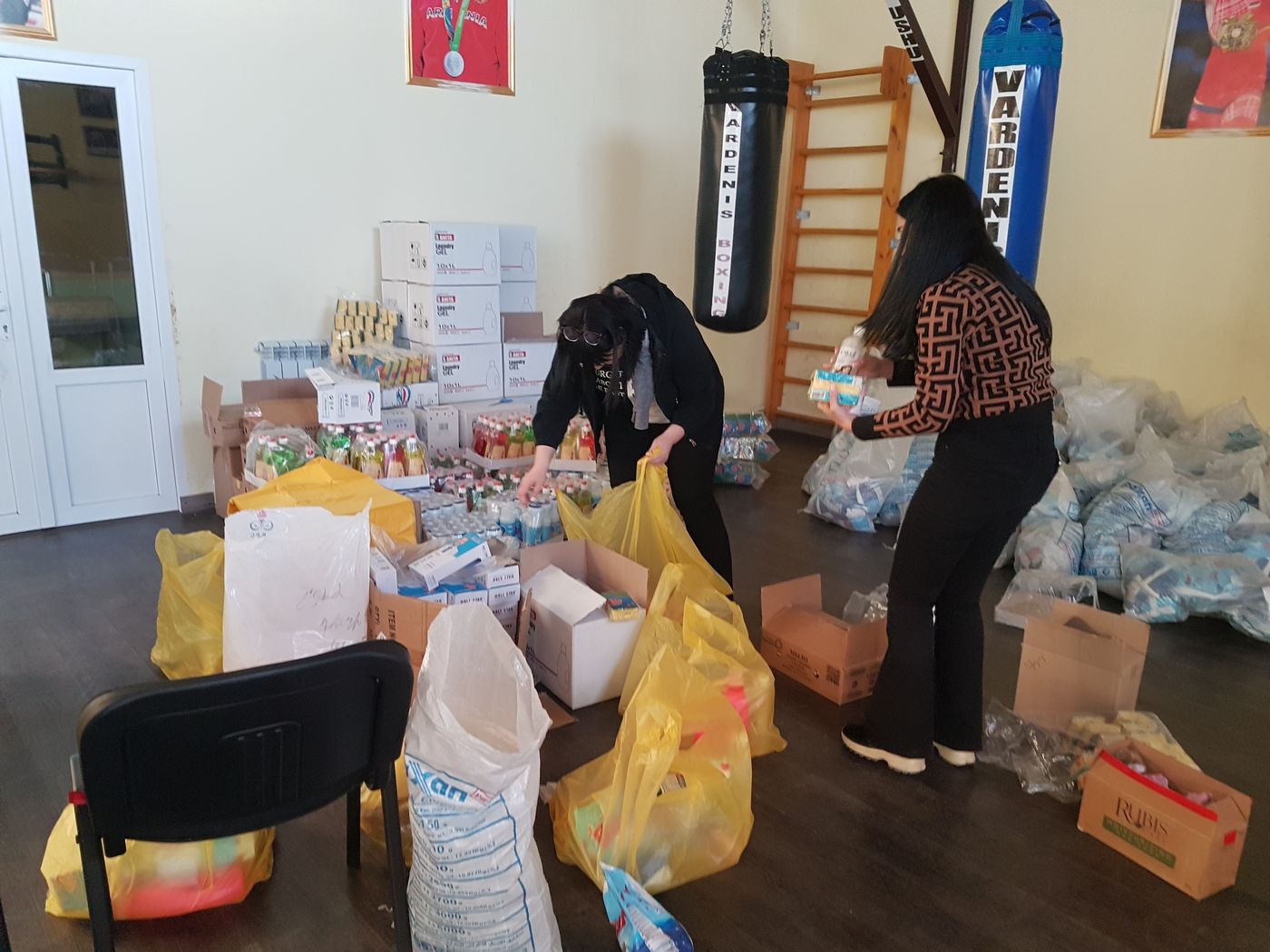
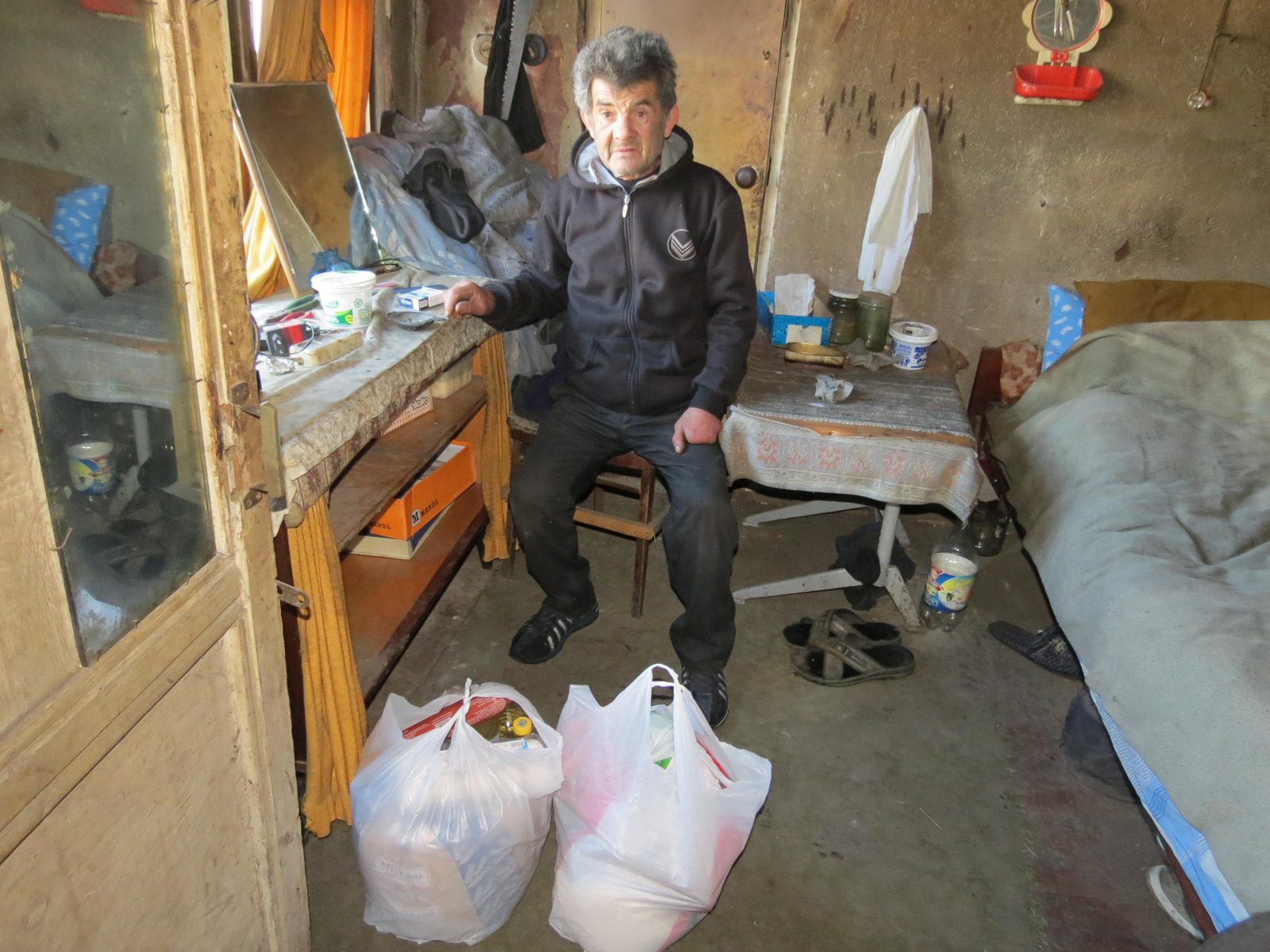
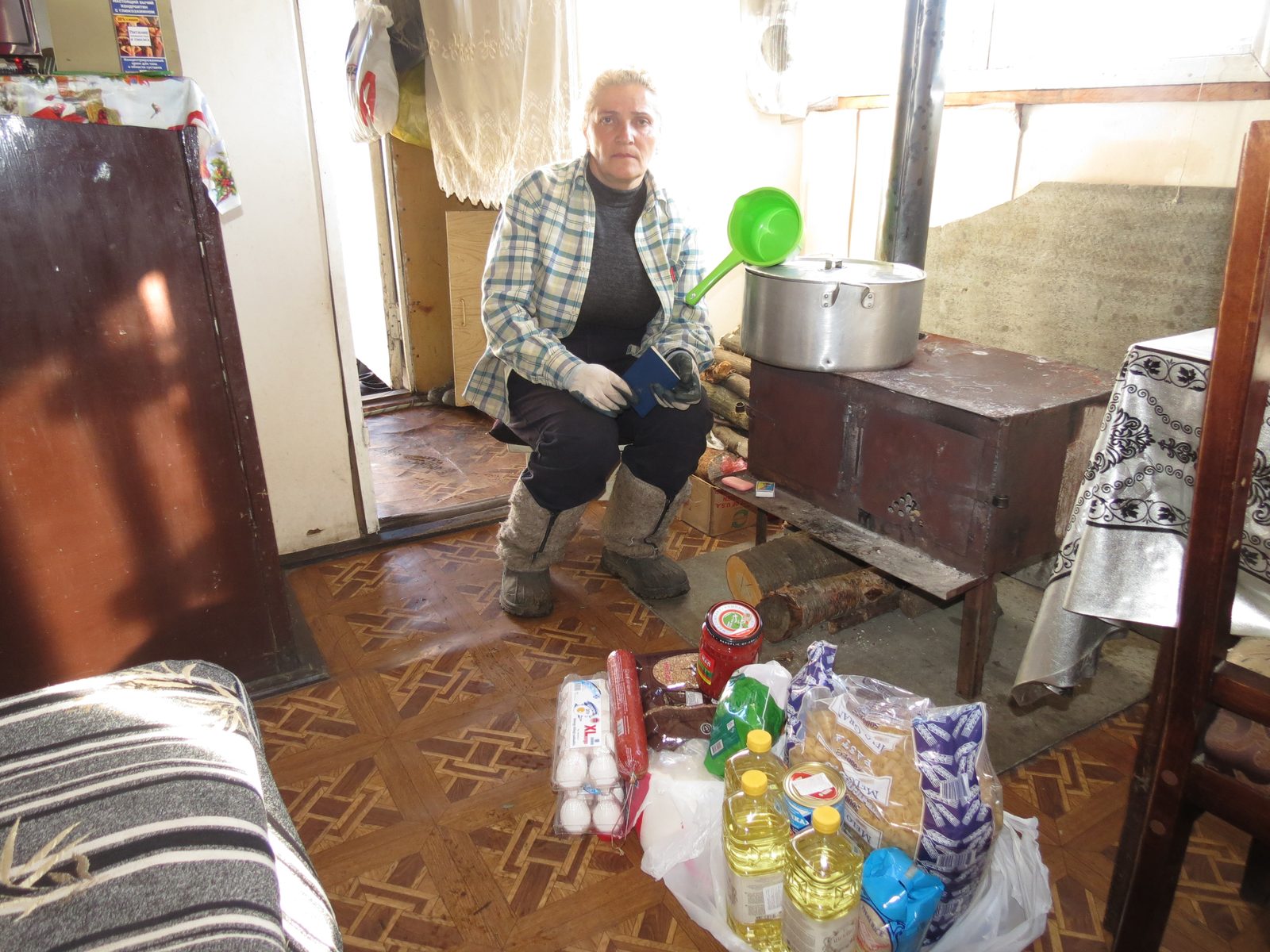
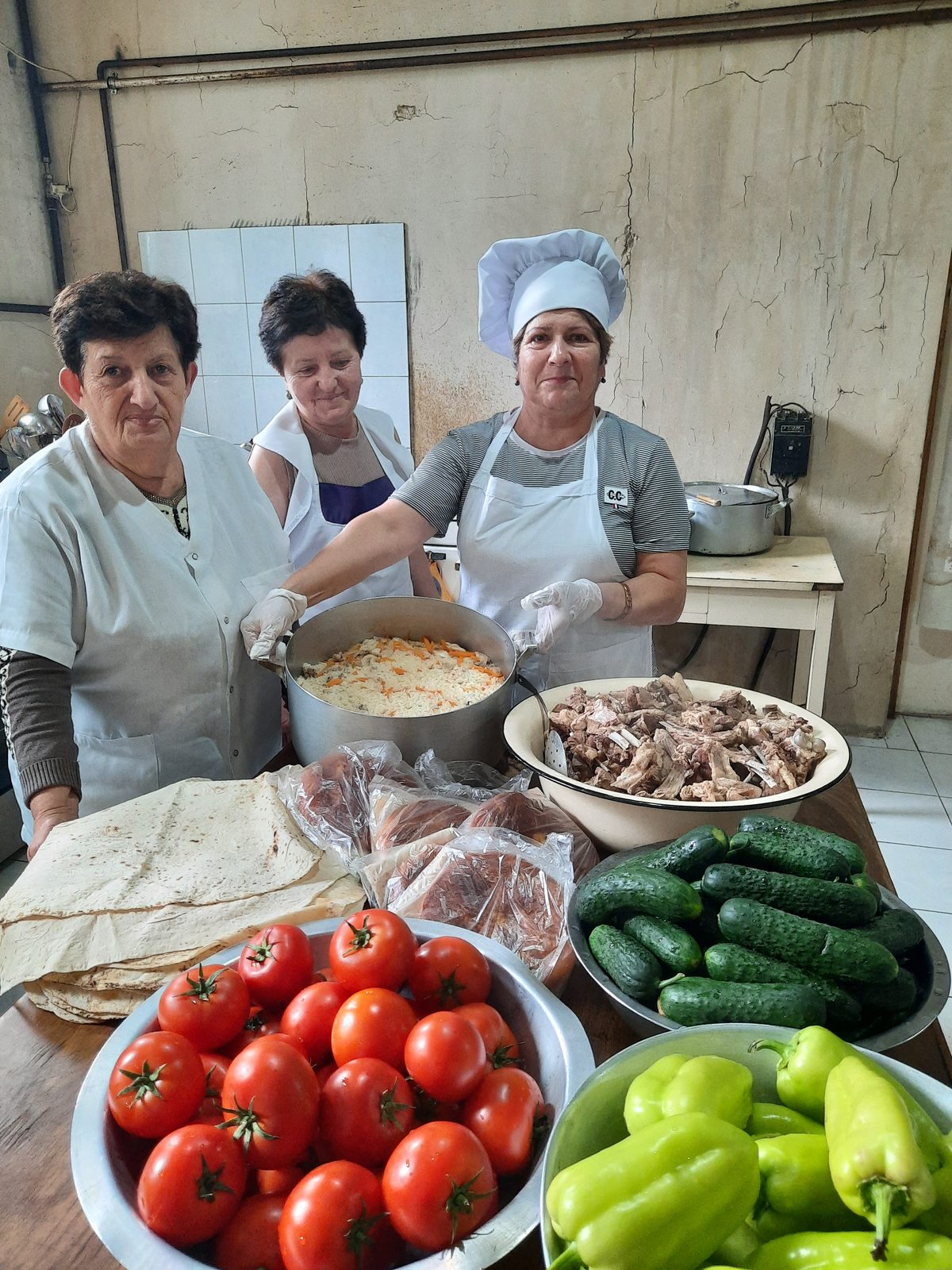
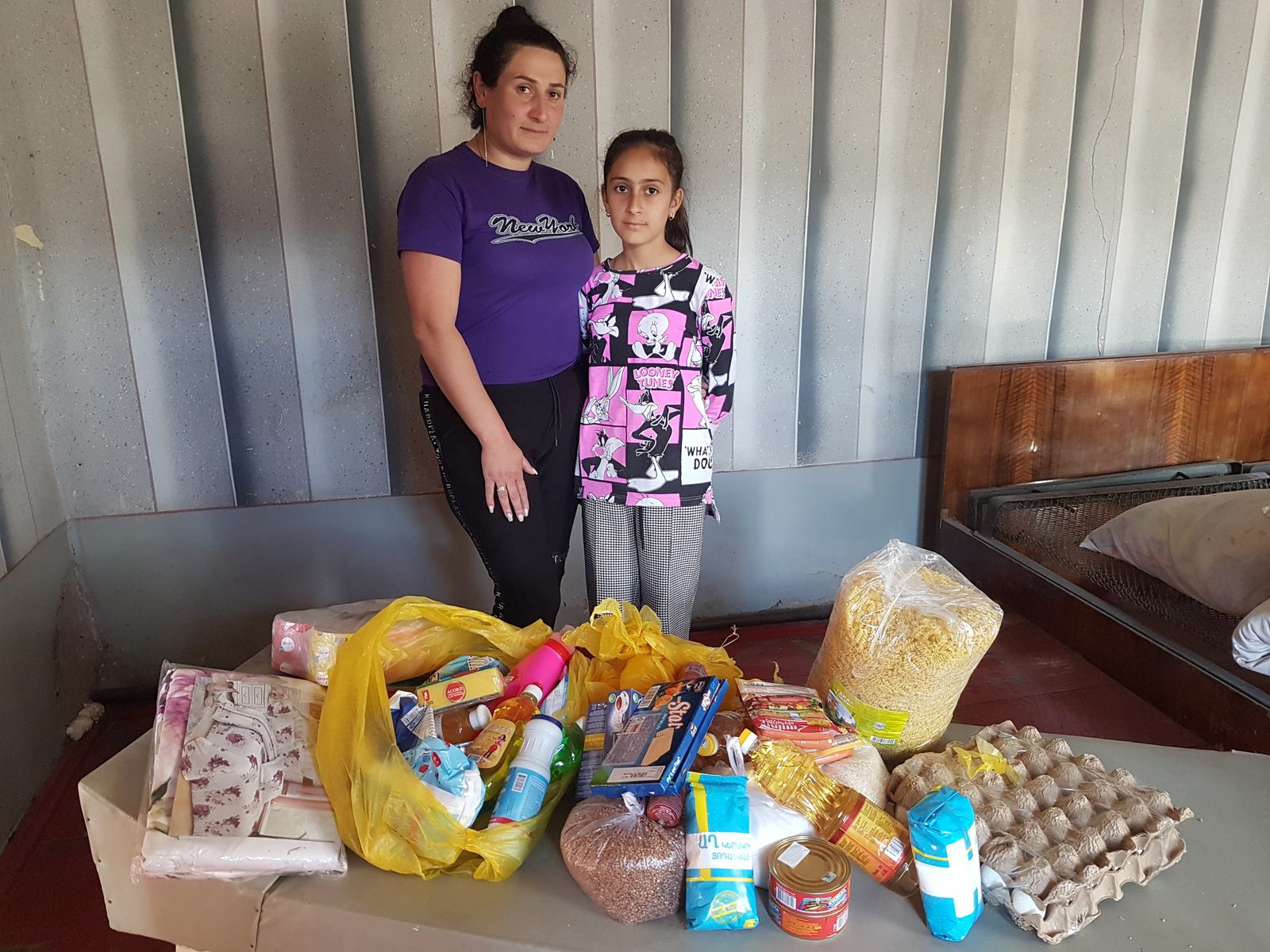
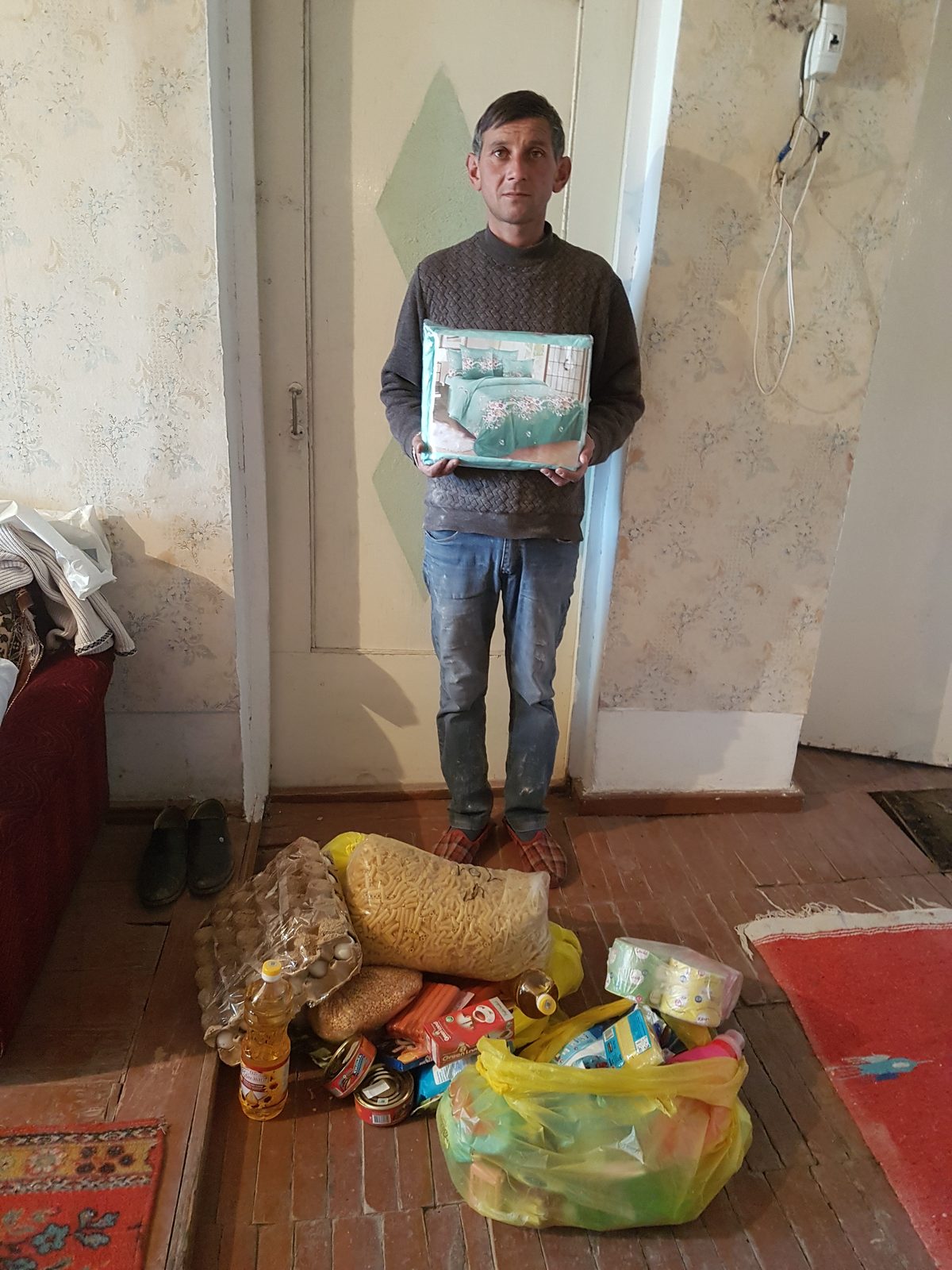
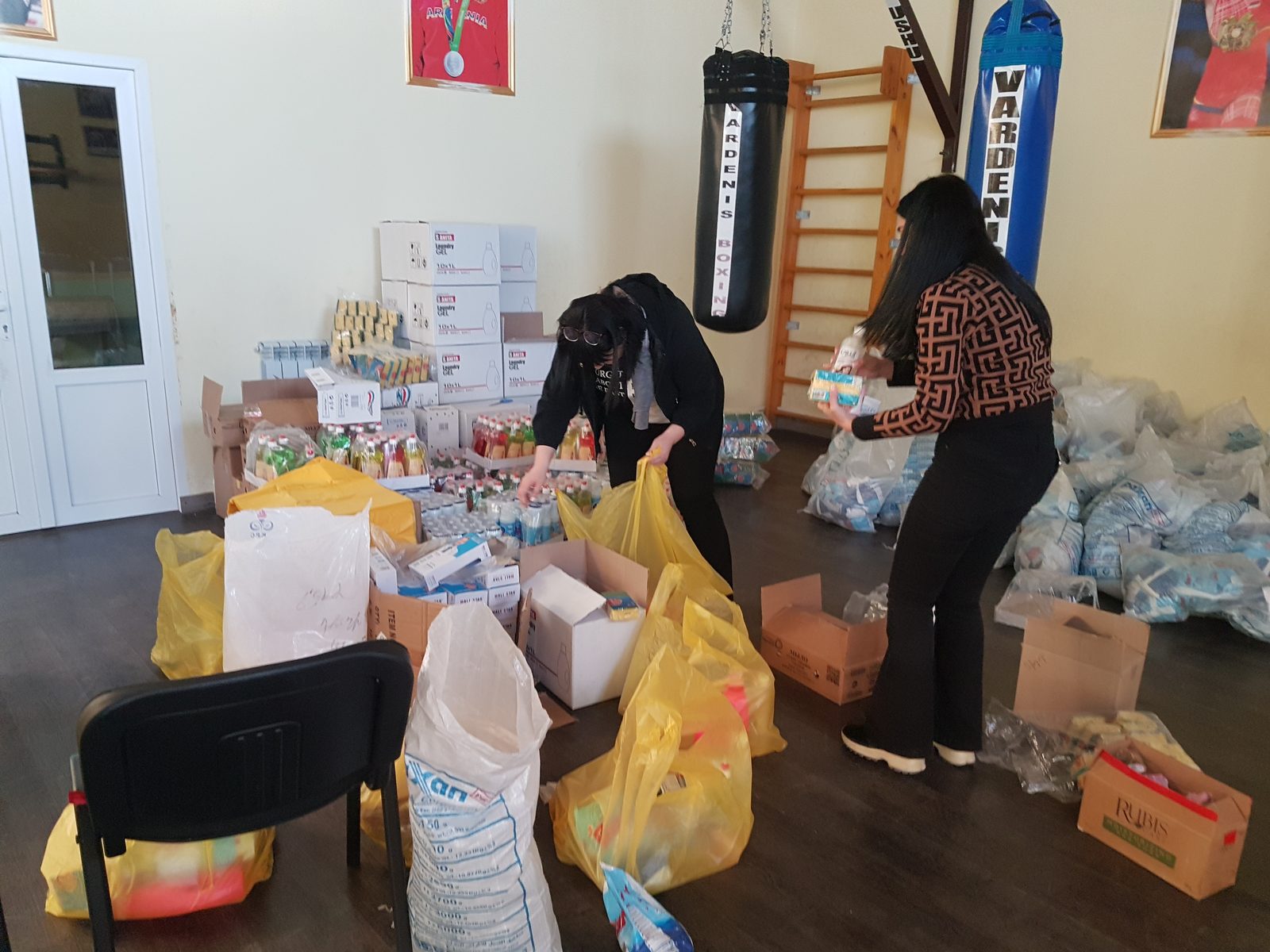
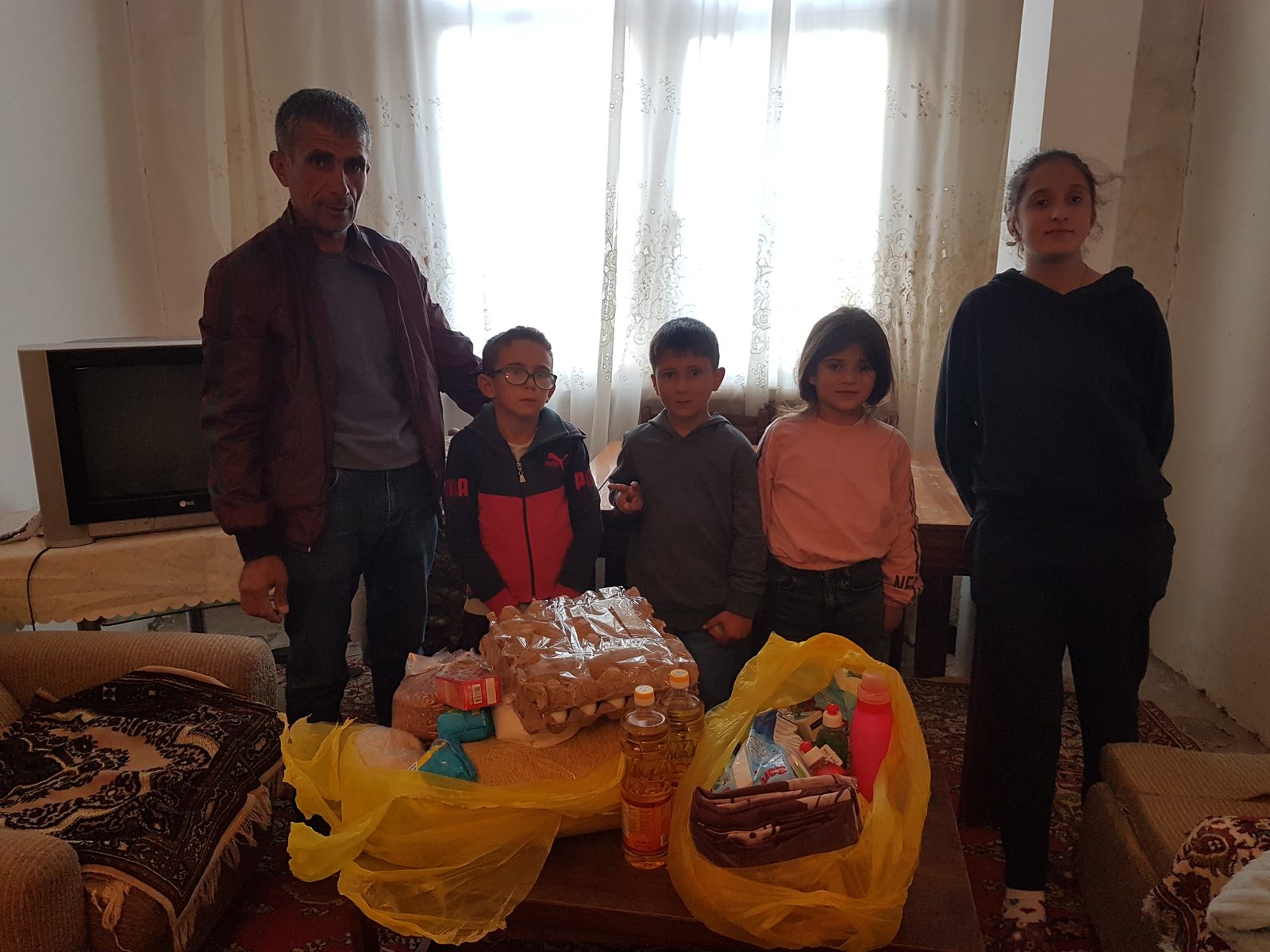
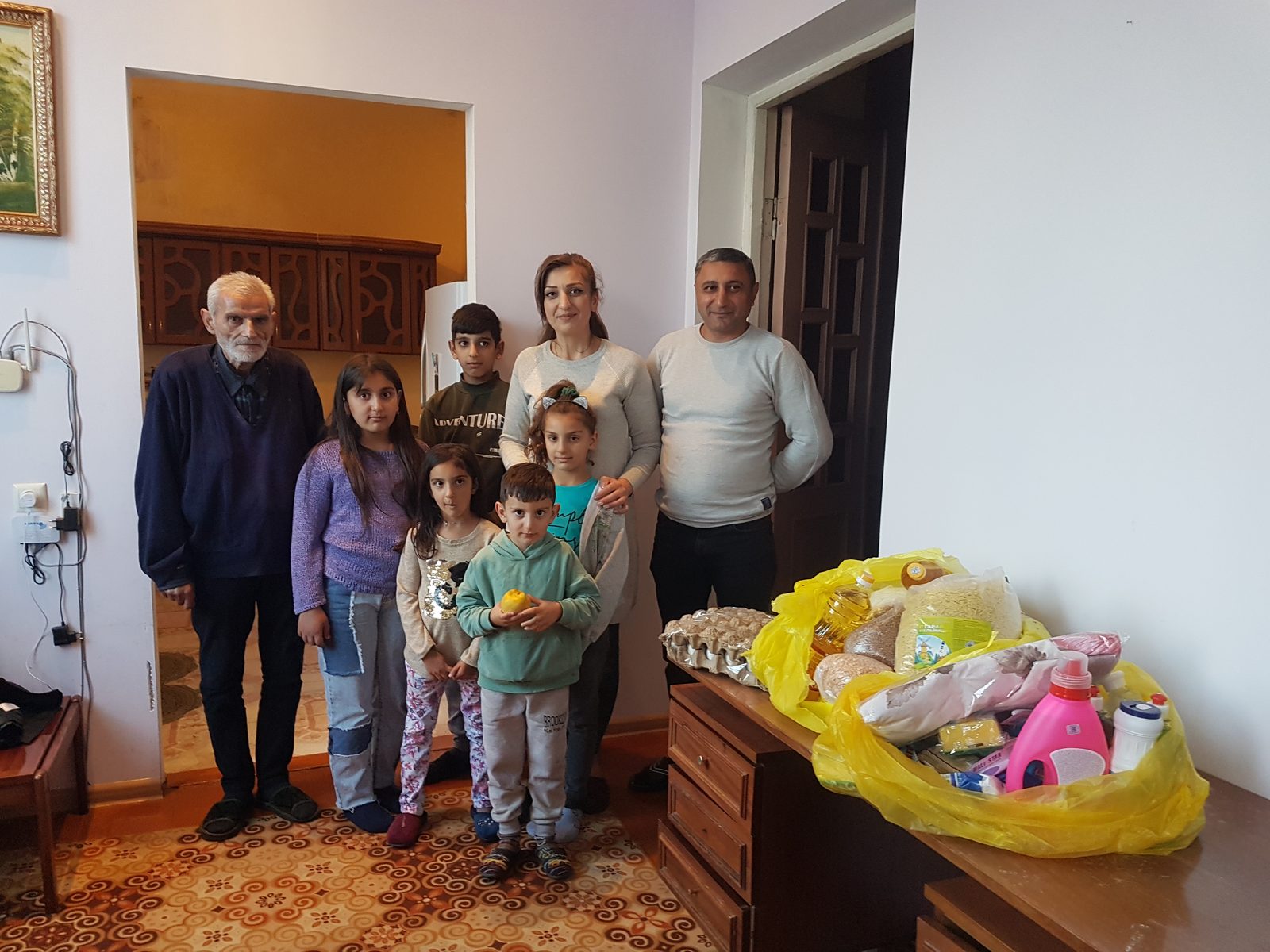
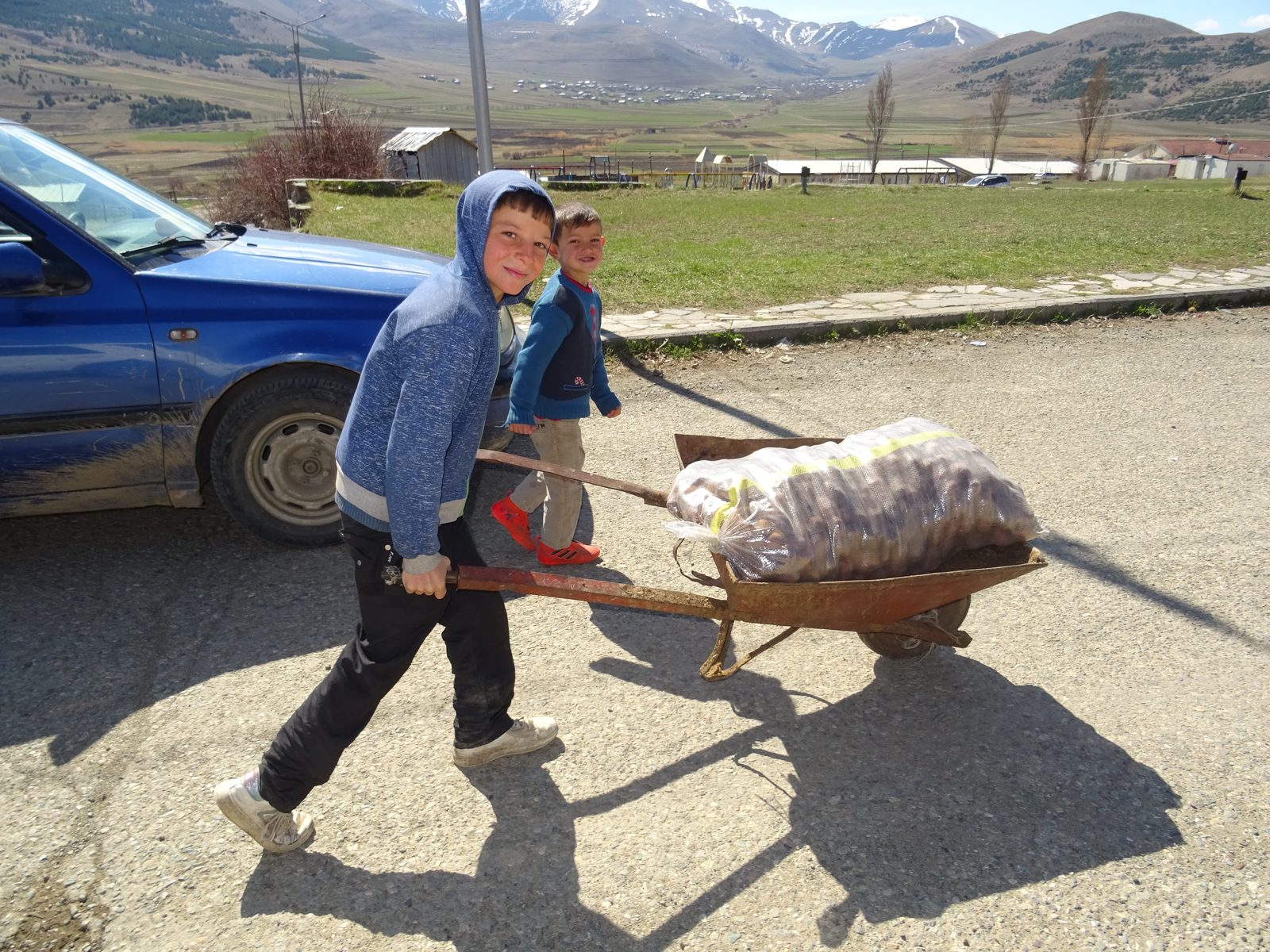
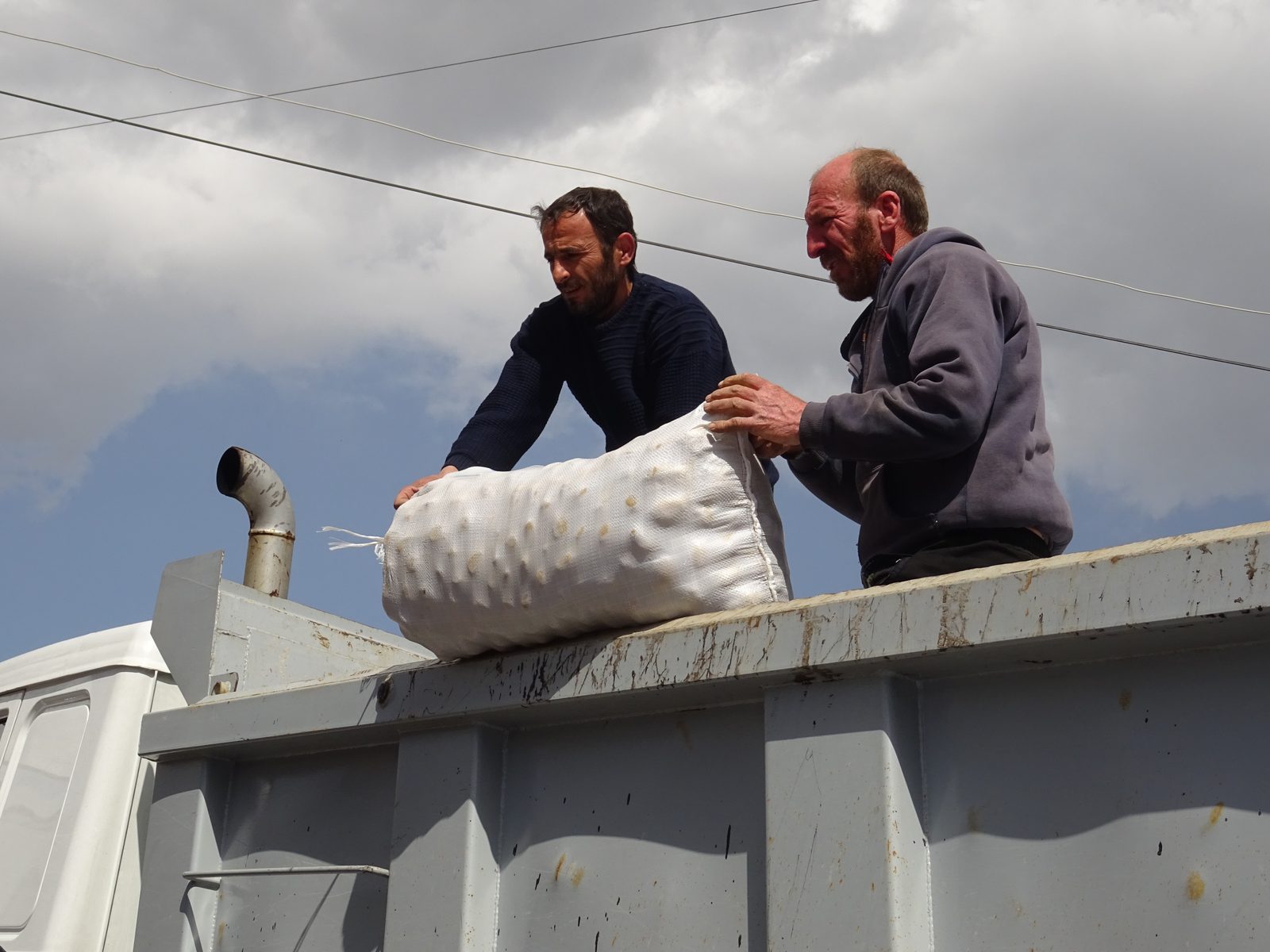
Little Bridge NGO directly intervenes by delivering comprehensive food parcels directly into the hands of those who need them most. We navigate challenging infrastructure to reach dozens of communities, ensuring that the elderly, isolated individuals, and struggling families in both urban centers and distant rural enclaves receive high-quality, culturally appropriate food provisions. This delivery is conducted with the utmost respect for the dignity of every recipient.
Result & Sustainable Impact
Nutritional Stabilization: Secures a reliable baseline of health, preventing malnutrition and related medical crises.
Economic Relief: Frees up deeply limited household resources, allowing families to redirect funds toward essential utilities, education, or debt reduction.
Foundation for Growth: By removing the immediate panic of hunger, we give families the mental and emotional bandwidth to plan for tomorrow rather than merely surviving today.
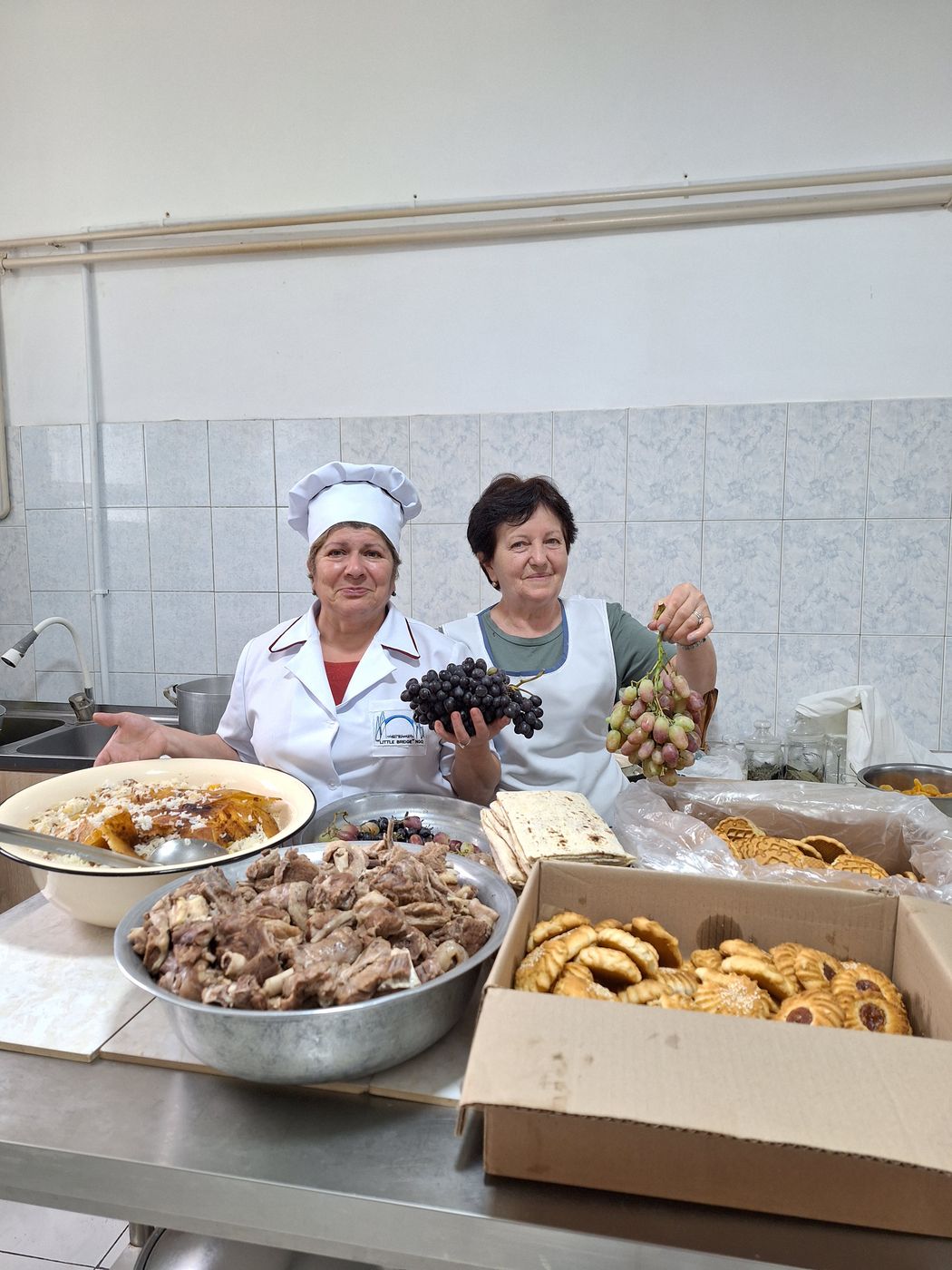
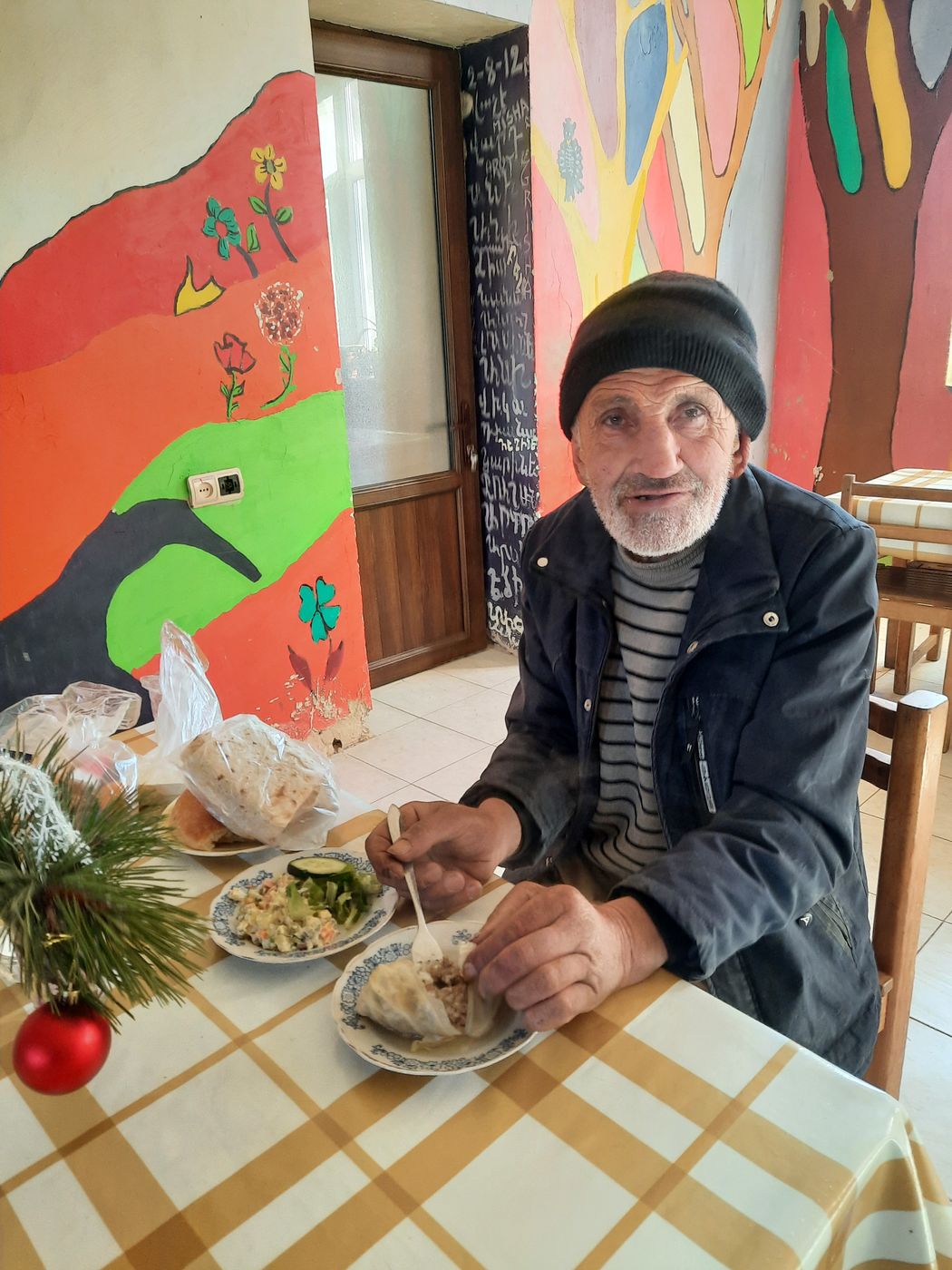
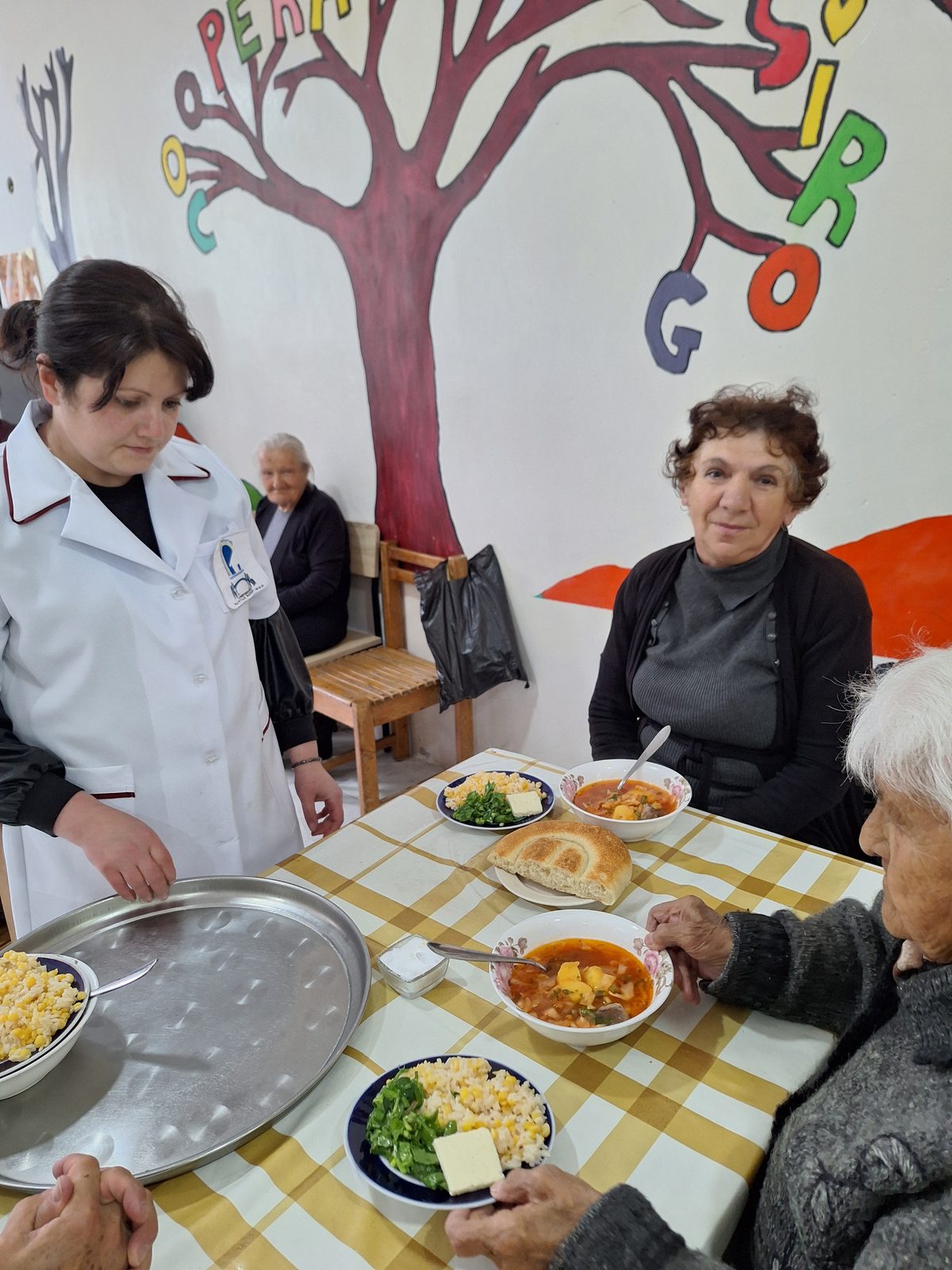
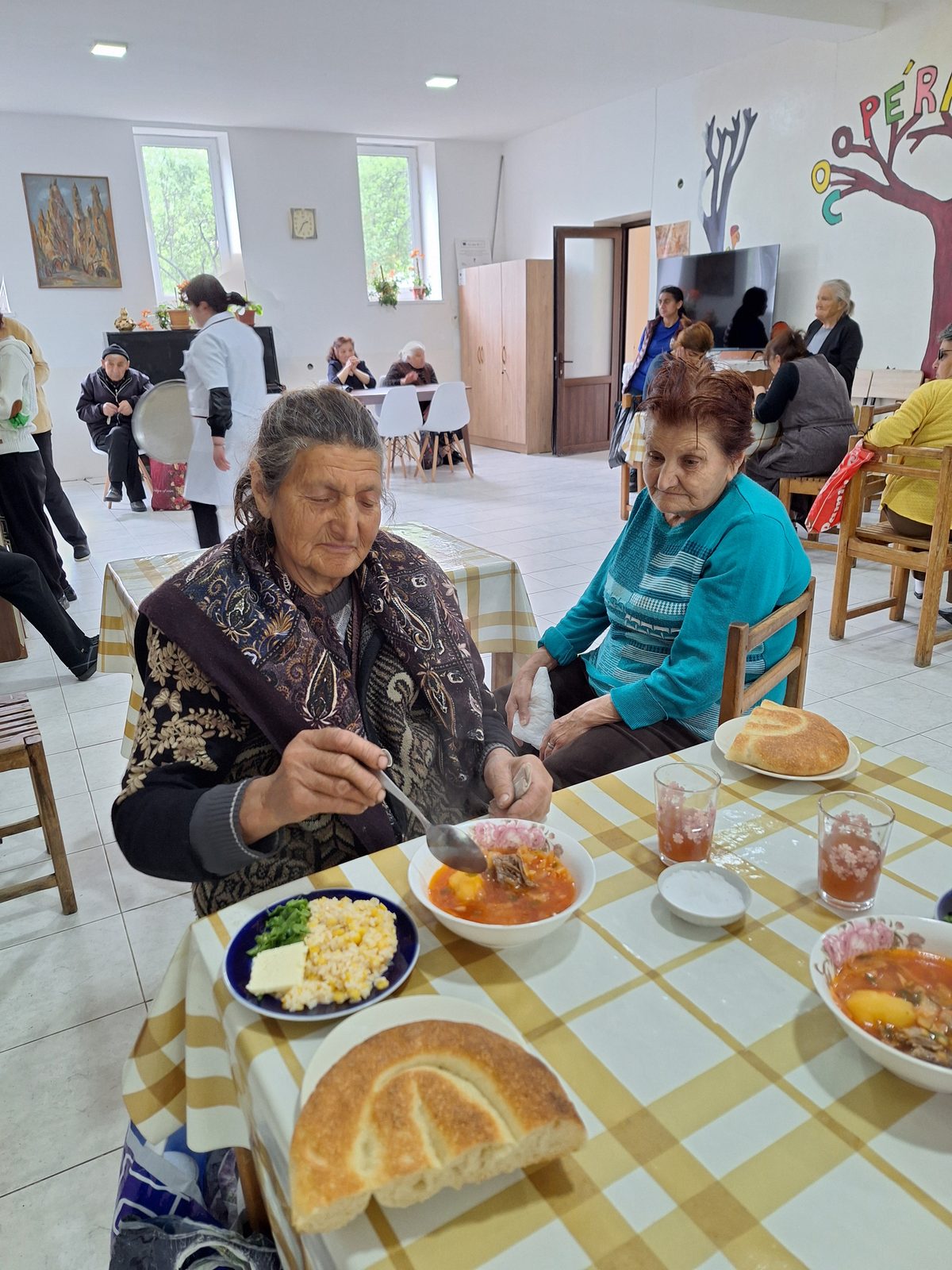
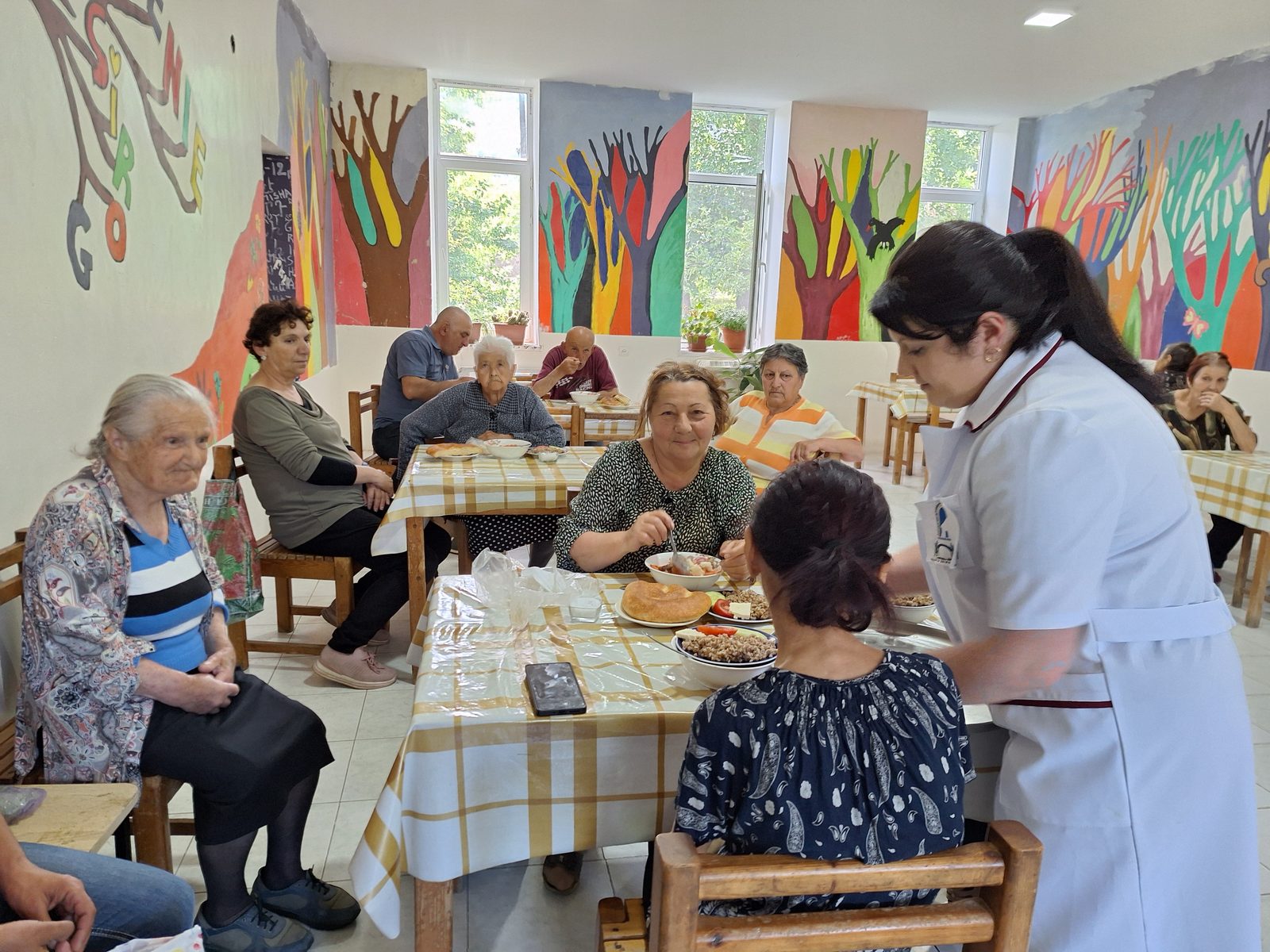
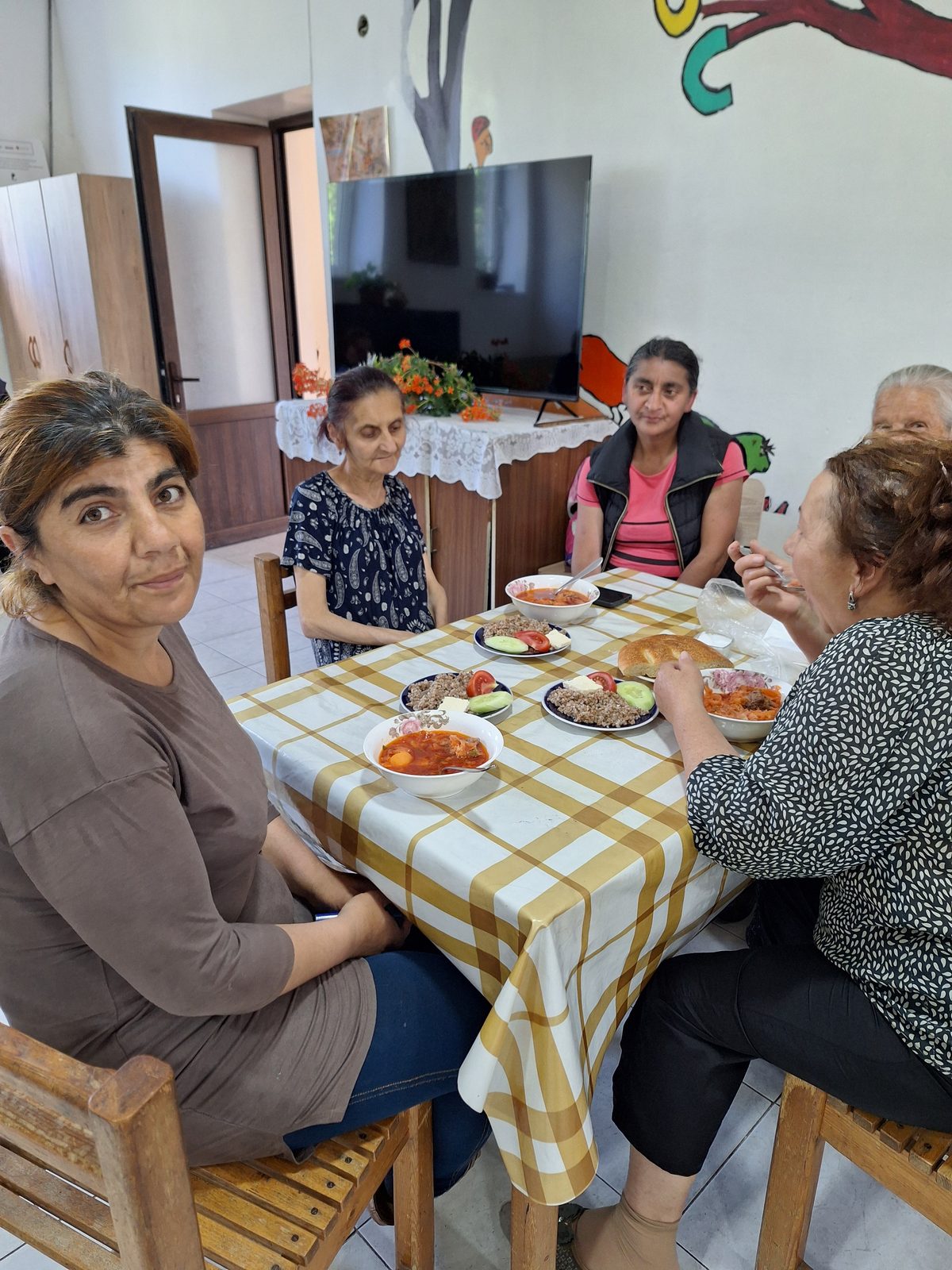
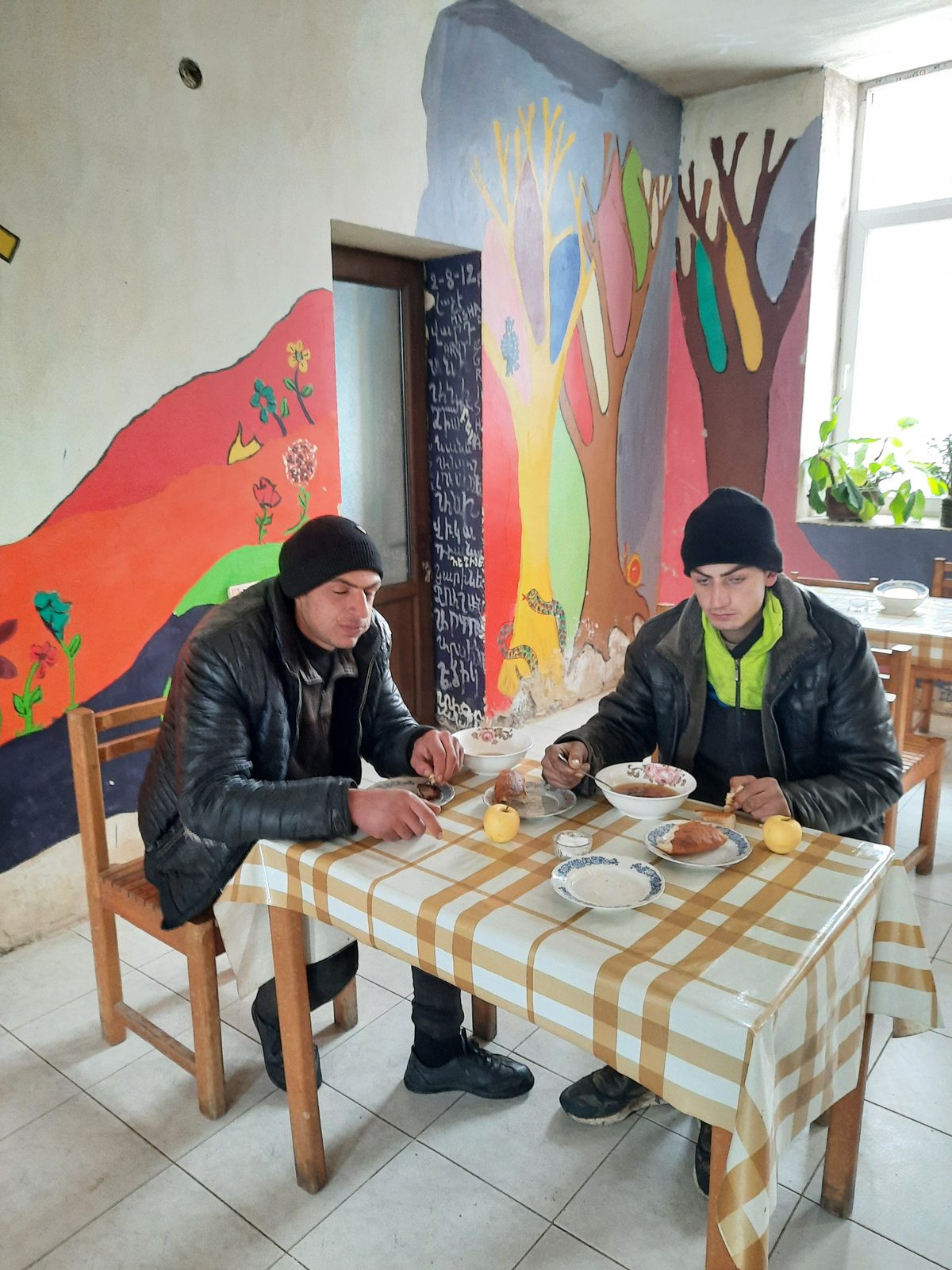
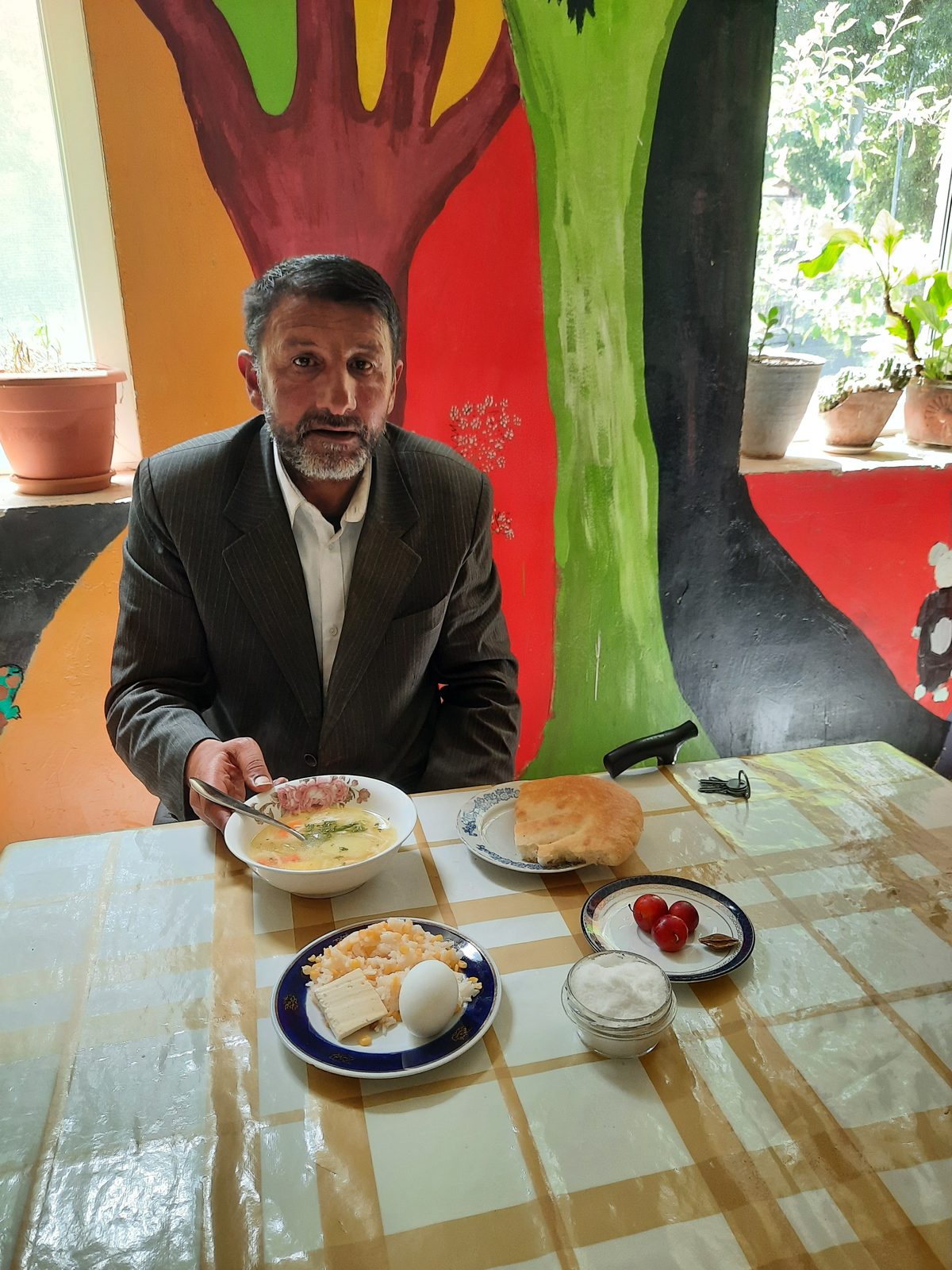
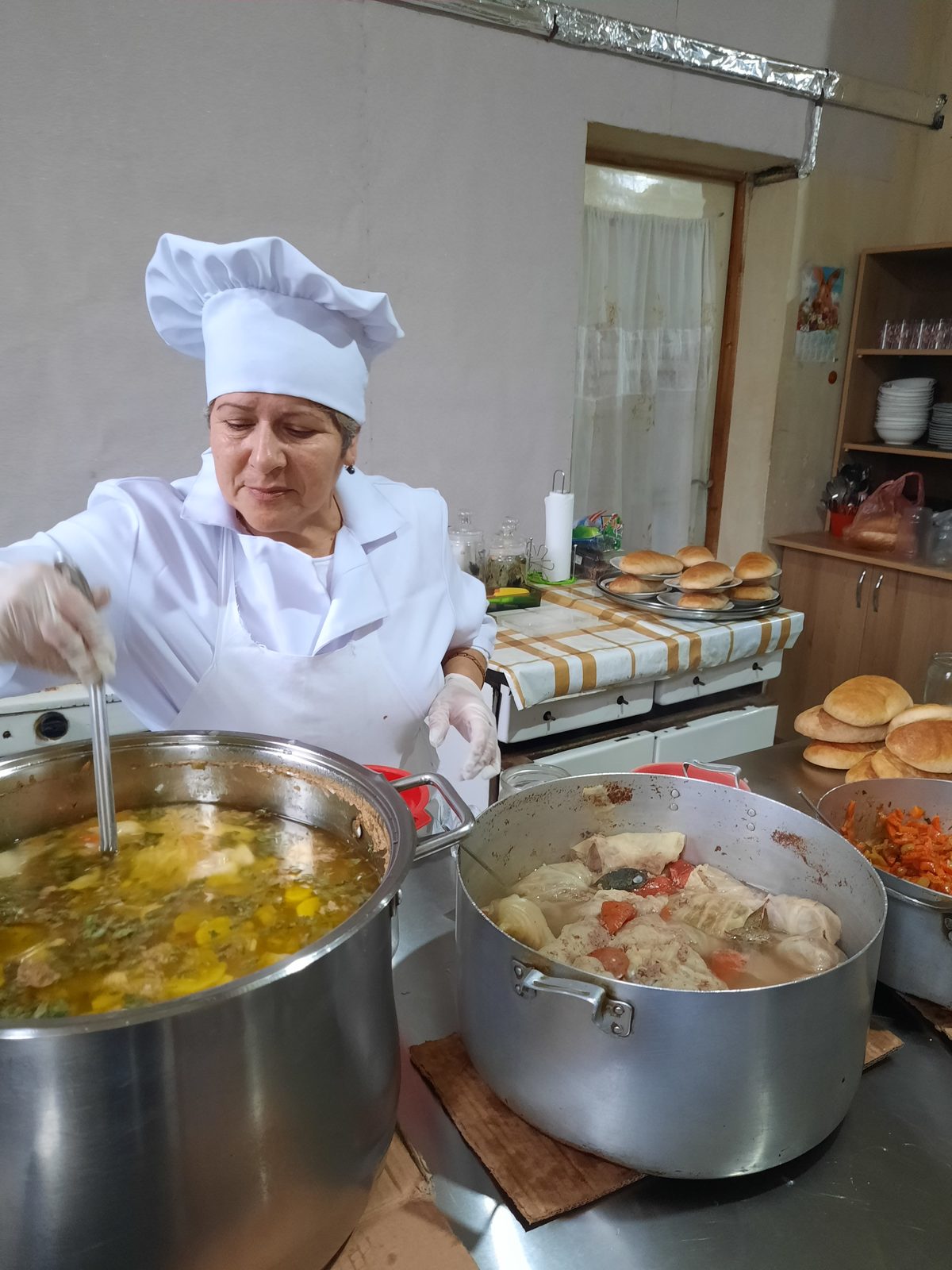
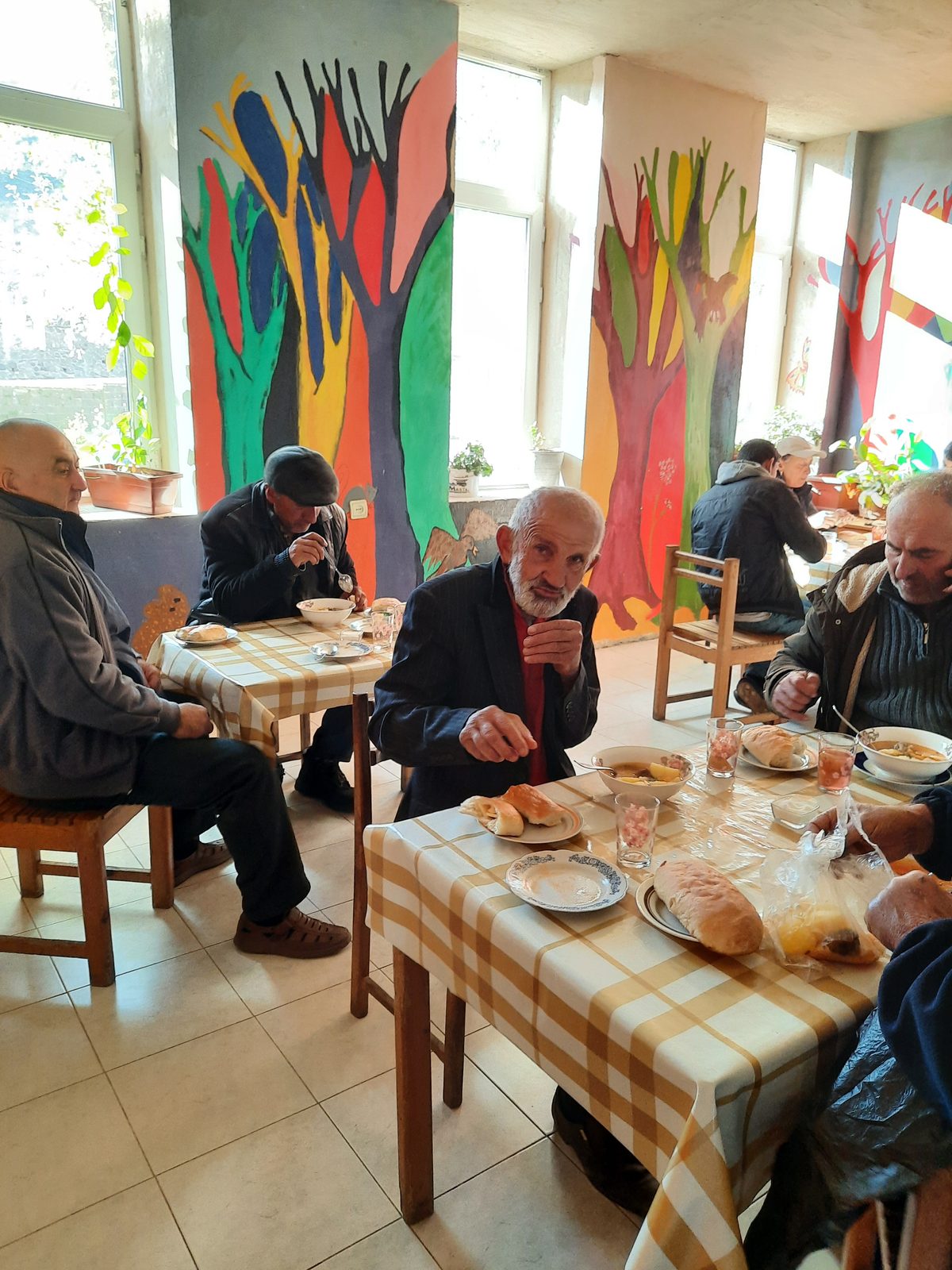
Social isolation is a silent crisis among Armenia's most vulnerable demographics, disproportionately affecting the elderly and those living with disabilities. In cities like Vanadzor, Goris, and Vardenis, many marginalized individuals lack not only the financial means to purchase food but also the physical ability or infrastructure to prepare hot, nutritious meals for themselves. This isolation strips away both their physical health and their sense of community belonging.
Action & Intervention
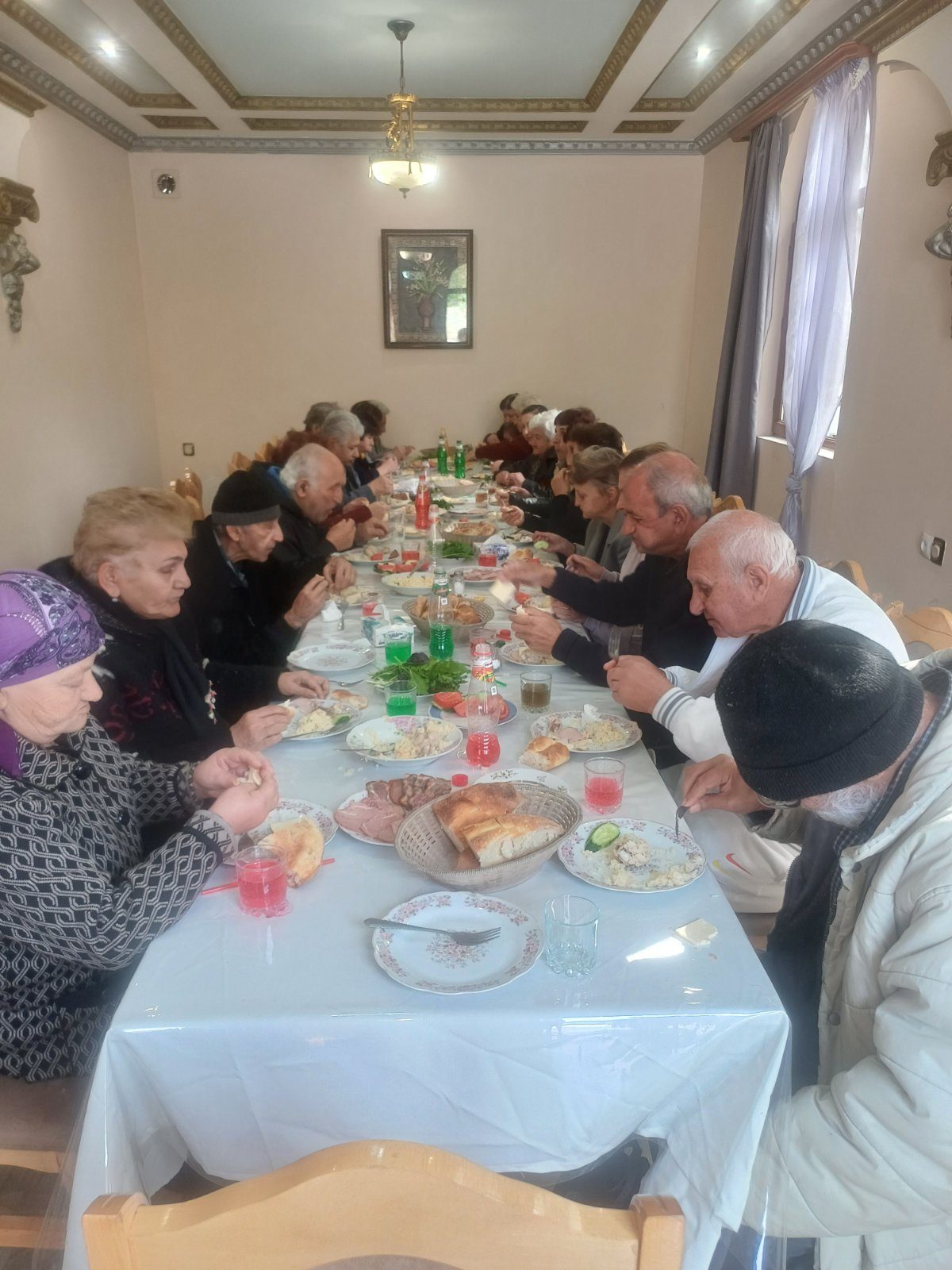
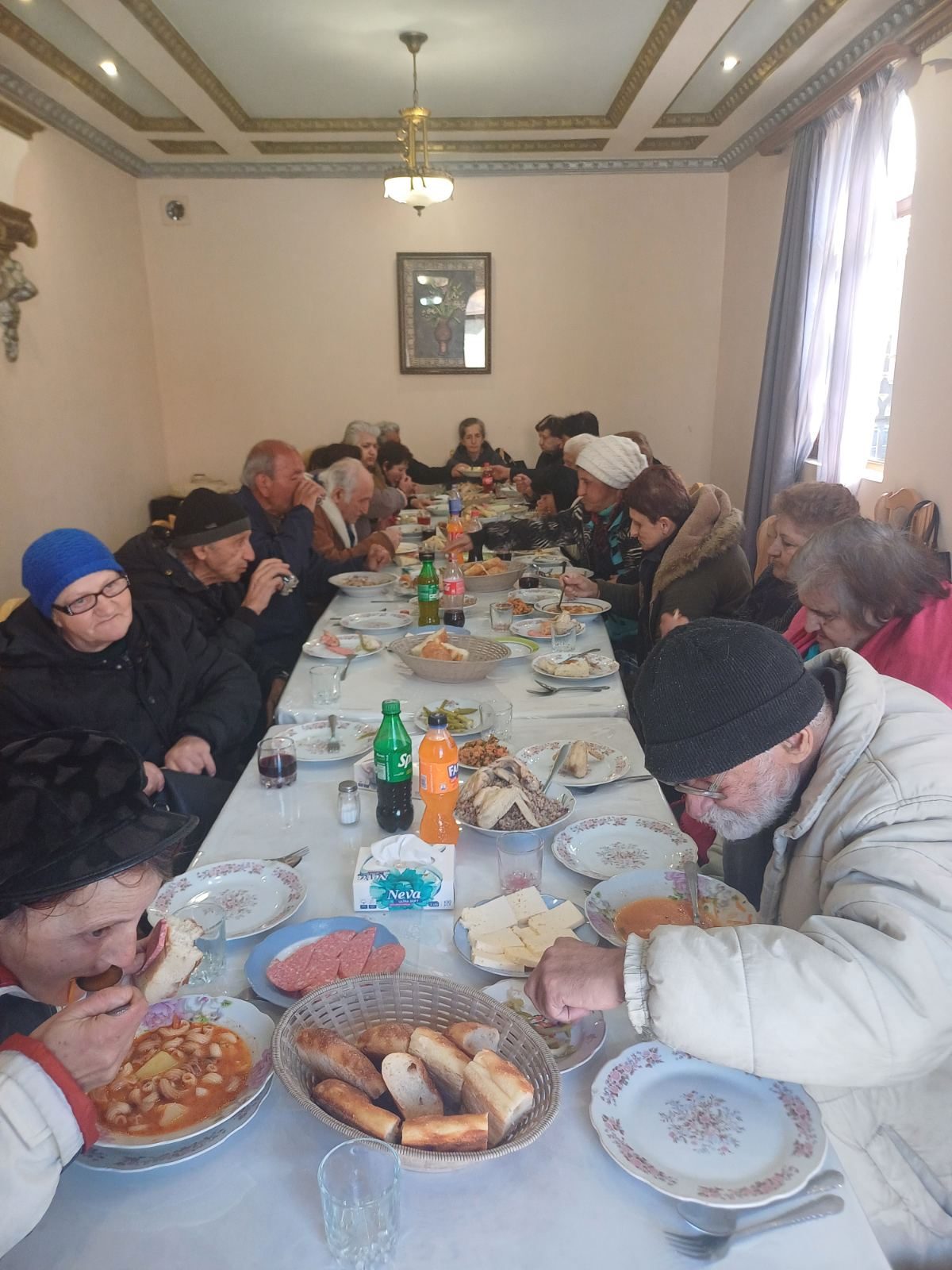
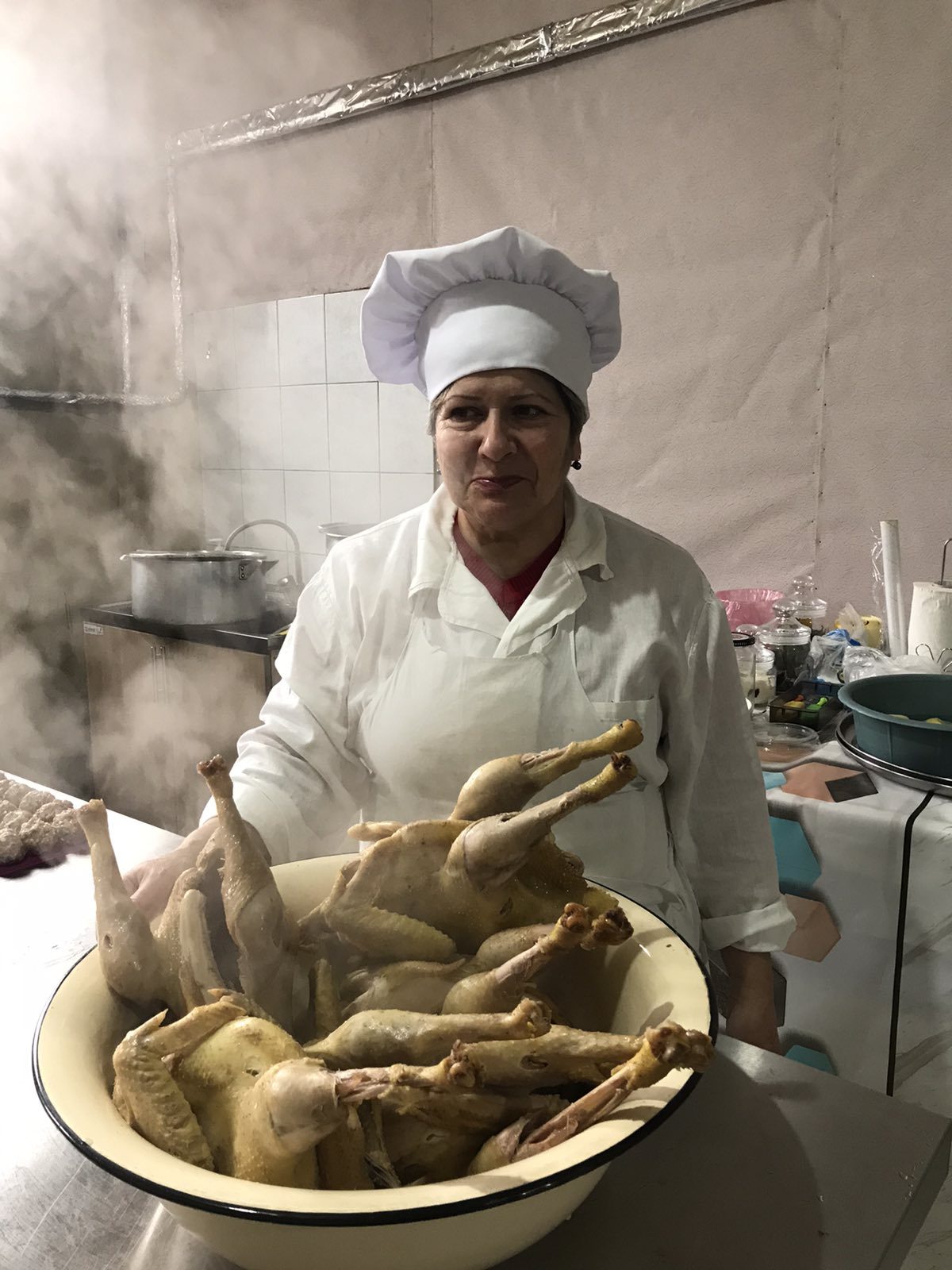
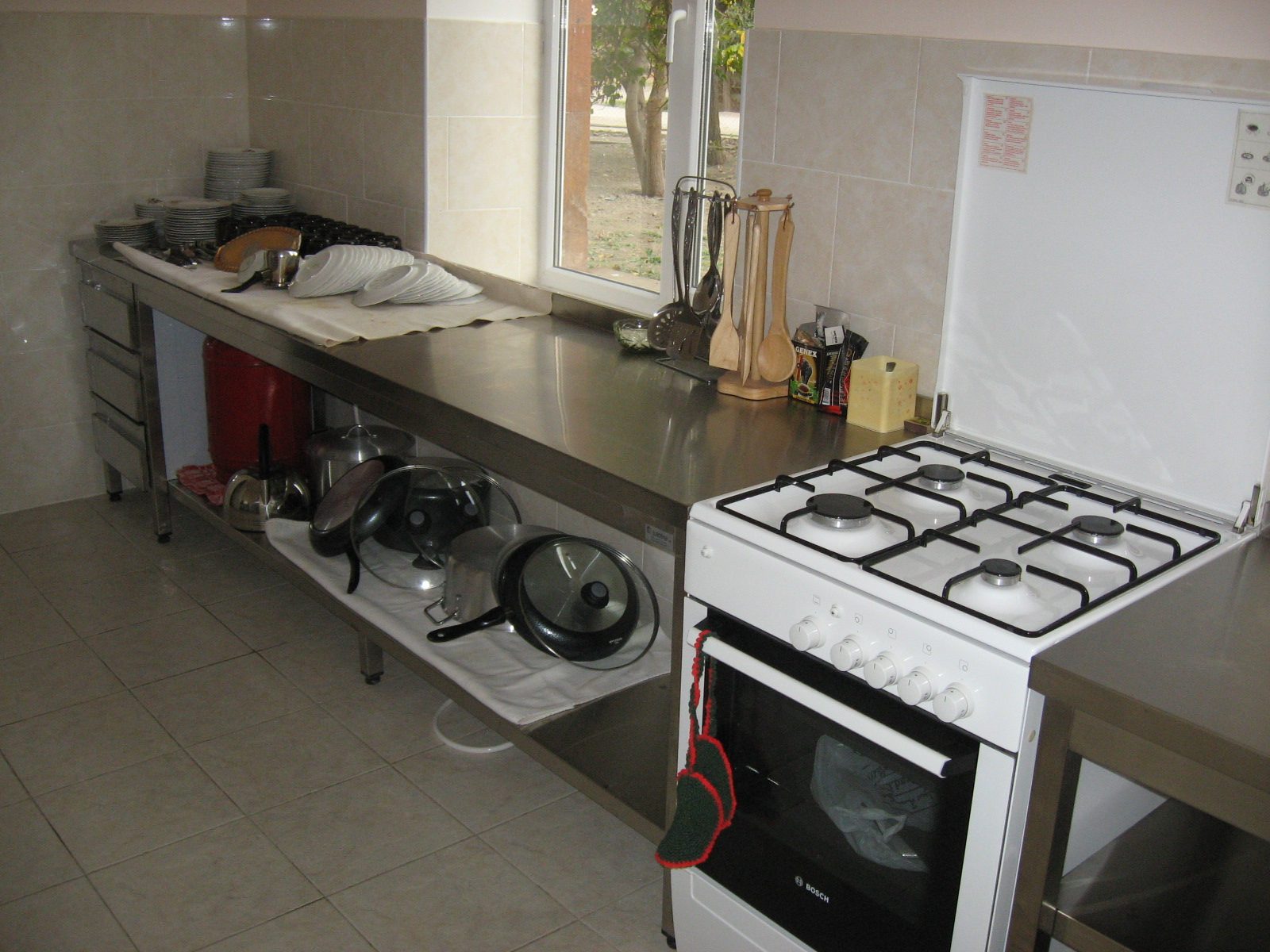
We operate community soup kitchens that serve as vital lifelines in Goris, Vanadzor, and Vardenis. These facilities provide regular, hot, and nutritionally balanced meals to those who would otherwise go without. Beyond mere caloric intake, our kitchens are designed as safe, welcoming spaces that prioritize the dignity and comfort of every guest, transforming a basic necessity into an act of communal care.
Result & Sustainable Impact
Health Maintenance: Provides consistent, essential nutrition to demographics highly susceptible to illness.
Social Cohesion: Combats the psychological toll of severe isolation by fostering daily community interaction and human connection.
Systems Monitoring: Acts as an informal wellness checkpoint, allowing our staff to identify individuals who may require further medical or housing interventions.
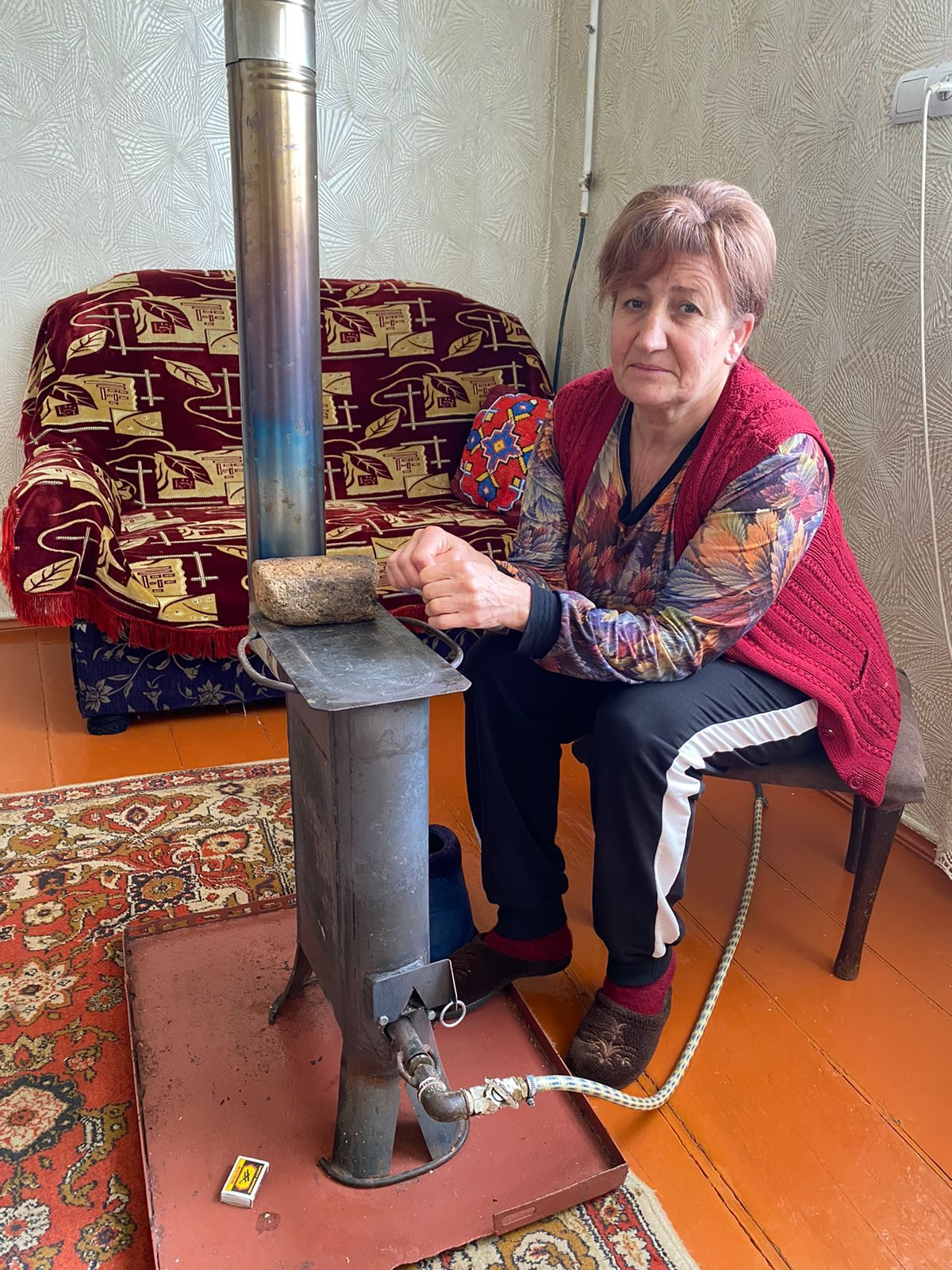
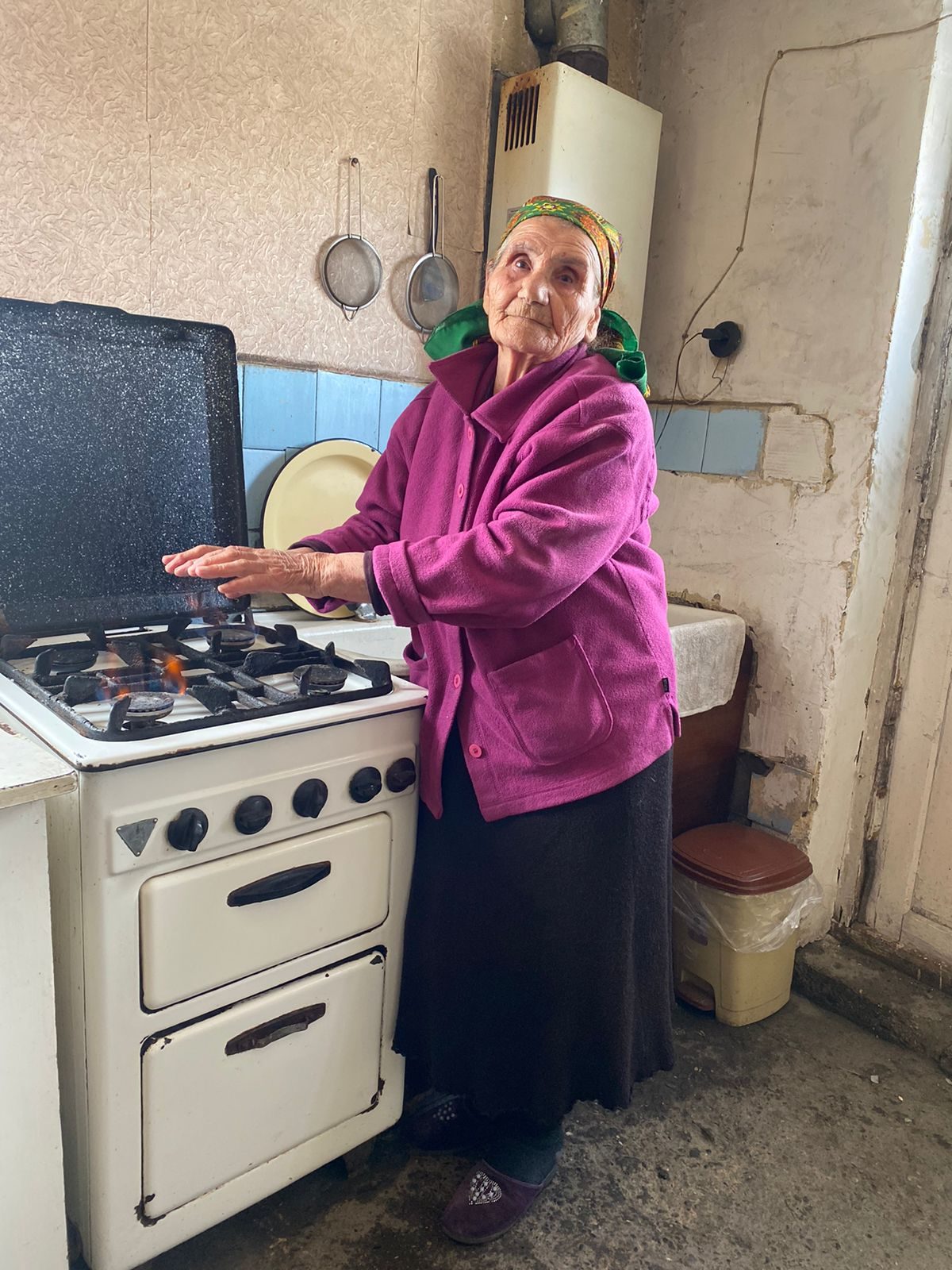
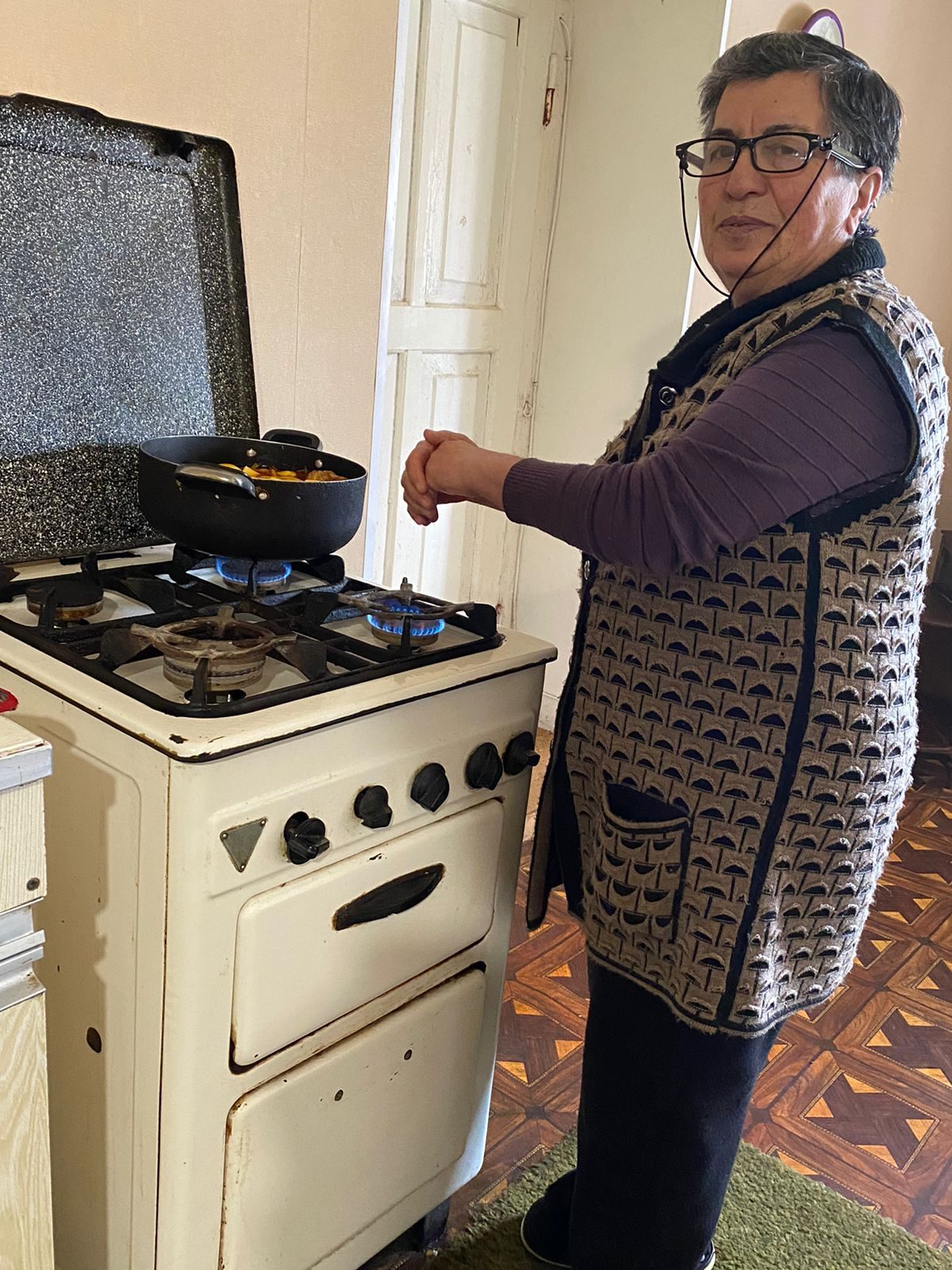
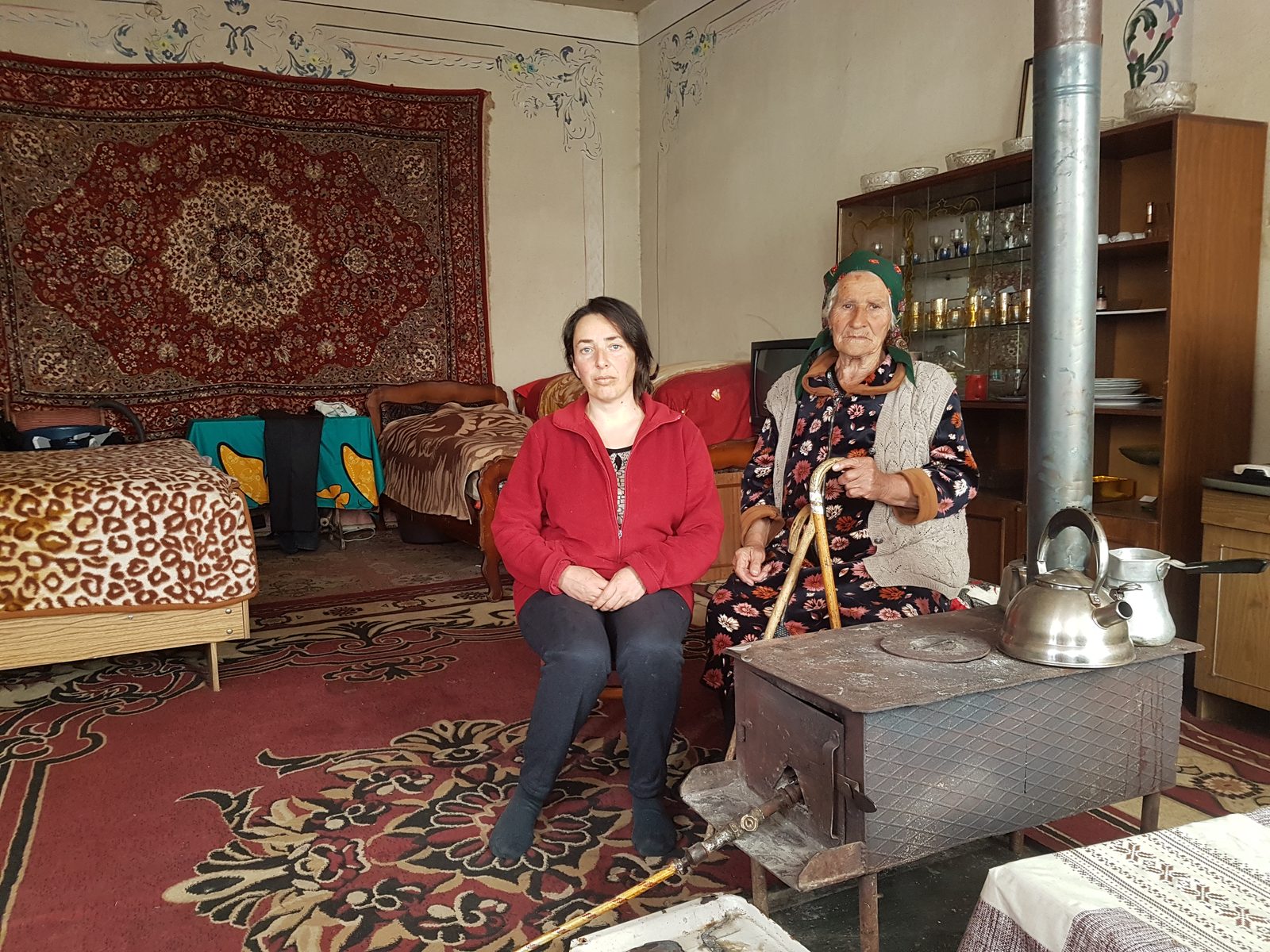
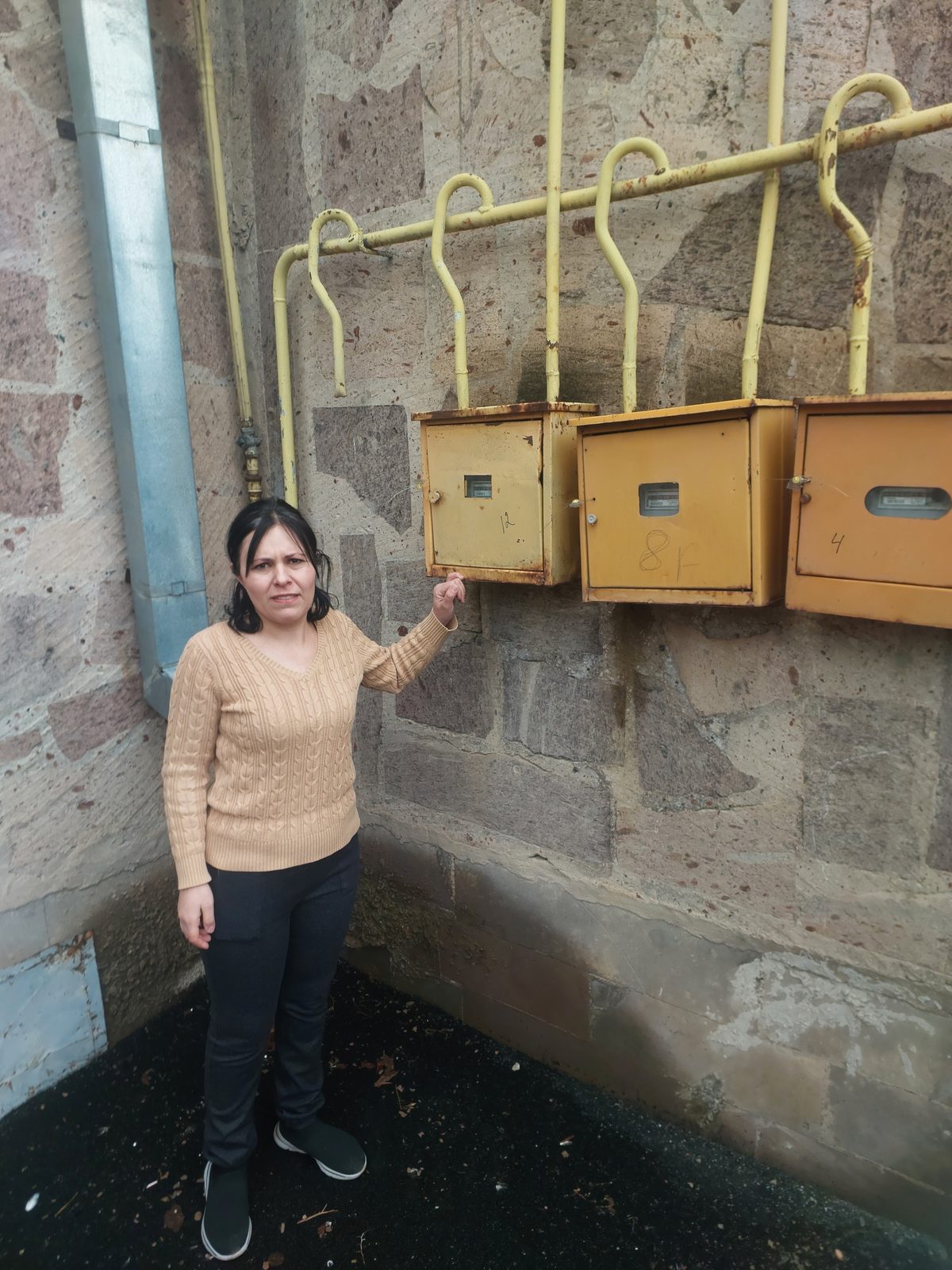
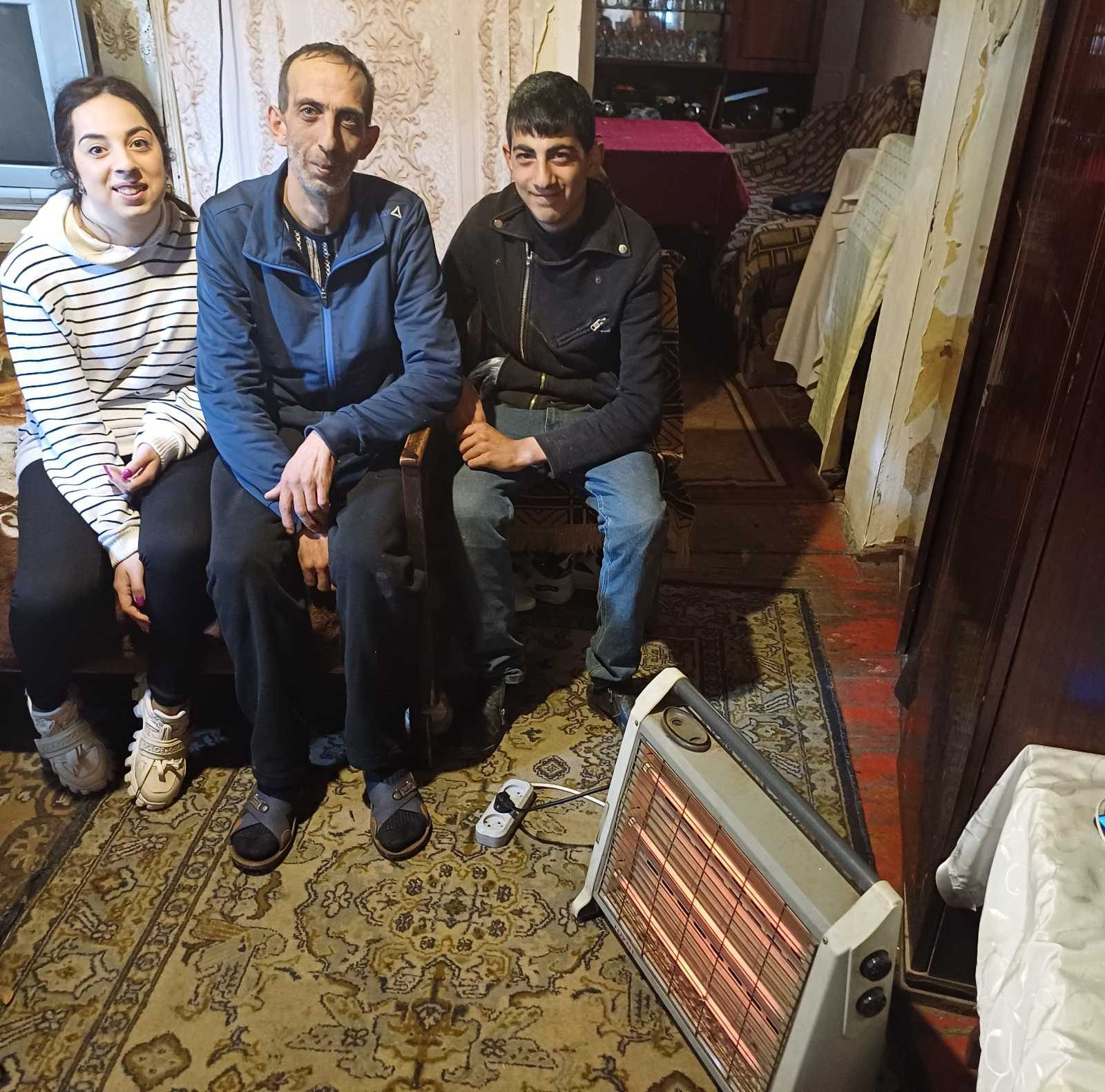
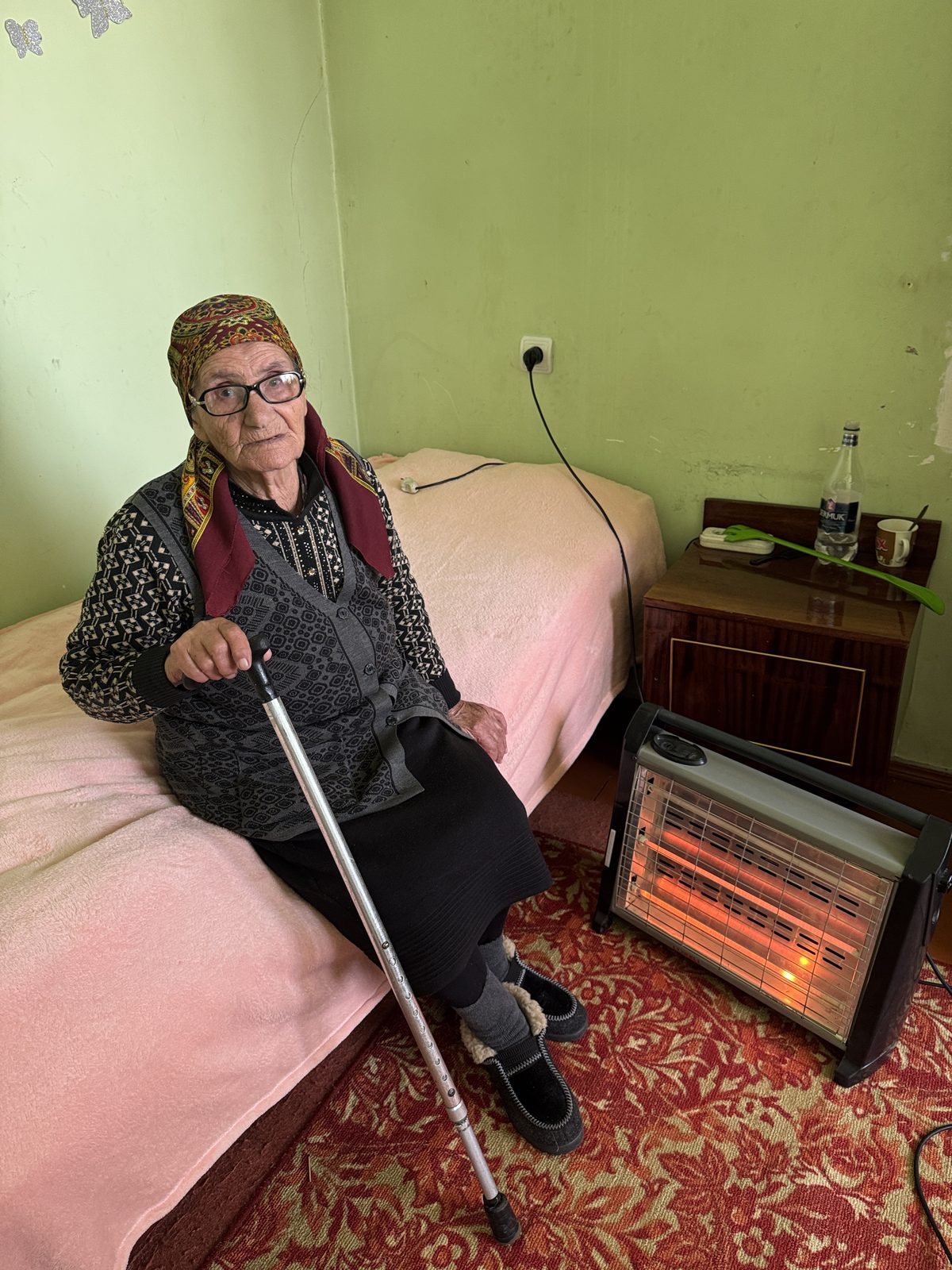
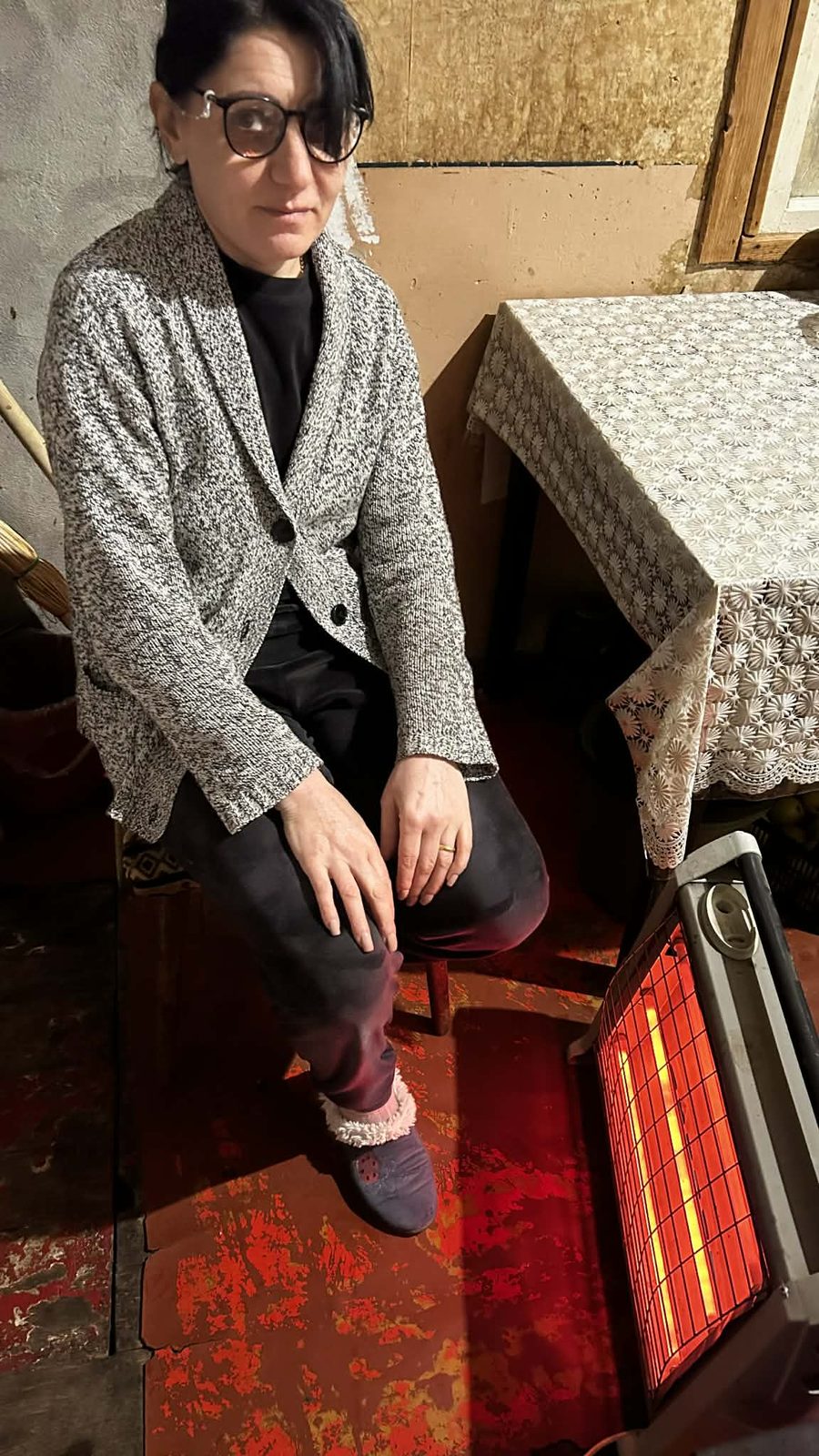
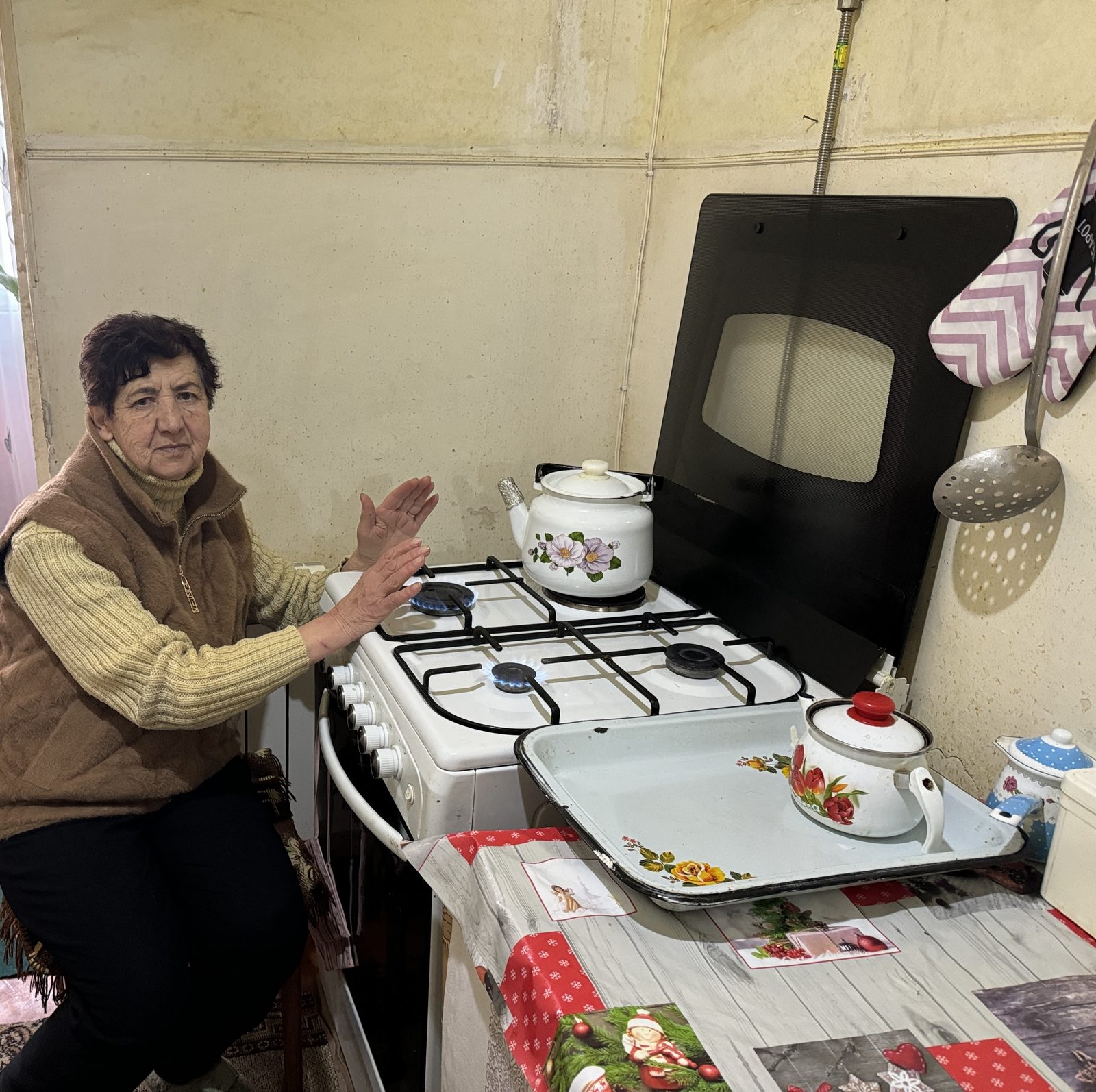
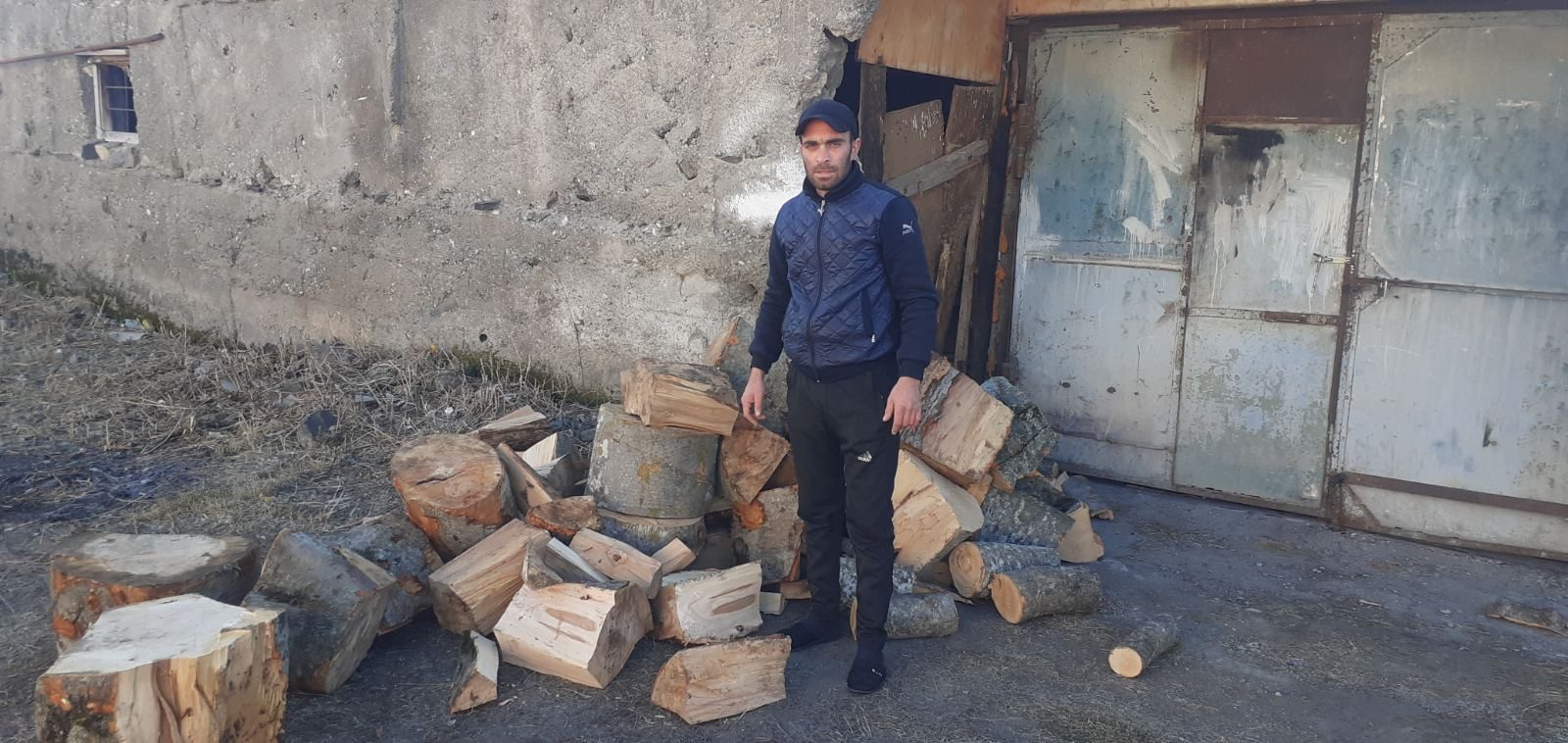
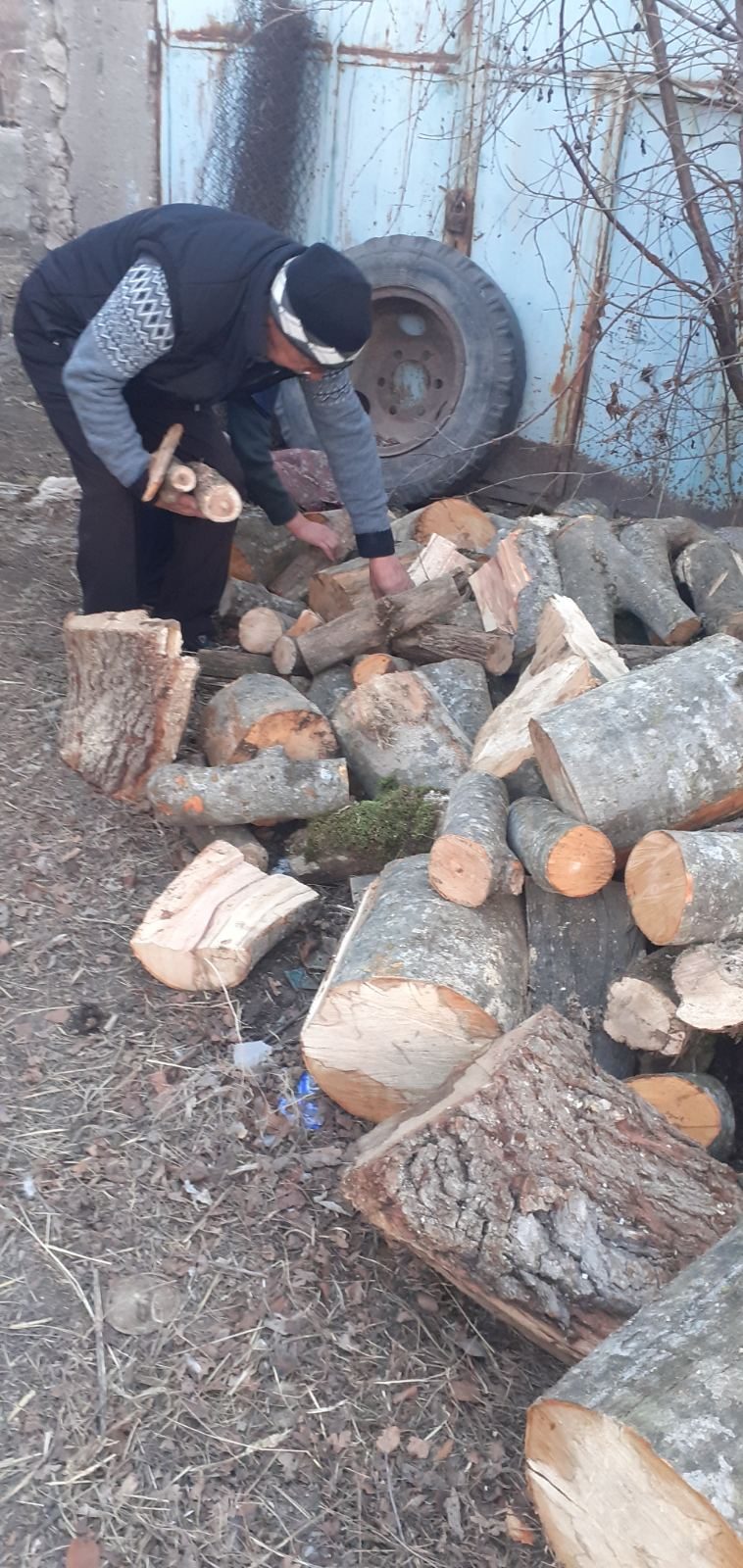
Armenia's winters are notoriously unforgiving, particularly in the northern and elevated regions. For vulnerable households in Alaverdi, Gegharkunik, Gyumri, Noyemberyan, Sisian, Spitak, Vanadzor, the arrival of winter brings the terrifying reality of energy poverty. Elderly citizens and families with young children frequently face the impossible choice of heating their homes or purchasing food, leading to dangerous exposure to freezing temperatures and a spike in cold-related illnesses.
Action & Intervention
Little Bridge NGO steps in to prevent this seasonal crisis by taking on the direct payment of gas and electricity bills for at-risk families. We target households that have been flagged for severe winter vulnerability across multiple regions. By ensuring the power and gas remain connected, we guarantee that these families can maintain safe, warm, and dignified living conditions throughout the harshest months of the year.
Result & Sustainable Impact
Health & Safety: Eliminates the physical dangers of hypothermia and chronic respiratory issues linked to cold, damp living spaces.
Family Stability: Prevents the fracturing of families that can occur when homes become uninhabitable due to utility shut-offs.
Economic Continuity: Protects fragile household economies from the devastating shock of accumulated winter utility debt.
📷 Field Gallery
🧴Hygiene21M AMD▼
Situation Analysis & Needs Assessment
Basic hygiene is intrinsically linked to human dignity and preventative health, yet it is often the first casualty when household budgets are stretched to the breaking point. For families struggling to buy food, purchasing sanitary items, diapers, or clean bedding is an impossibility. This leads to preventable infections, social isolation, and a profound loss of personal dignity.
Action & Intervention
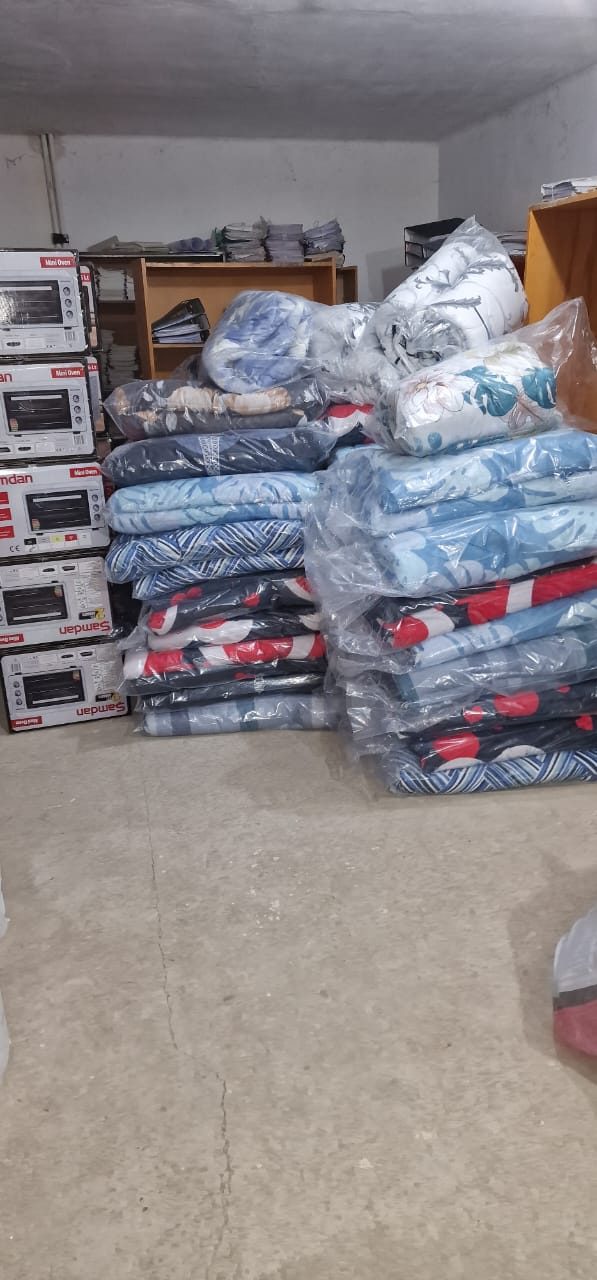
Delivered seamlessly alongside our food parcels and medical outreach, we distribute essential hygiene packs to those in acute need. These deliveries include daily toiletries, diapers for infants, sanitary items for women, towels, and fresh bed linen. We approach this distribution with deep sensitivity, recognizing that clean bodies and clean homes are fundamental human rights.
Result & Sustainable Impact
Disease Prevention: Drastically reduces the incidence of communicable diseases and skin infections.
Restoration of Dignity: Empowers individuals to maintain their personal upkeep, vital for psychological health and social participation.
Targeted Relief: Eases the disproportionate financial burden on young mothers (diapers) and women (sanitary items).
📷 Field Gallery
👕Clothing & Household143M AMD▼
Situation Analysis & Needs Assessment
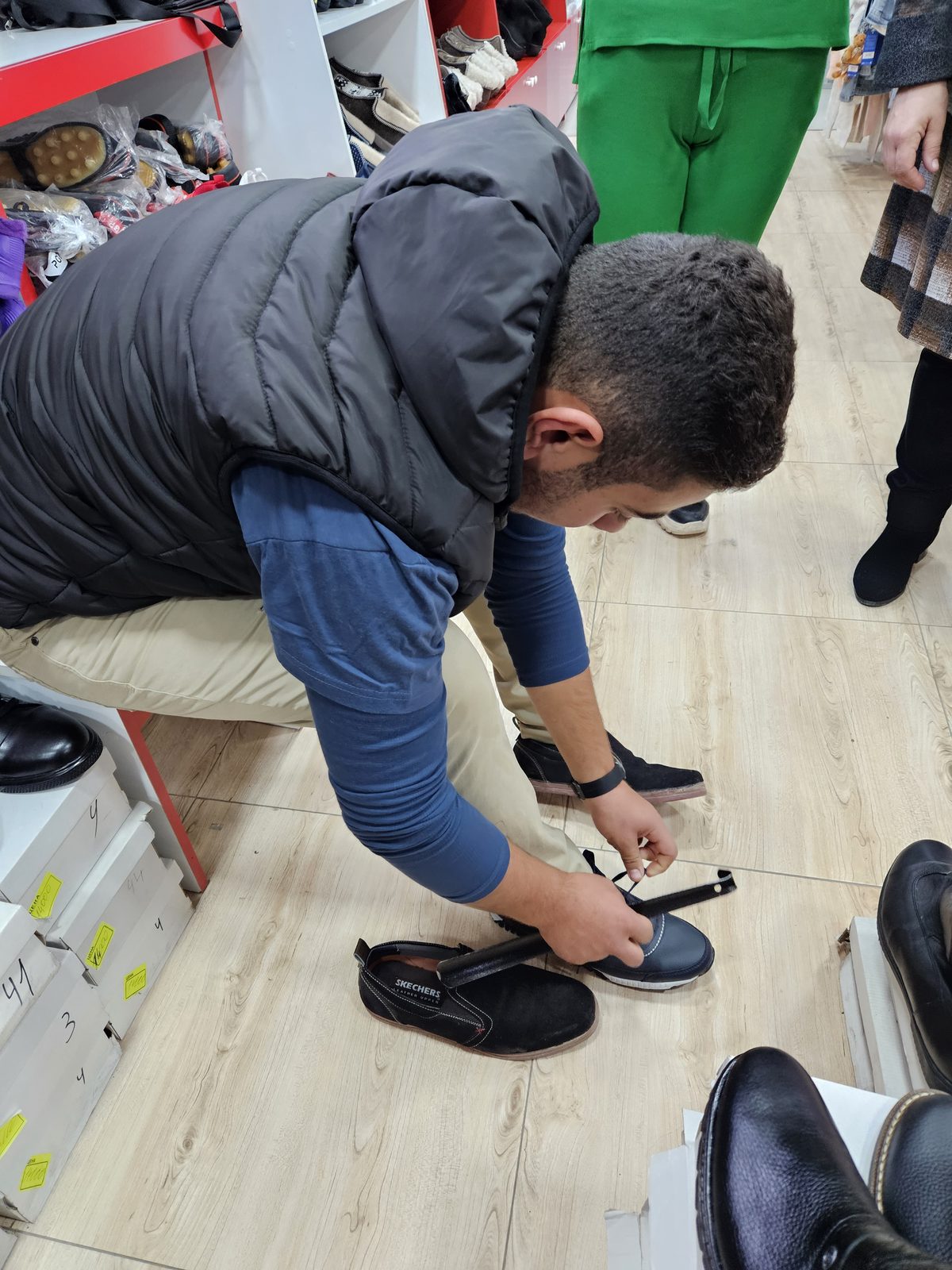
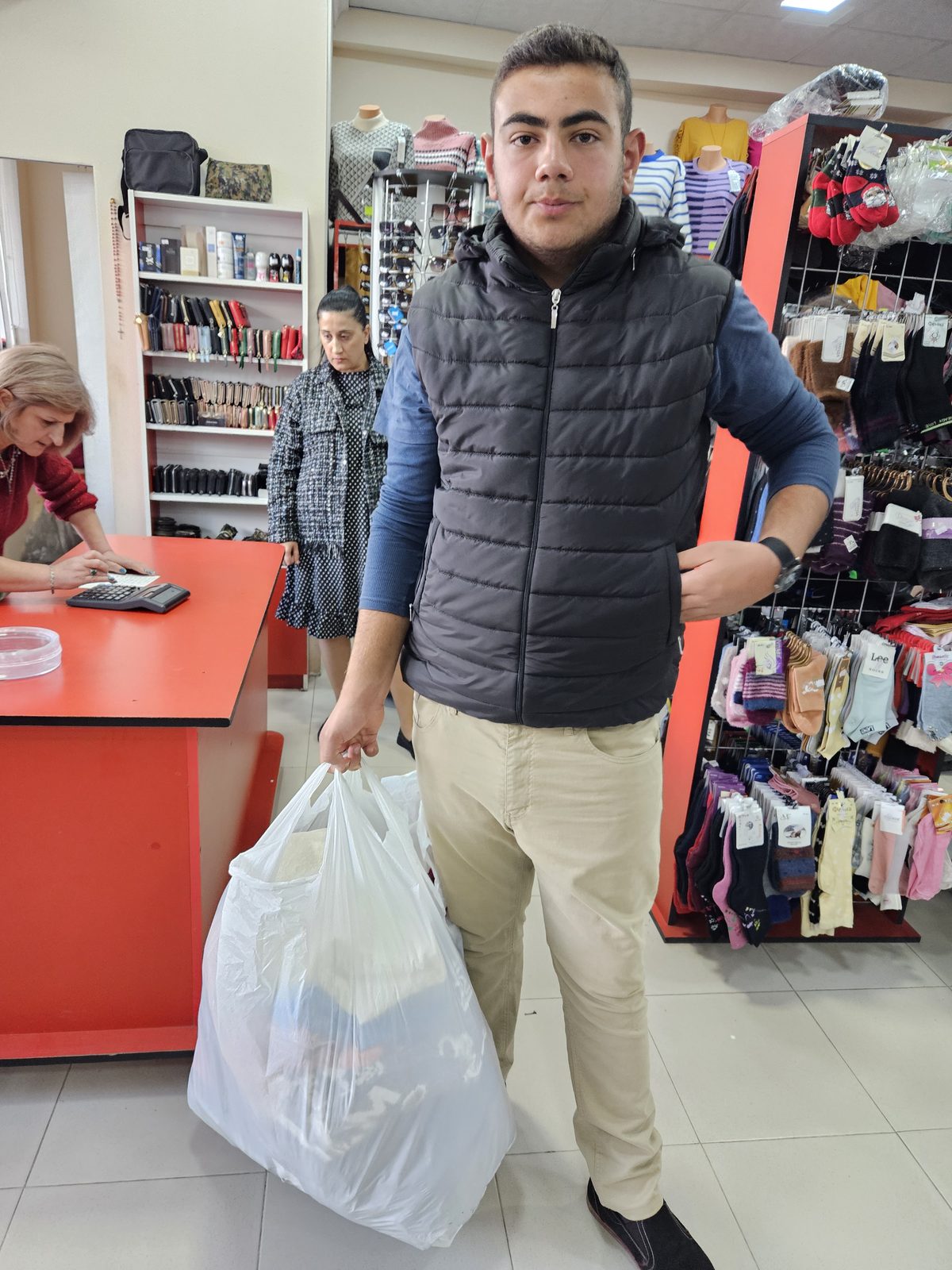
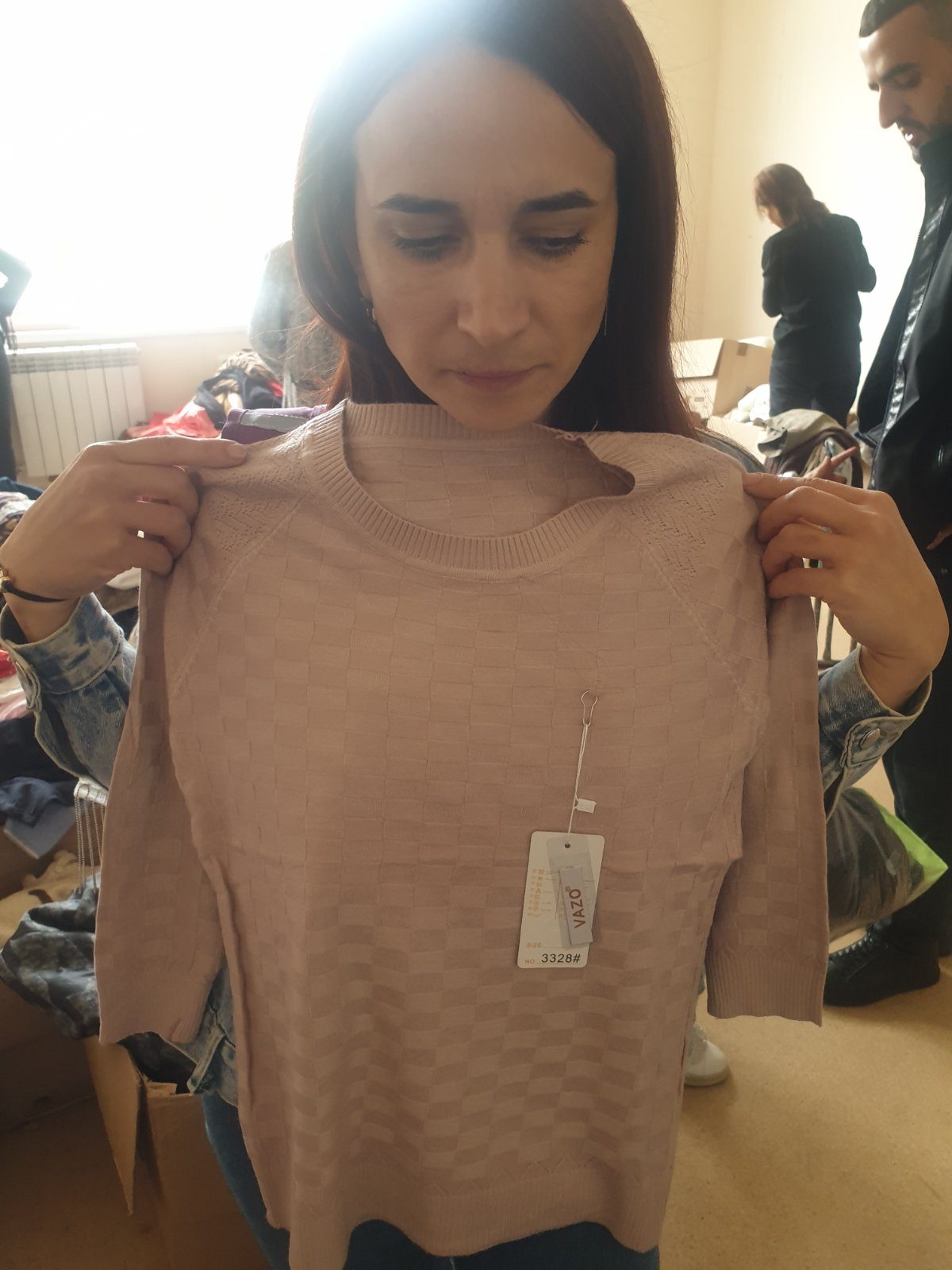
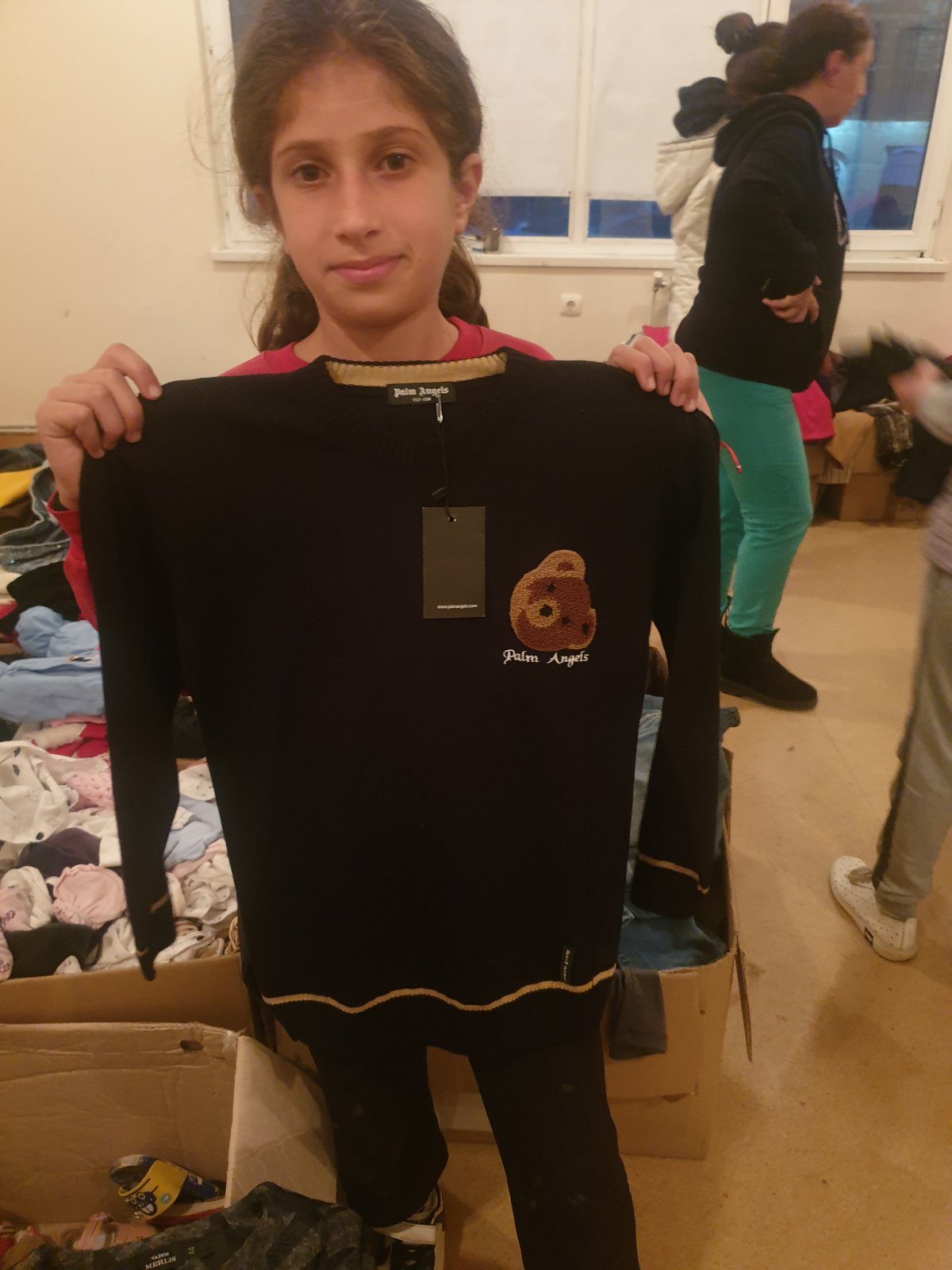
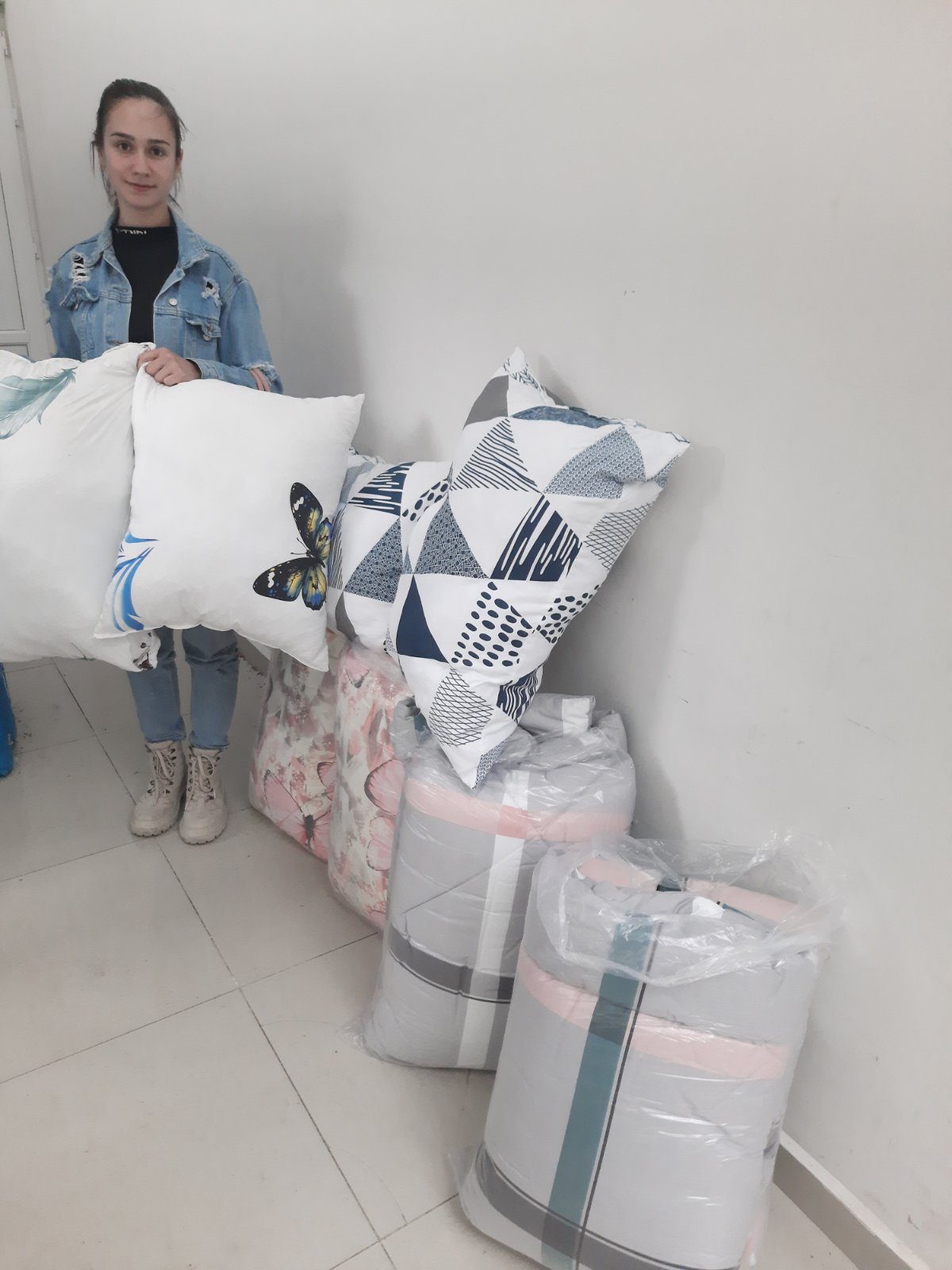
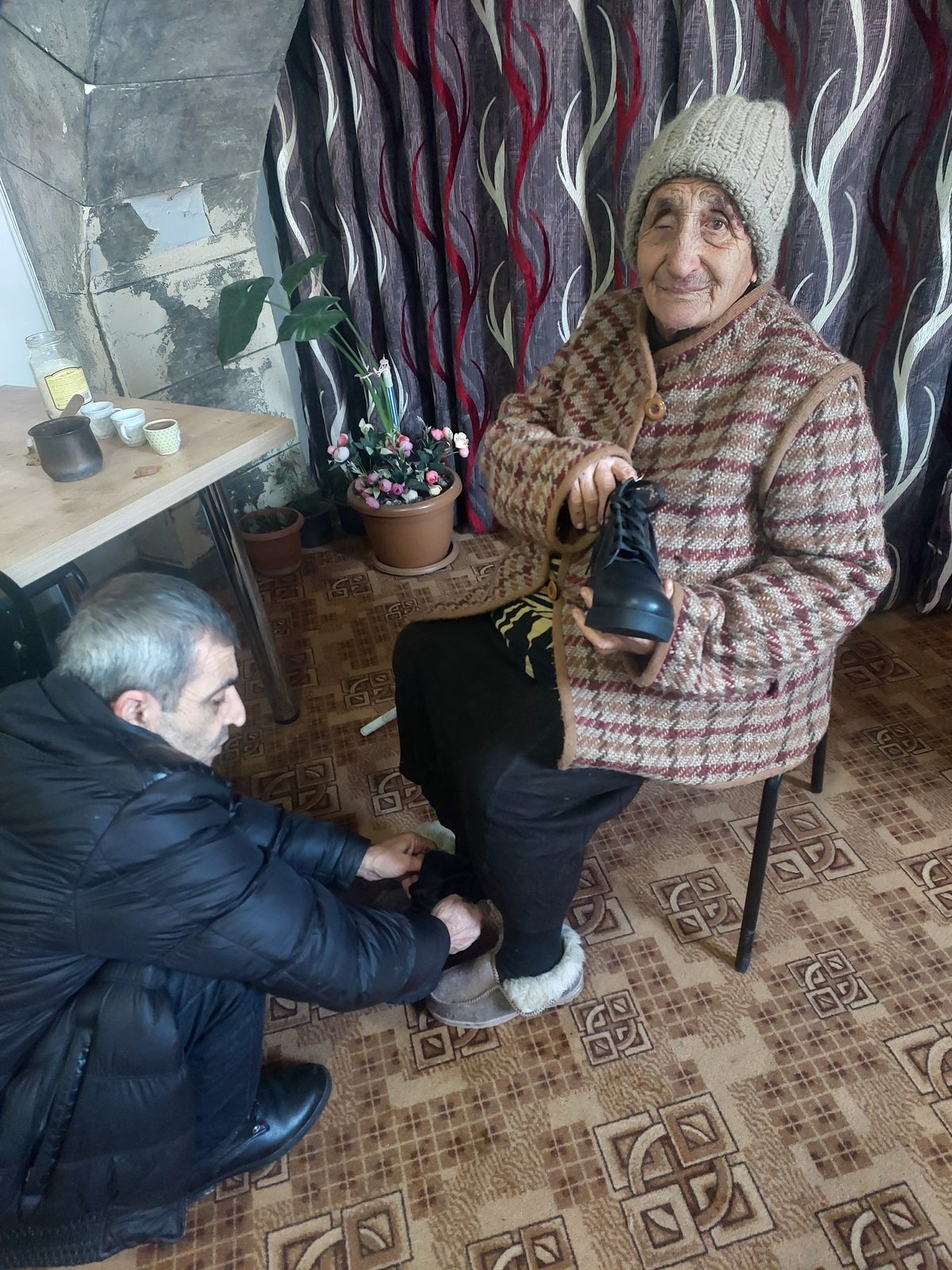
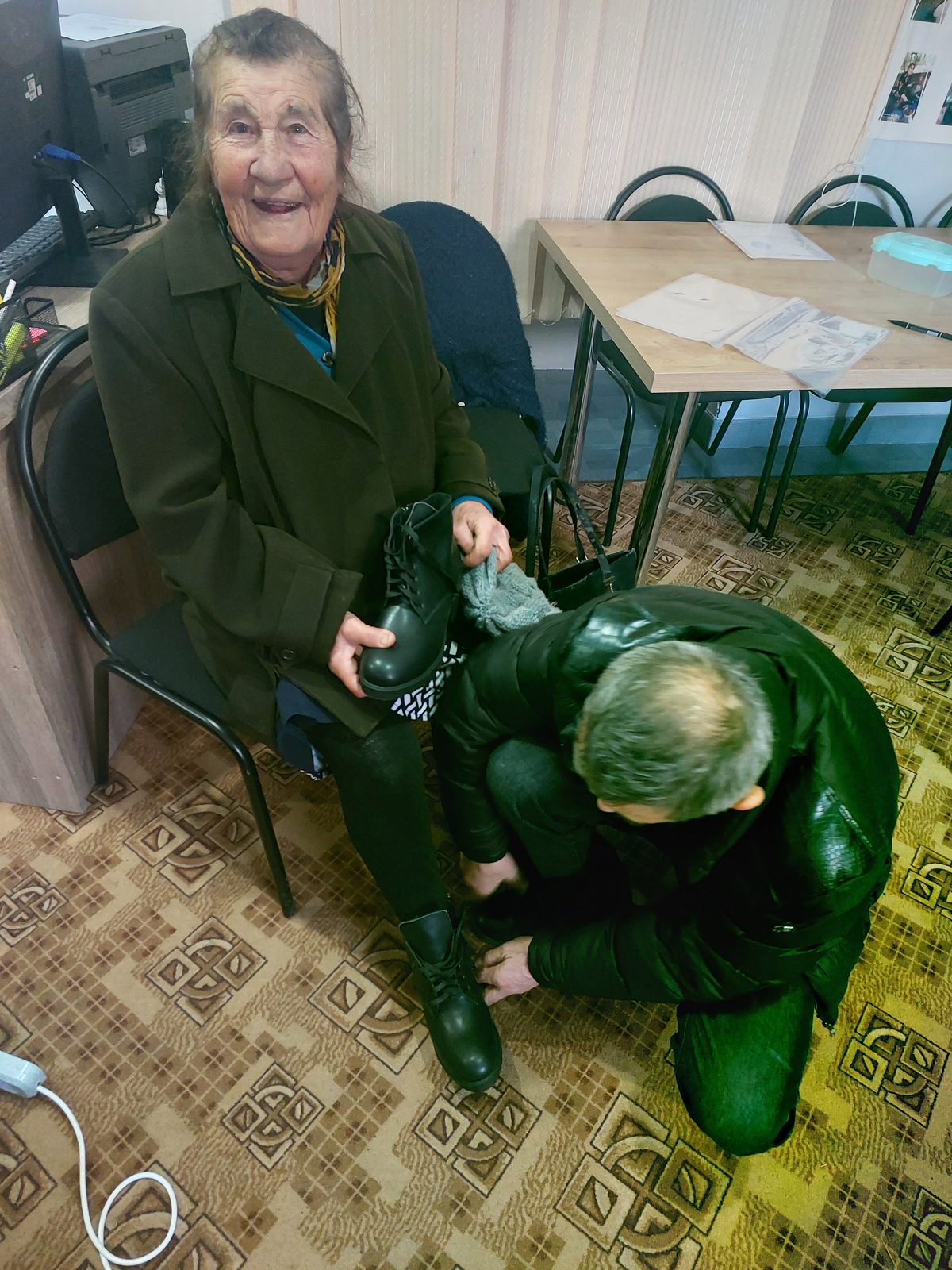
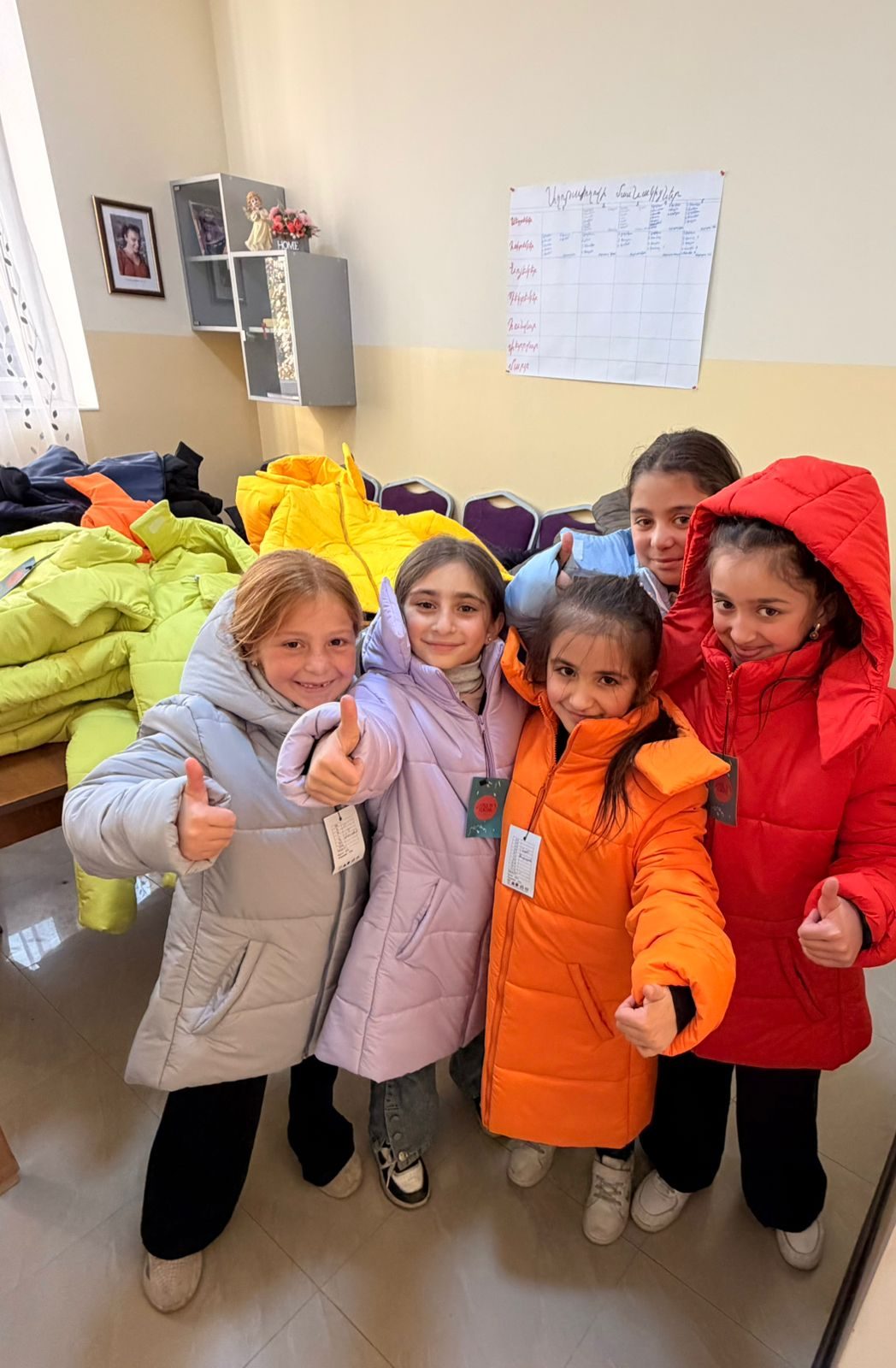
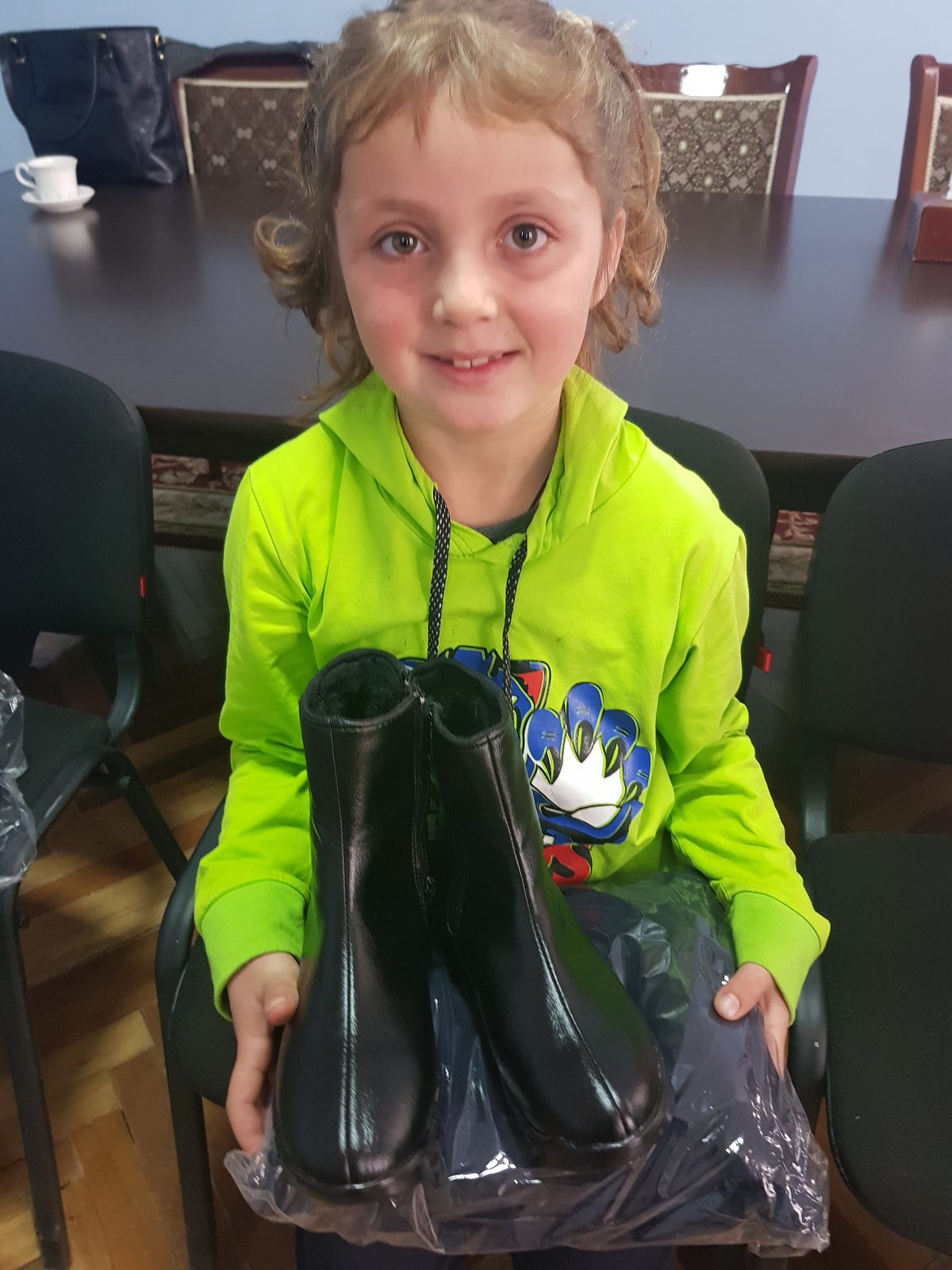
In the face of economic hardship and displacement, families across Armenia frequently lack weather-appropriate clothing and basic household goods. Children outgrow their shoes before the school year ends, elderly citizens endure winters without adequate coats, and refugee families often arrive with nothing but the clothes they are wearing.
Action & Intervention
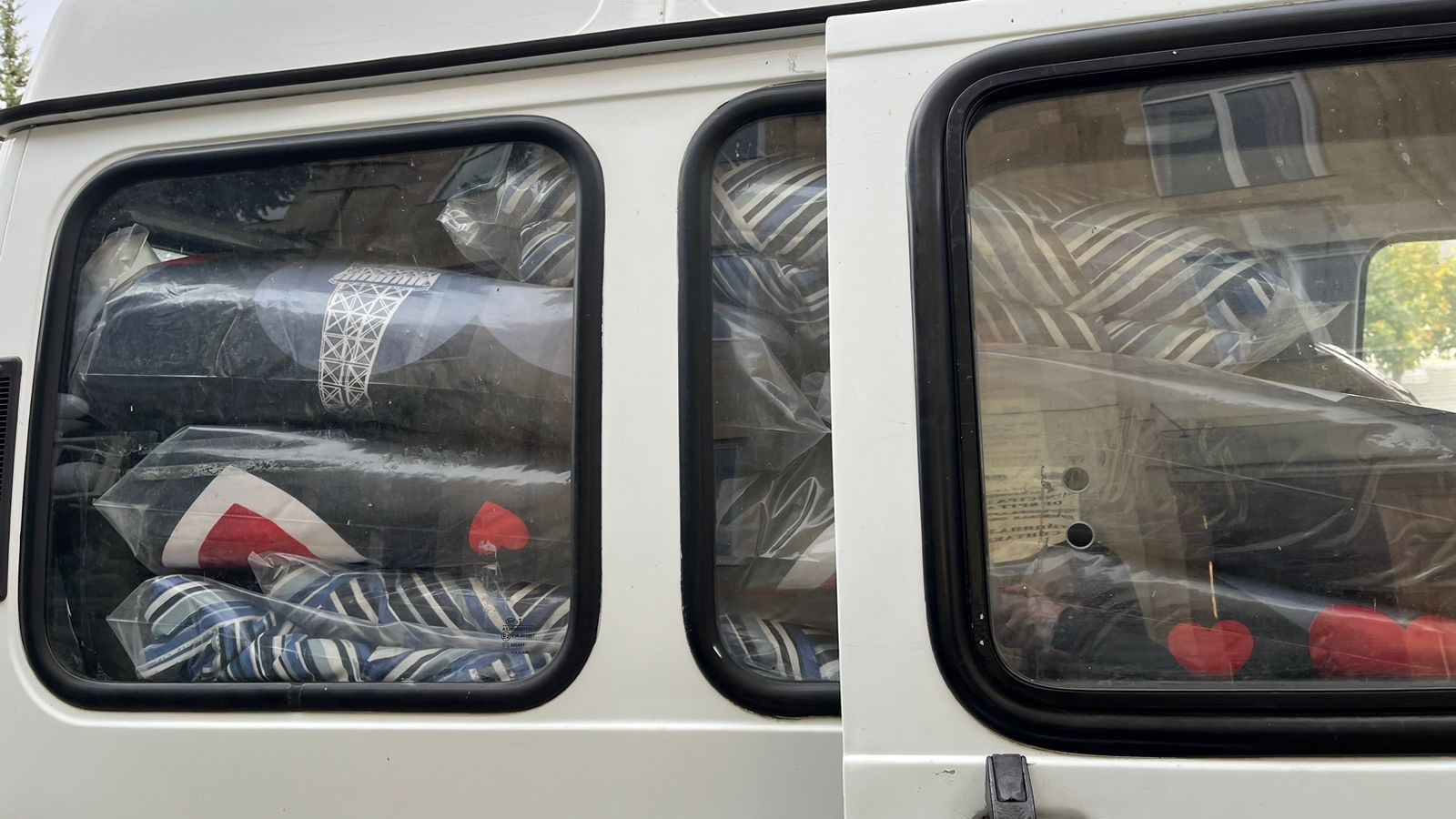
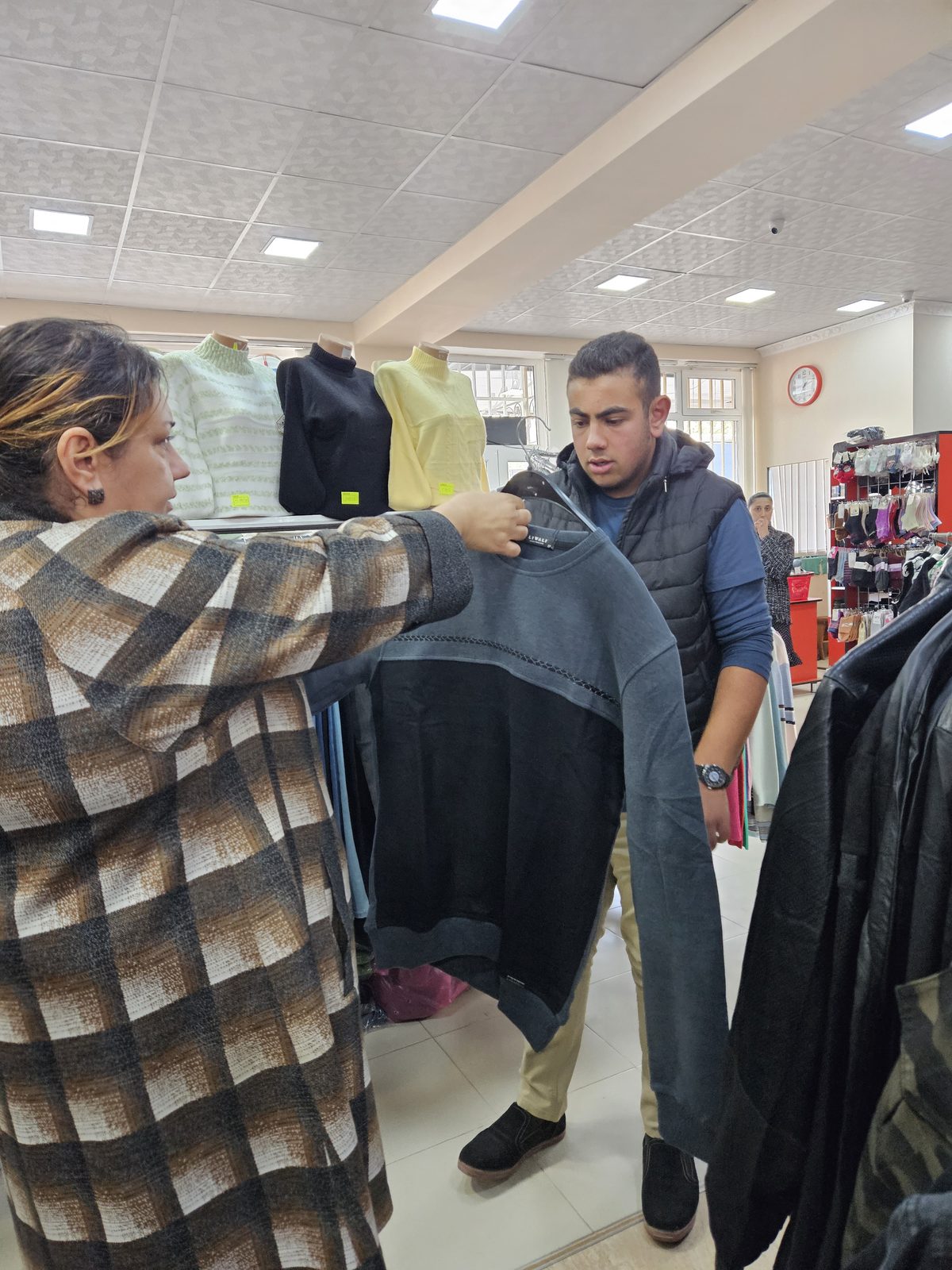
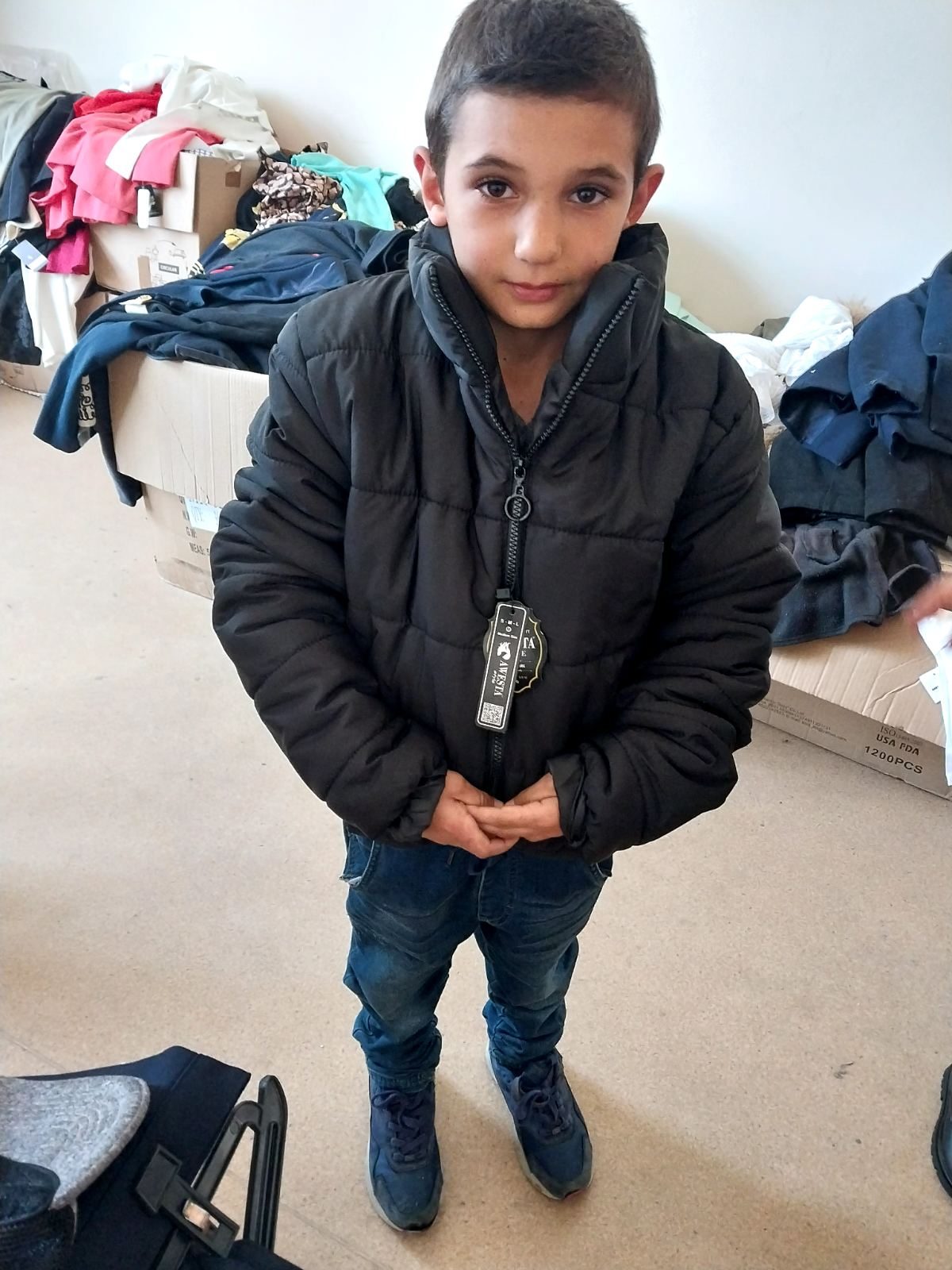
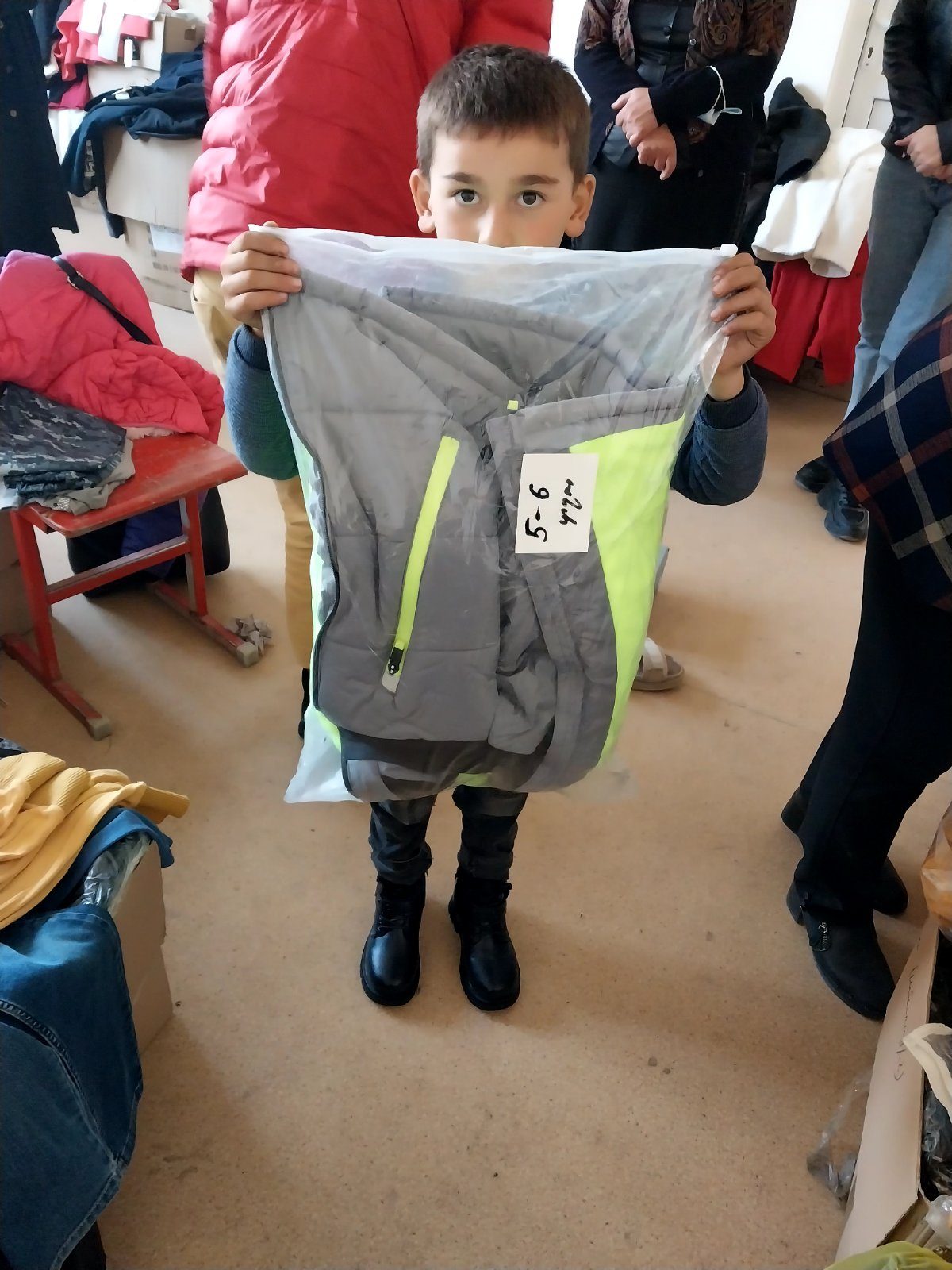
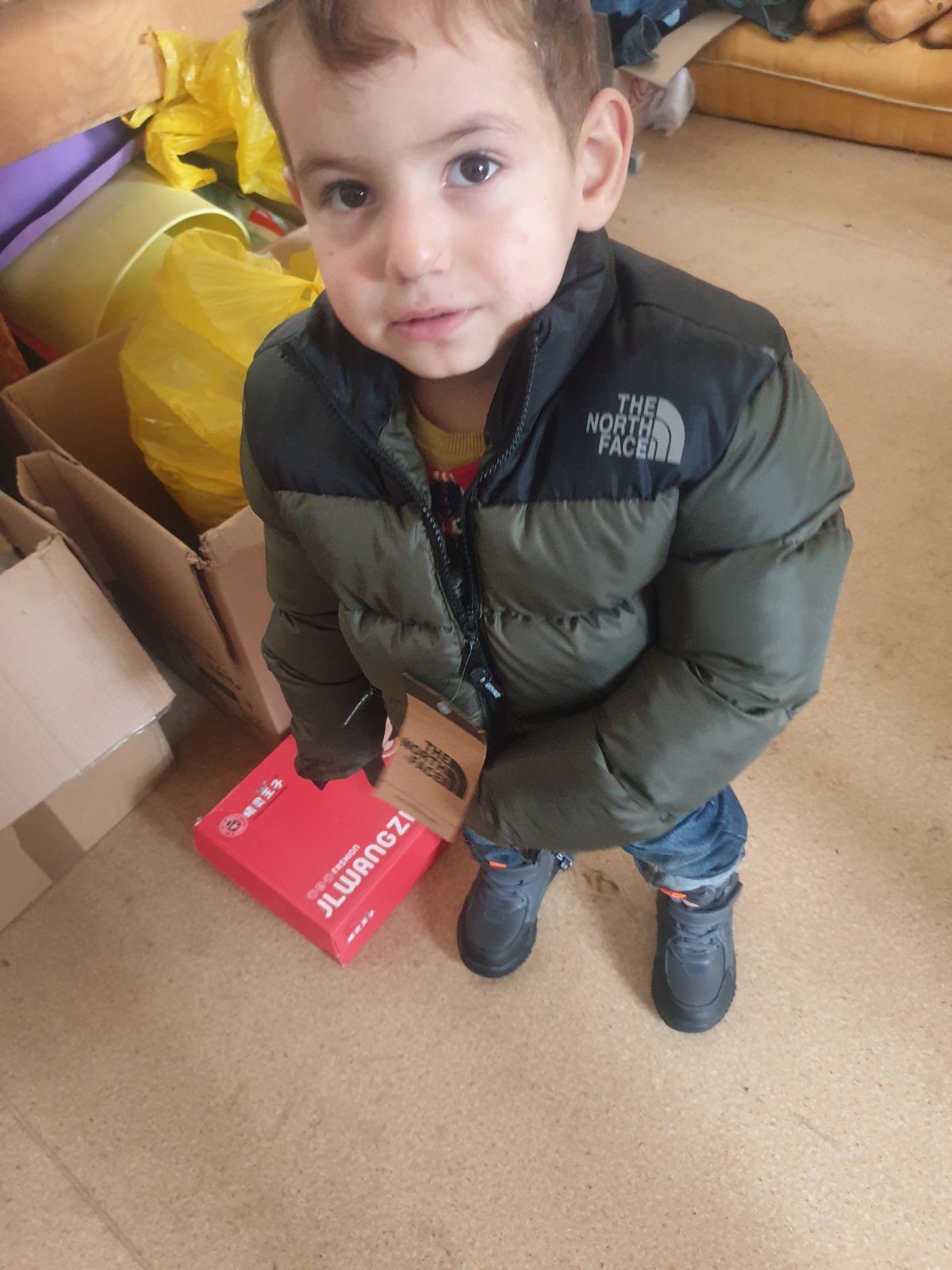
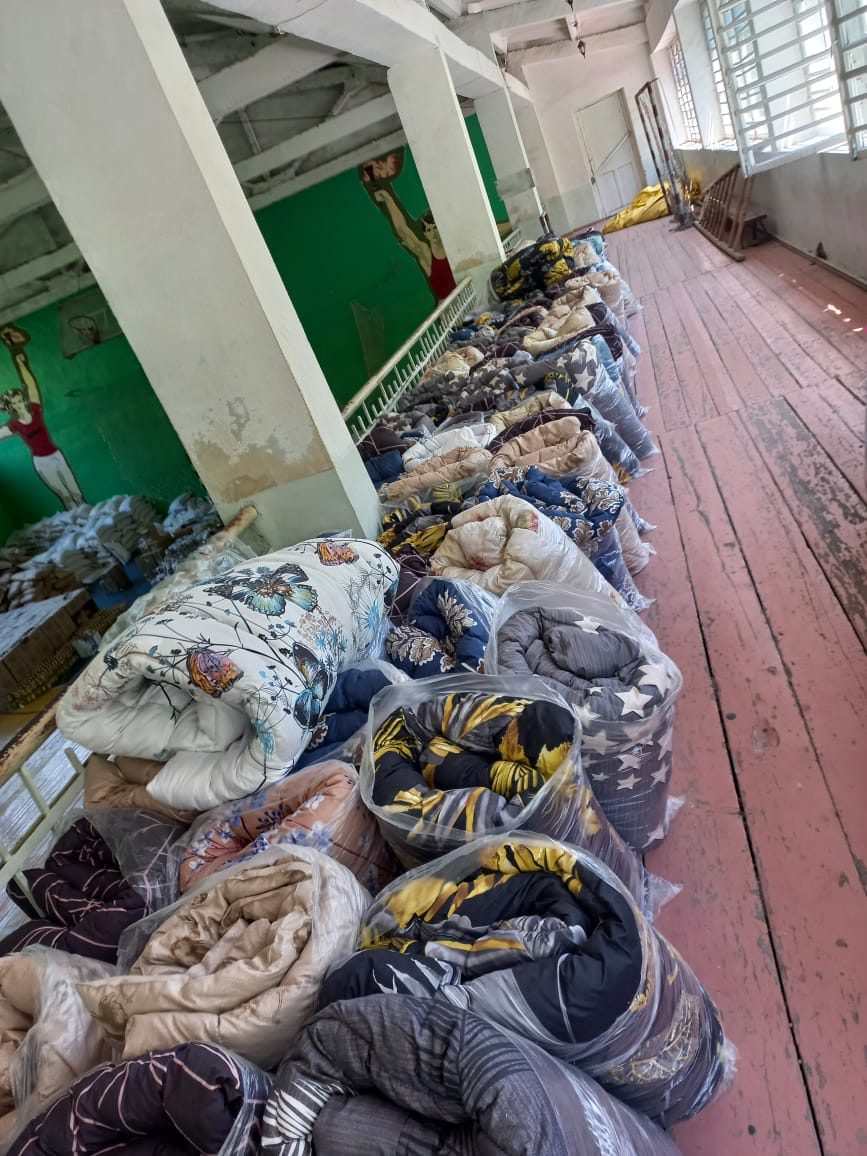
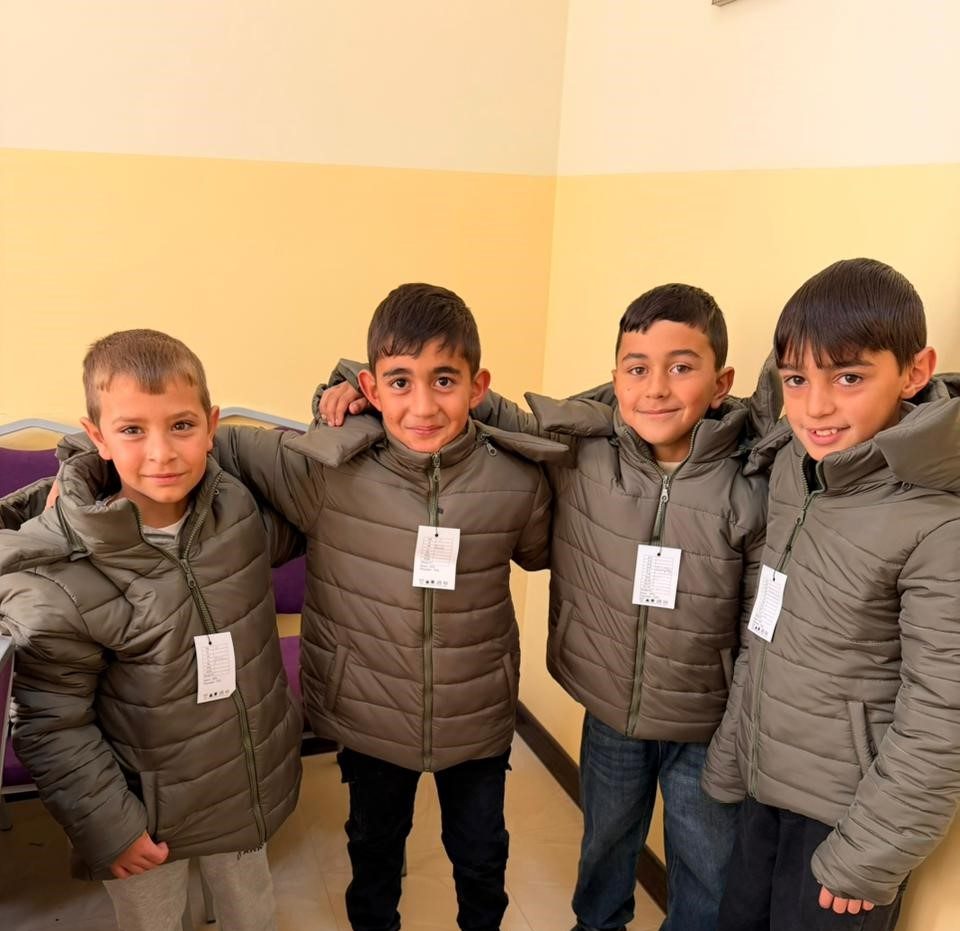
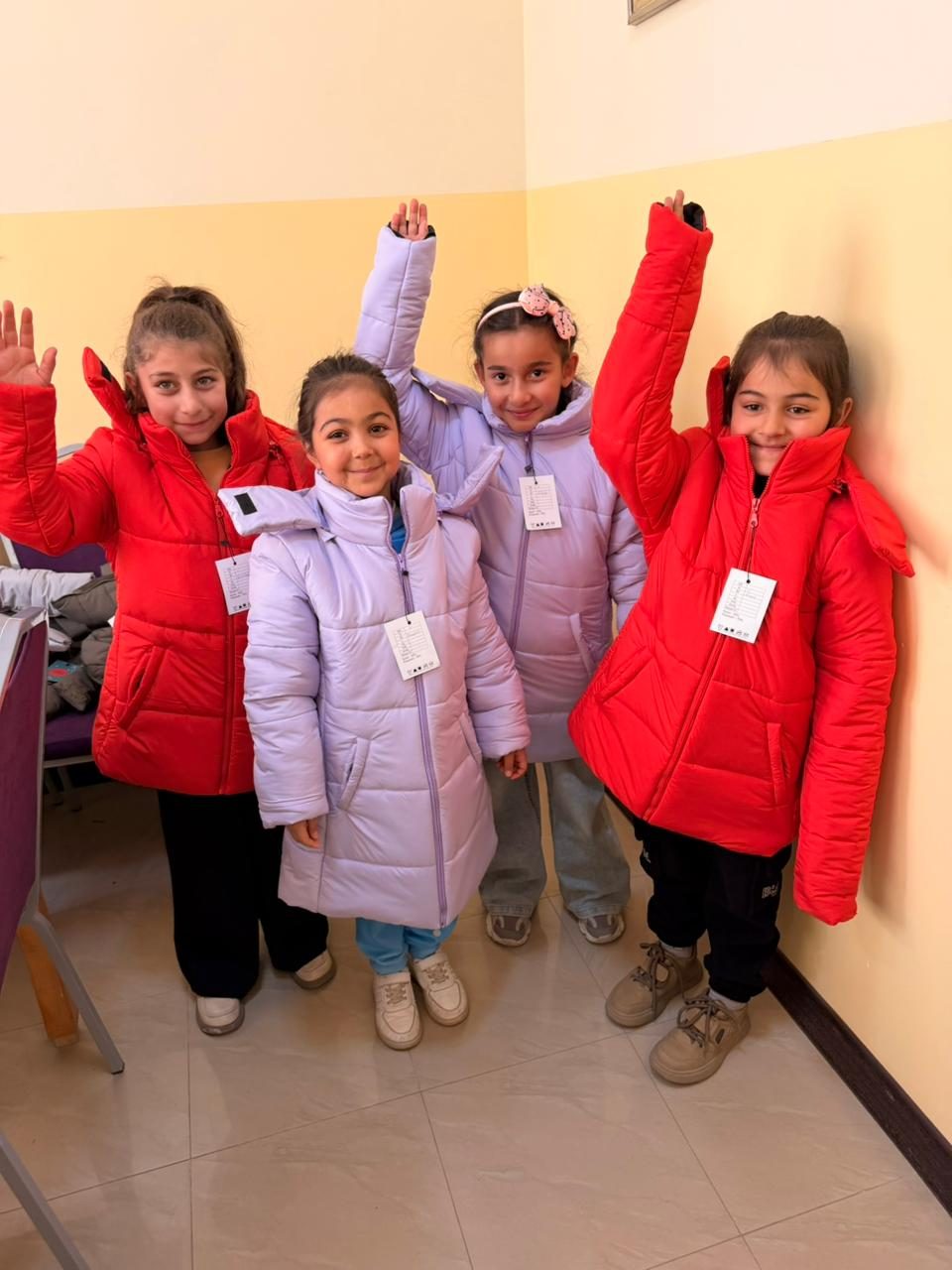
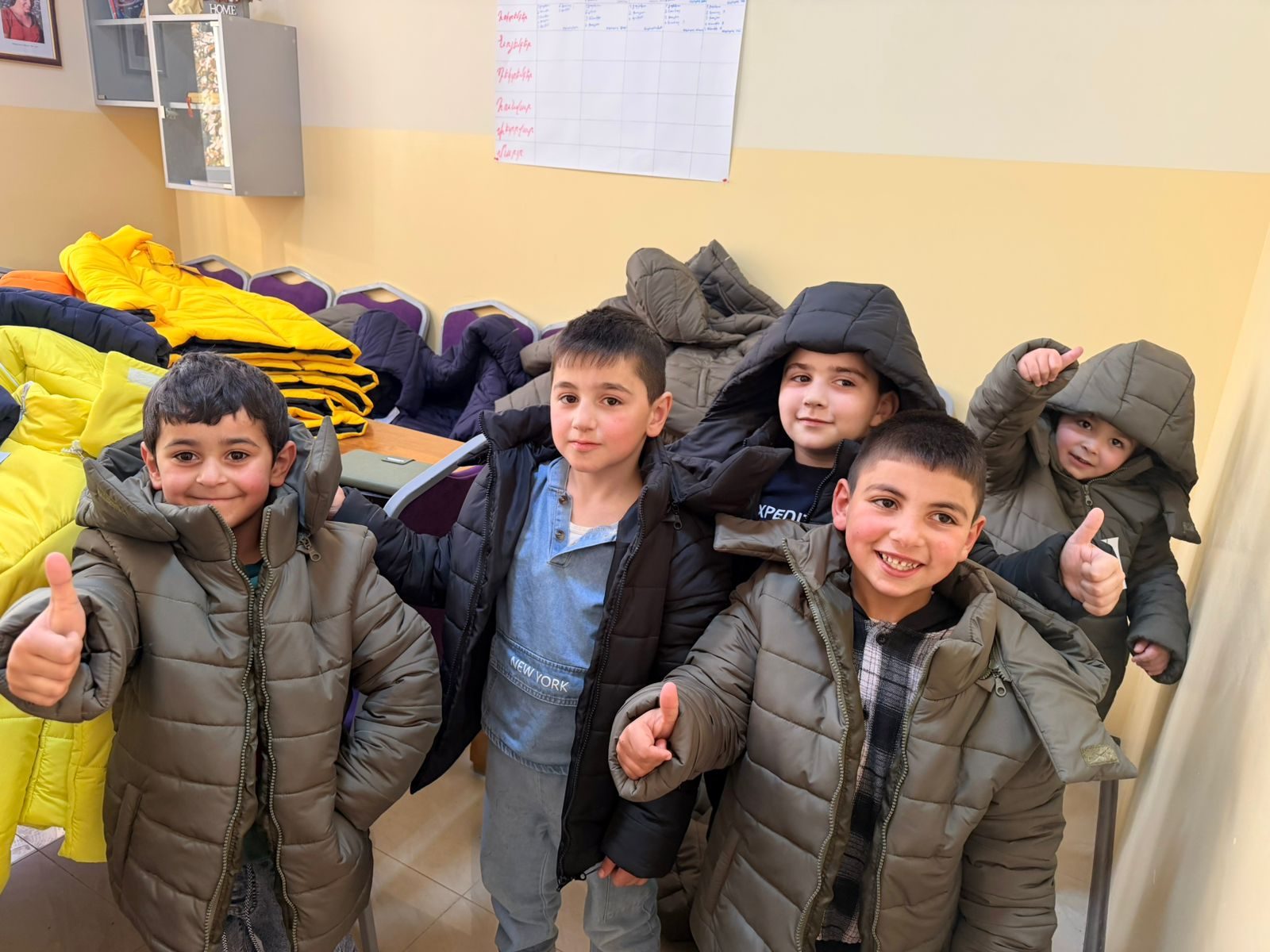
Little Bridge NGO conducts large-scale, targeted distributions of seasonal necessities. We provide school shoes, sportswear, heavy winter coats, socks, tights, bathrobes, bed linen, and essential household goods. By outfitting children, the elderly, and newly arrived refugees across the country, we restore comfort and protect them from the elements.
Result & Sustainable Impact
Environmental Protection: Shields vulnerable bodies from Armenia's severe seasonal shifts, preventing illness.
Social Inclusion: Ensures children can attend school and adults can participate in society without the stigma of inadequate or damaged clothing.
Household Restoration: Helps displaced or deeply impoverished families slowly rebuild the domestic comforts of a functioning home.
📷 Field Gallery
🔑Rent Support9.4M AMD▼
Situation Analysis & Needs Assessment
In urban centers like Yerevan and culturally significant areas like Haghpat, the cost of housing places a crushing burden on low-income families. Sudden economic shocks, medical emergencies, or job losses can immediately tip a vulnerable household into eviction. Homelessness in these regions is not just a loss of shelter; it is a total disruption of a family's economic and social network.
Action & Intervention
We act as the final safety net for families standing on the precipice of homelessness. By providing direct monthly rent payments, we stabilize households that are at immediate risk of losing their housing. This intervention buys families the critical time they need to recover from financial shocks without the devastating trauma of eviction.
Result & Sustainable Impact
Eviction Prevention: Directly halts the pipeline to homelessness, keeping families intact and off the streets.
Network Preservation: Keeps children in their local schools and adults near their places of employment.
Financial Runway: Gives households the breathing room required to secure new employment or restructure their finances without panic.
💰Individual Financial Aid60M AMD▼
Situation Analysis & Needs Assessment
Systems and programs are vital, but poverty is deeply individualized. Extreme vulnerability often presents as highly specific, unique crises: a sudden transportation need for a life-saving treatment, an uncovered medical copayment, or an unforeseen emergency that standard programmatic aid cannot address quickly enough.
Action & Intervention
Little Bridge NGO maintains a flexible, rapid-response financial mechanism for extremely vulnerable individuals. We distribute direct cash assistance, monthly stipends, targeted bonuses, and specific financial grants. This agile approach allows us to solve micro-crises that would otherwise completely derail an individual's life, filling the gaps that broader programs might miss.
Result & Sustainable Impact
Surgical Intervention: Solves highly specific bottlenecks (e.g., funding a bus ticket to a job interview or a hospital) that prevent individuals from moving forward.
Autonomy & Trust: Cash assistance honors the agency of the beneficiary, trusting them to allocate resources where their family needs it most.
Ultimate Safety Net: Ensures that no individual falls through the cracks of the broader humanitarian system due to bureaucratic rigidities.
Transforming physical environments and equipping individuals with the assets needed for financial independence.
🌾Seeds & Agriculture342M AMD · largest category by value▼
Situation Analysis & Needs Assessment
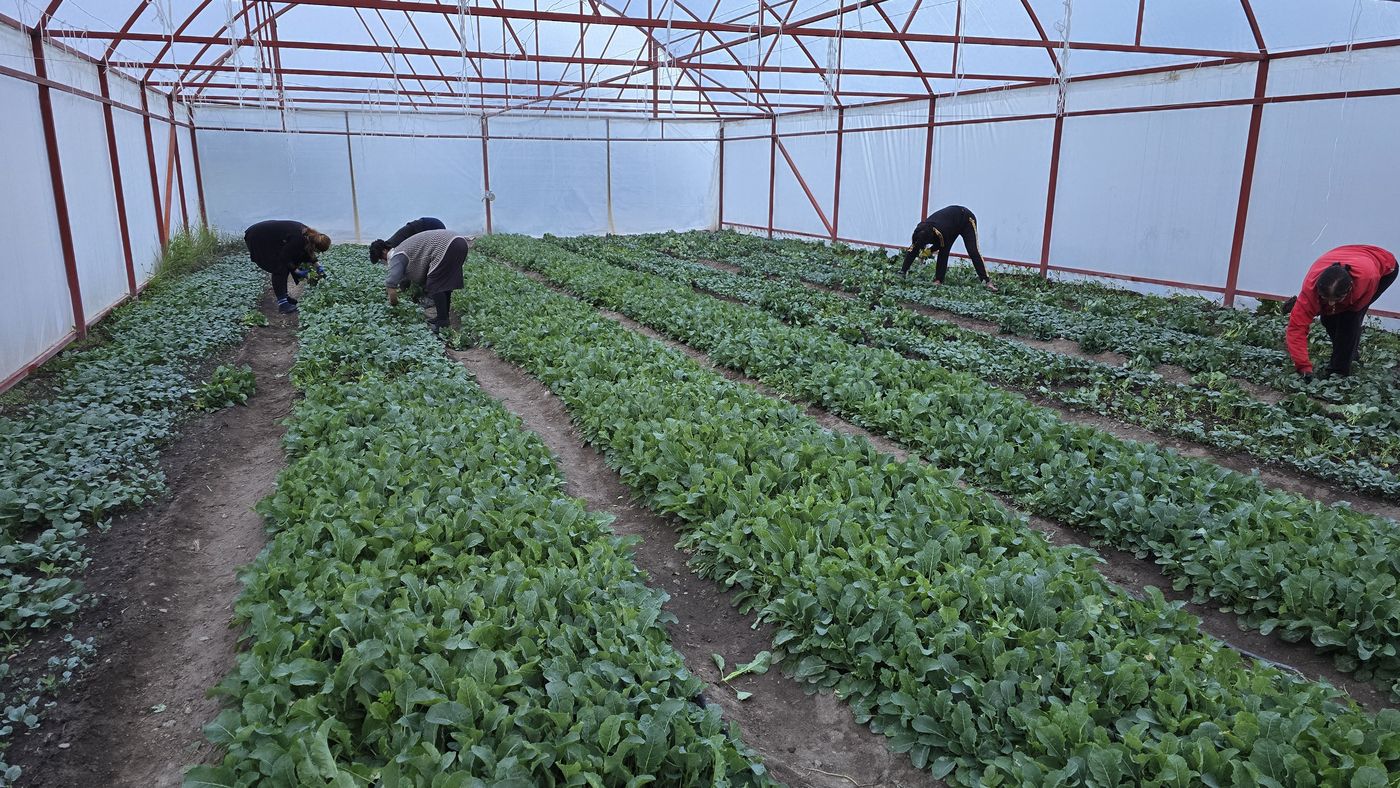
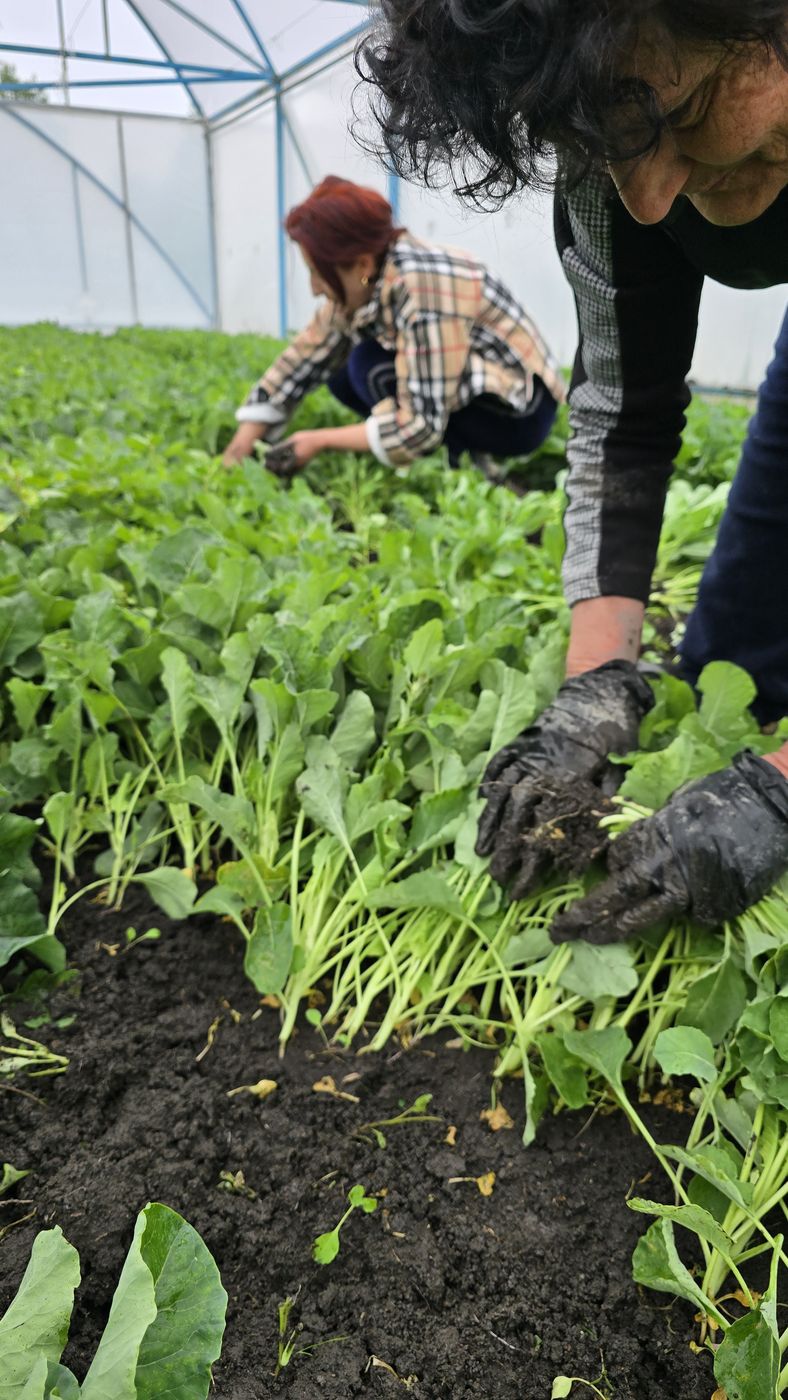
Rural Armenia holds immense agricultural potential, yet many families lack the initial capital required to cultivate their land or establish sustainable micro-enterprises. Without access to basic farming inputs, livestock, or processing equipment, families remain trapped in subsistence living, unable to generate a surplus or participate meaningfully in the local economy.
Action & Intervention
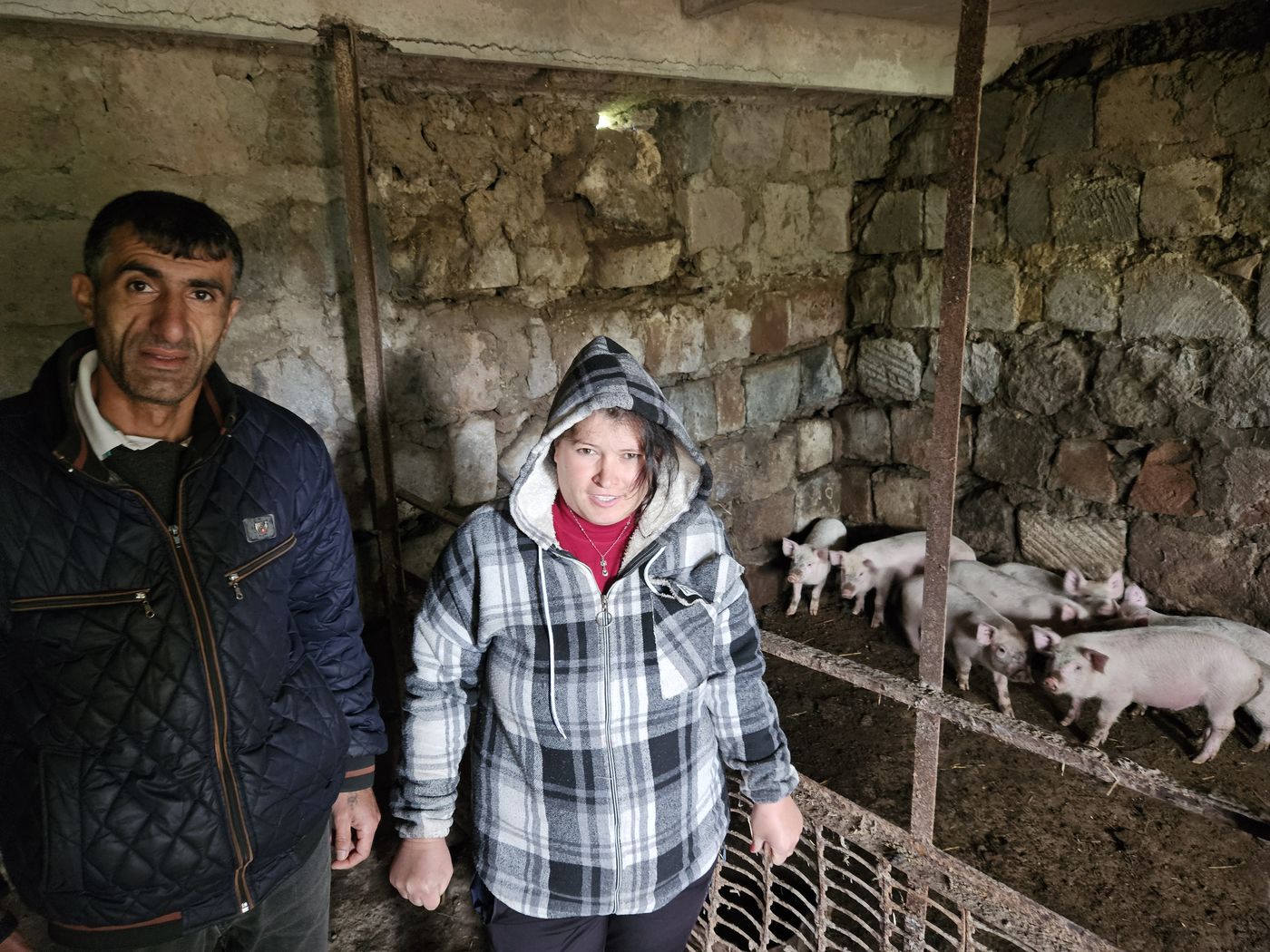
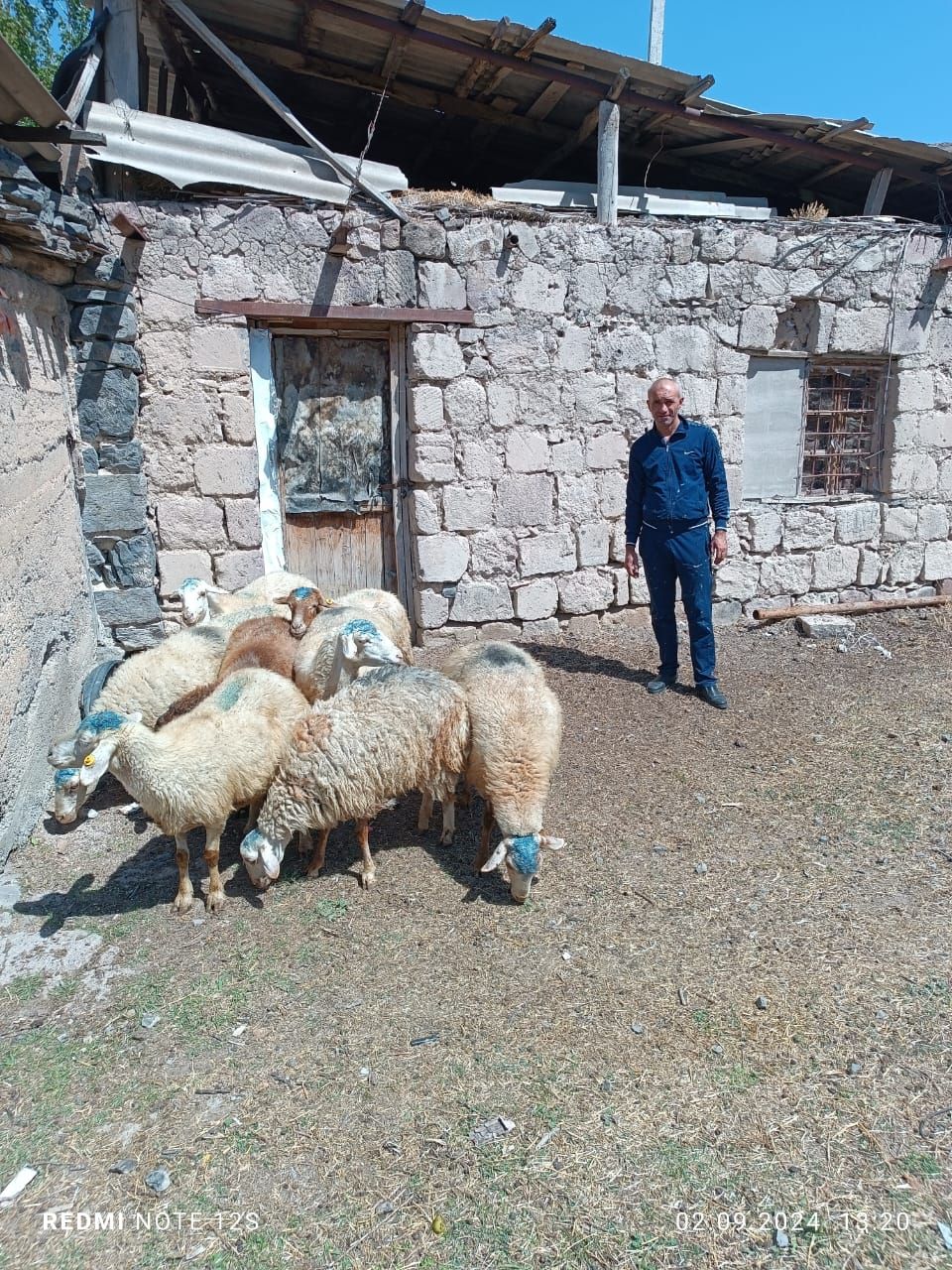
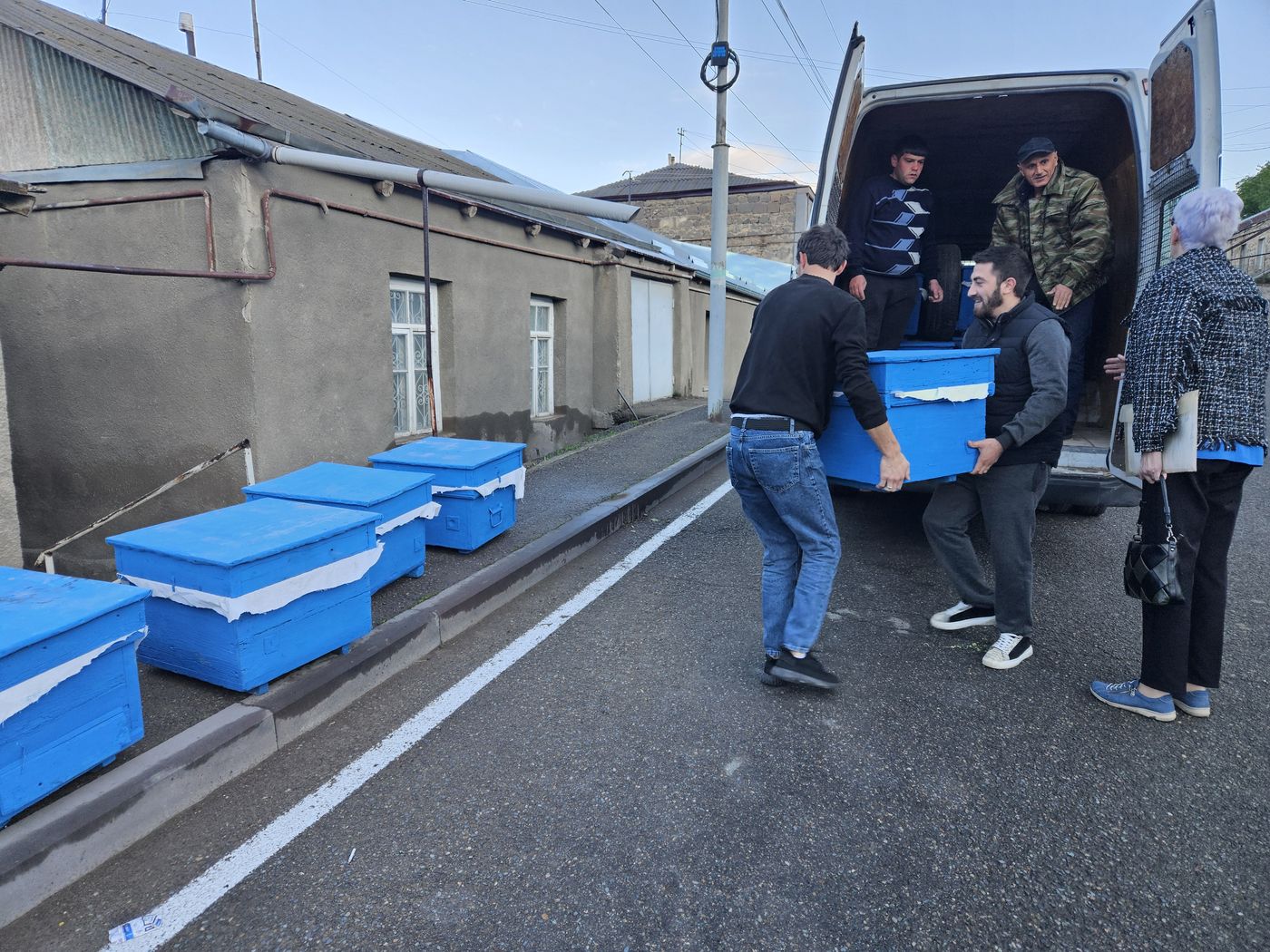
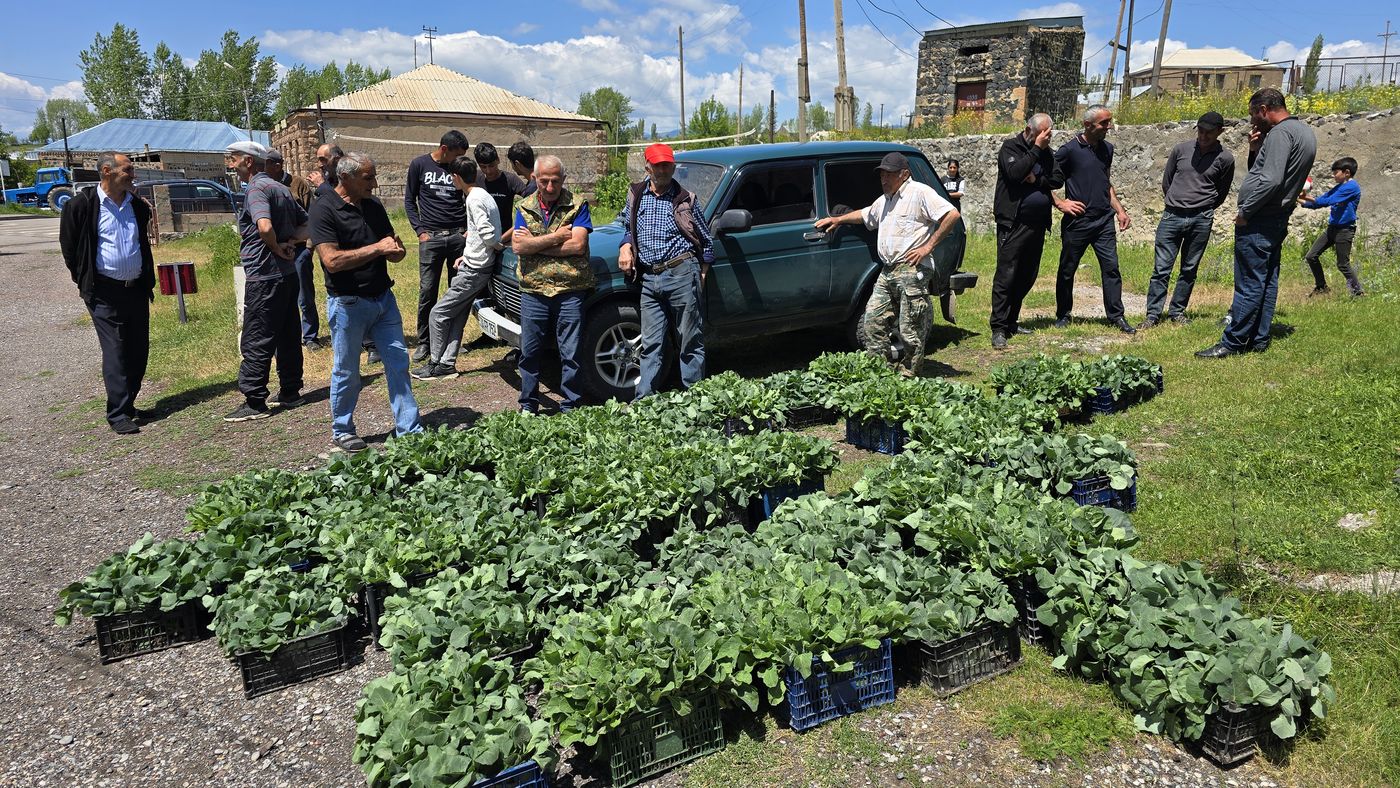
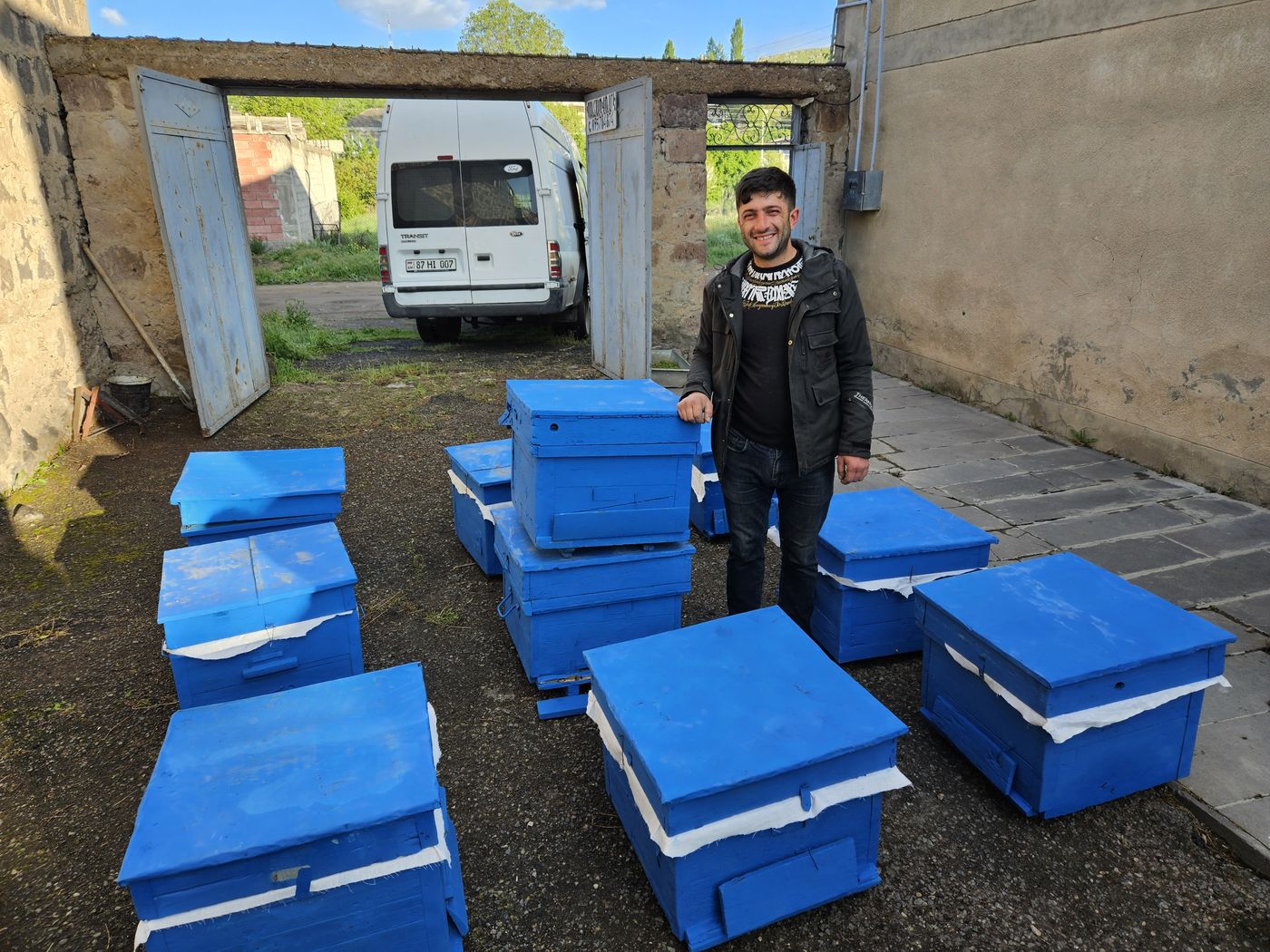
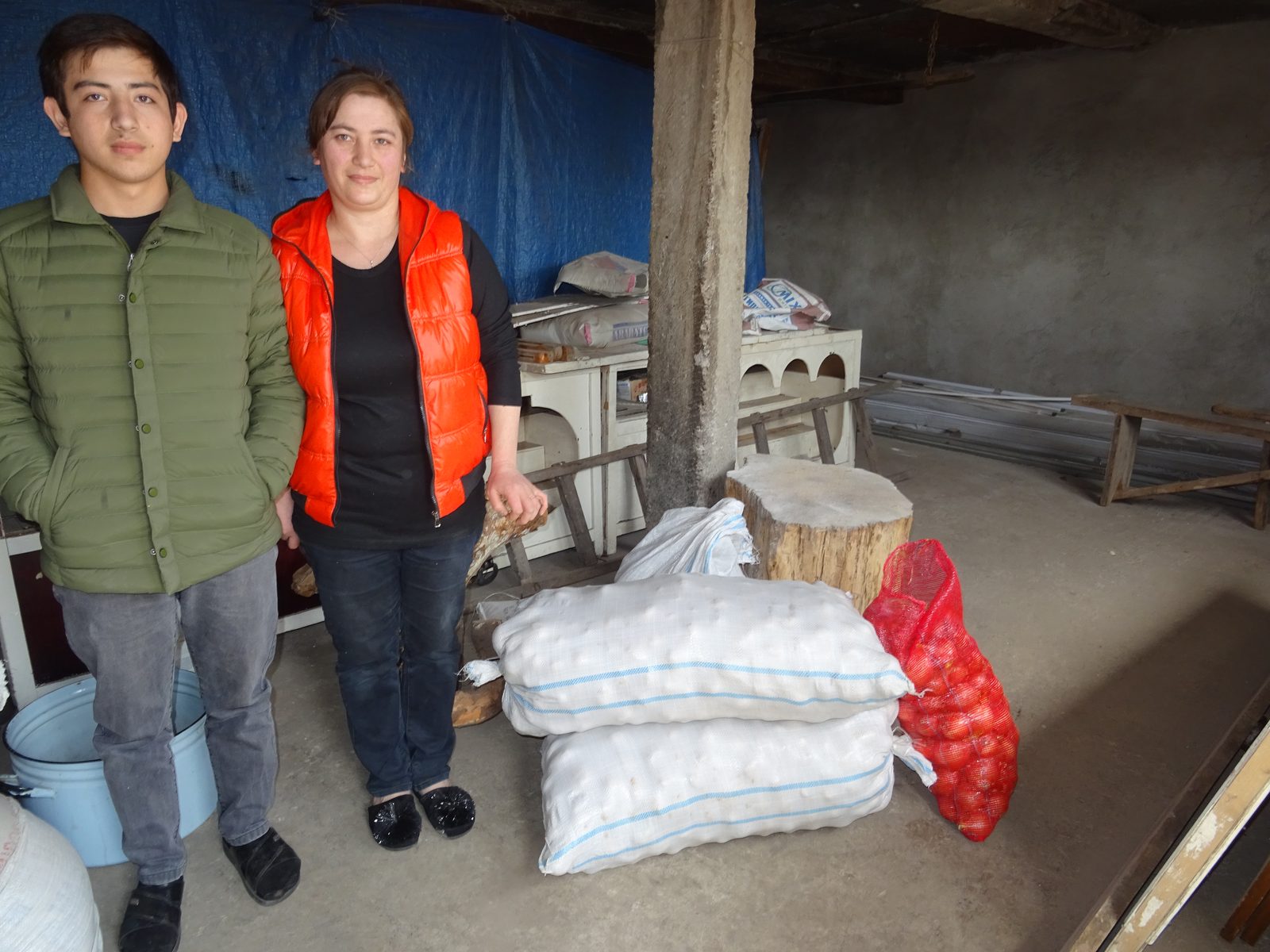
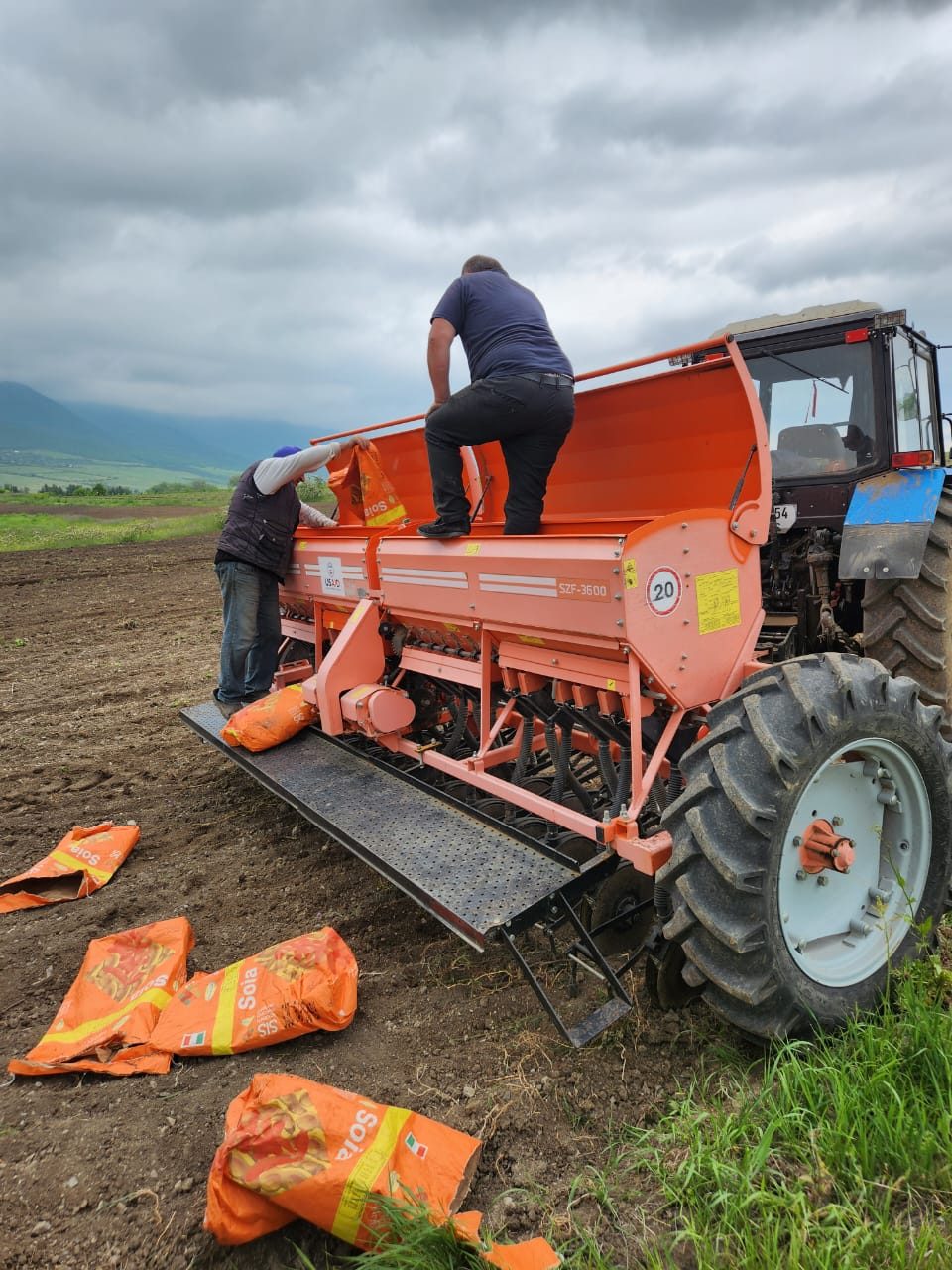
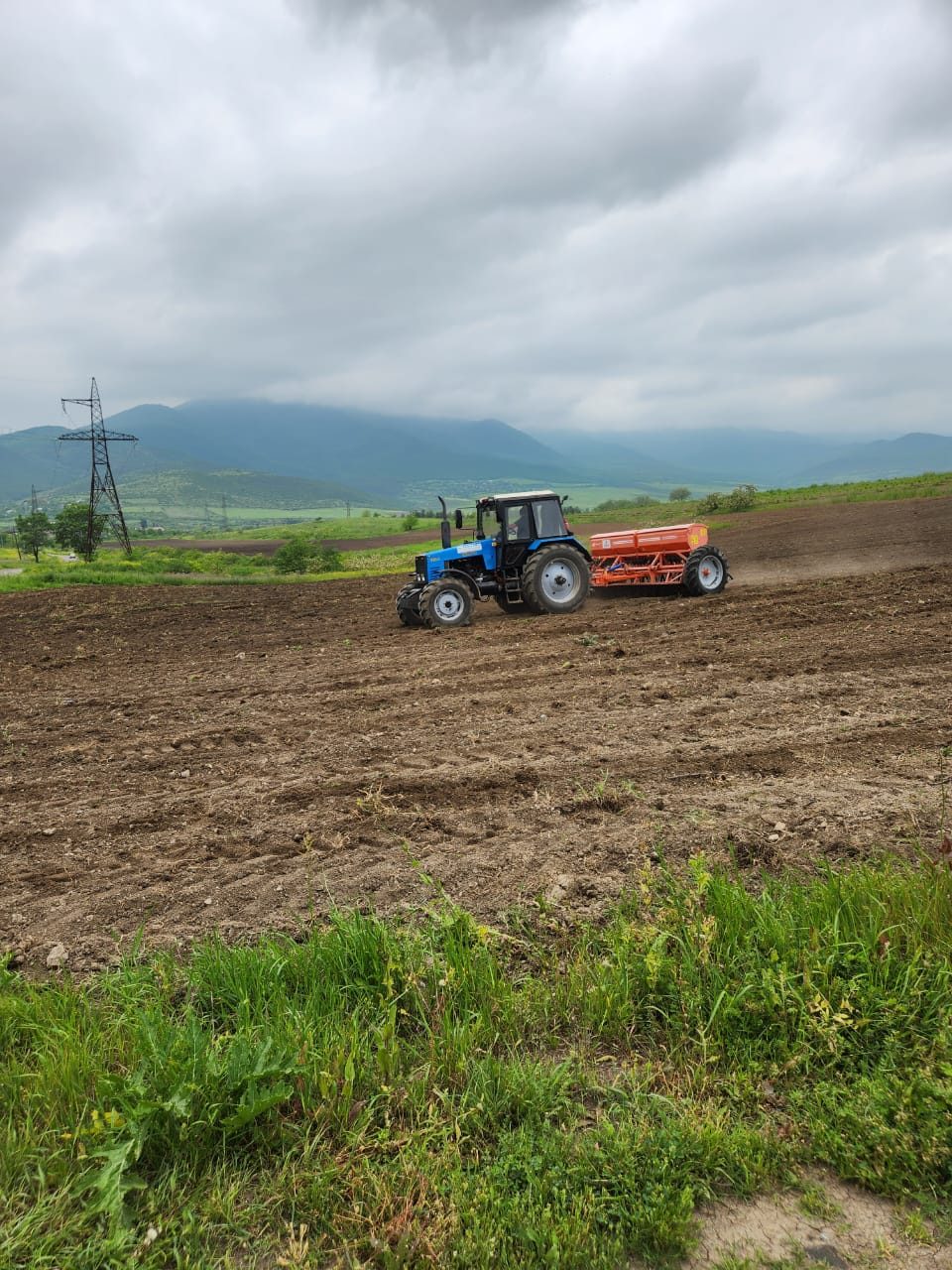
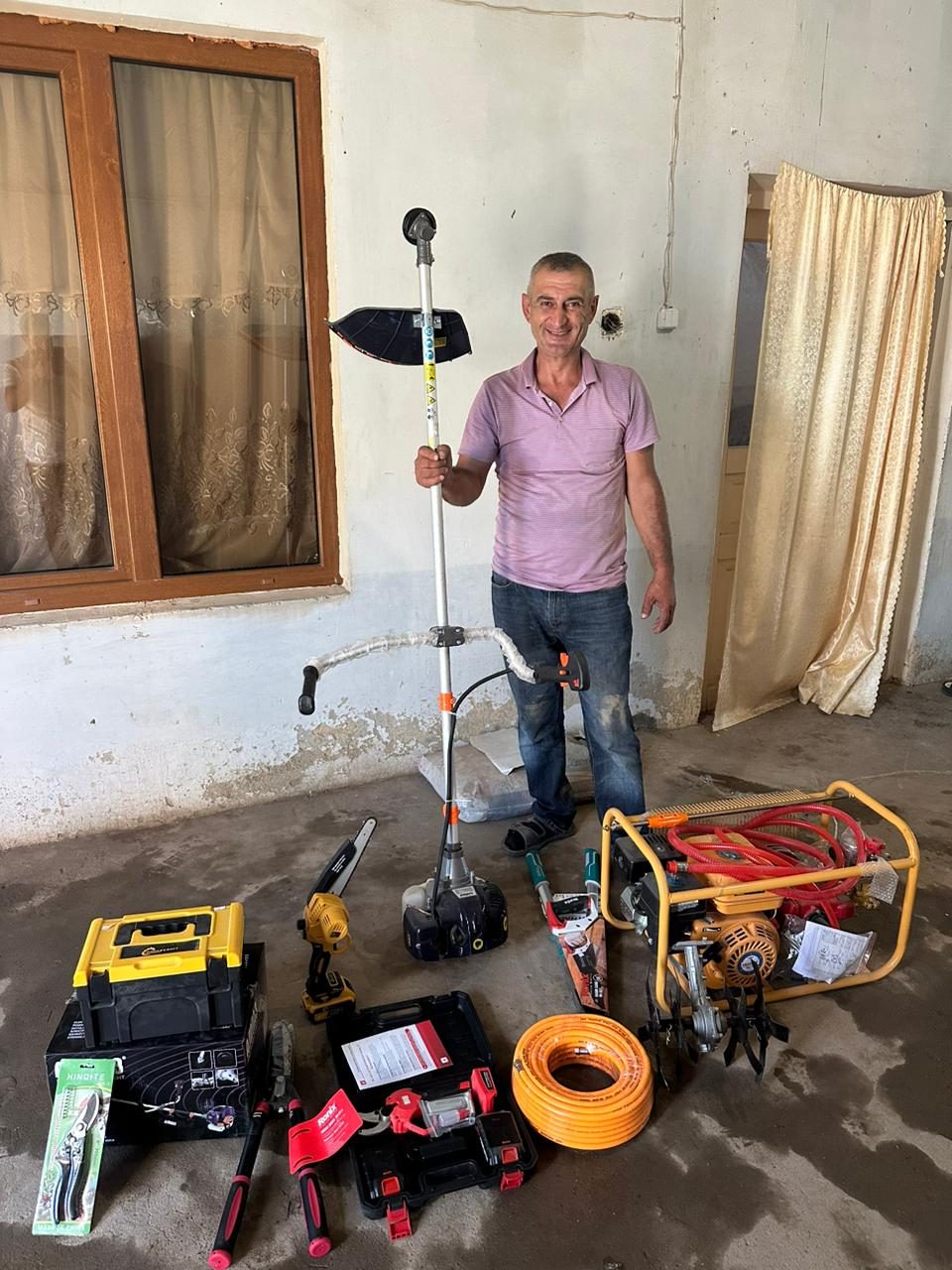
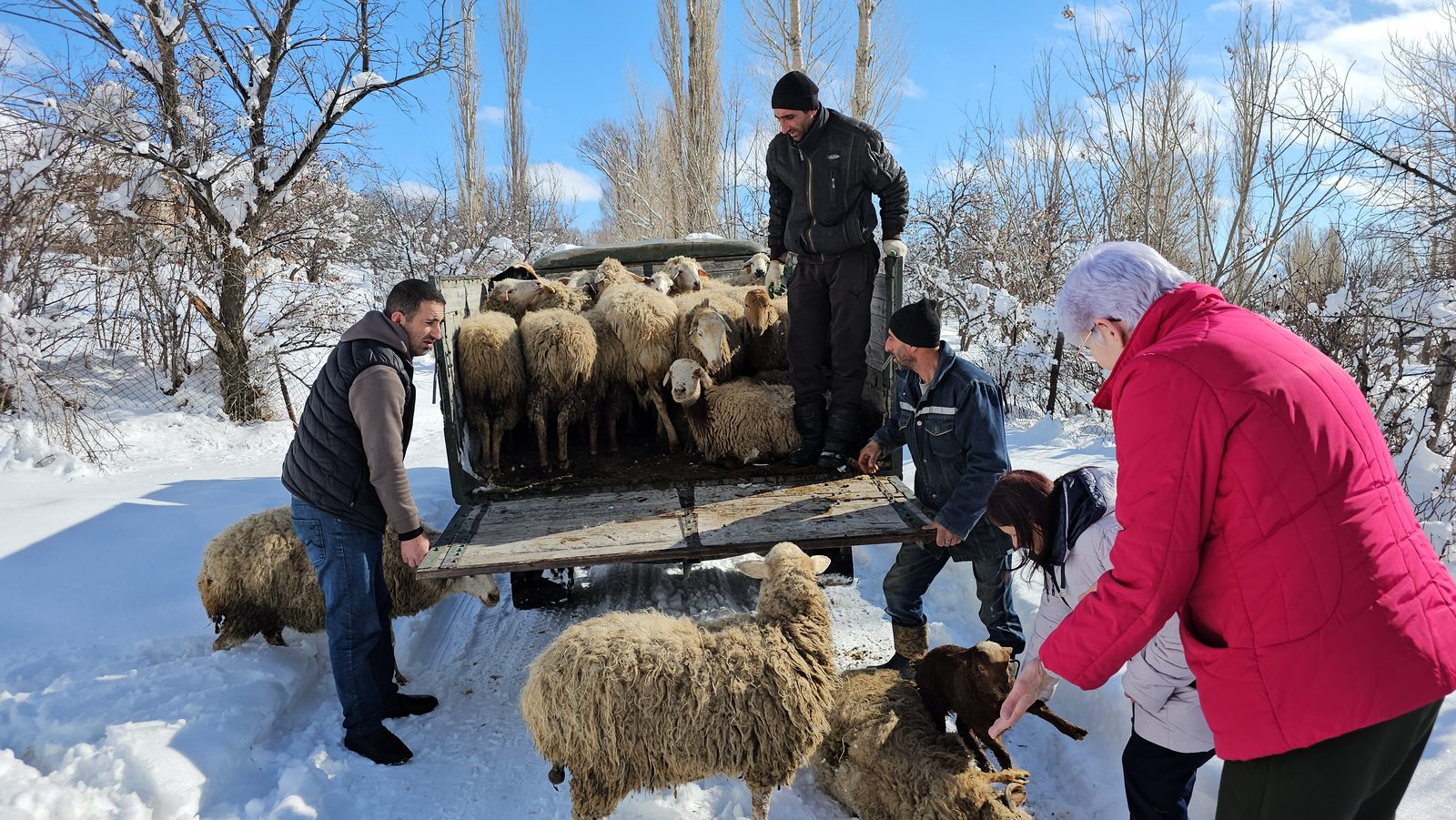
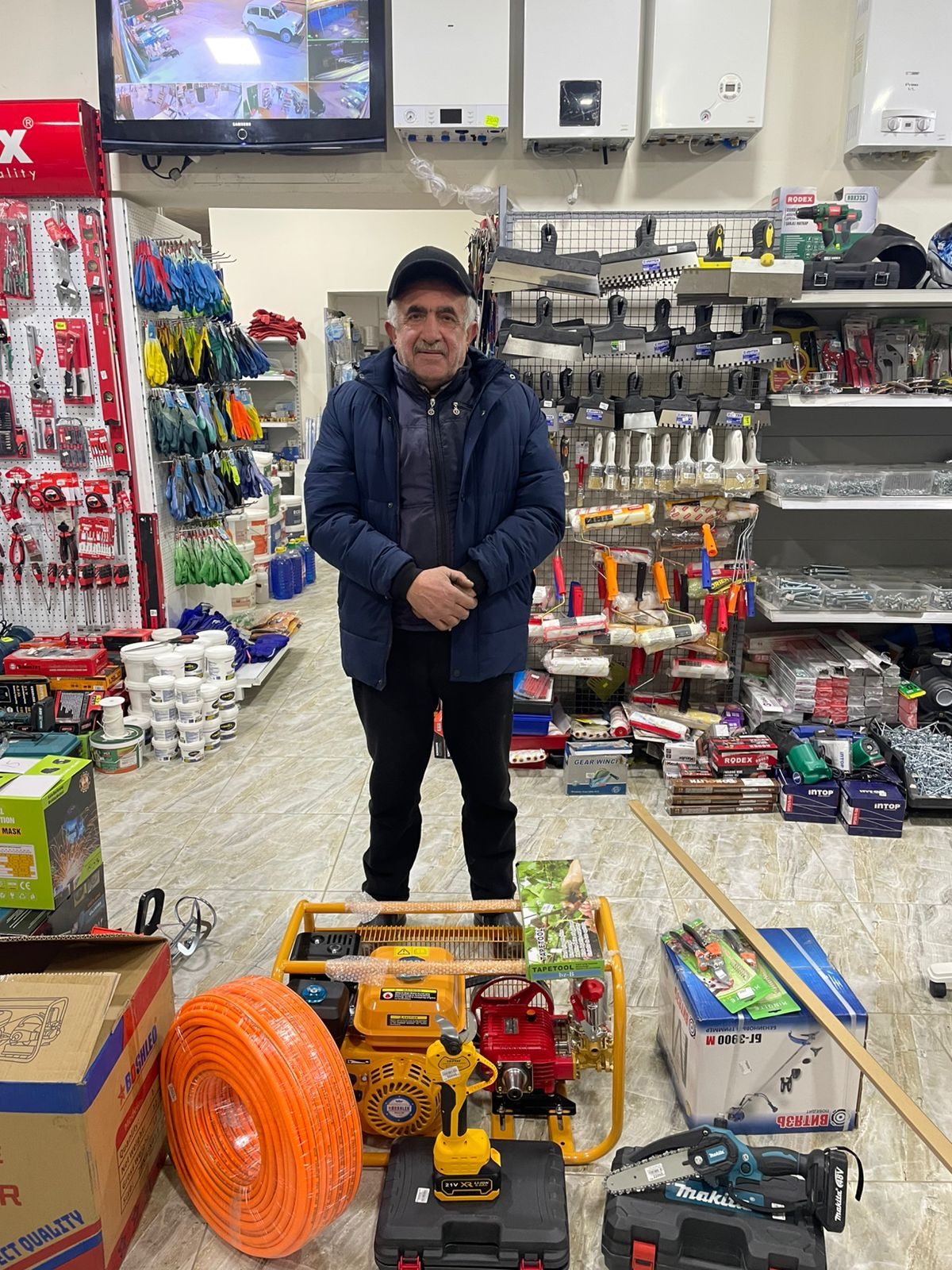
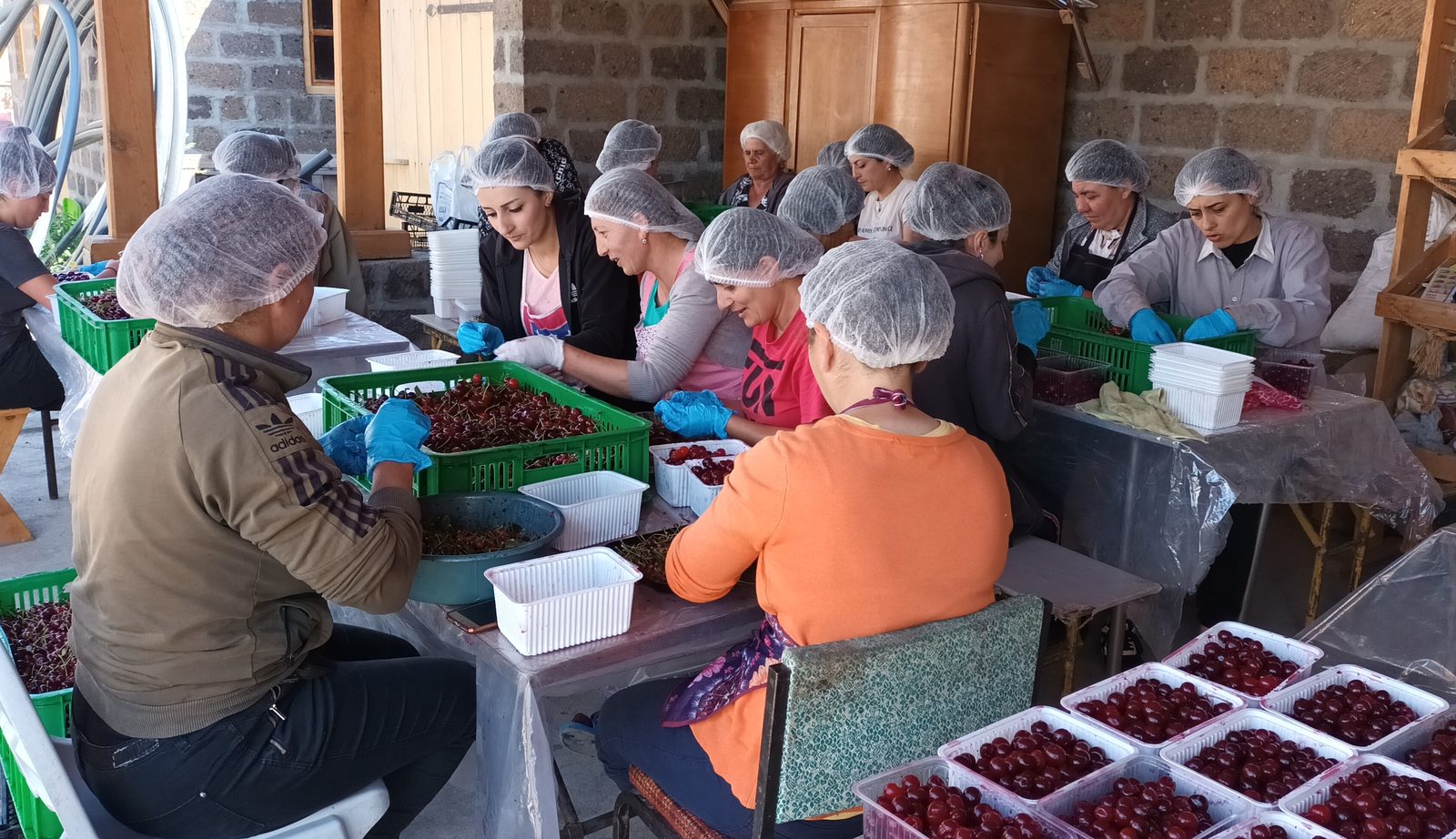
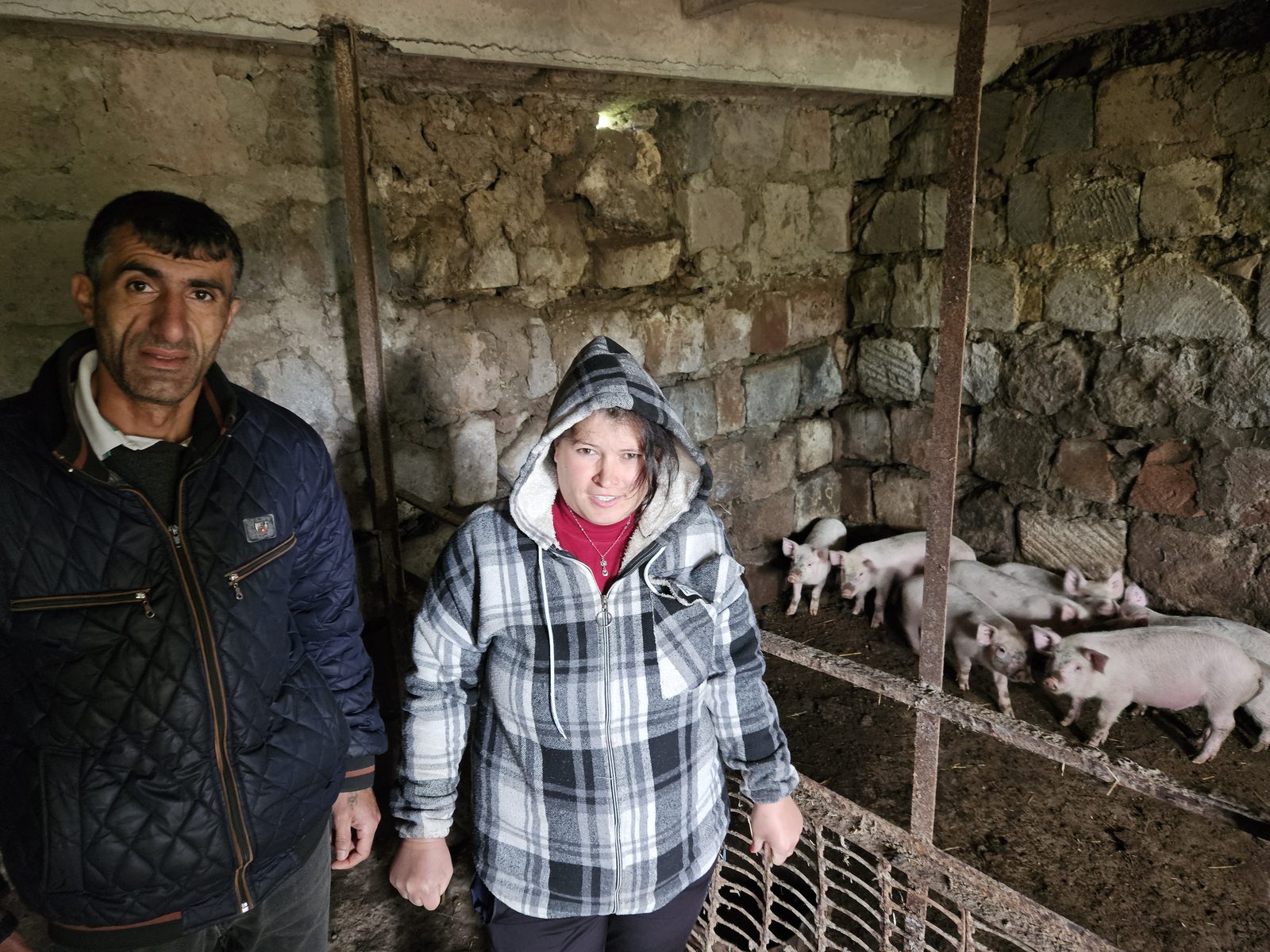
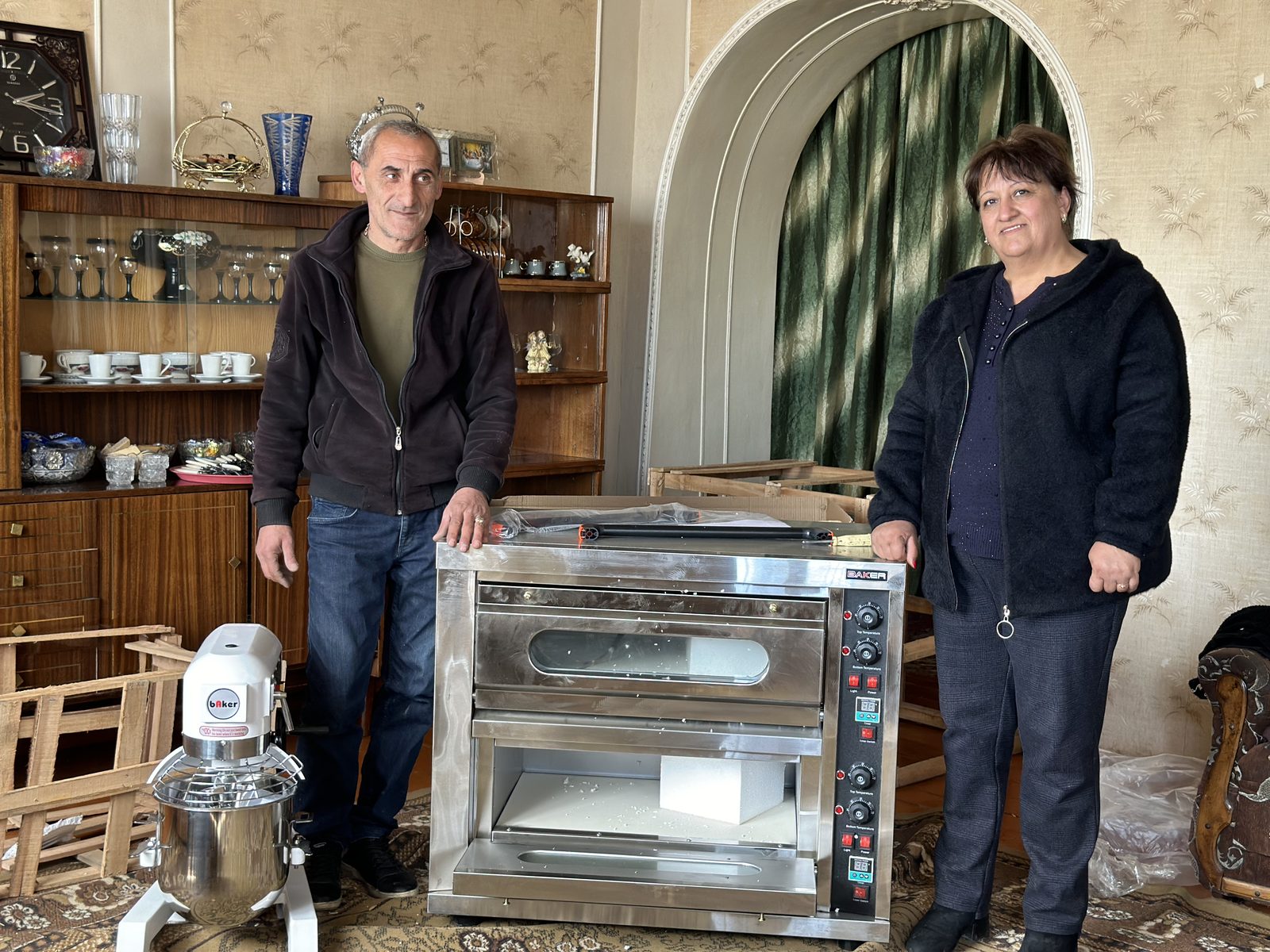
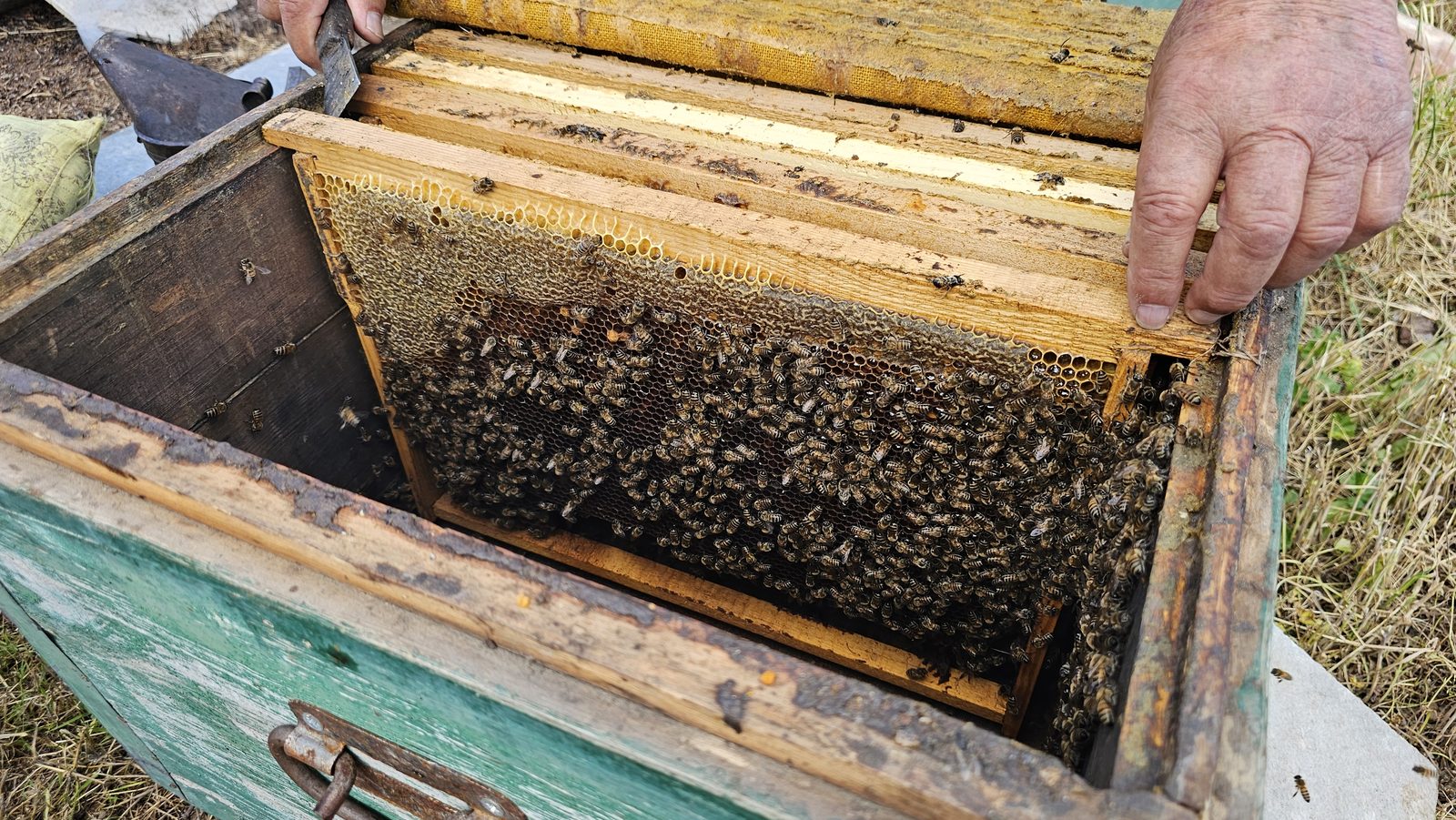
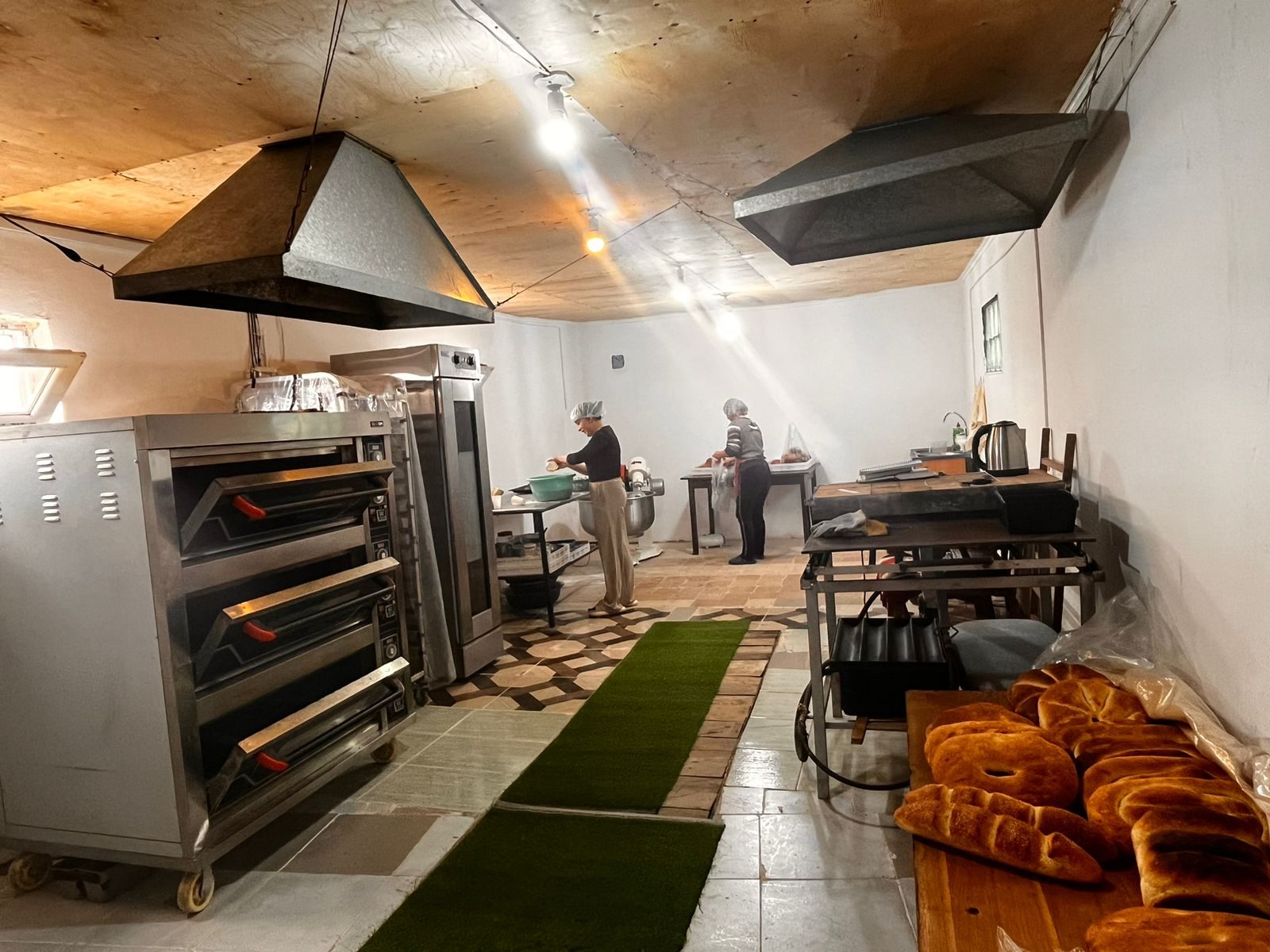
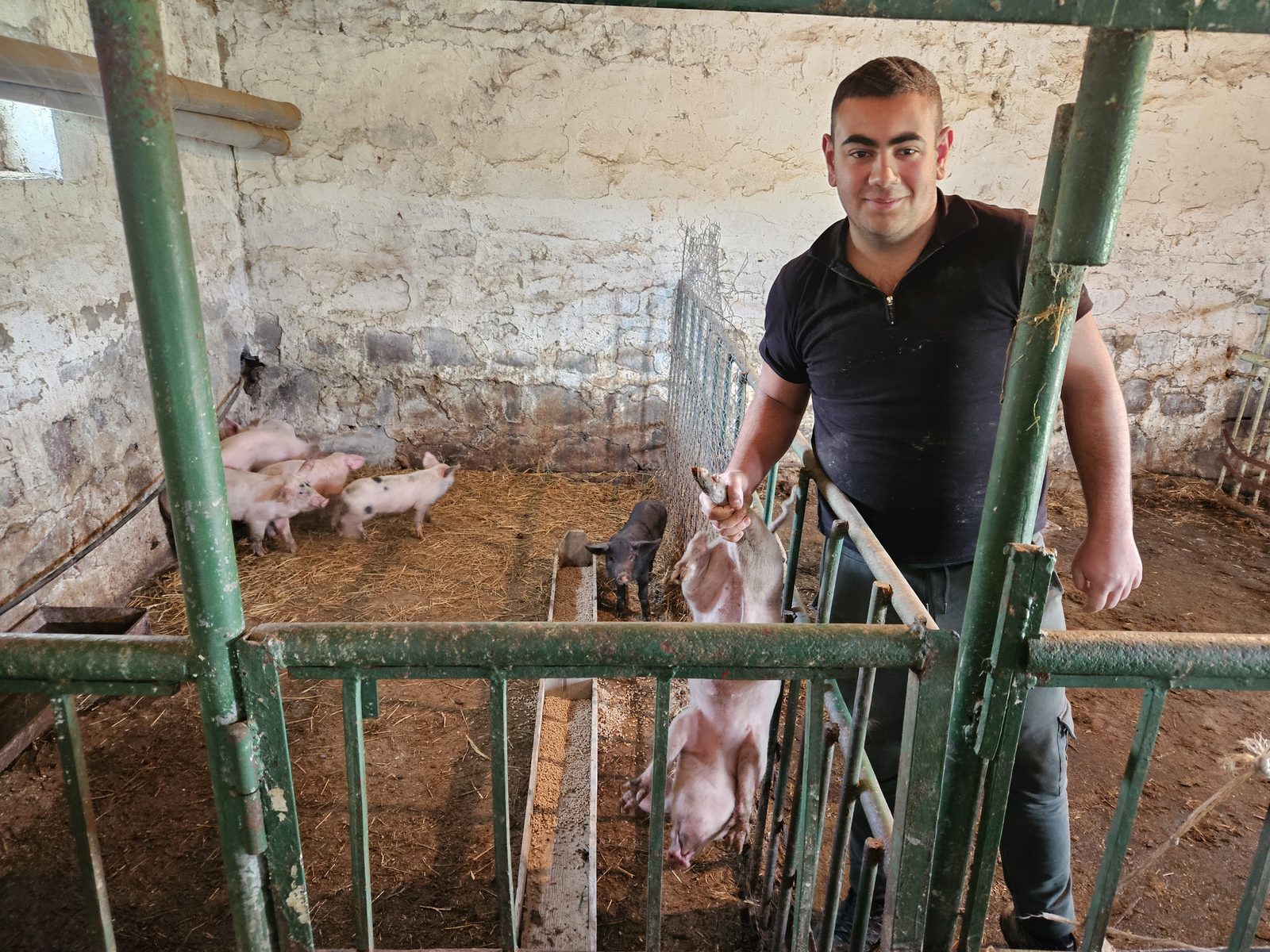
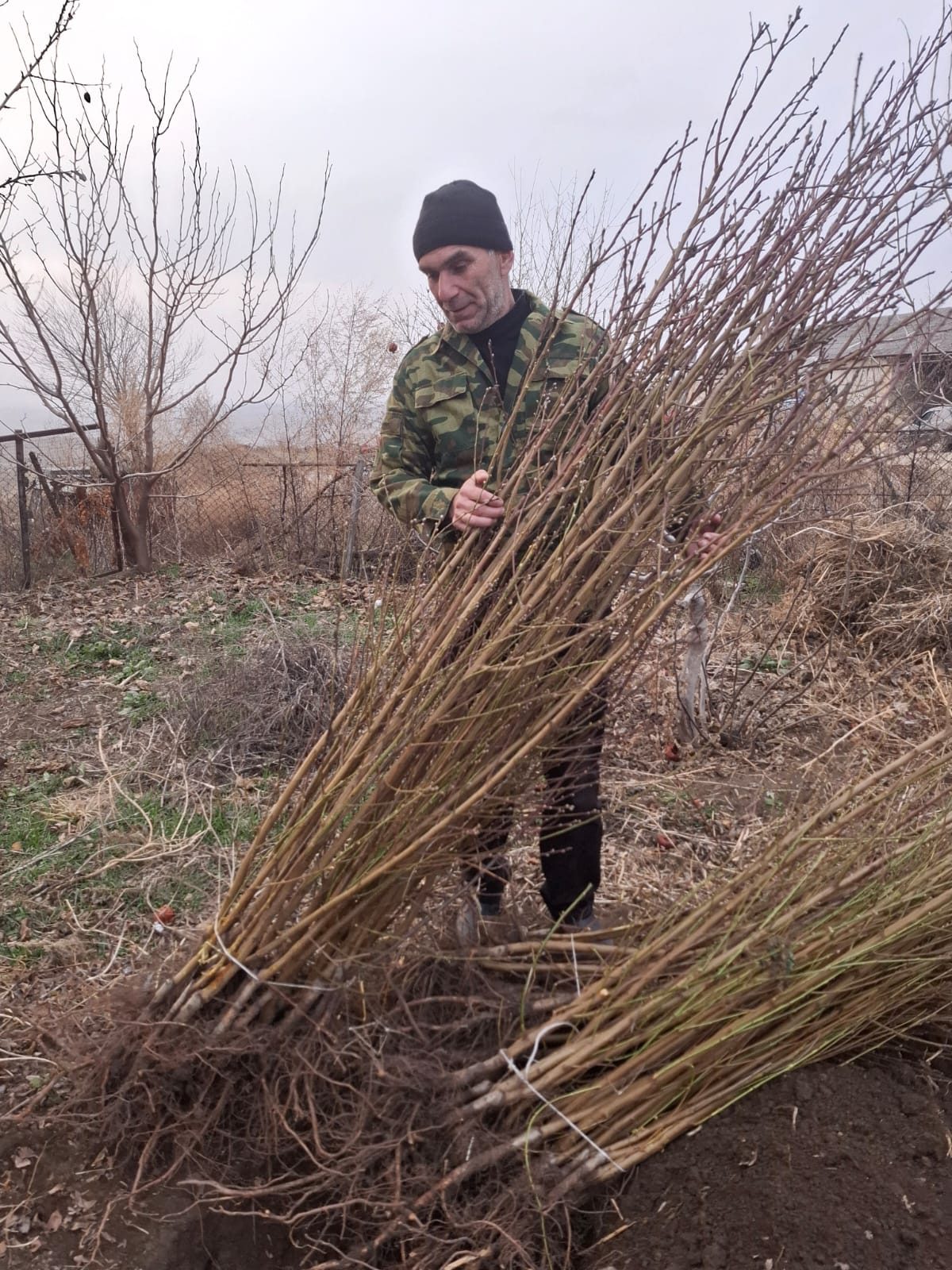
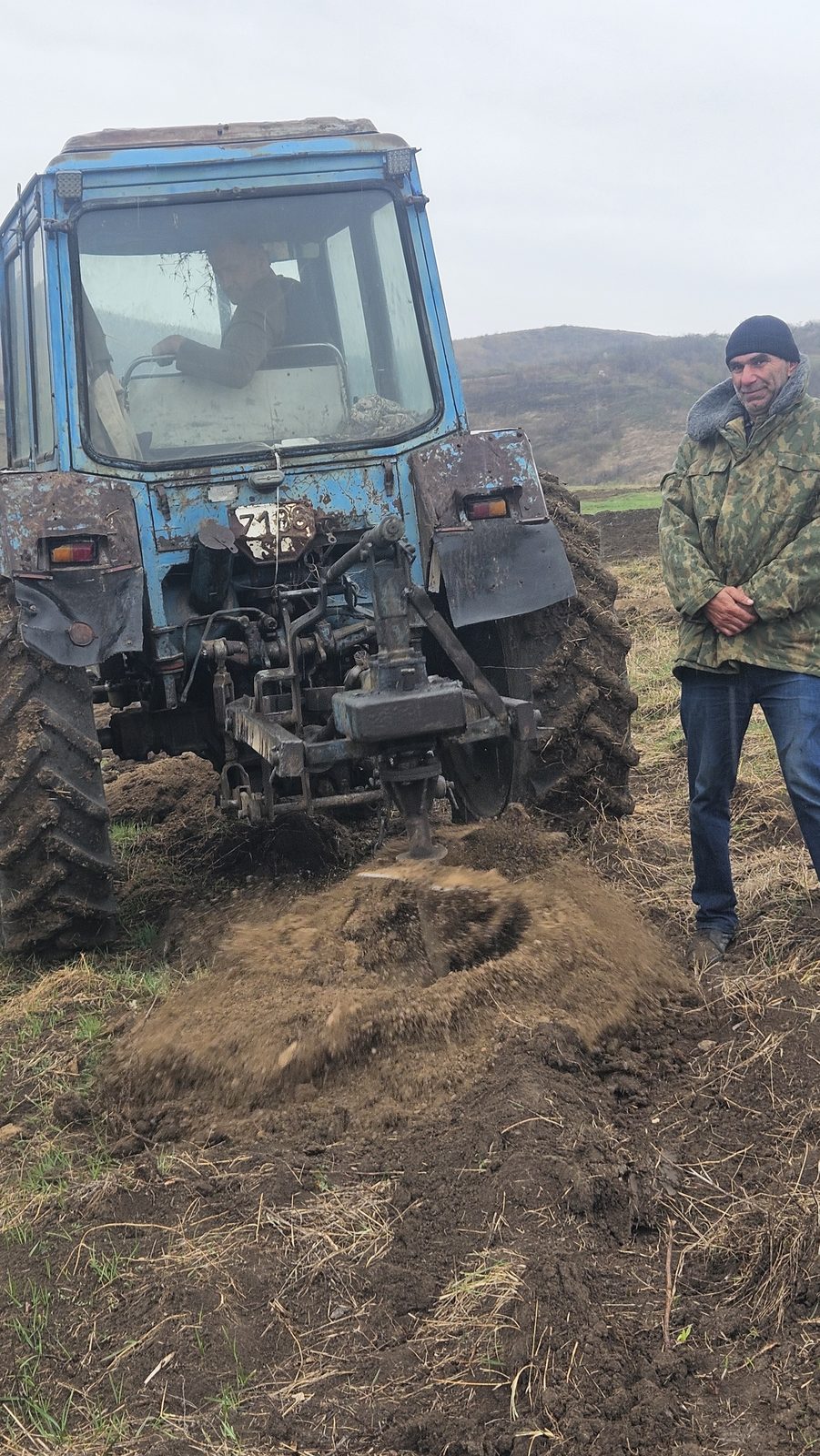
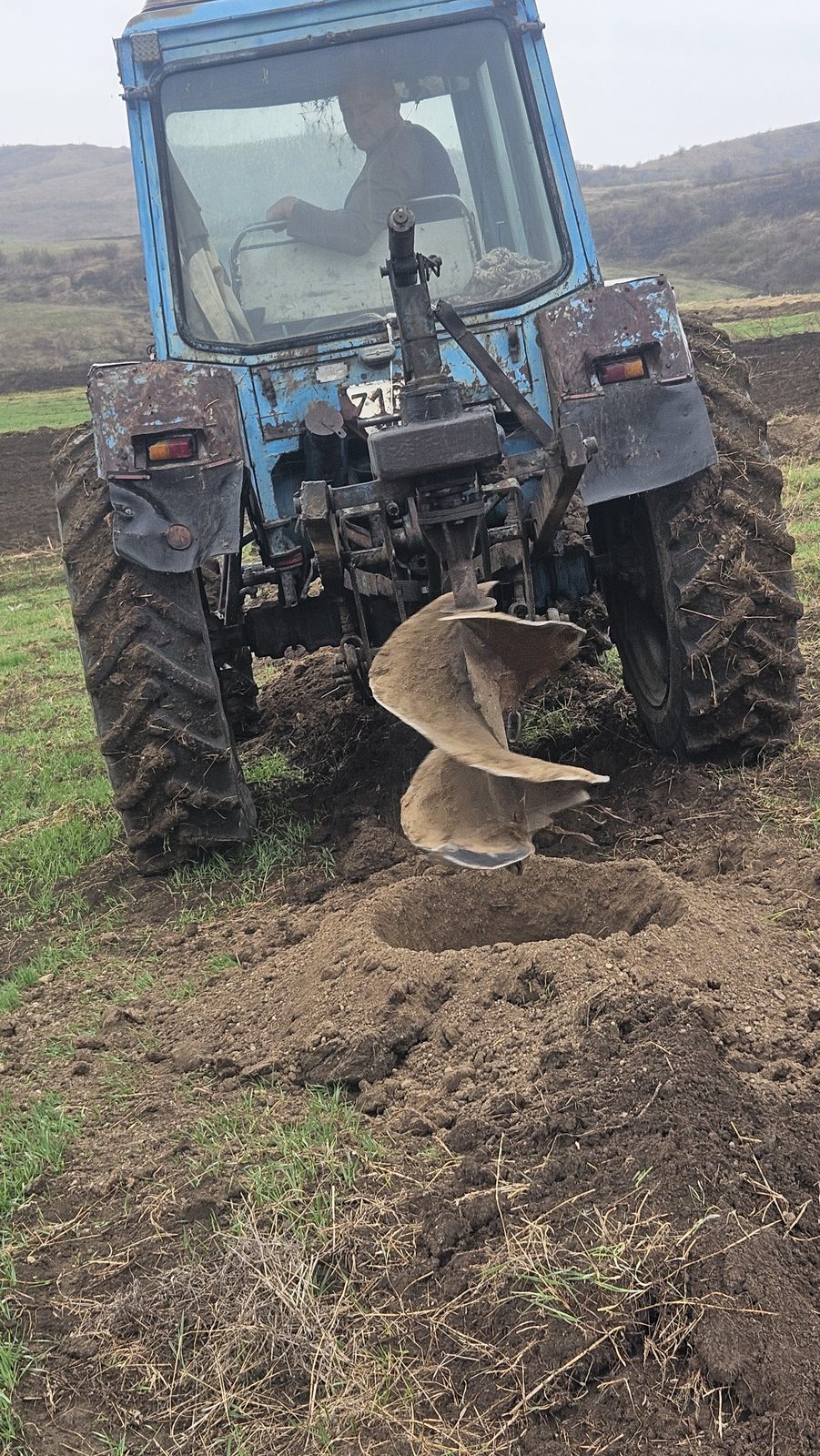
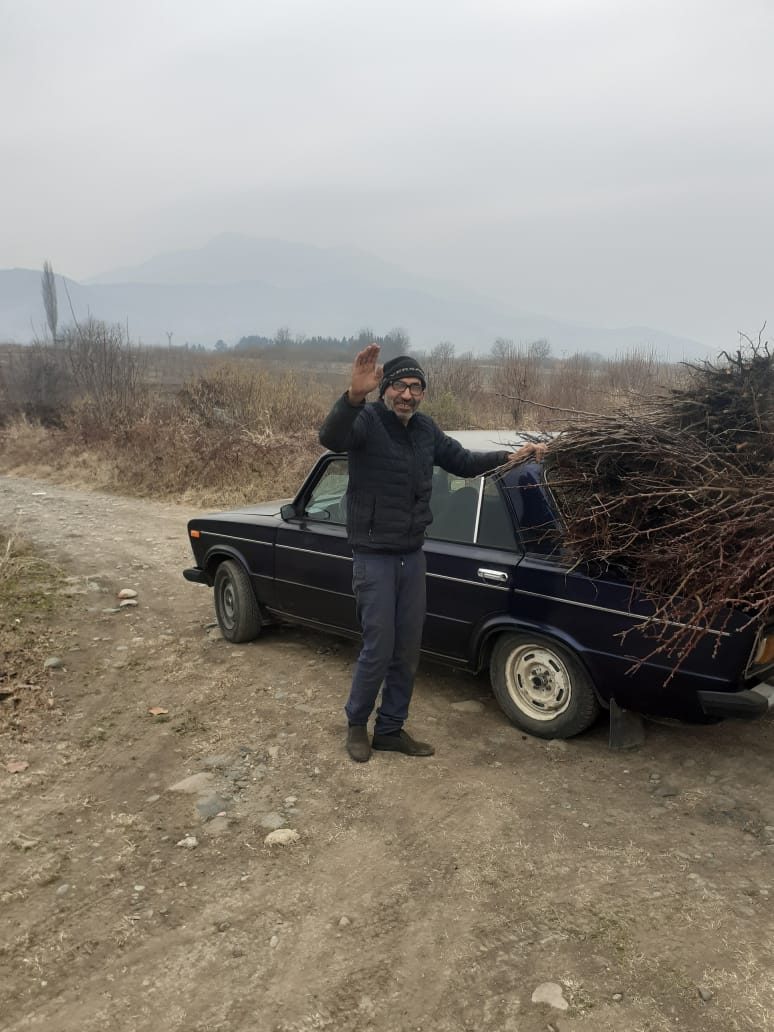
We provide a comprehensive suite of agricultural assets to rural families. This includes high-value fruit seedlings (such as cornelian cherry, plum, fig, olive, and kaki), livestock (pigs, sheep, and beehives), essential farming tools, spray equipment, and bread-baking devices. We do not simply hand out provisions; we equip families with the specific, localized tools they need to turn their immediate geography into a viable source of income.
Result & Sustainable Impact
Livelihood Generation: Transforms idle land and labor into active, income-generating micro-businesses.
Market Integration: Allows families to move beyond subsistence to producing goods (fruit, honey, meat, bread) for local markets.
Long-Term Self-Sufficiency: Breaks the cycle of dependency on external aid by anchoring families in sustainable, generational trades.
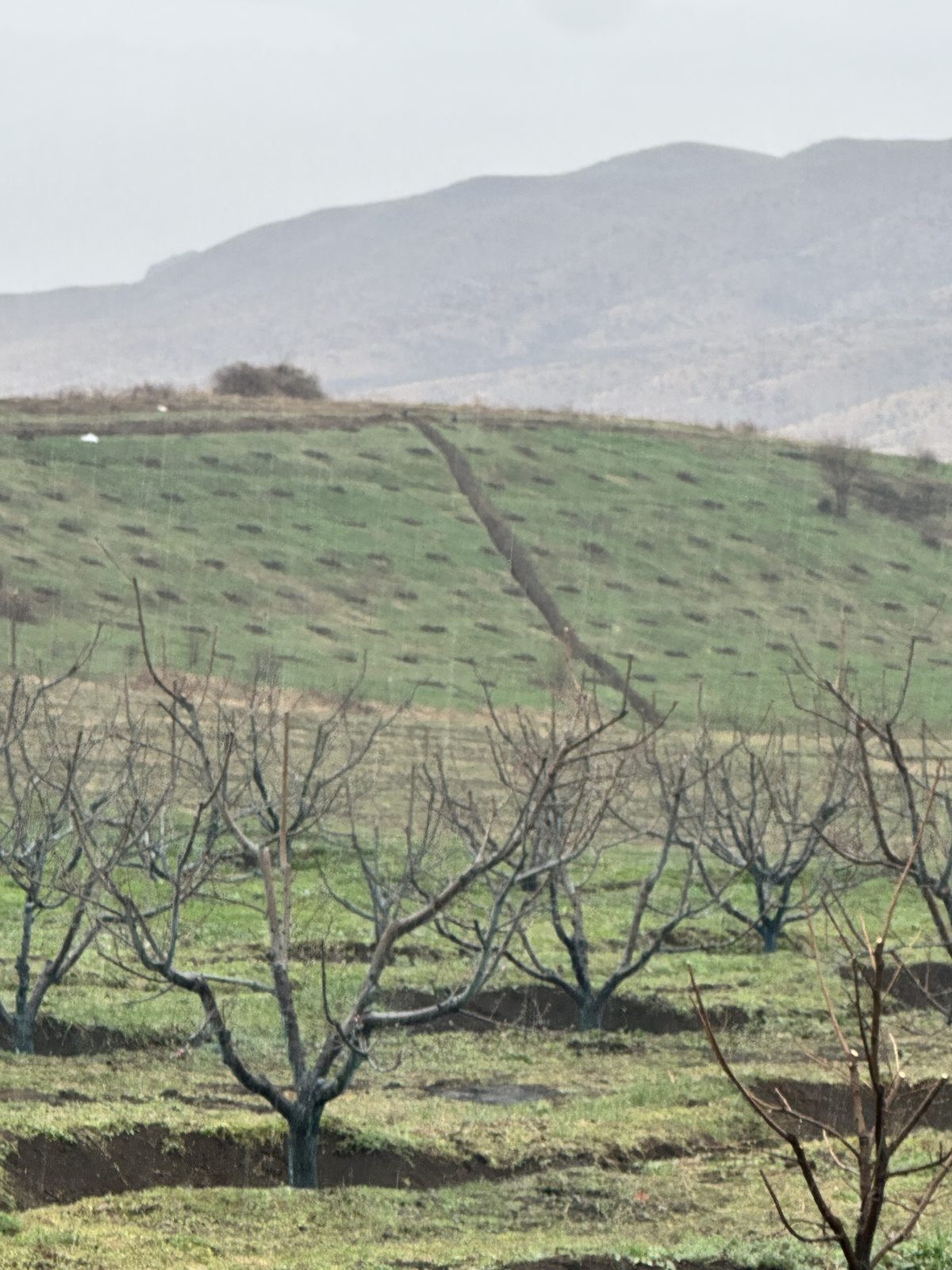
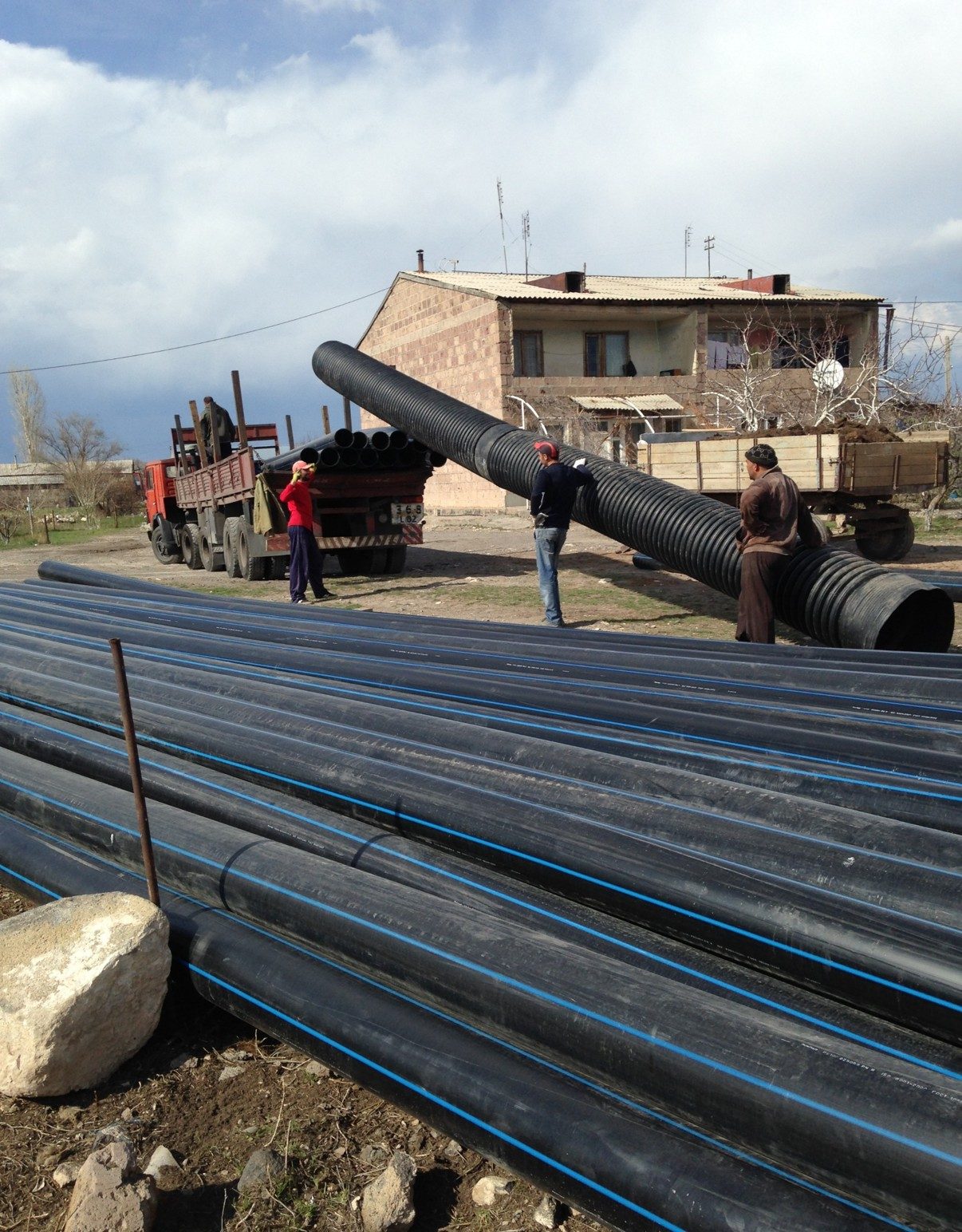
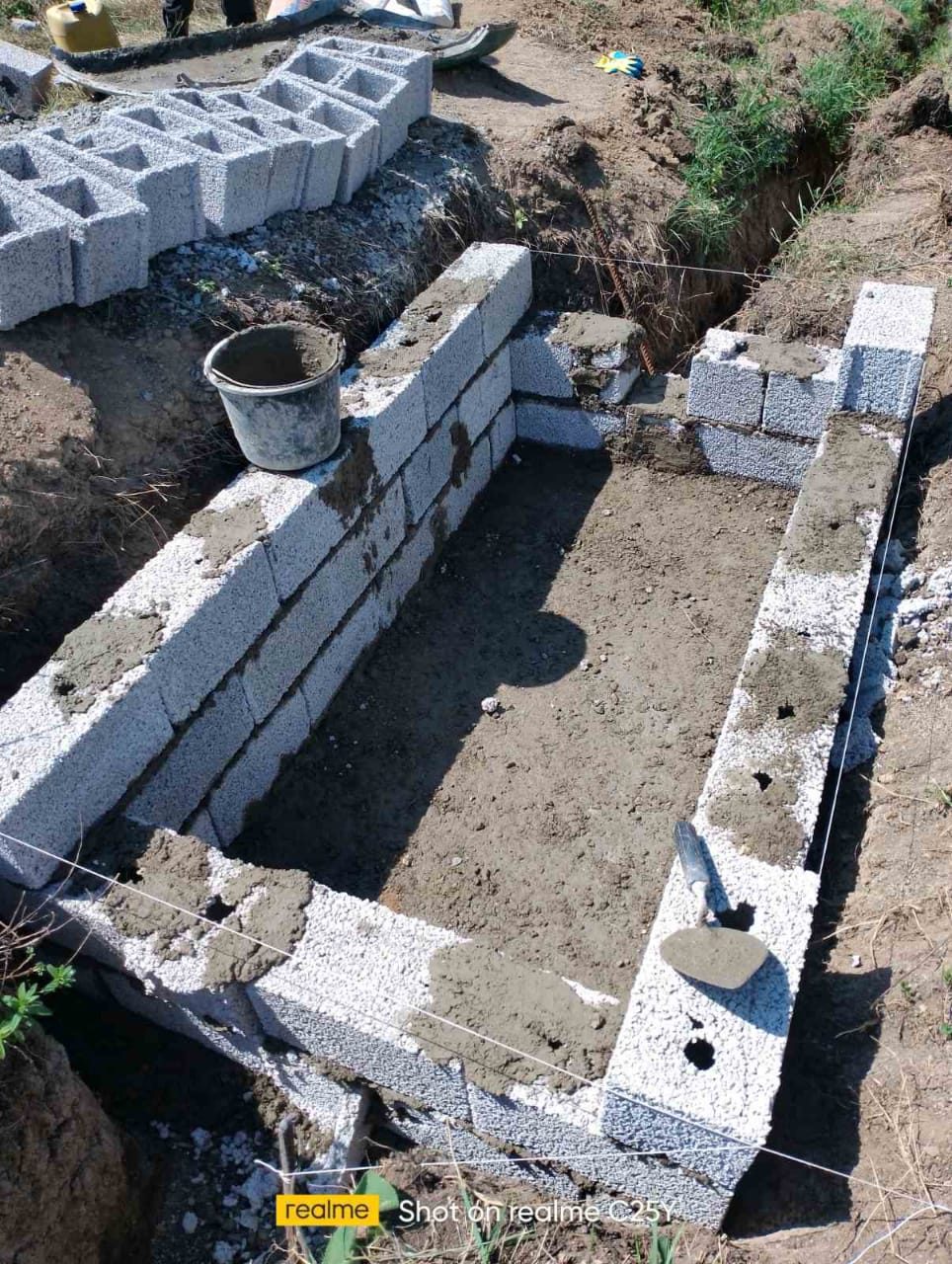
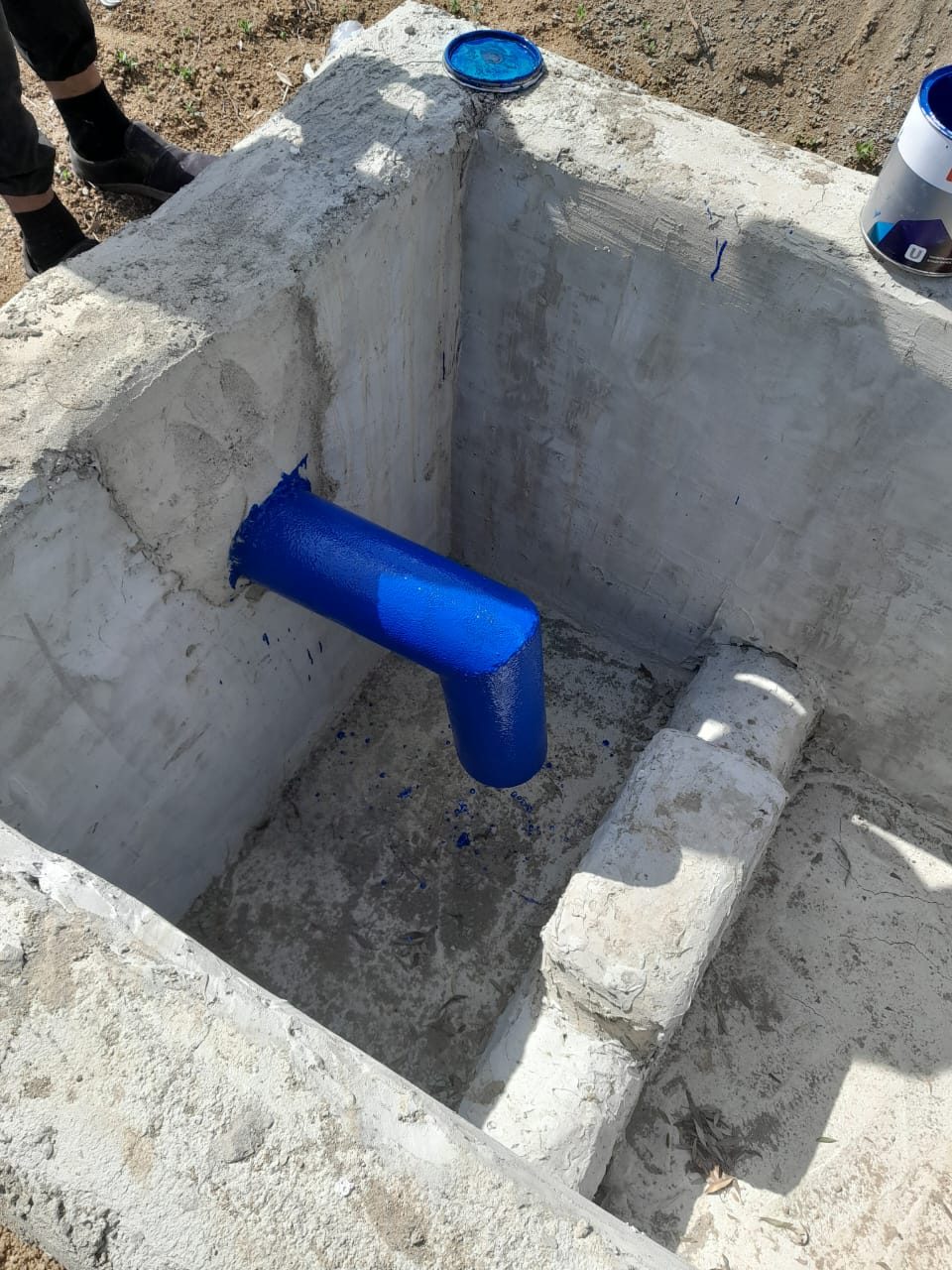
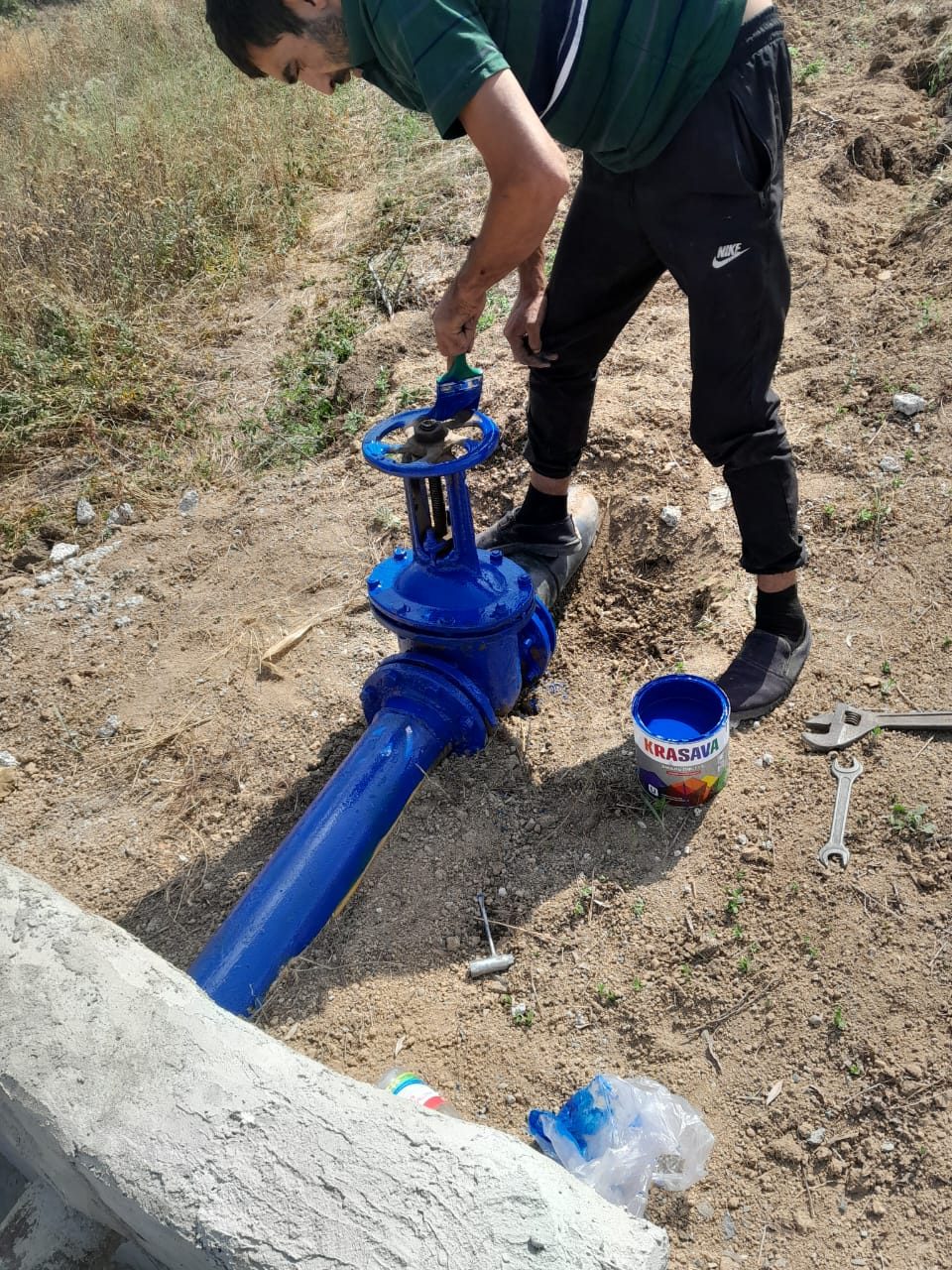
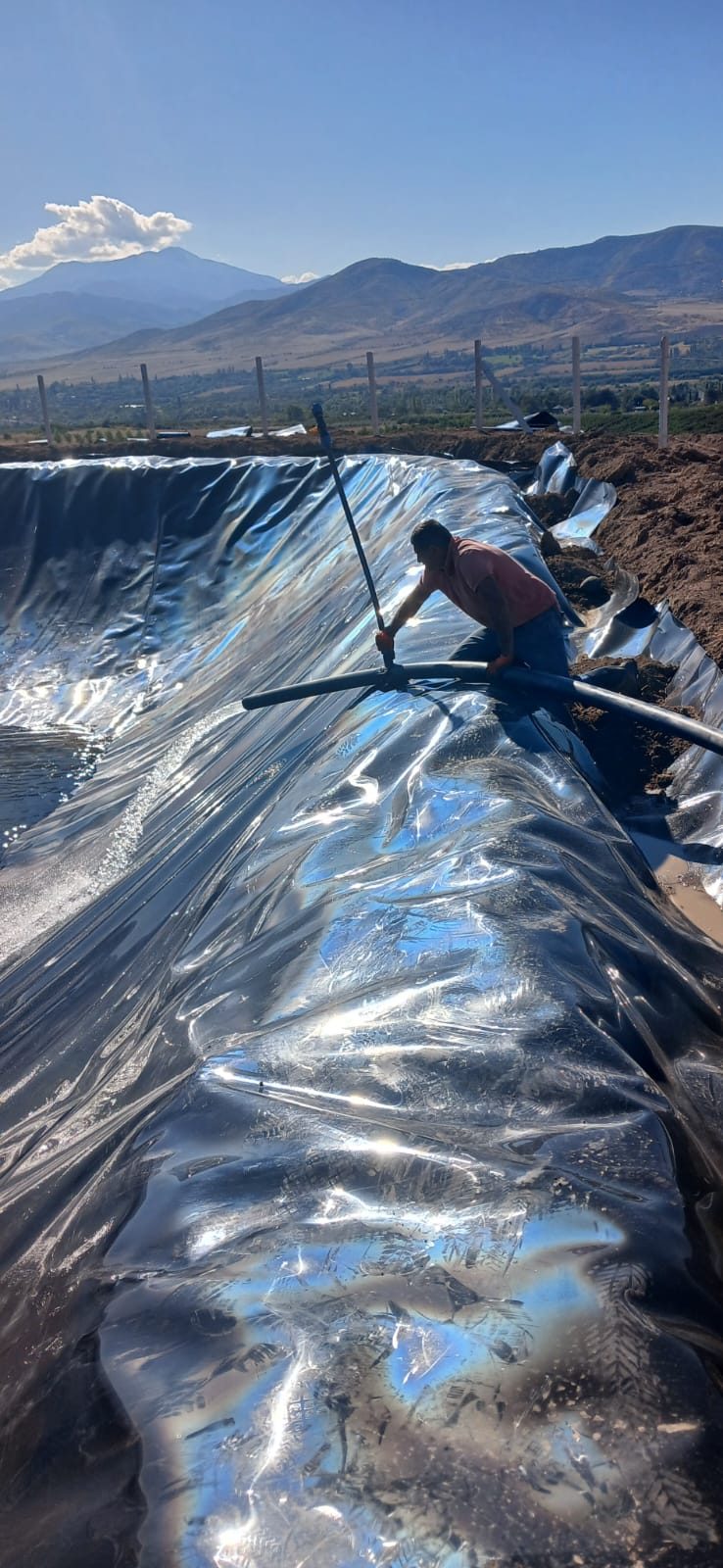
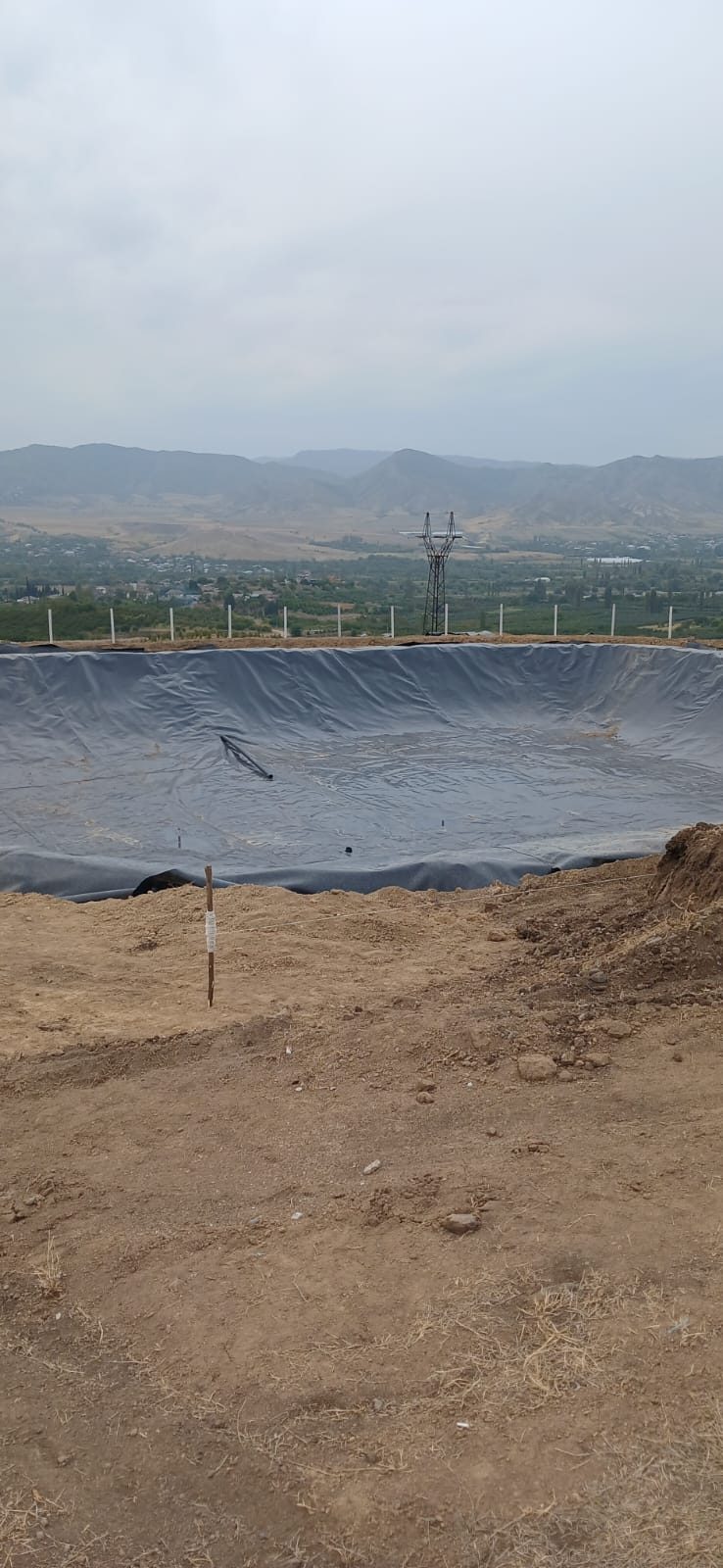
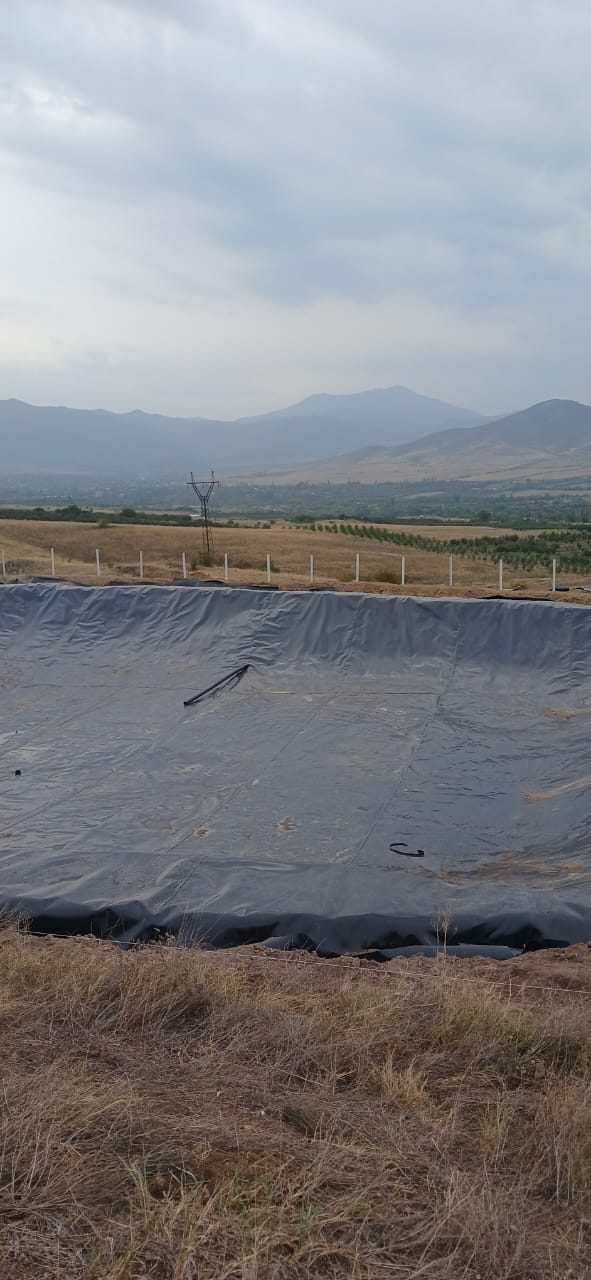
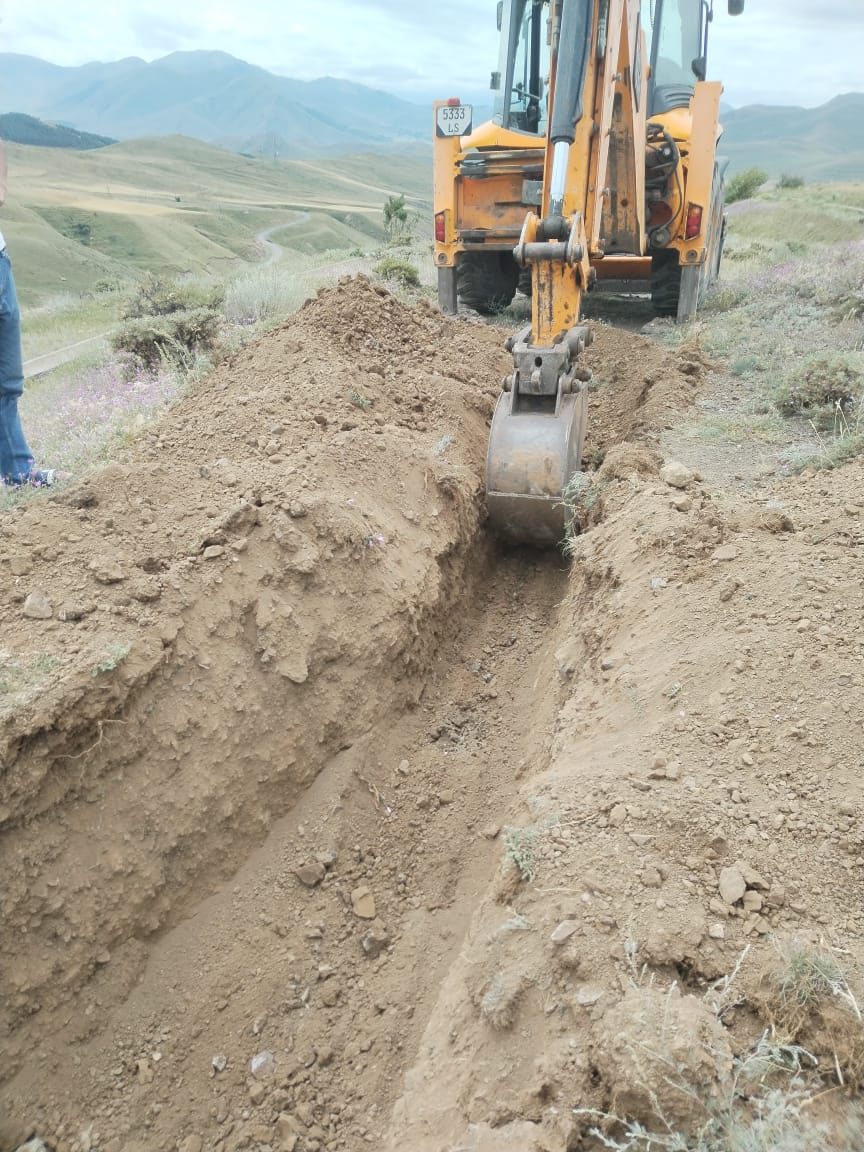
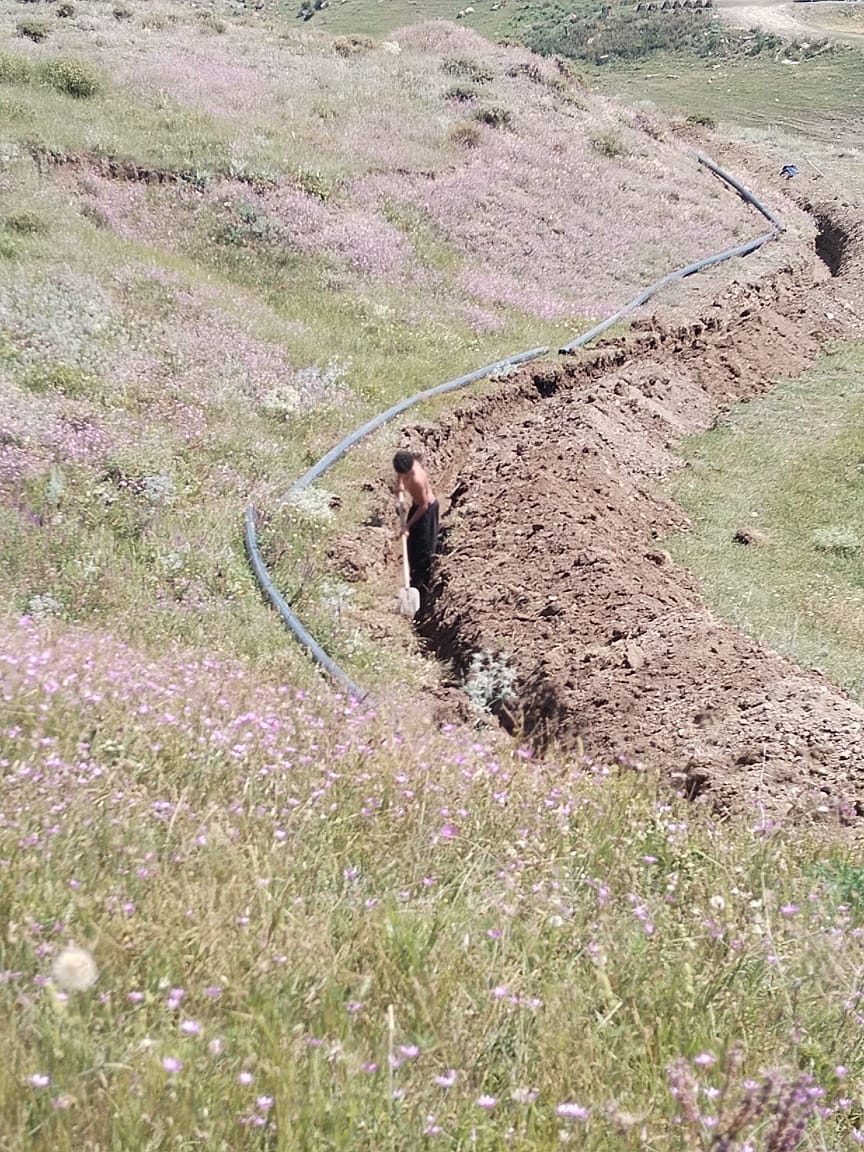
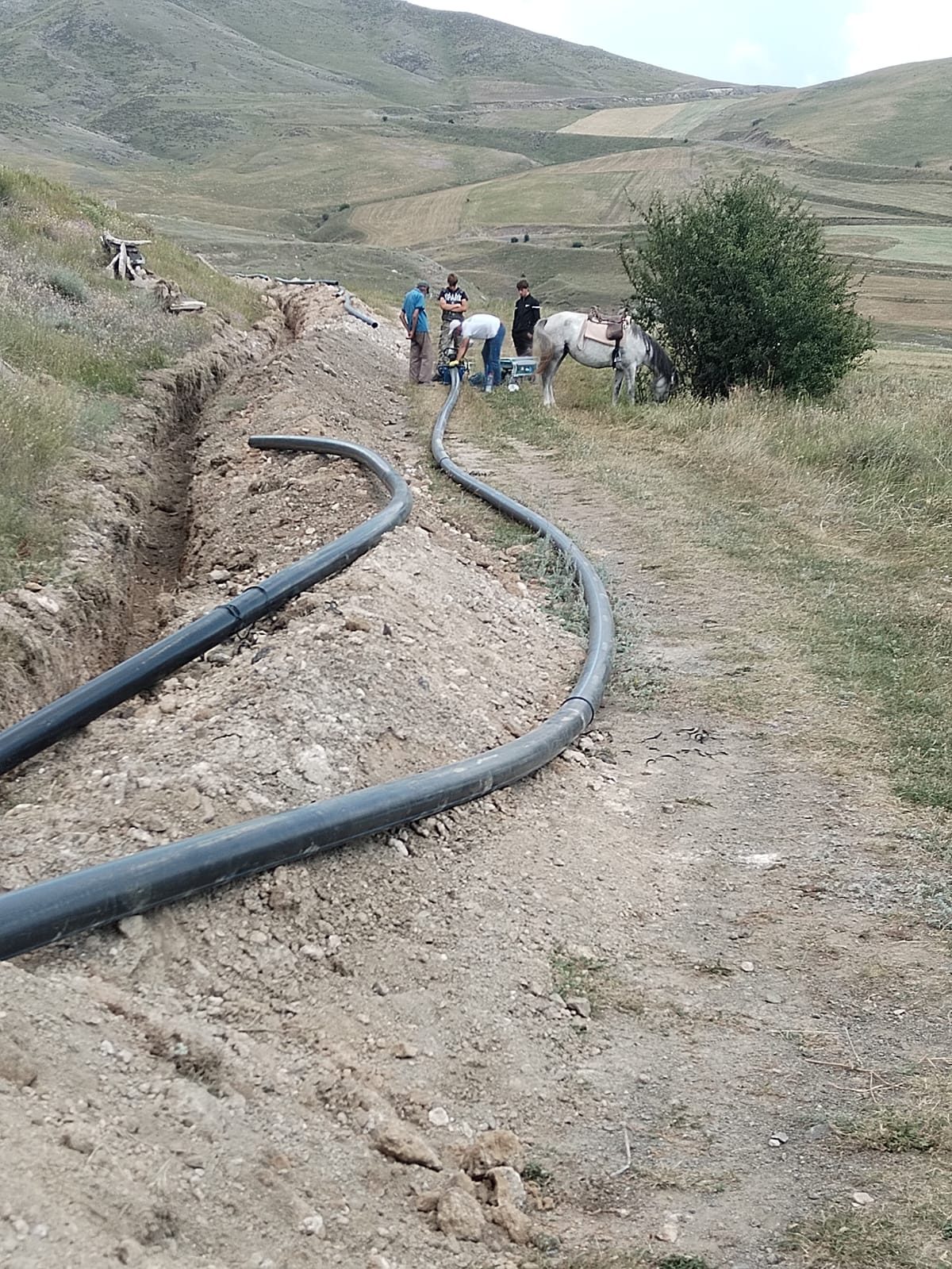
Reliable access to water is the bedrock of both public health and agricultural viability. In various Armenian villages, damaged, aging, or nonexistent water infrastructure has crippled local economies and compromised daily living conditions. When irrigation fails, crops die; when domestic water systems falter, sanitation and health immediately decline.
Action & Intervention
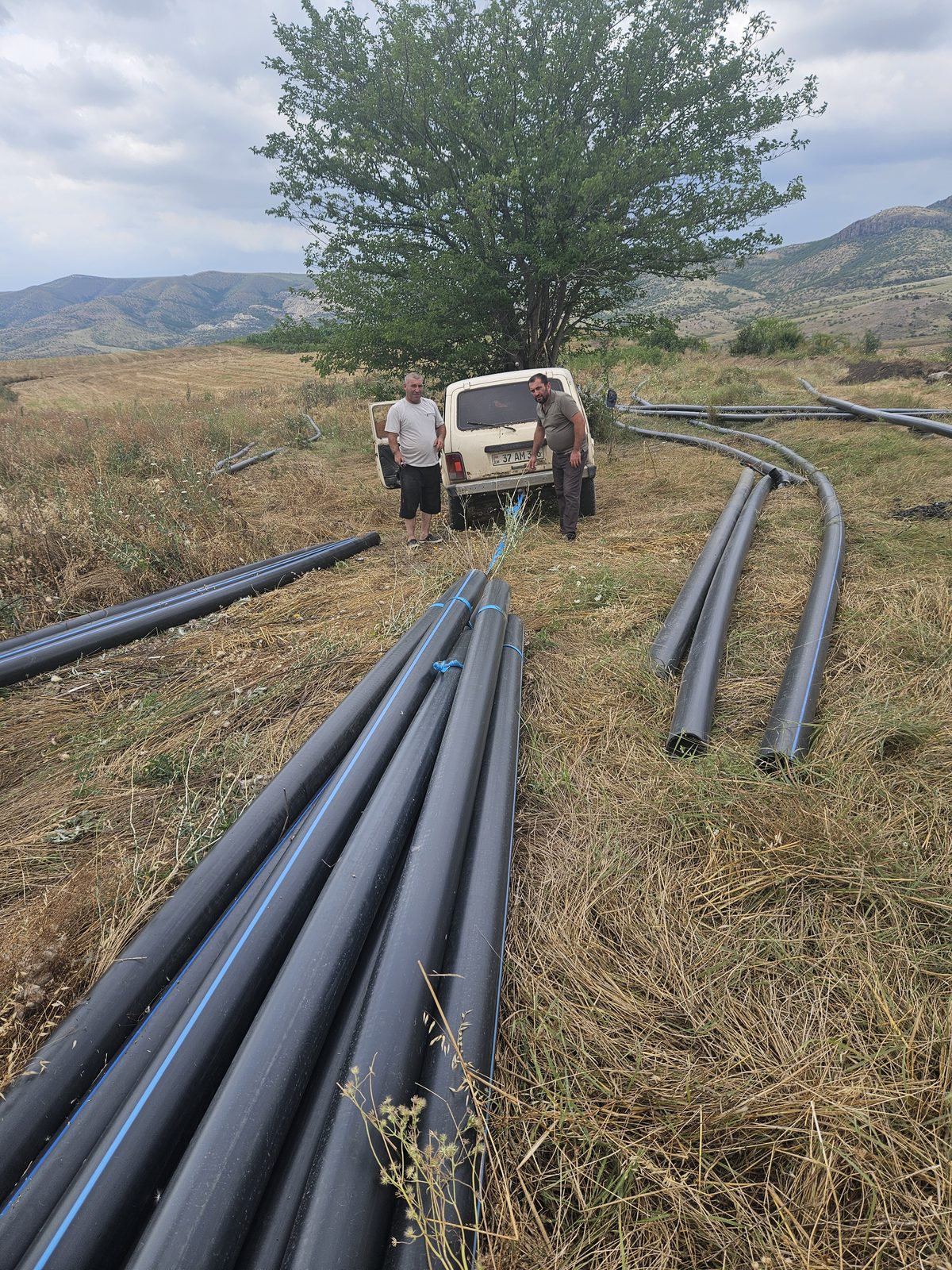
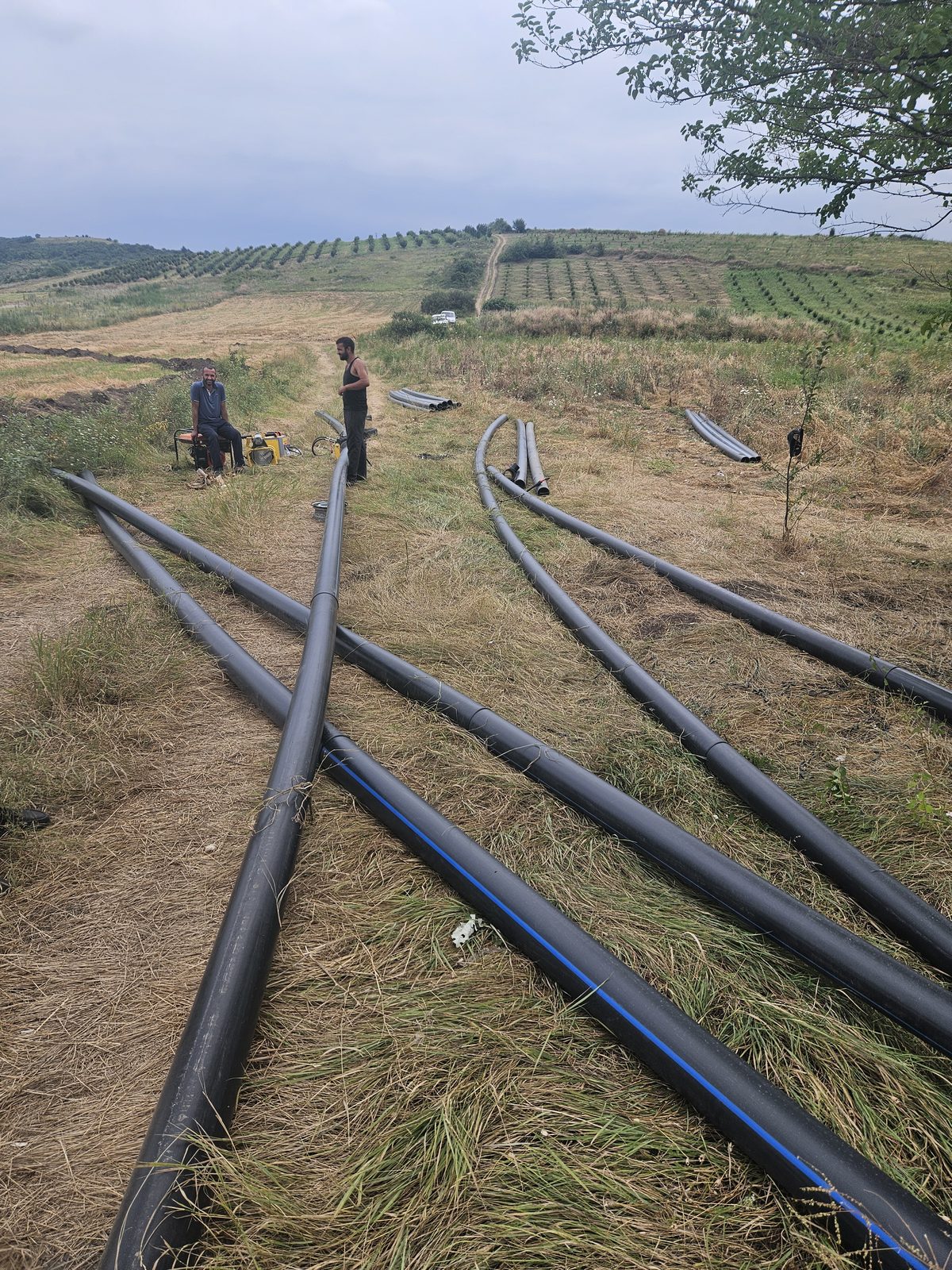
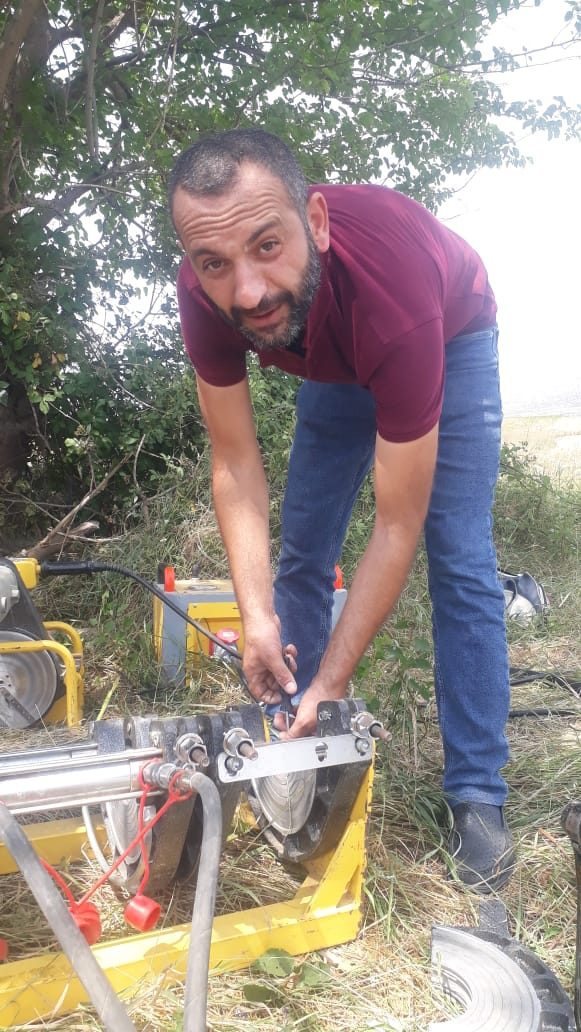
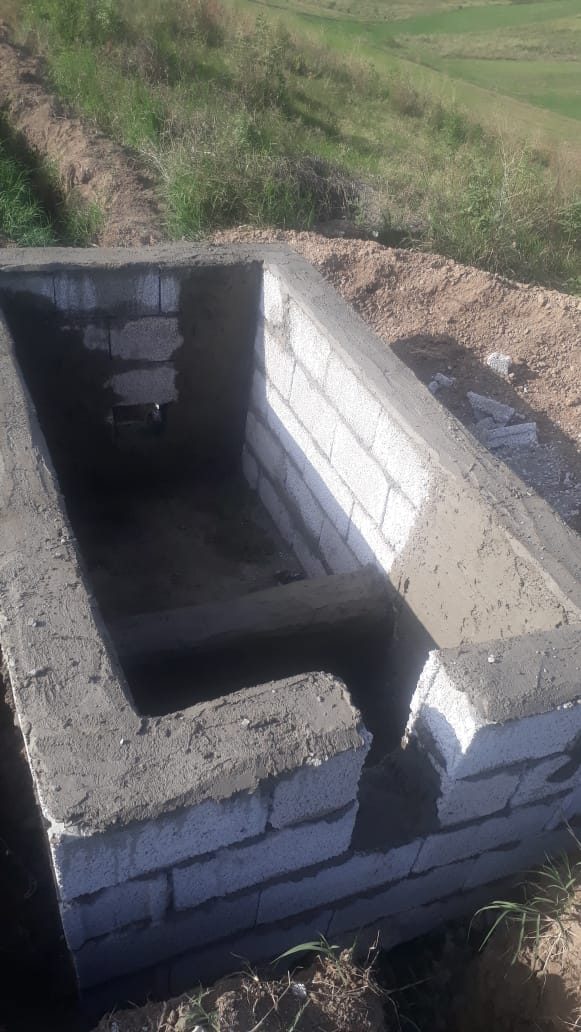
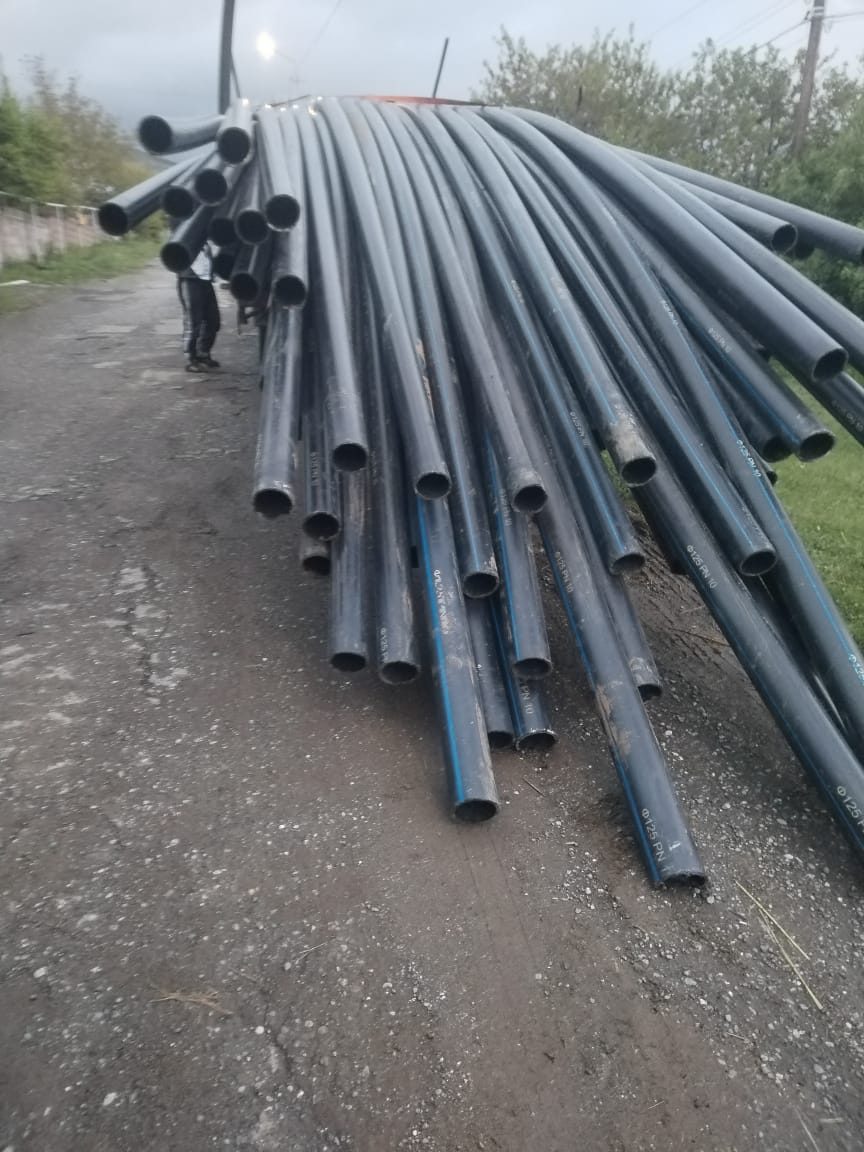
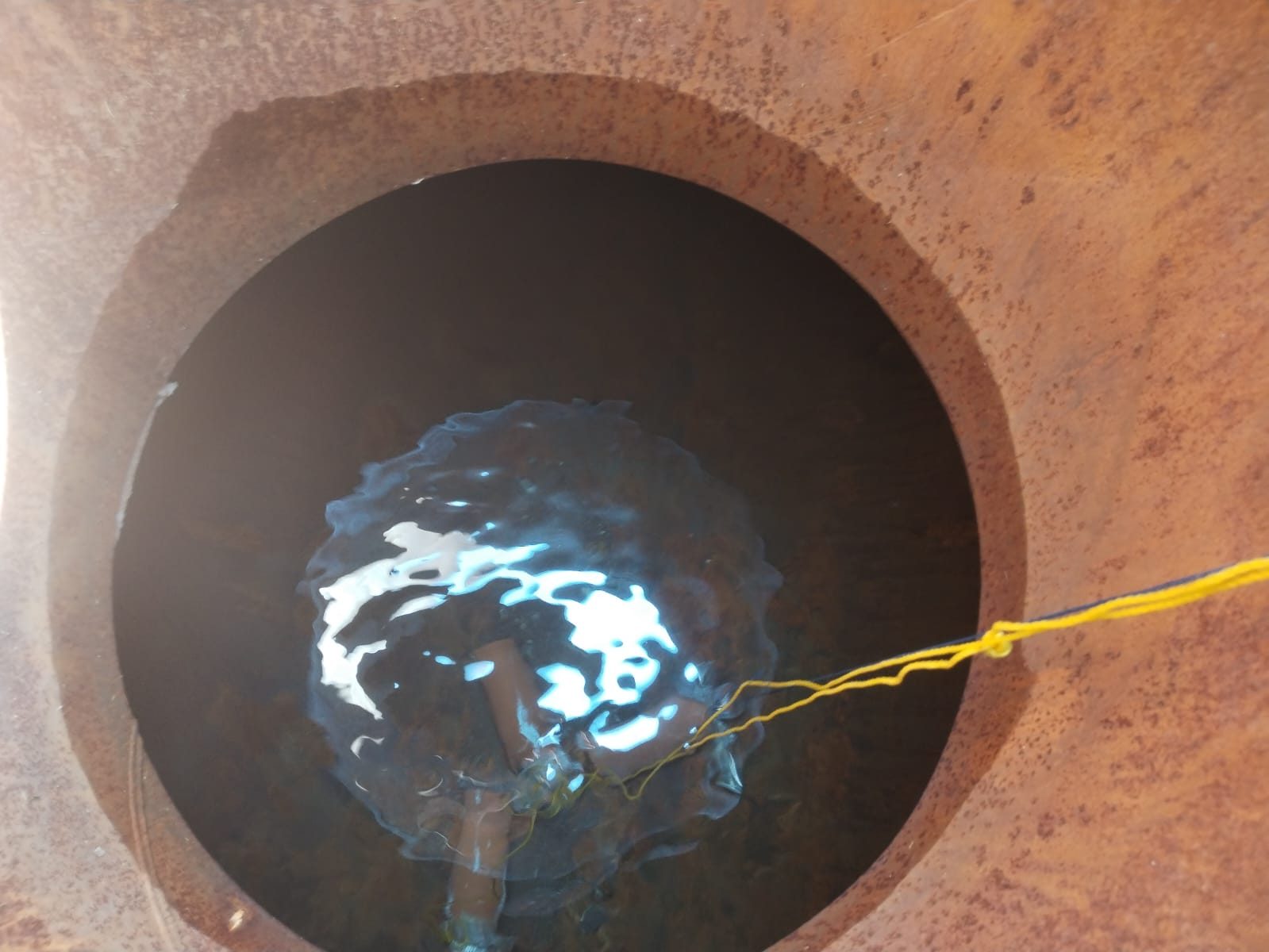
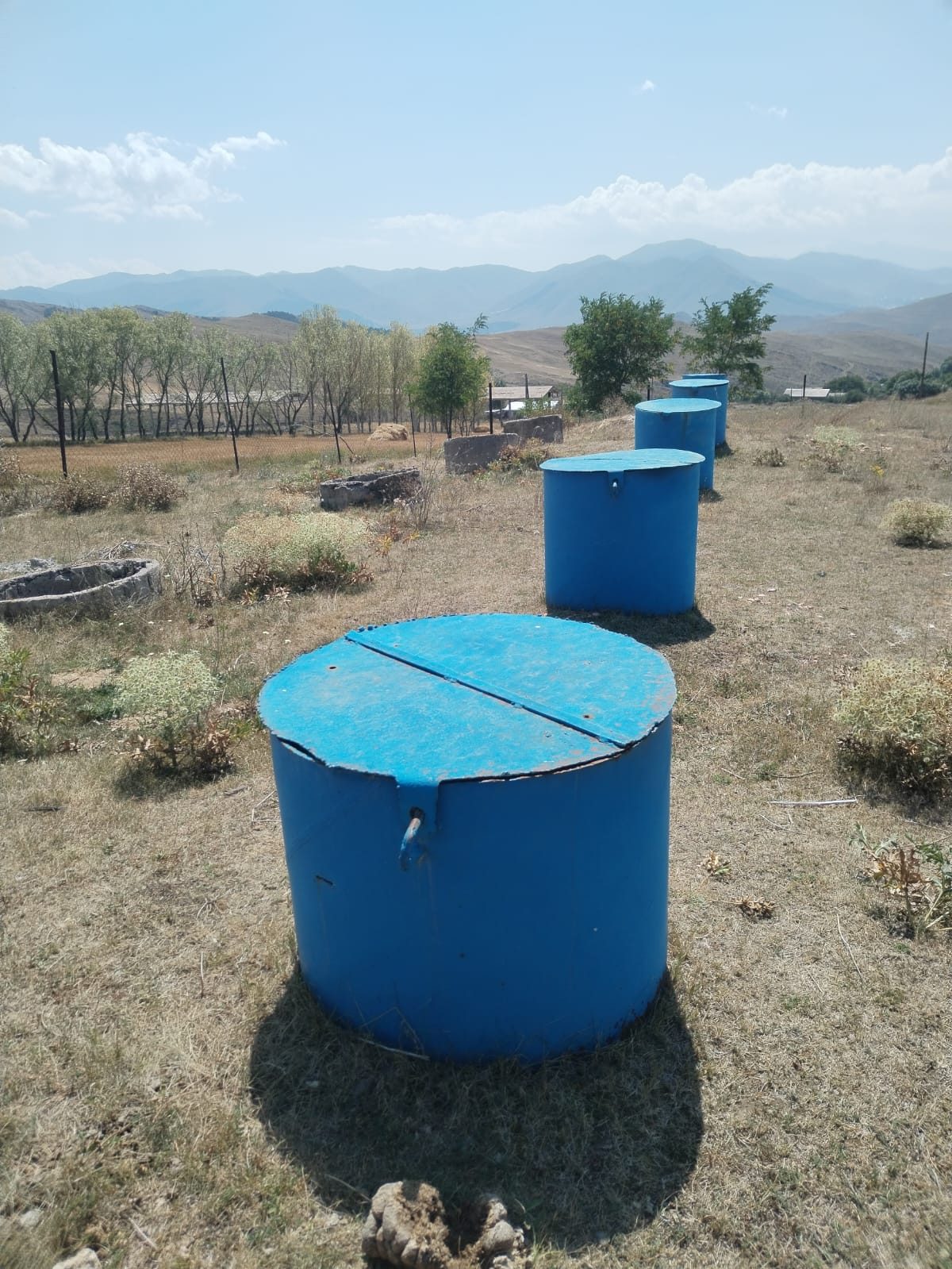
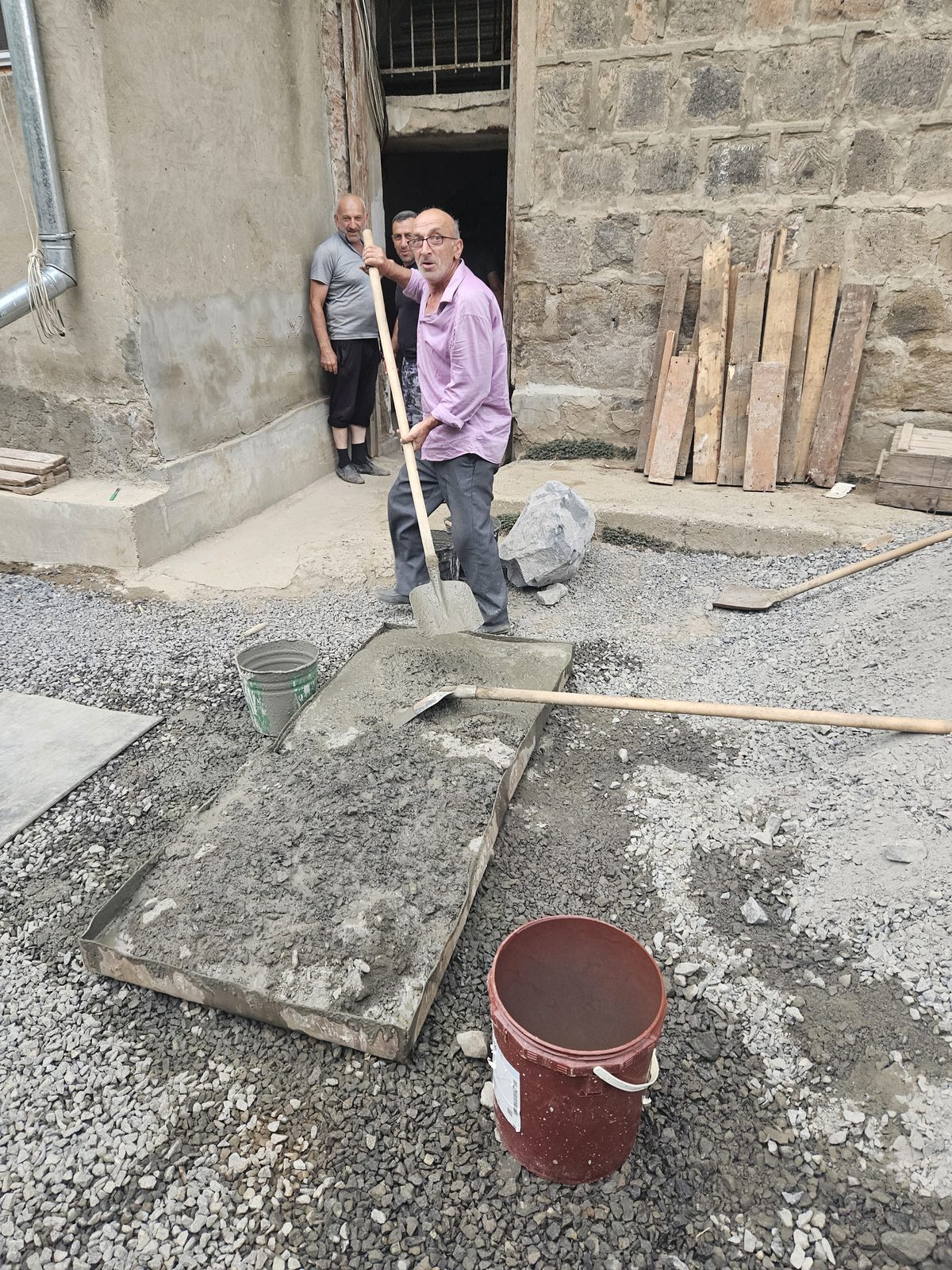
Little Bridge NGO invests heavily in the physical restoration of community lifelines. We supply and install irrigation systems, polyethylene and metal pipes, reservoirs, water basins, valves, and pumps. By rehabilitating these critical systems, we restore the flow of water to parched agricultural lands and bring safe, reliable water back into the daily lives of villagers.
Result & Sustainable Impact
Agricultural Resilience: Secures crop yields against drought and climate variability, directly supporting the efficacy of our agricultural seed programs.
Public Health: Dramatically improves sanitation and hygiene capabilities at the household level.
Community Independence: Rebuilds civic infrastructure, fostering a sense of collective ownership and long-term village viability.
📷 Field Gallery
🏠Housing & Apartments228M AMD▼
Situation Analysis & Needs Assessment
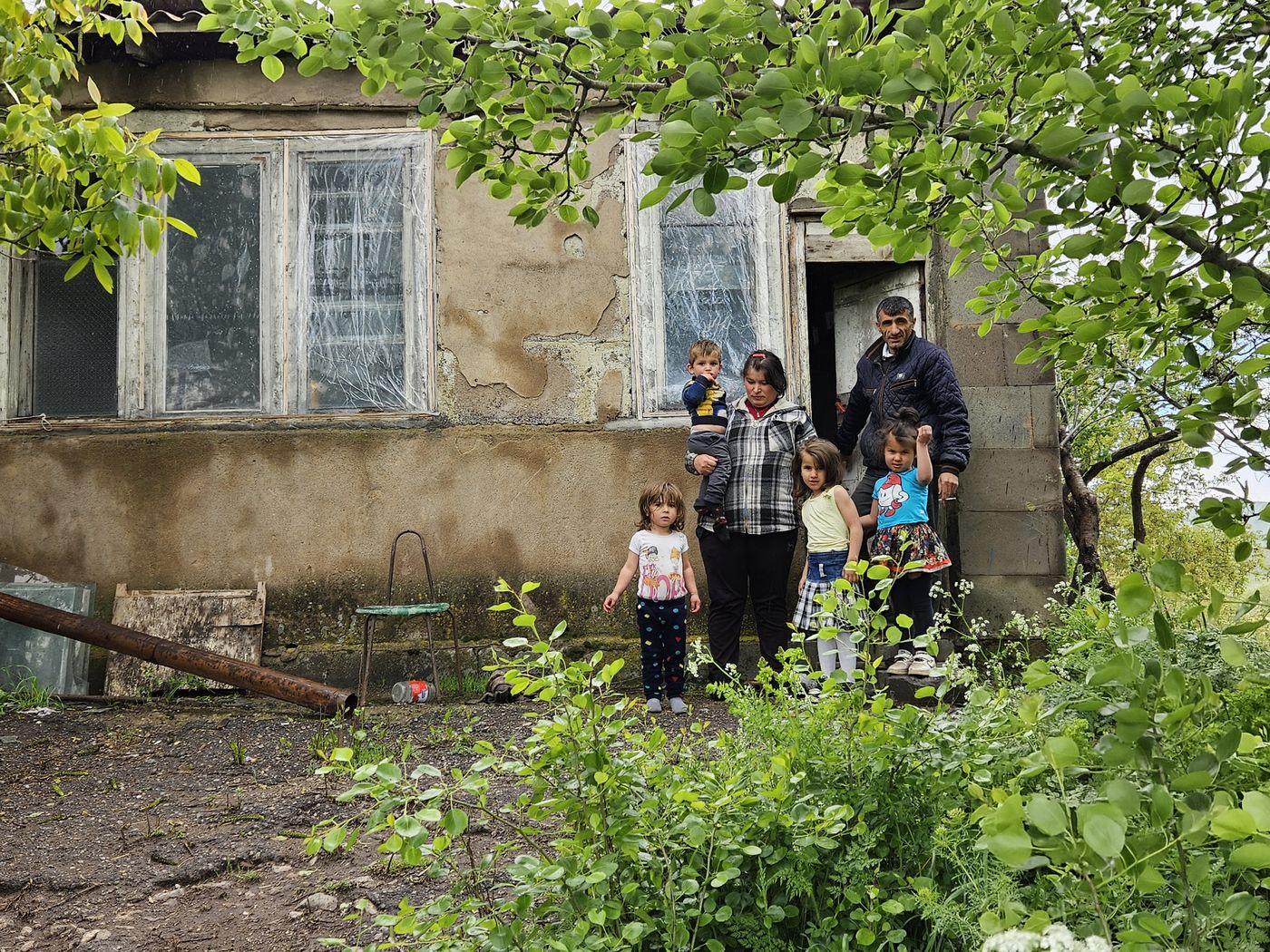
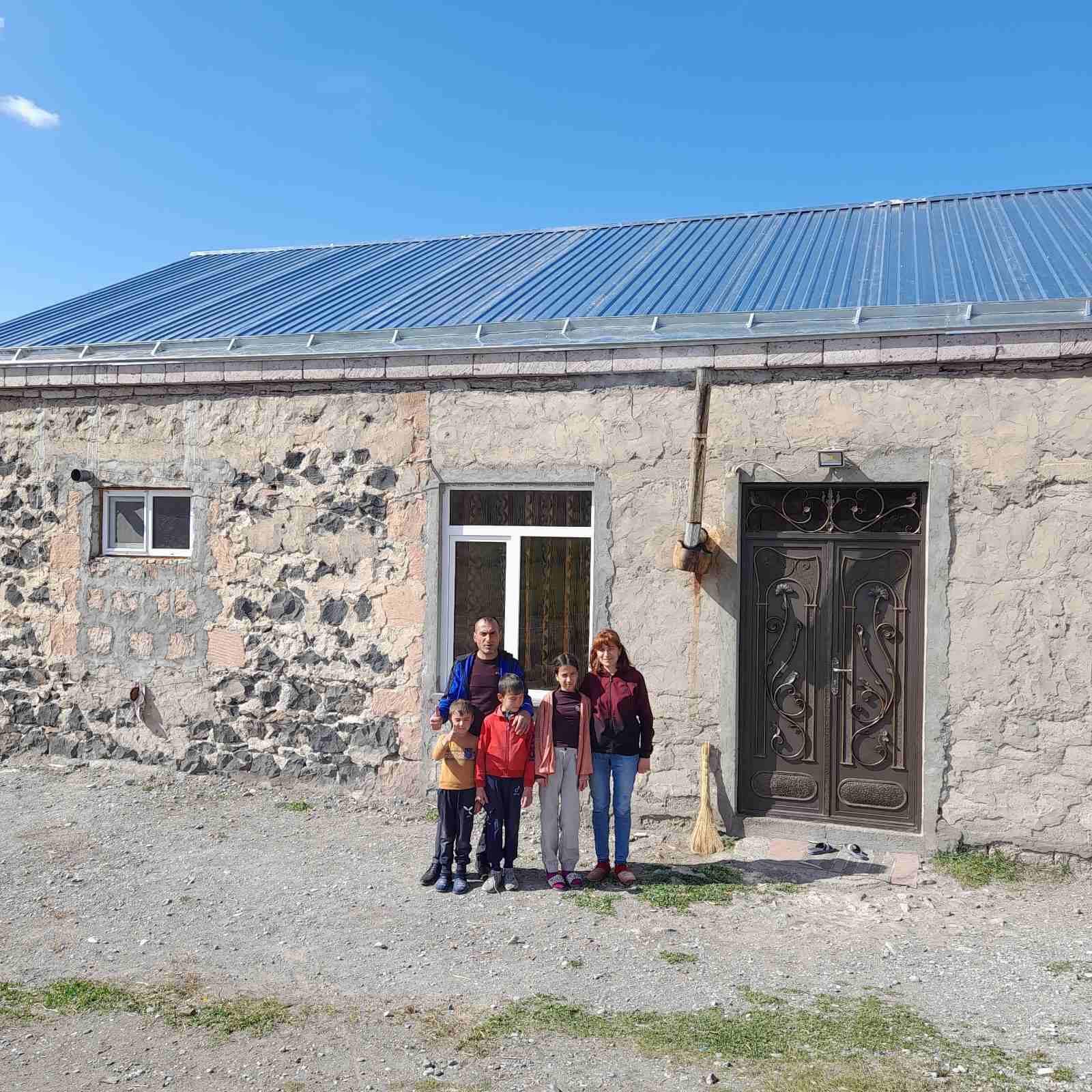
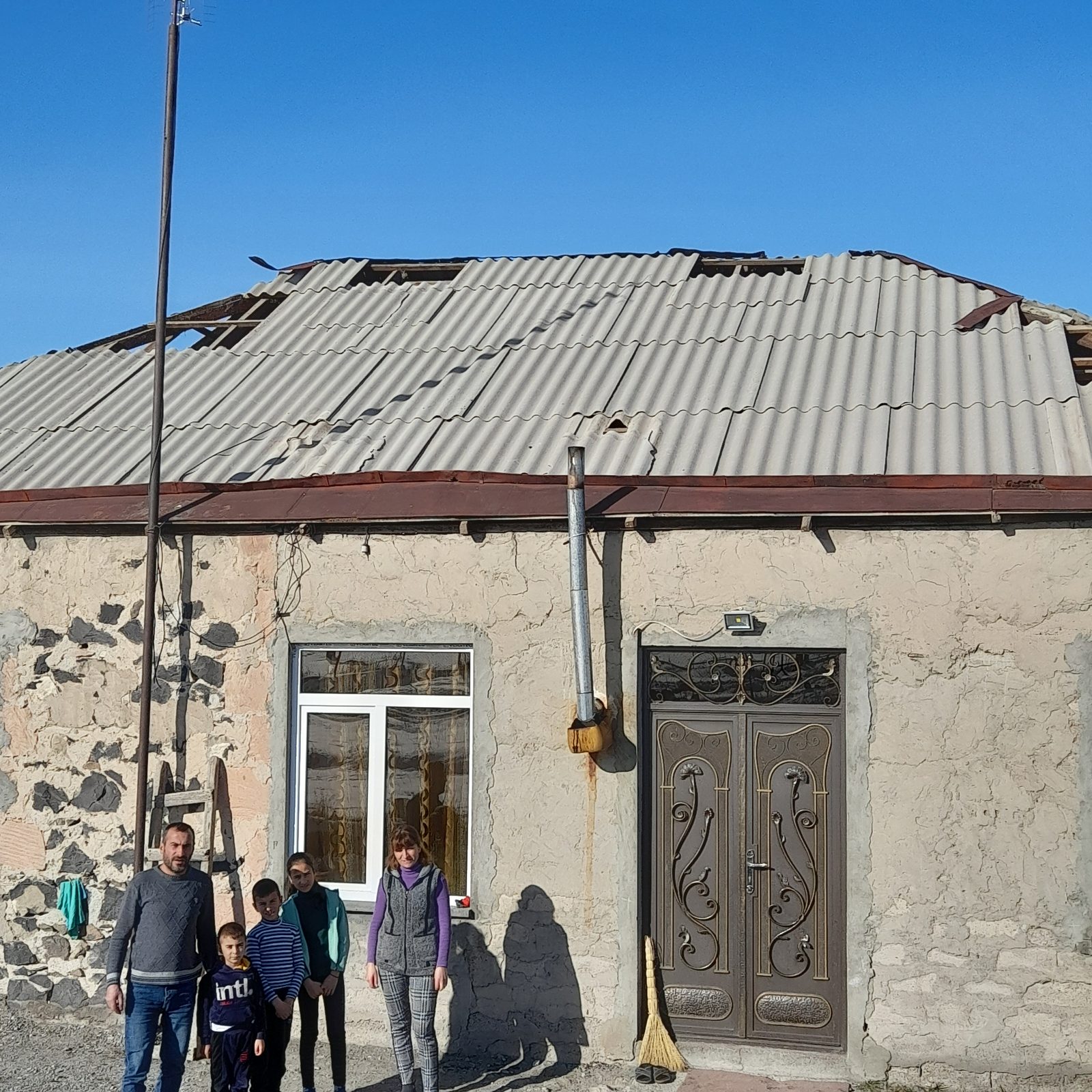
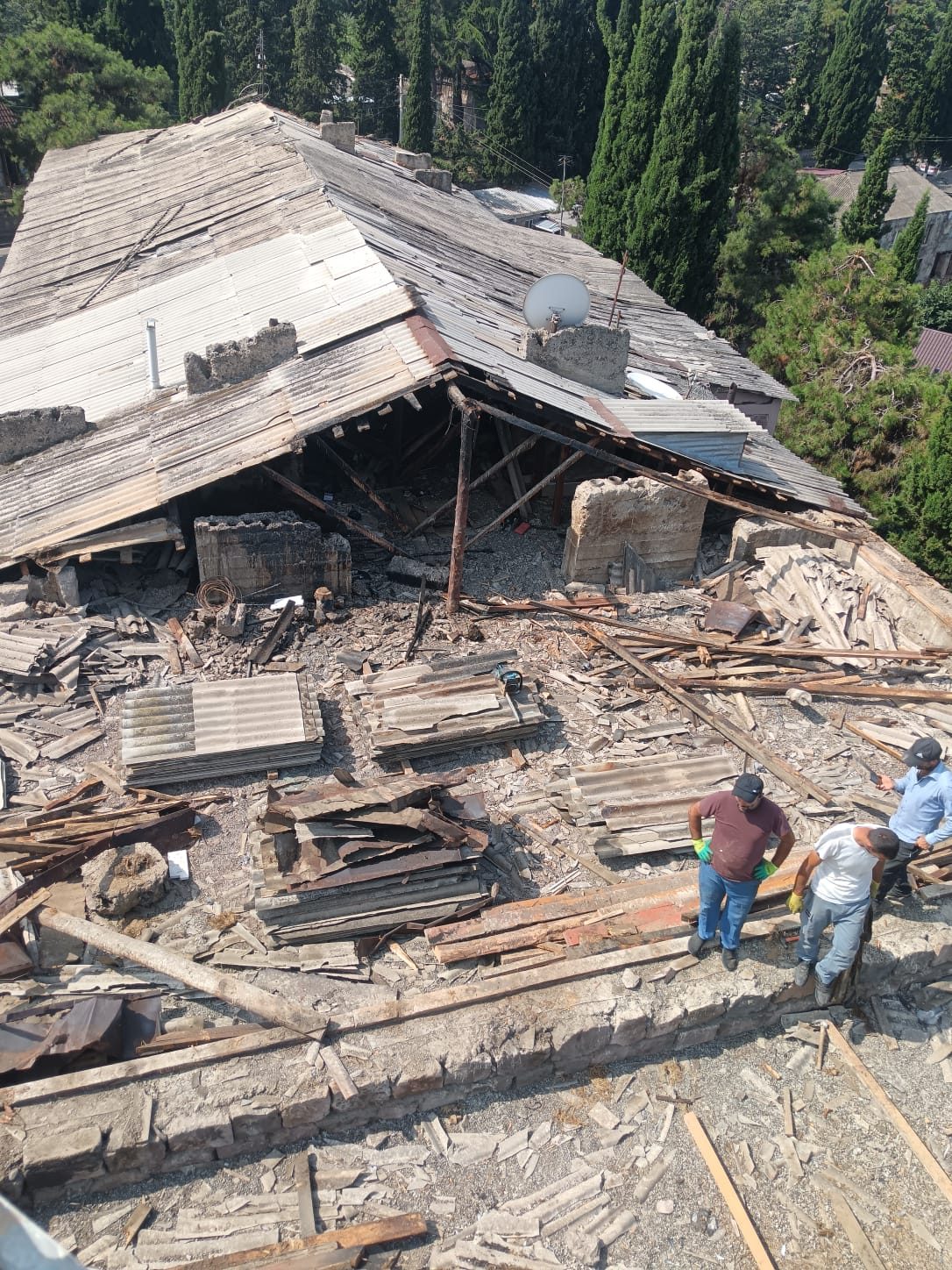
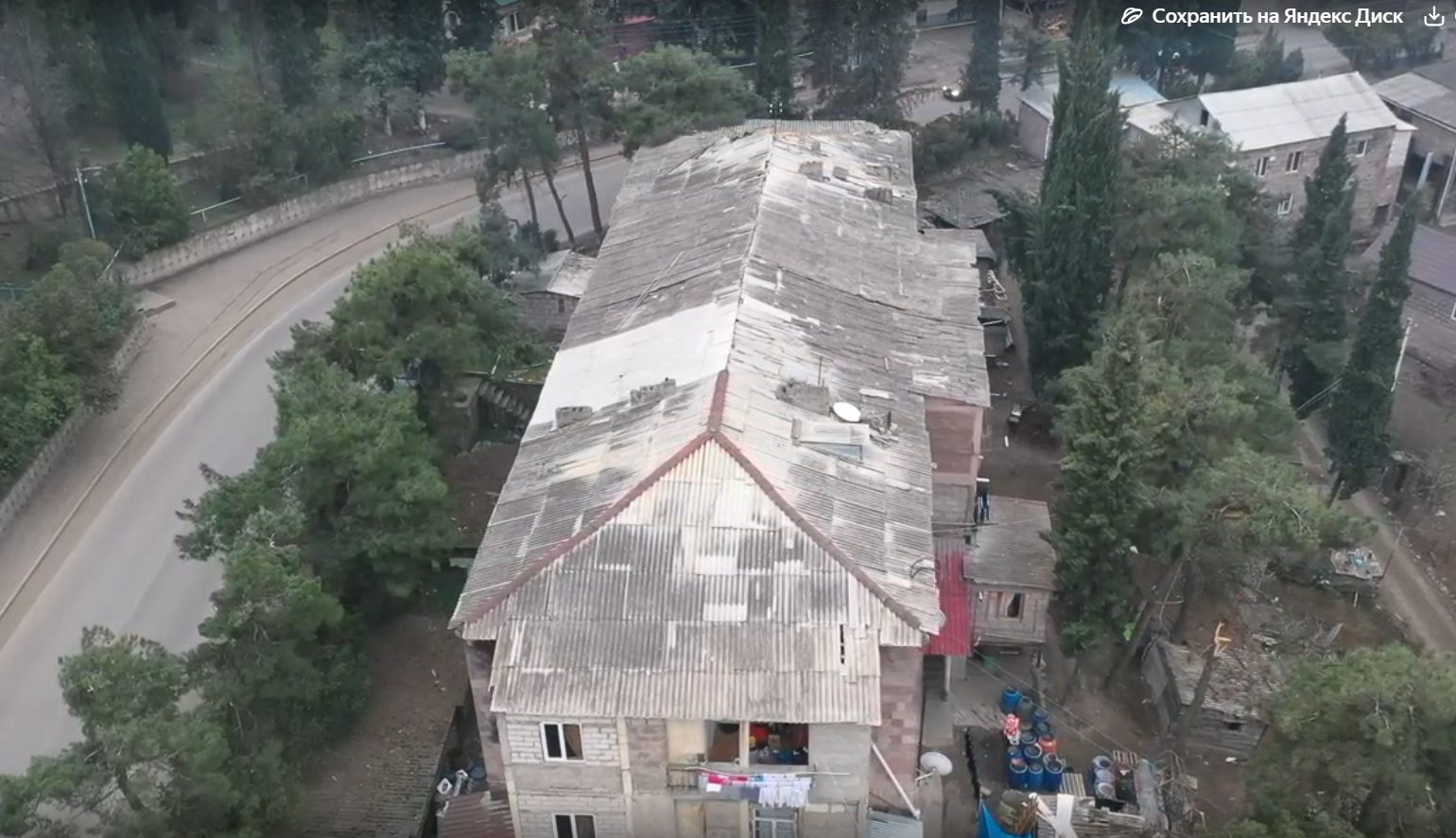
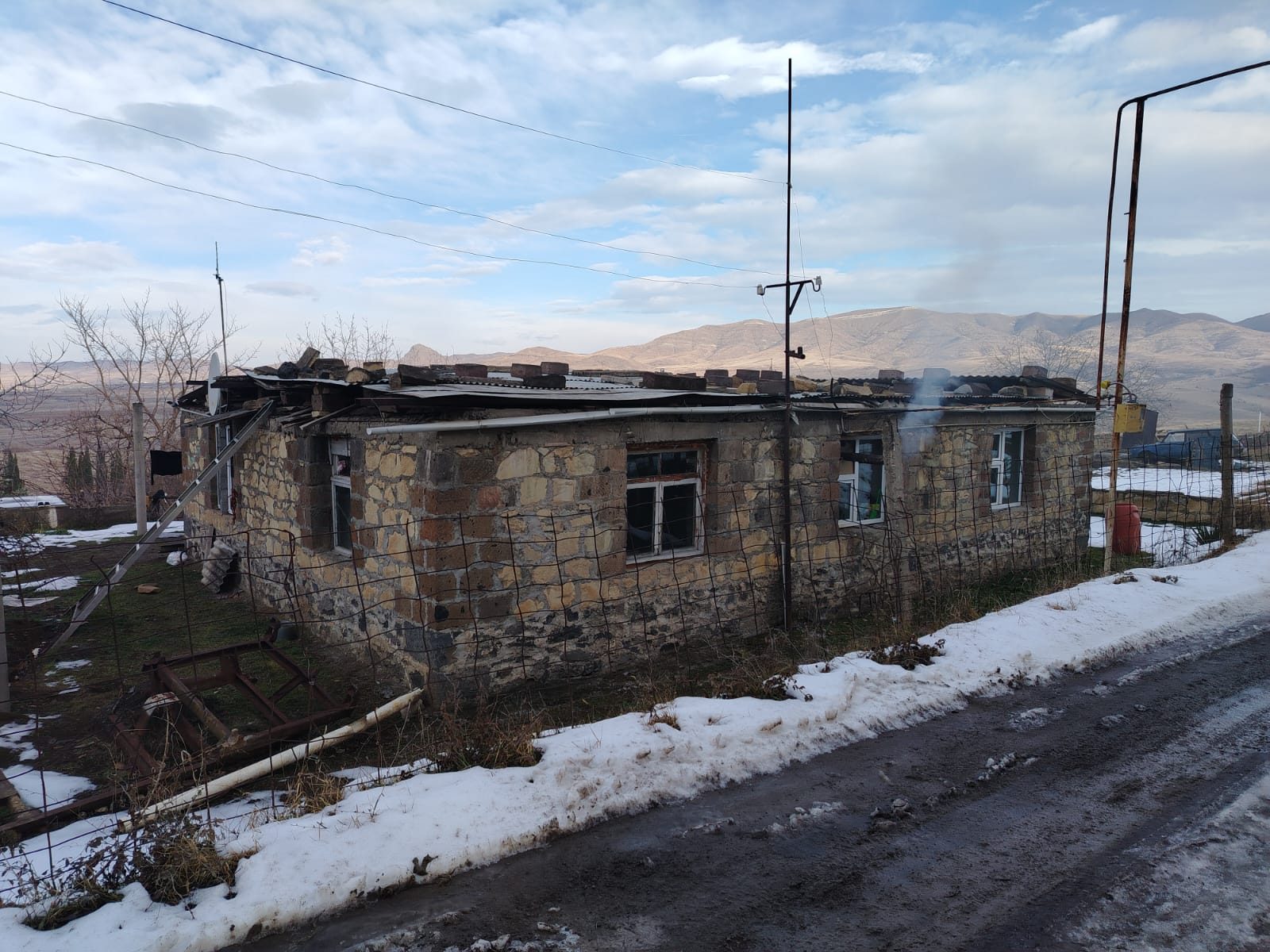
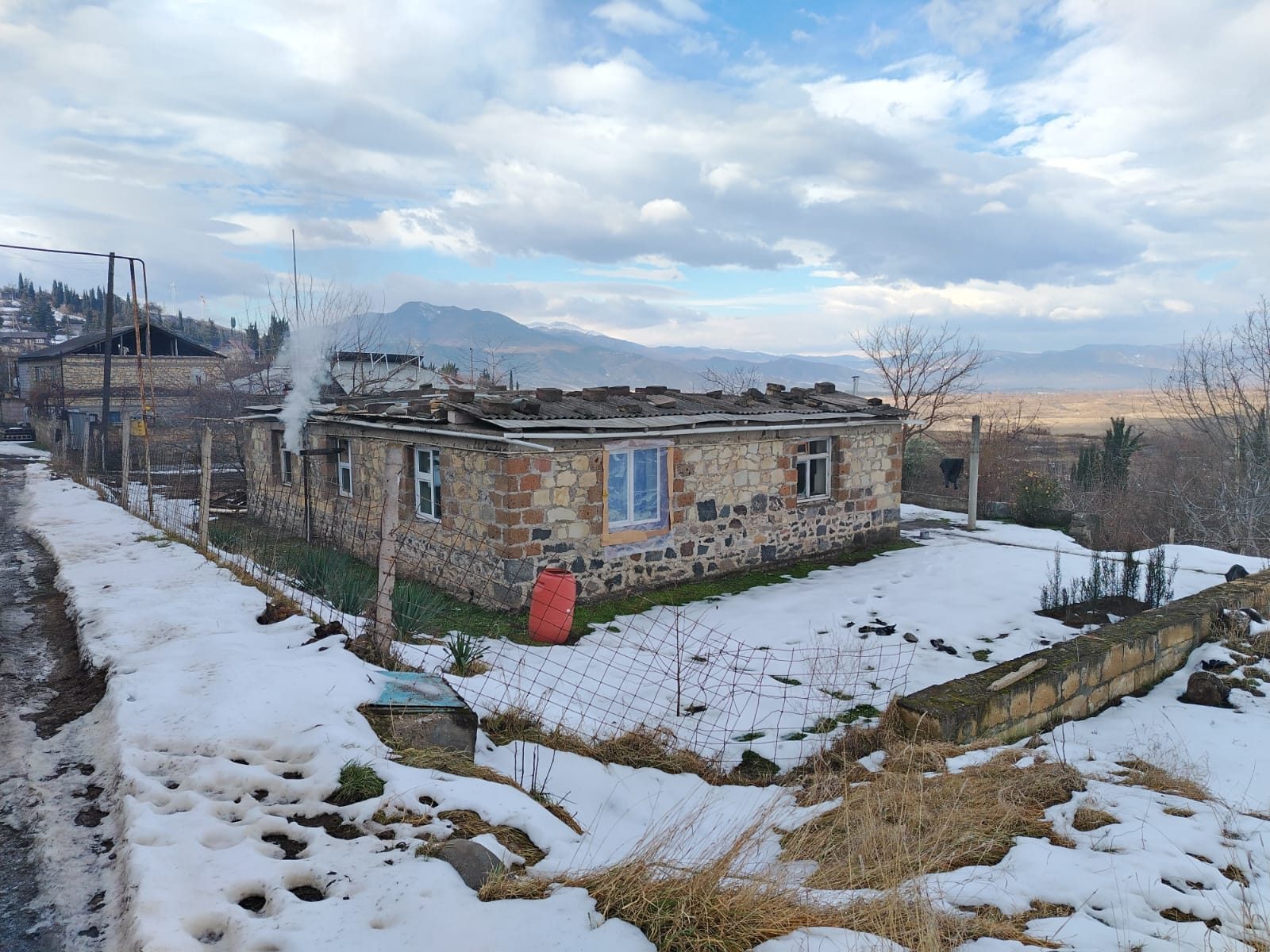
A home cannot serve as a sanctuary if it is fundamentally unsafe or exposed to the elements. Across our operational areas, many families inhabit deteriorating structures with leaking roofs, shattered windows, and failed heating systems. Living in these dilapidated, damp, and freezing conditions traps families in a state of perpetual physical vulnerability.
Action & Intervention
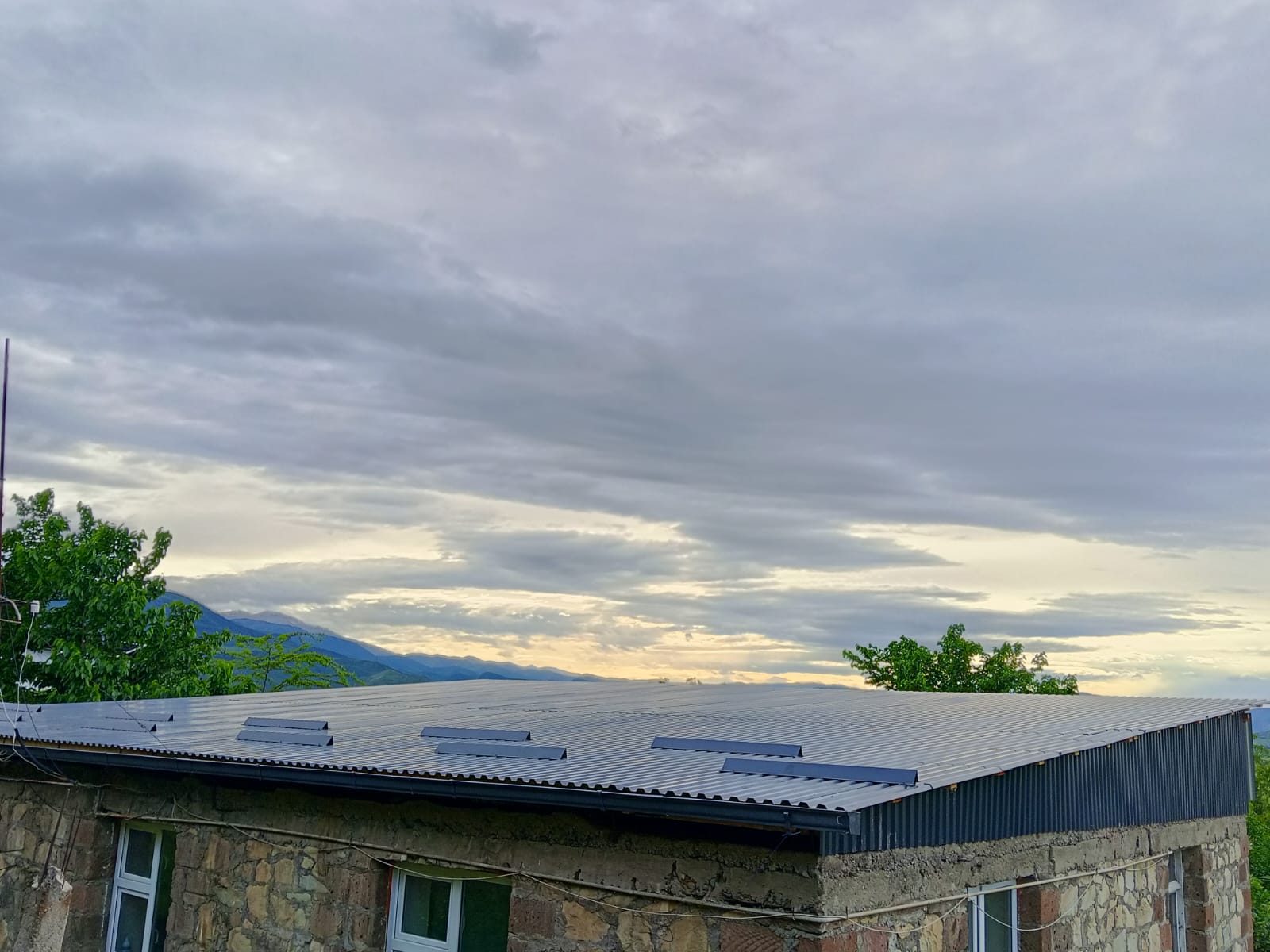
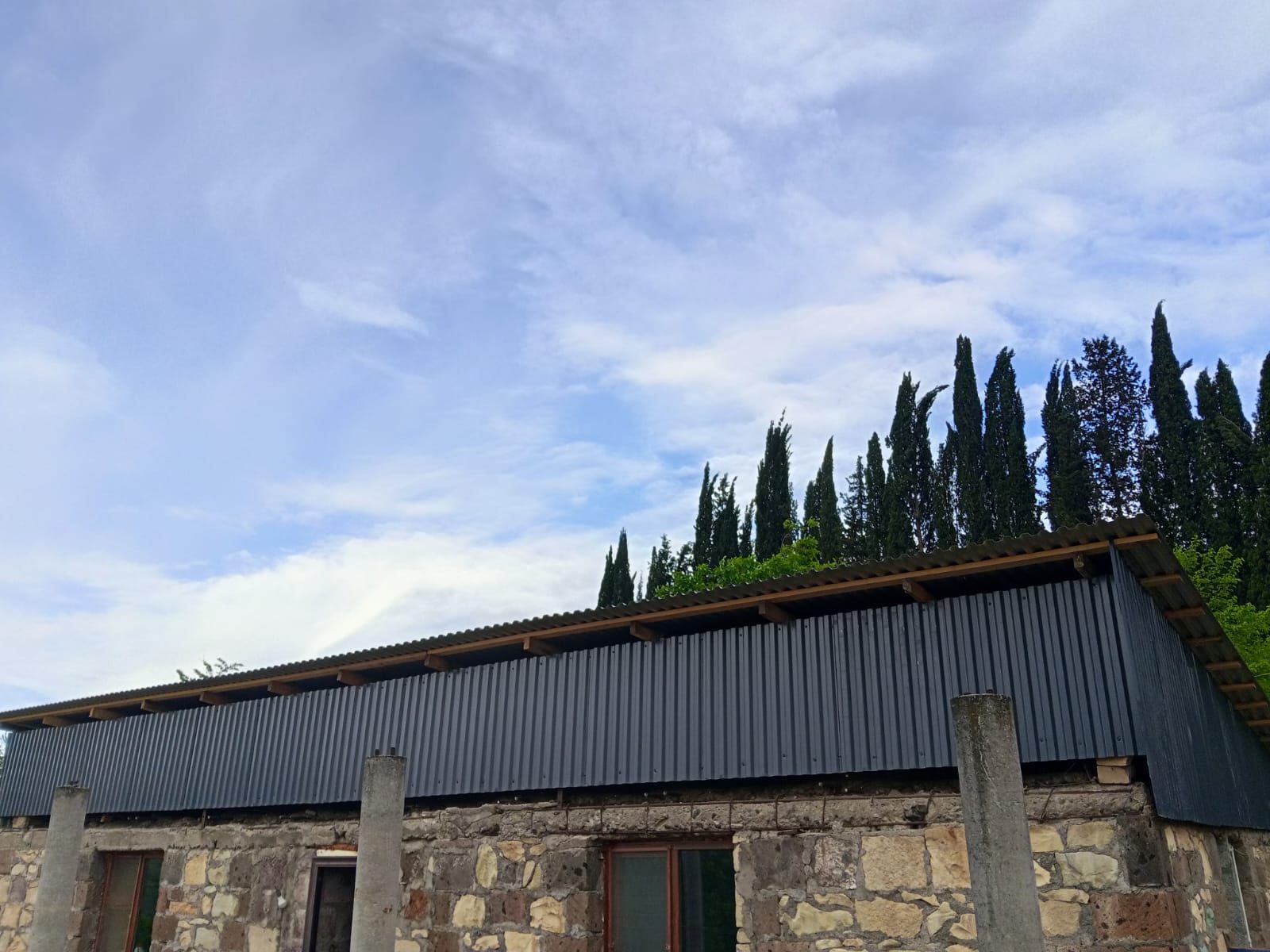
We approach housing as a critical infrastructure intervention. Little Bridge NGO provides the materials and support necessary to transform dangerous dwellings into secure homes. We fund and facilitate roof repairs, install heating systems, and supply doors, windows, gypsum mortar, and other vital renovation materials. We weather-proof and secure the physical envelope of the home.
Result & Sustainable Impact
Physical Security: Creates a safe, dry, and warm environment that protects the family unit year-round.
Asset Preservation: Prevents the total structural failure of a family's primary asset, stopping the descent into homelessness.
Psychological Stability: Provides the foundational peace of mind required for families to focus on employment and education rather than immediate survival.
📷 Field Gallery
🏭Micro-Enterprise & Income Generation AidCooperatives & business incubation▼
Situation Analysis & Needs Assessment
Ambition and talent exist abundantly in Armenia's rural and displaced communities, but the total absence of startup capital prevents these individuals from launching self-sustaining businesses. Without initial equipment, viable commercial ideas, from agriculture to the service industry, remain unrealized.
Action & Intervention
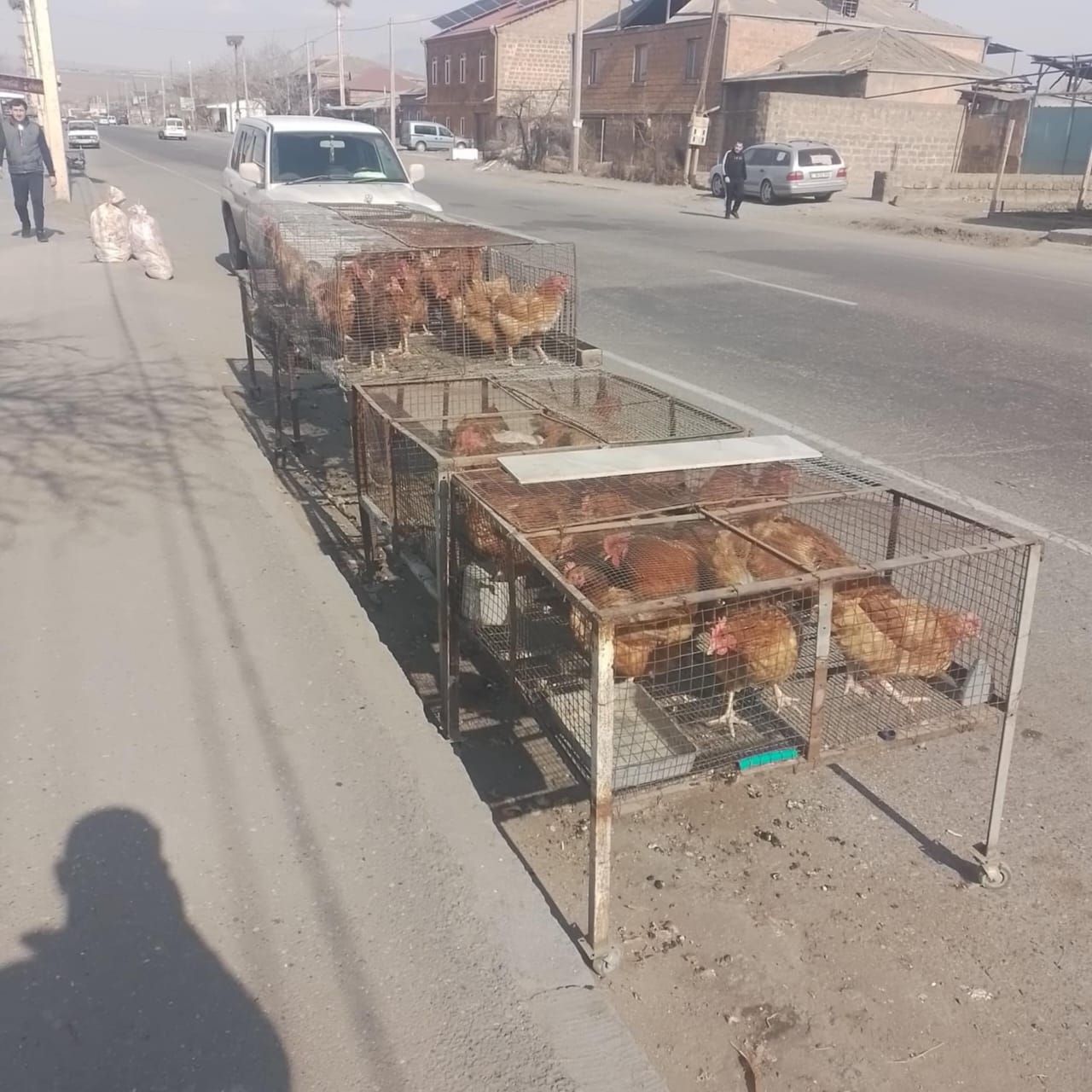
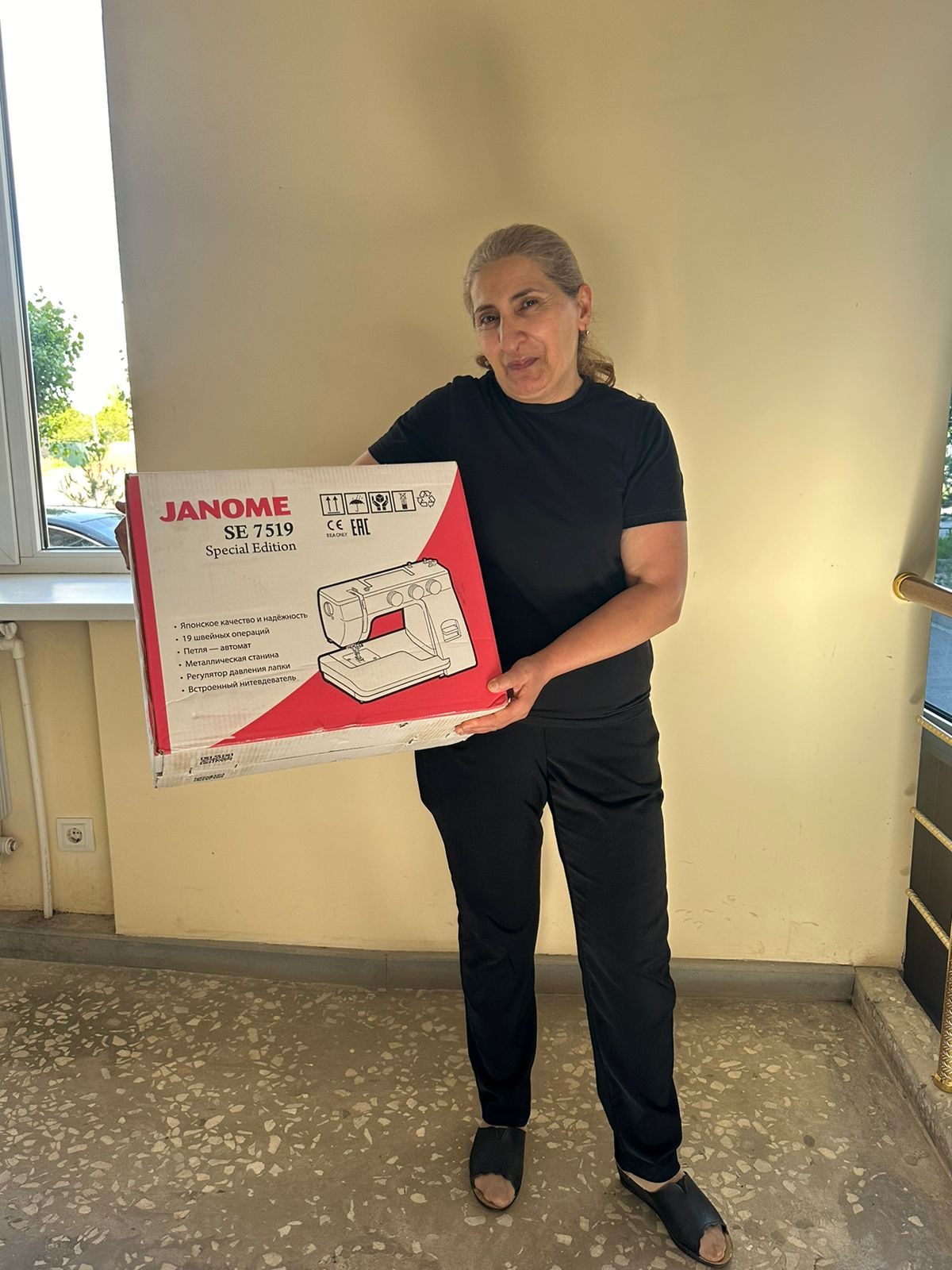
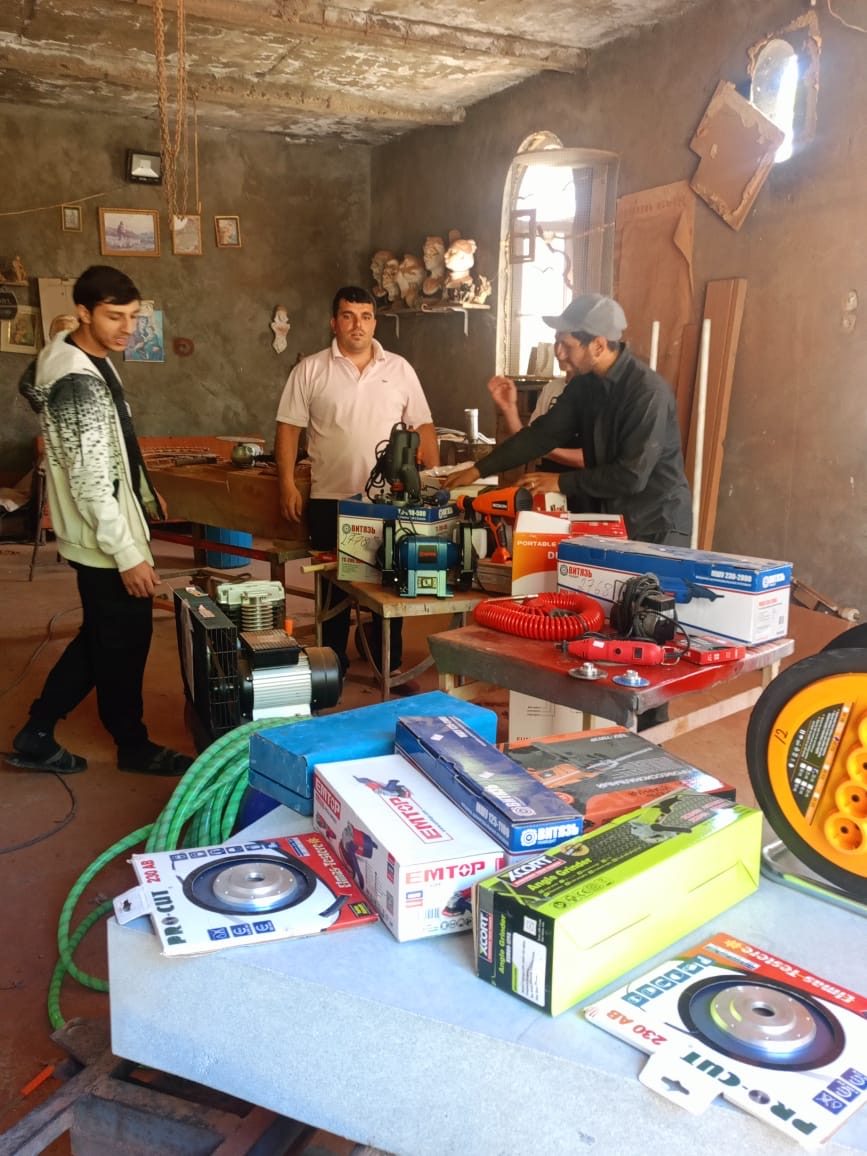
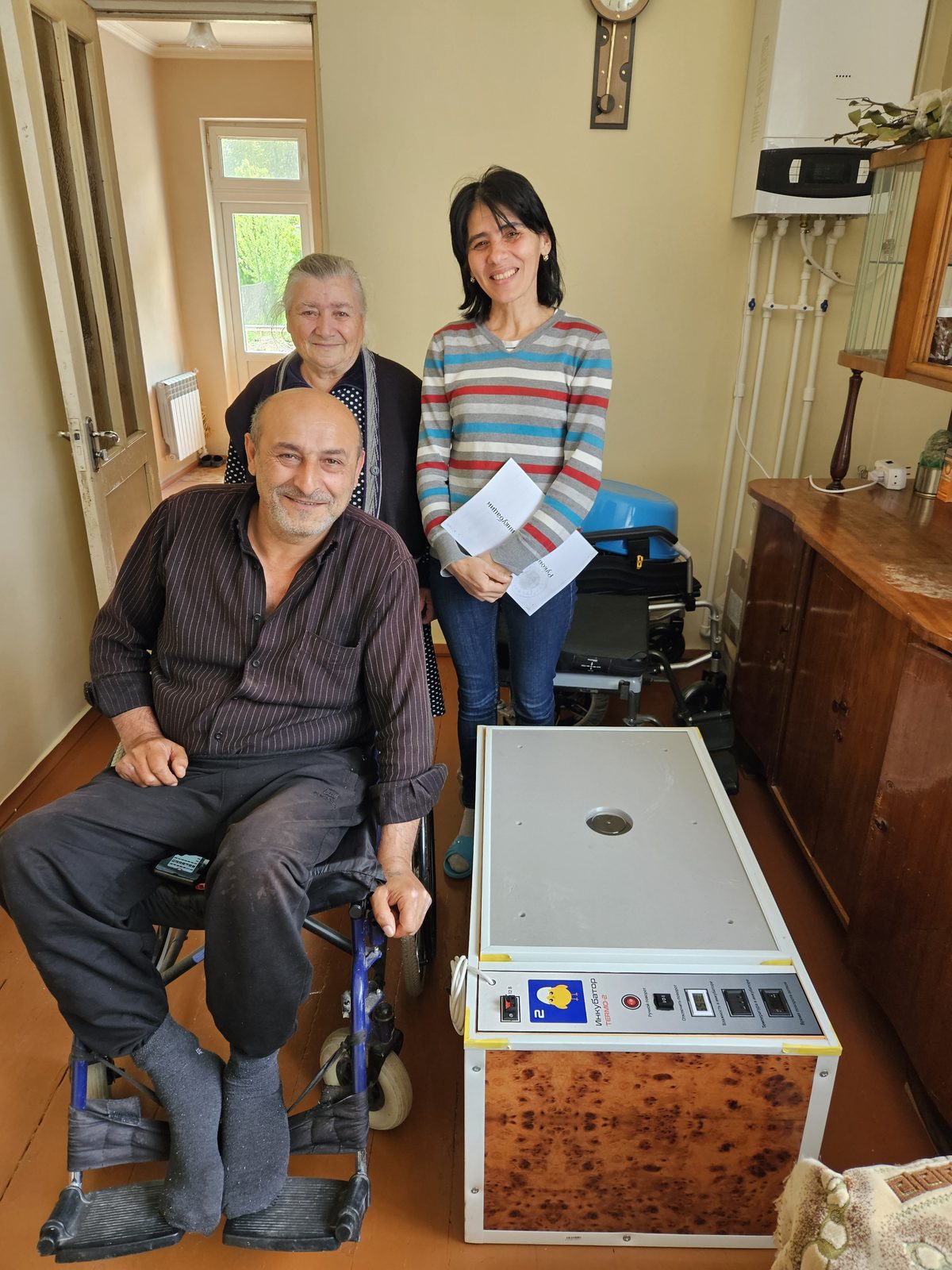
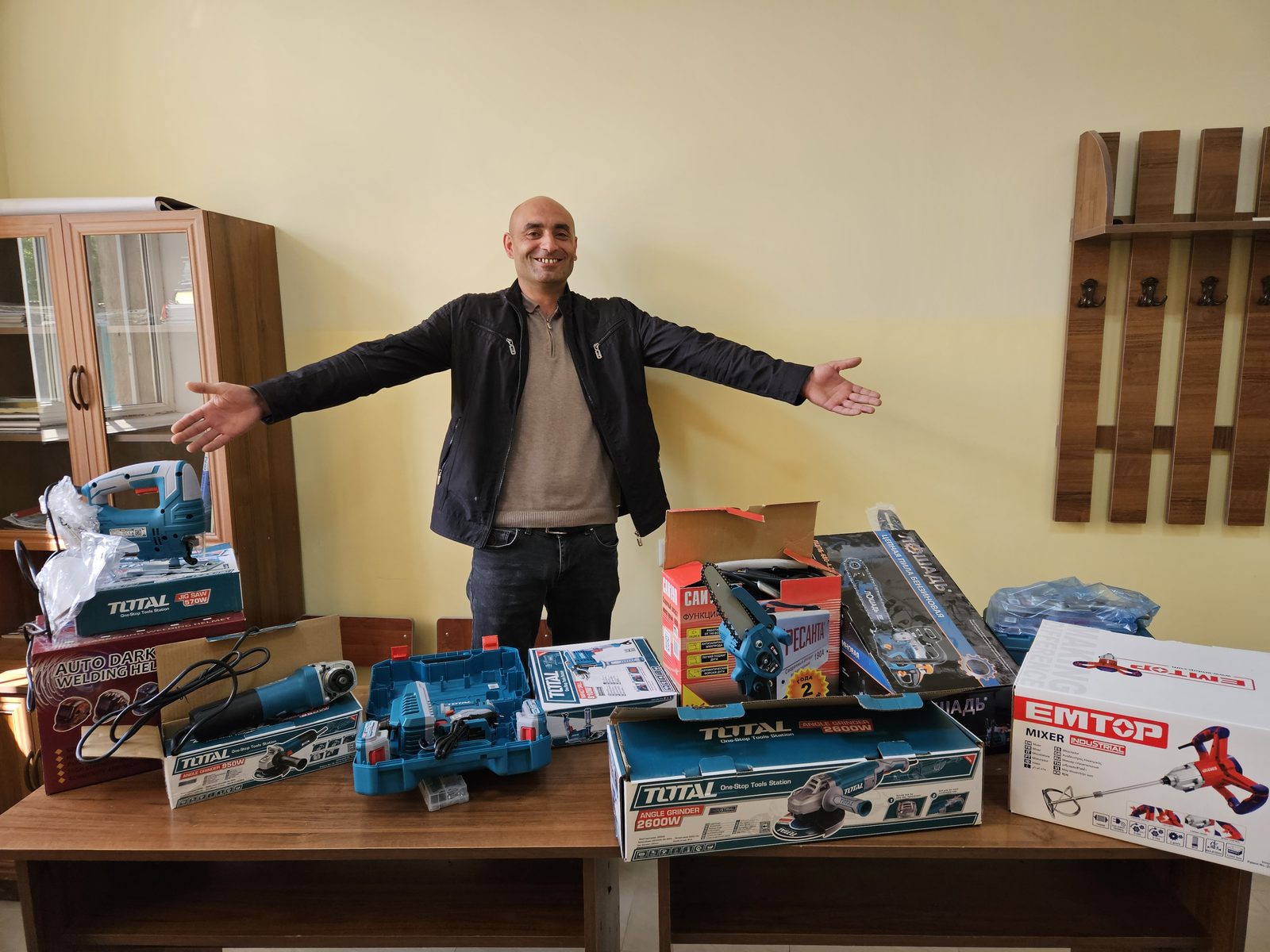
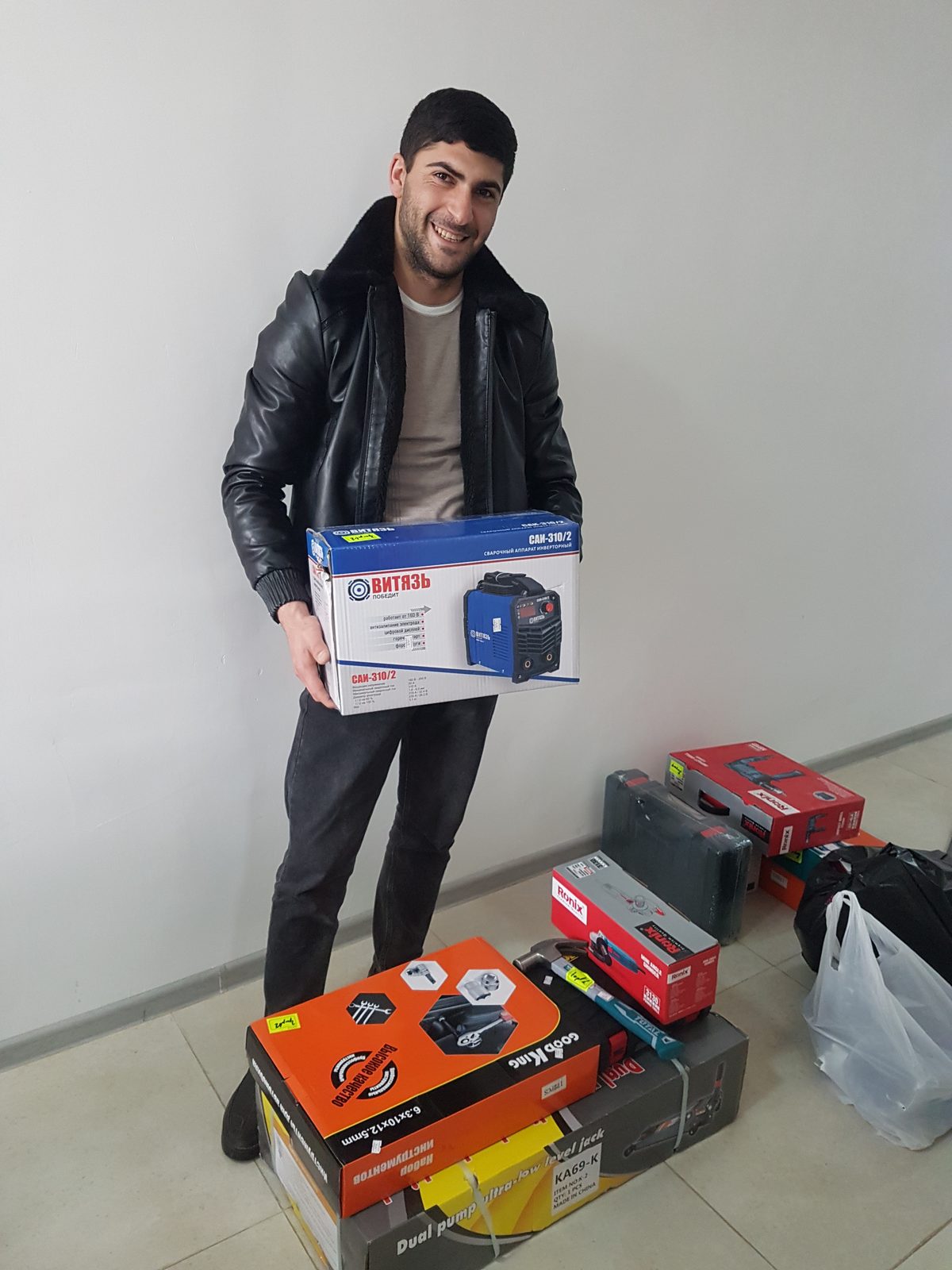
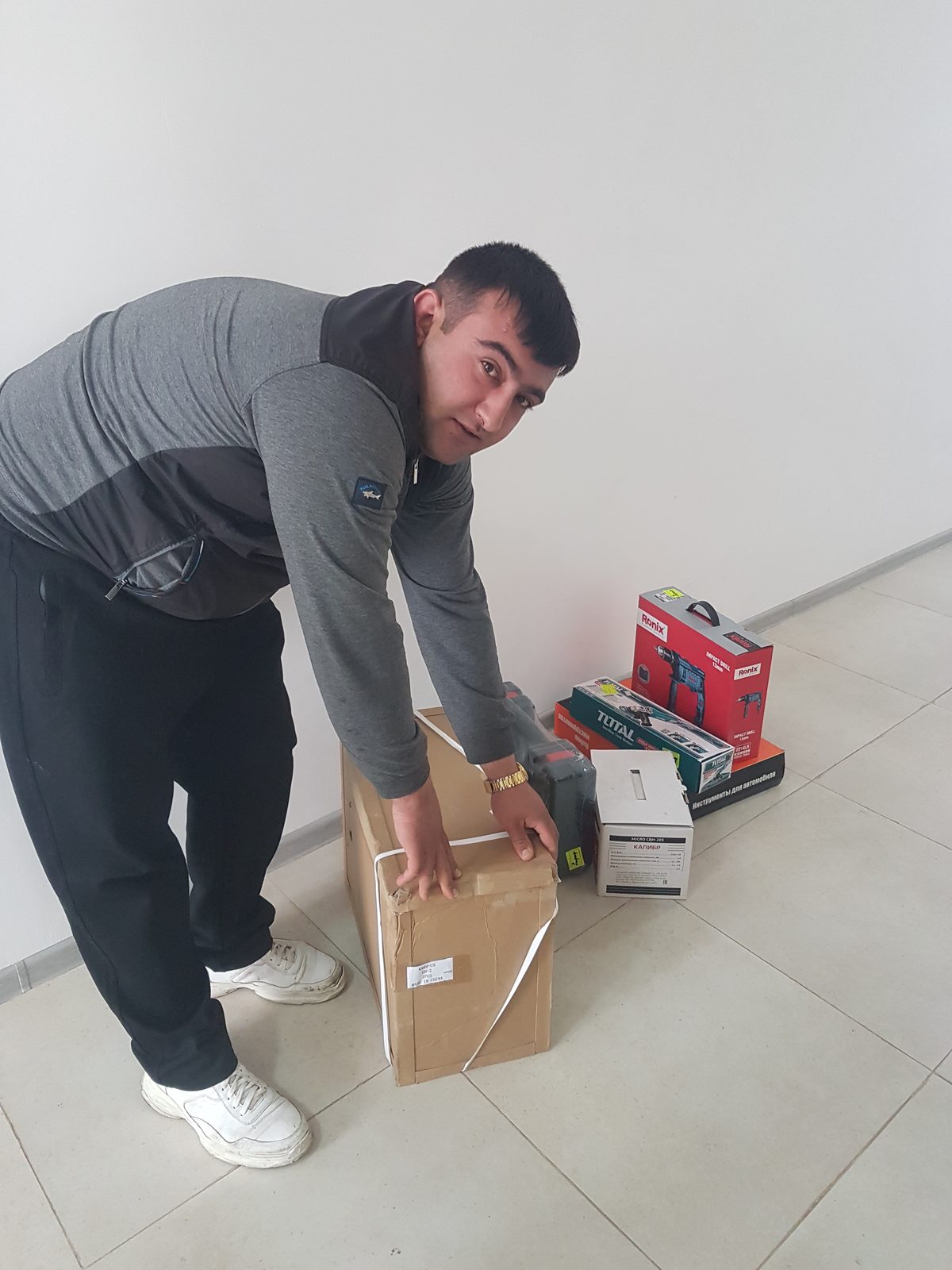
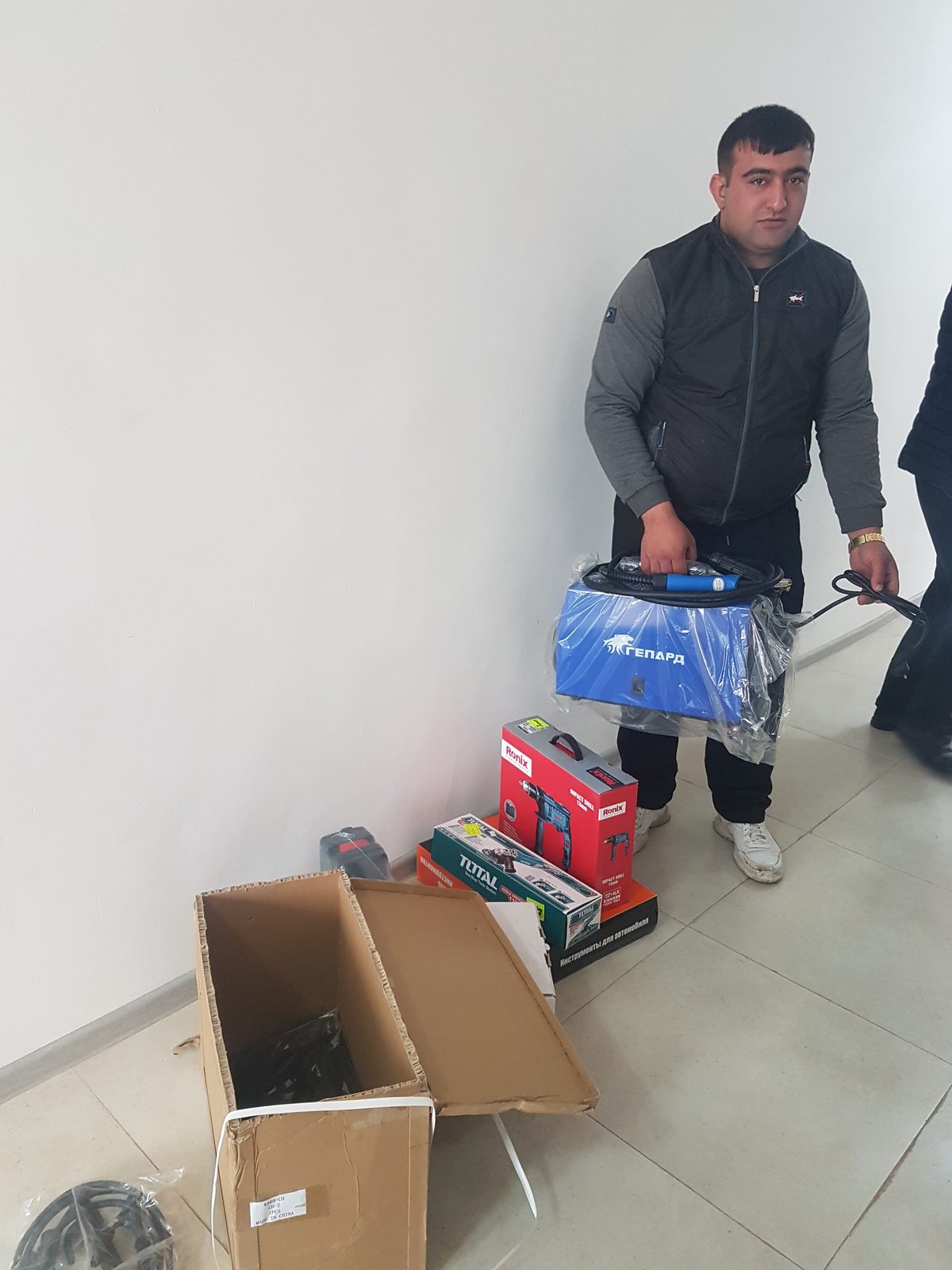
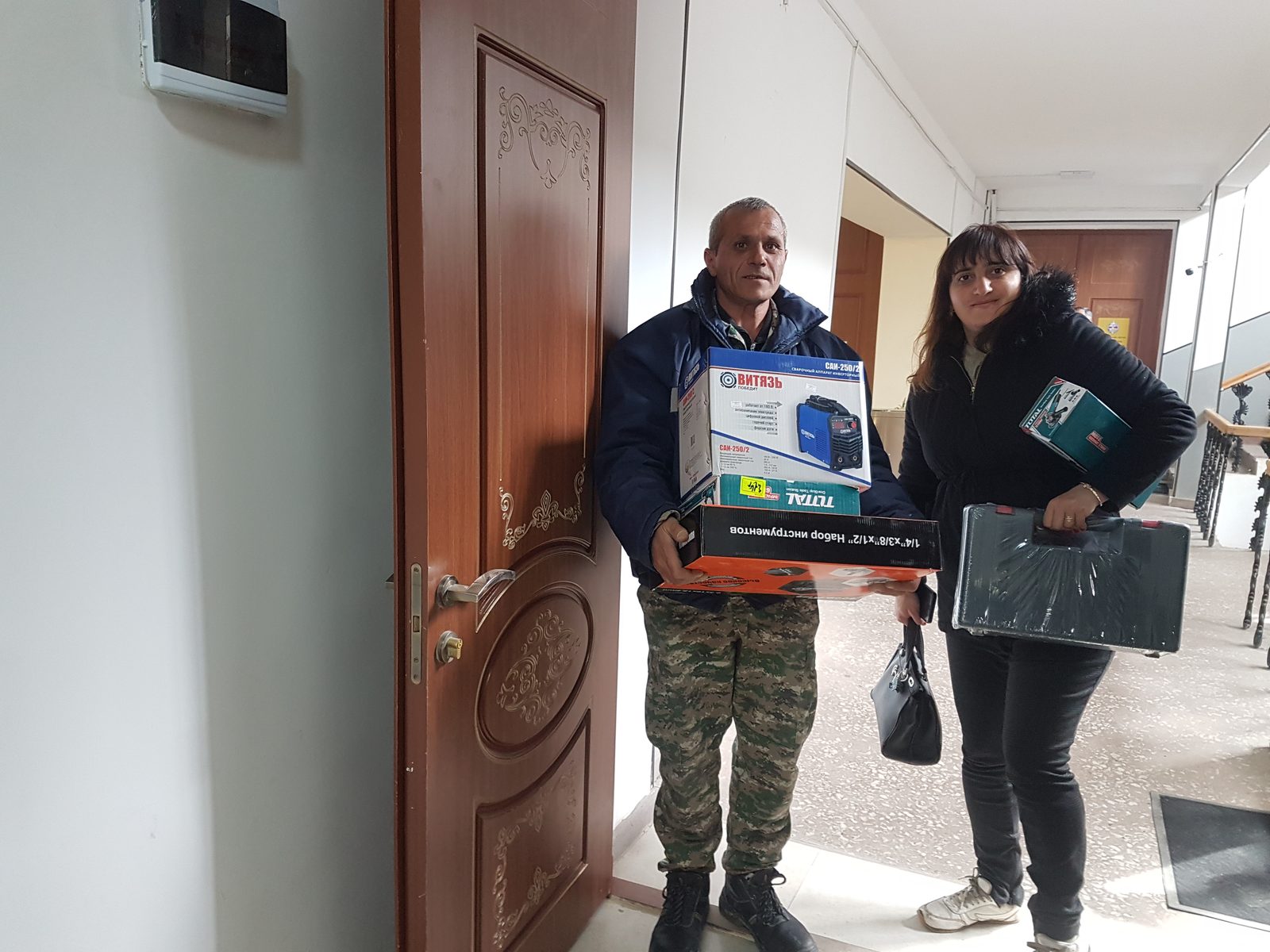
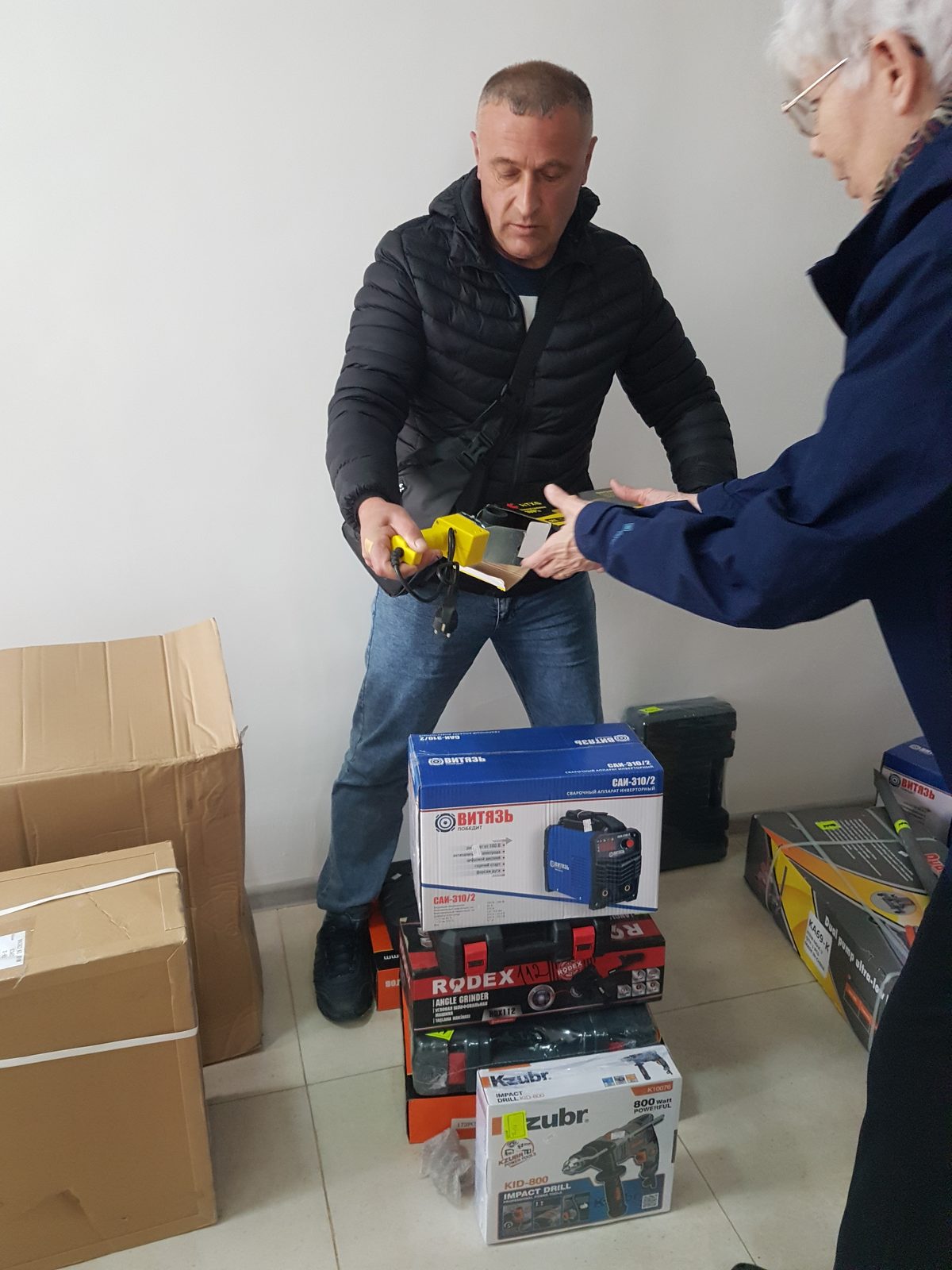
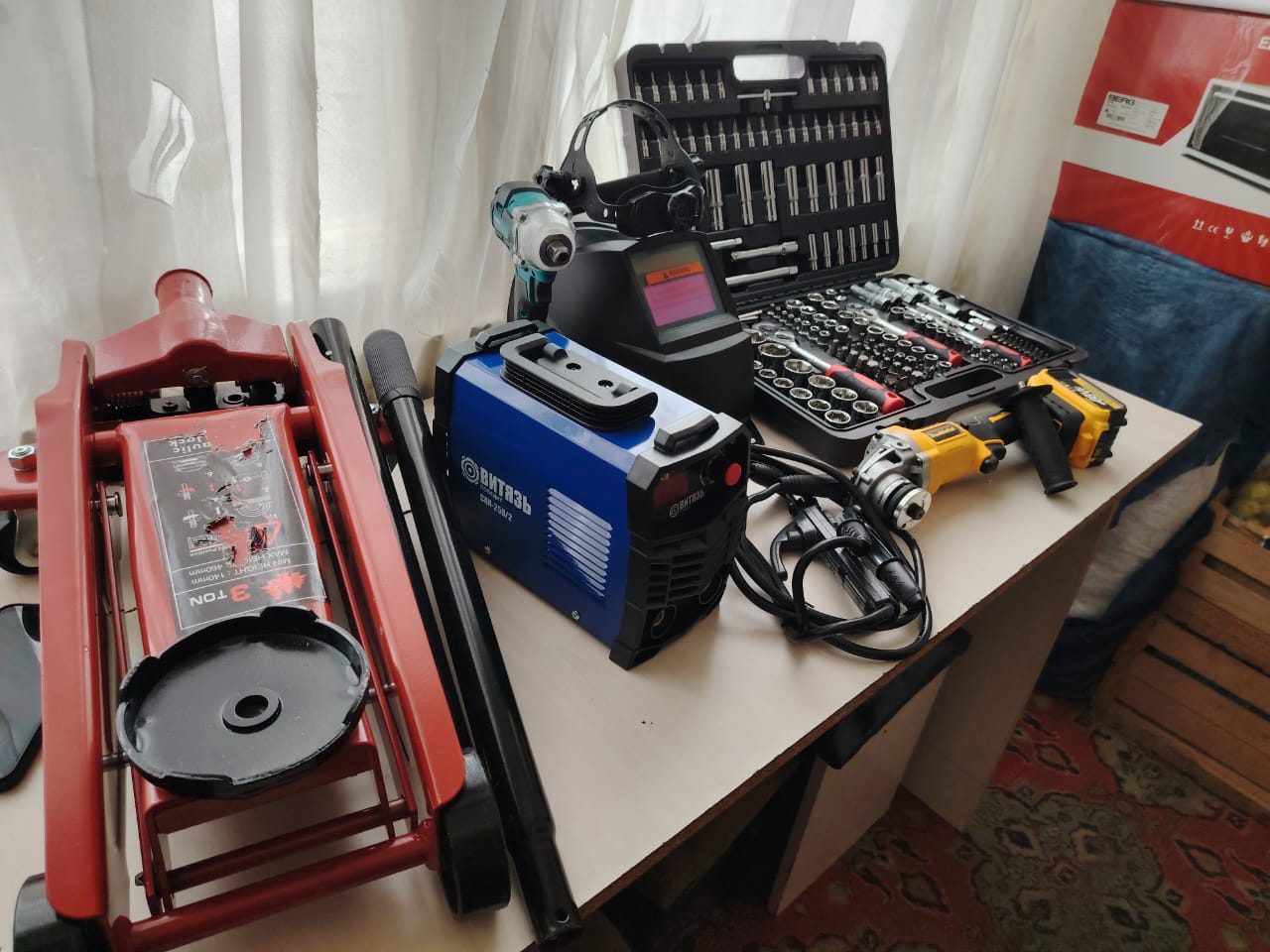
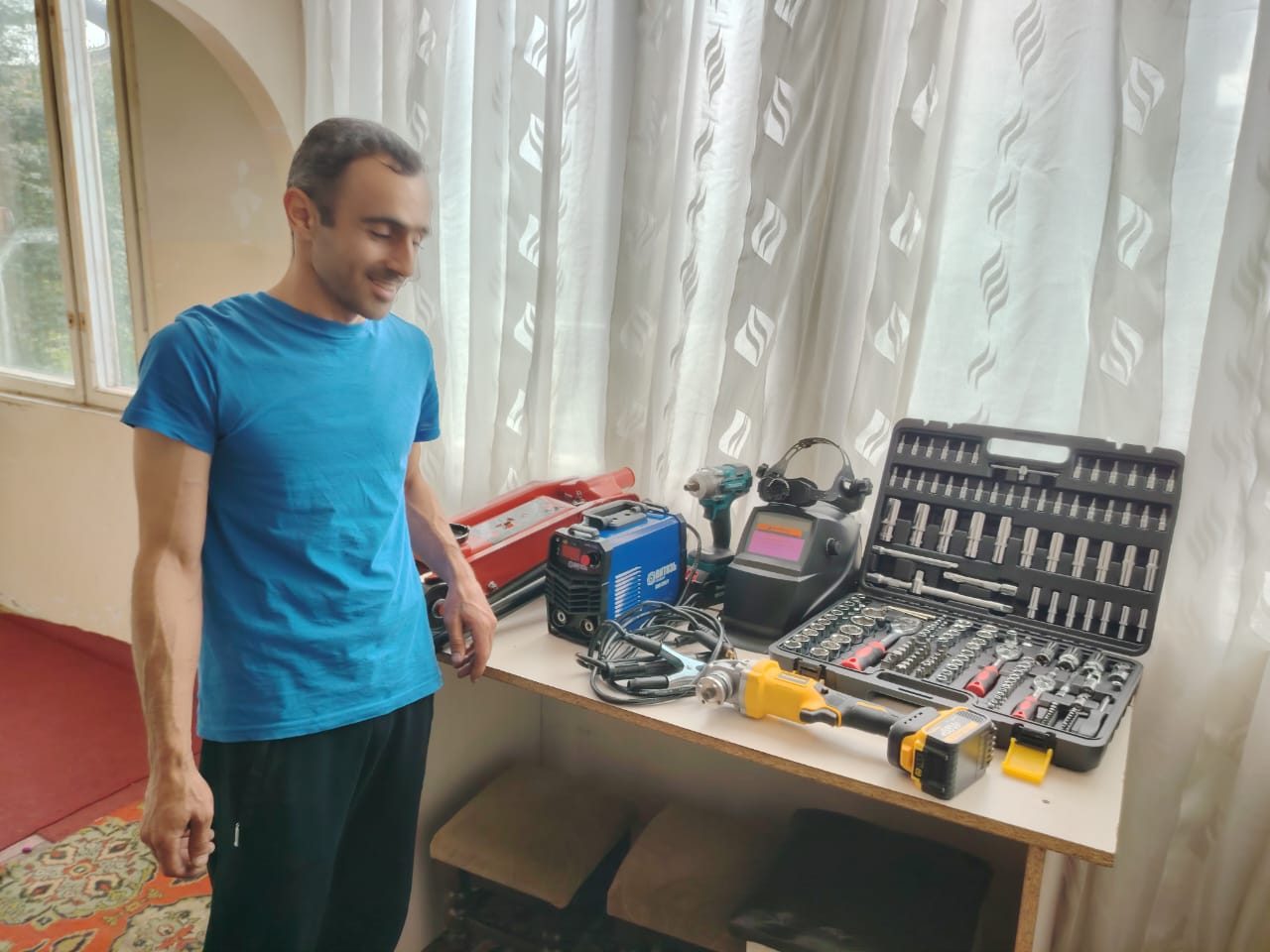
We foster economic independence through direct asset transfers and business incubation. Our interventions include installing the Shenavan Village Sewing Studio for a community cooperative, establishing the Vardenis Community Bakery, providing comprehensive beauty salon kits, and distributing professional-grade car mechanic toolsets. We also provide incubators and extraction tools for local poultry and apiculture ventures.
Result & Sustainable Impact
Asset Incubation: Provides the immediate, tangible capital required to open functional businesses.
Localized Job Creation: Initiatives like the bakery and sewing studio create employment not just for the founder, but for the wider community.
Economic Resilience: Diversifies the local economy, anchoring displaced and rural families in profitable, sustainable trades.
📷 Field Gallery
Pillar III
🏥 Health, Education & Youth Development
Preserving human potential through medical care, educational access, and safe environments for the next generation.
🏥Medical Aid242M AMD · most active category▼
Situation Analysis & Needs Assessment
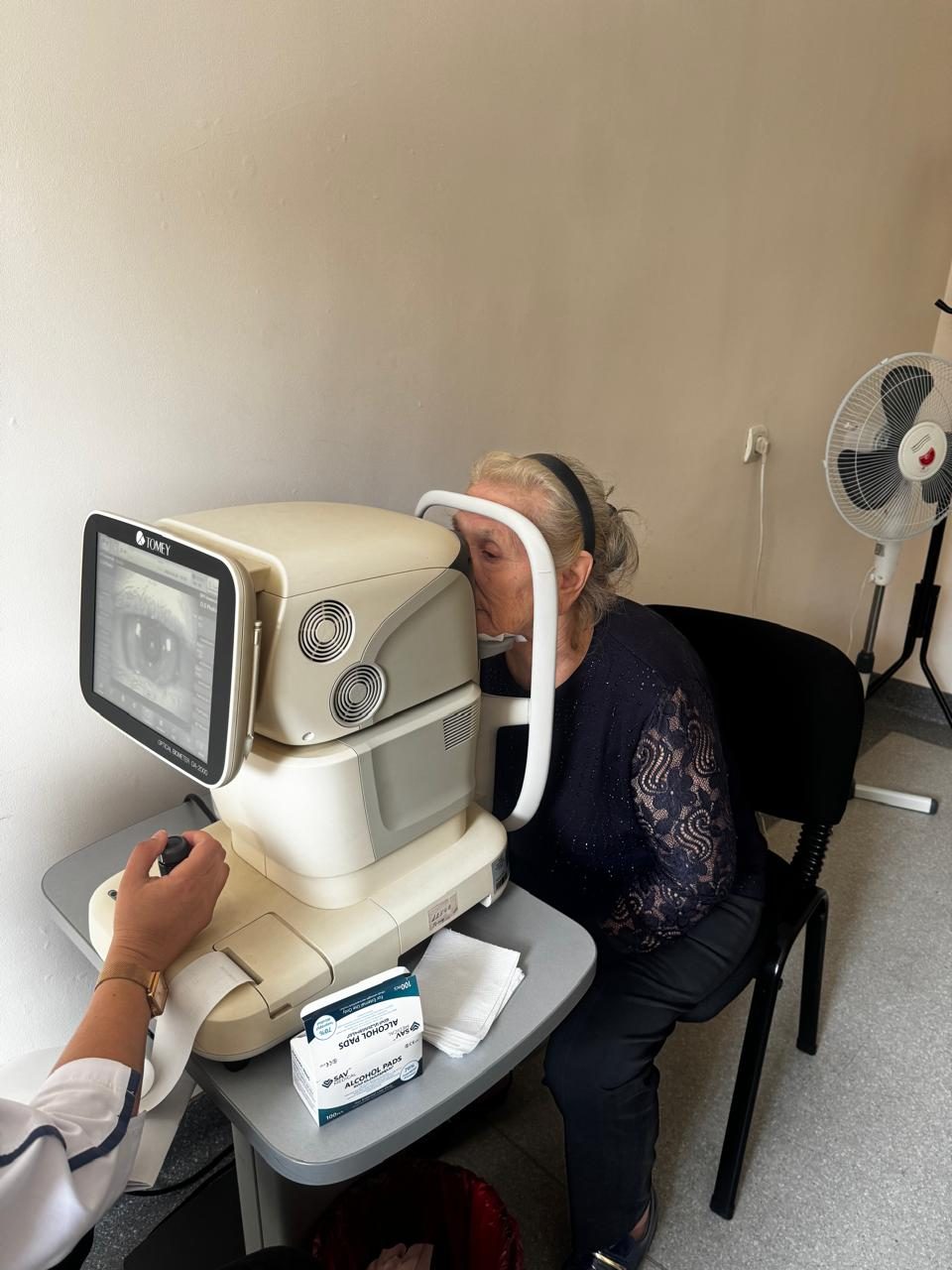
Access to specialized medical care remains financially out of reach for a significant portion of Armenia's vulnerable population. Conditions that are highly treatable, such as cataracts, joint degradation, or dental issues, often go unaddressed, leading to chronic pain, loss of mobility, and the inability to work. This systemic healthcare gap effectively sidelines capable individuals from society.
Action & Intervention
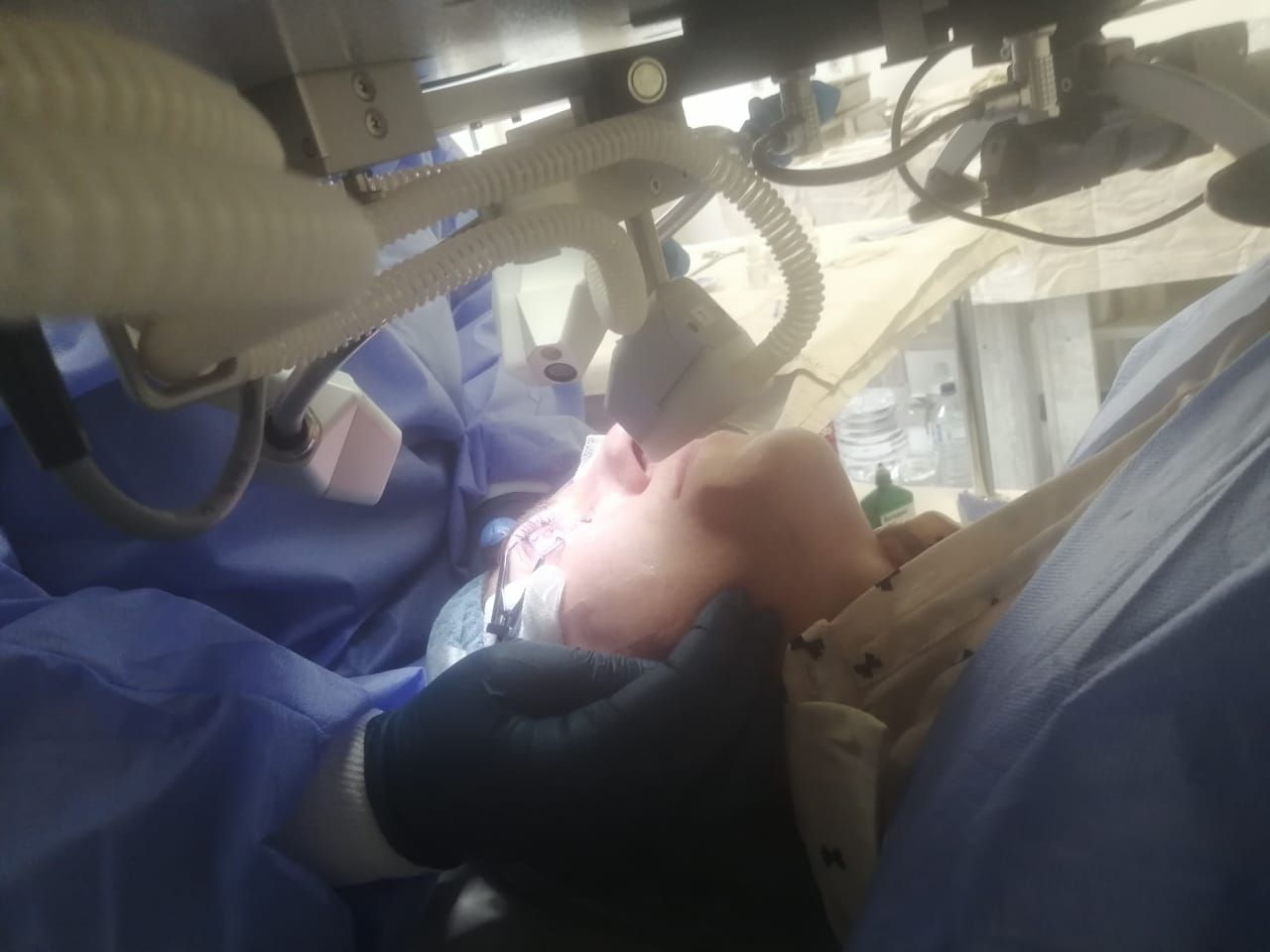
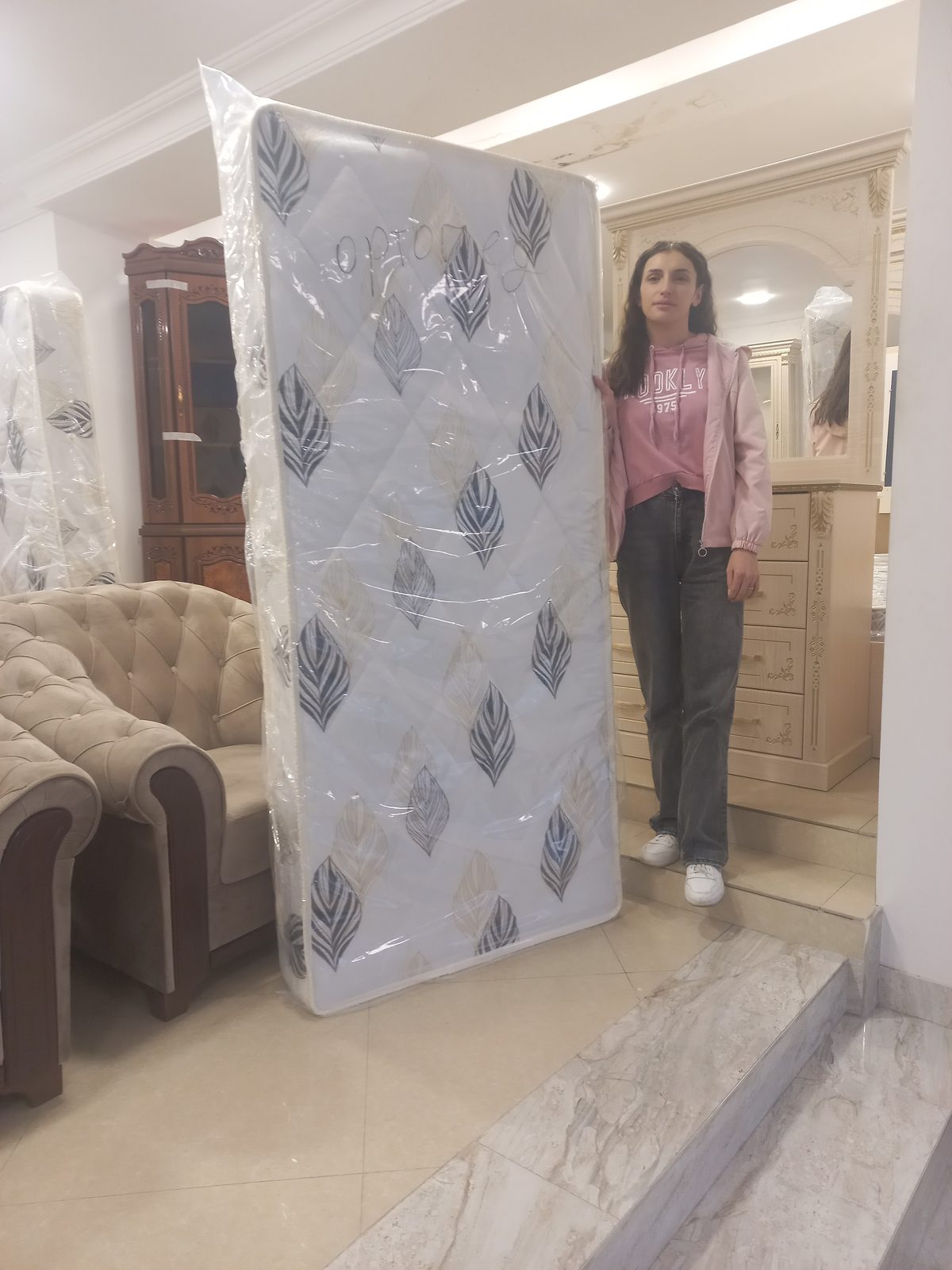
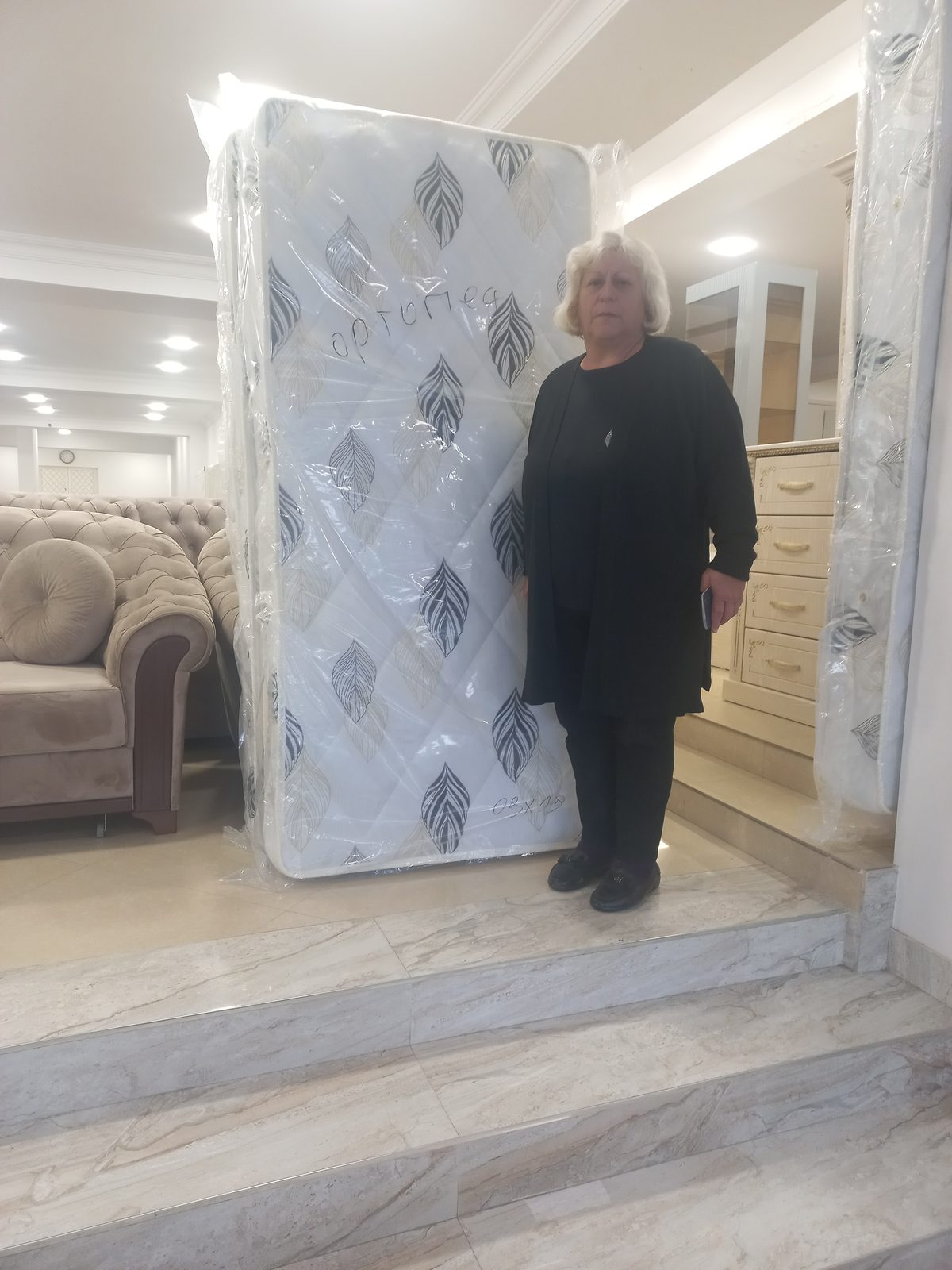
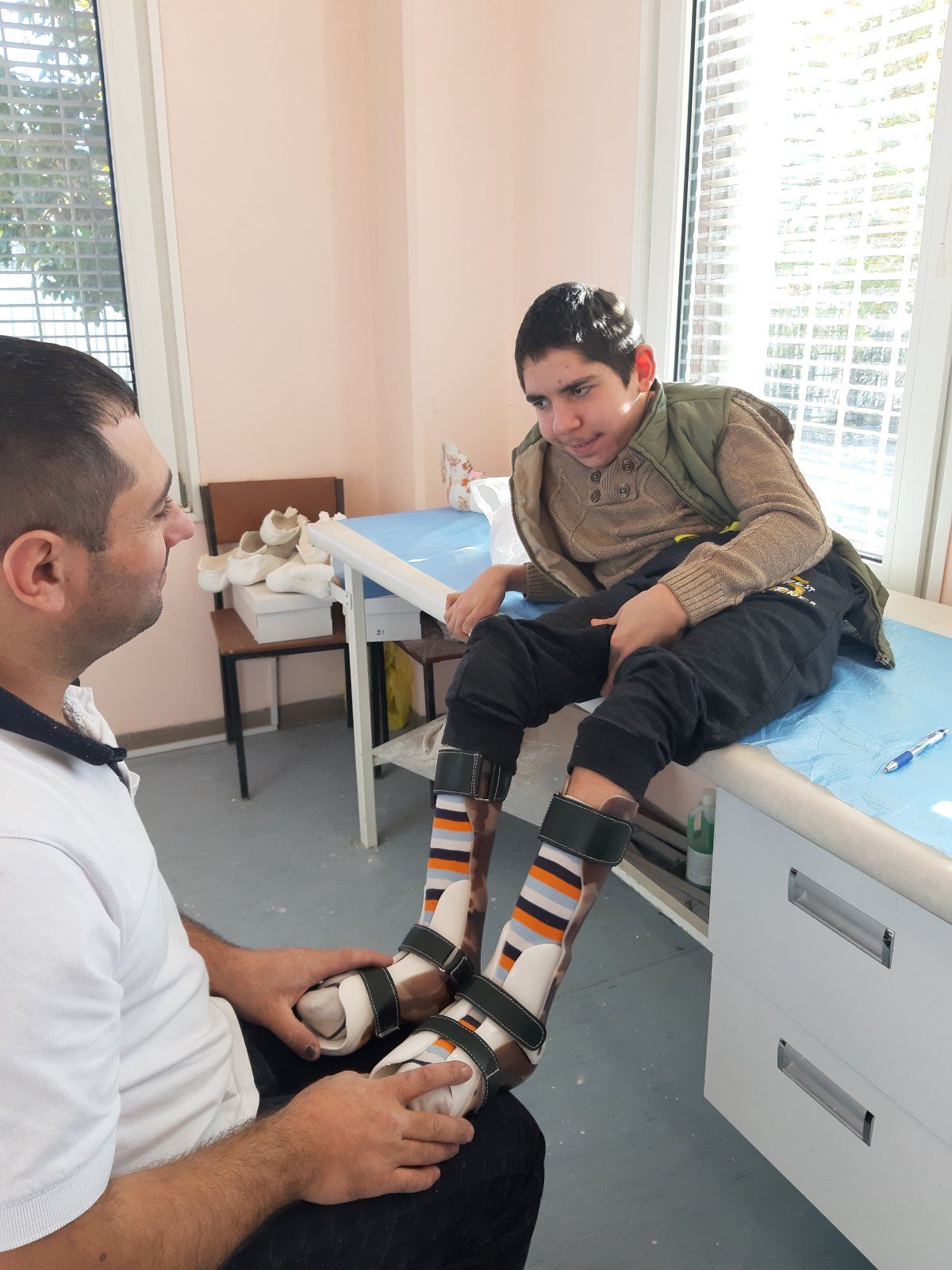
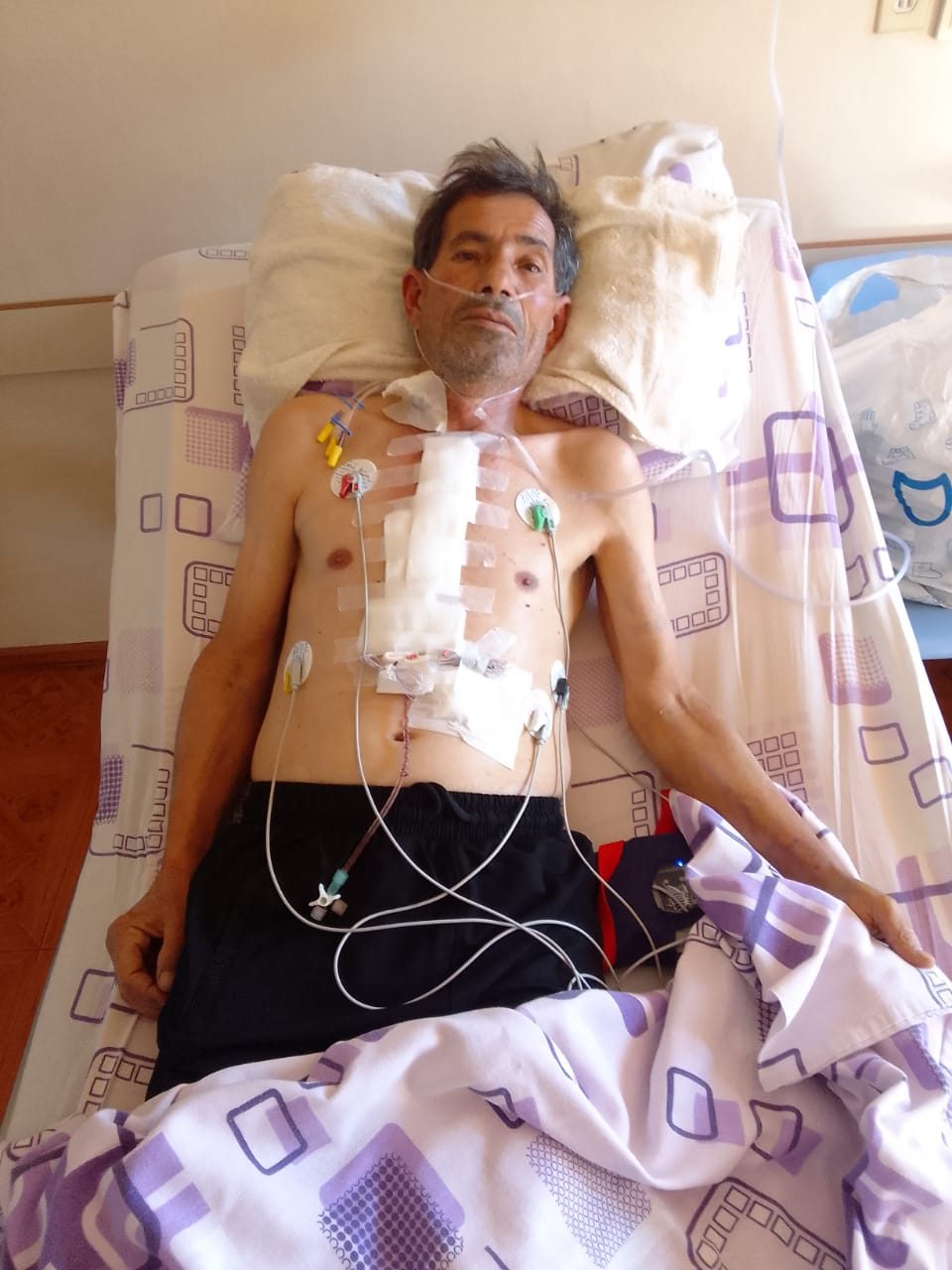
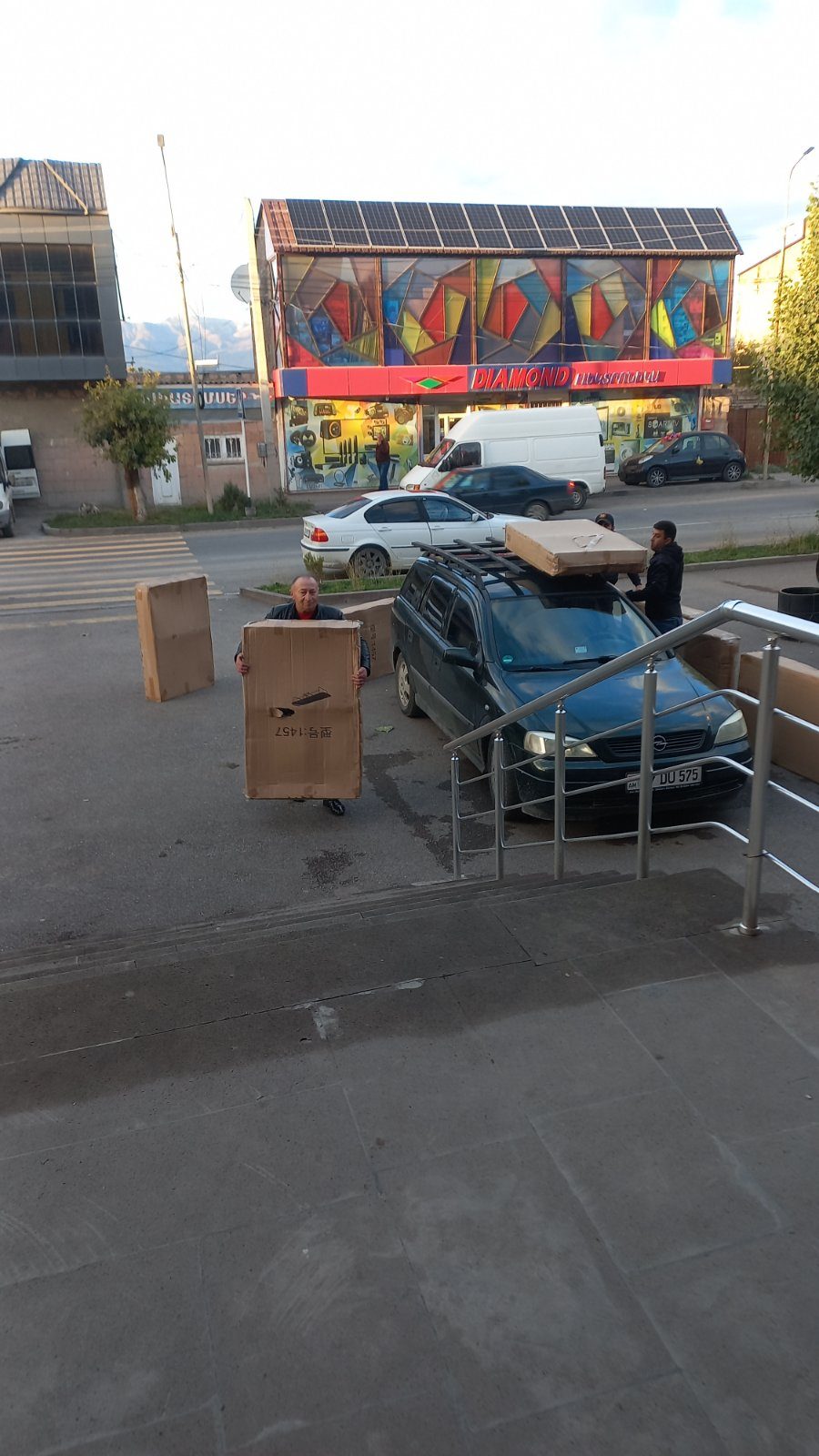
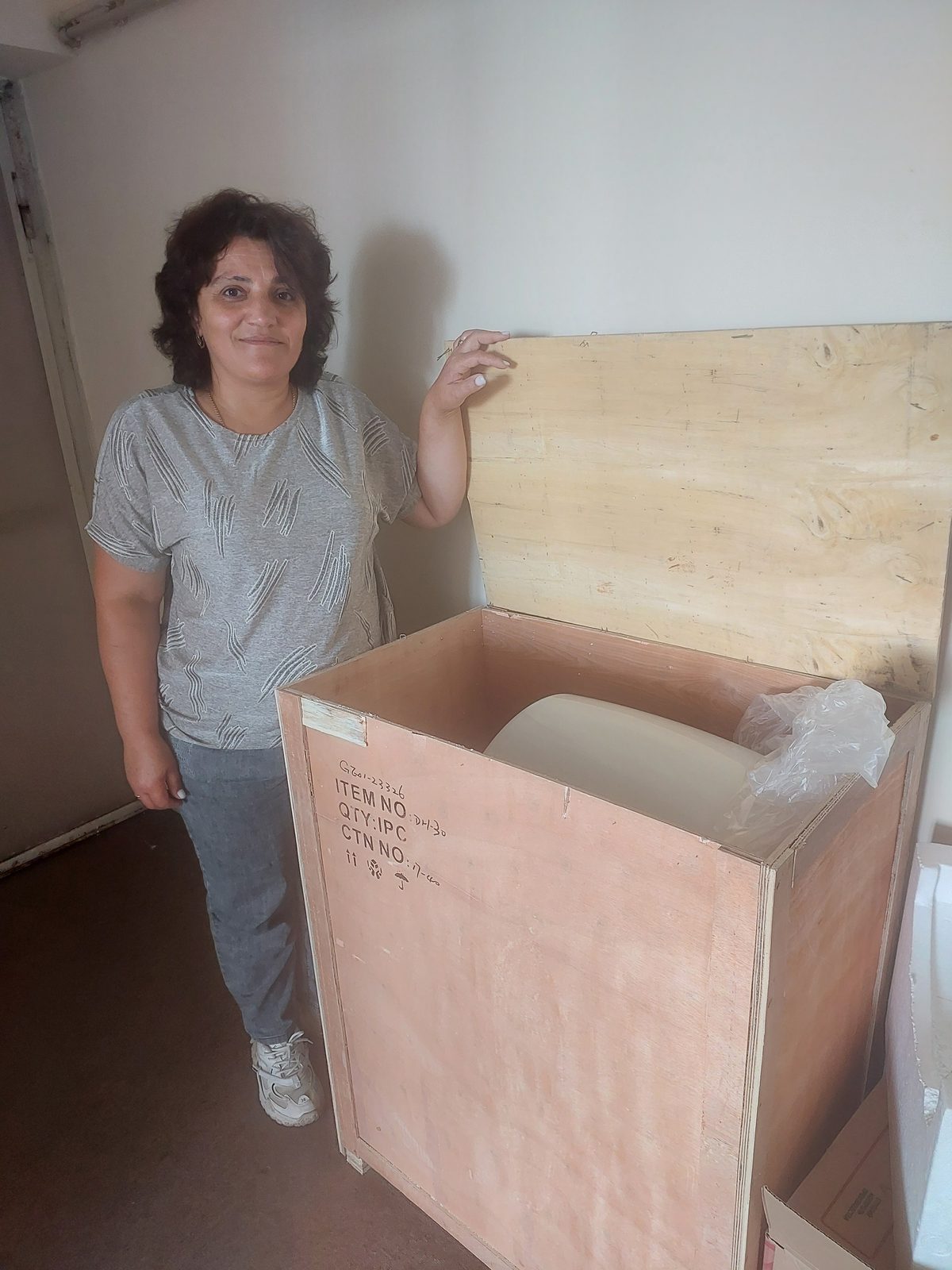
We facilitate and fund critical medical interventions for those entirely unable to afford them. Our holistic program covers life-altering emergency and elective surgical procedures and equipment, including eye surgery, lens implants, prosthetics, oxygen concentrators, dialysis support, dental care, knee implants, hearing devices, and expert specialist consultations. Beyond individual aid, we actively strengthen Armenia's broader healthcare infrastructure by outfitting hospitals with expensive medical devices, essential hospital beds, and vital clinical equipment, and provide direct funding and logistical support for emergency life-saving surgeries.
Result & Sustainable Impact
Restoration of Agency: Returns mobility, sight, and hearing, fundamentally restoring a person's independence and quality of life.
Institutional Capacity Building: Modernizing hospital equipment elevates the standard of care for entire communities.
Systems Relief: Alleviates the long-term burden on local social services by preventing manageable conditions from becoming permanent disabilities.
Higher education is the most reliable ladder out of generational poverty. However, for brilliant and motivated young people in marginalized communities across Armavir, Gyumri, Khoy, and beyond, university tuition is an insurmountable financial barrier. The loss of this human potential is a tragedy not just for the individual, but for the future economic development of the nation.
Action & Intervention
Little Bridge NGO removes this financial blockade by providing direct university tuition payments and comprehensive scholarships to students from vulnerable backgrounds. We identify high-potential youth who lack resources and fund their academic journeys, ensuring that their geographical or economic origins do not dictate their future trajectories.
Result & Sustainable Impact
Human Capital Development: Cultivates the next generation of educated professionals, leaders, and innovators in Armenia.
Generational Wealth: Empowers students to secure high-value employment, permanently lifting themselves and their extended families out of poverty.
Community Uplift: Creates localized role models in regions like Gyumri and Armavir, proving to younger children that higher education is attainable.
👧Children Projects72M AMD▼
Situation Analysis & Needs Assessment
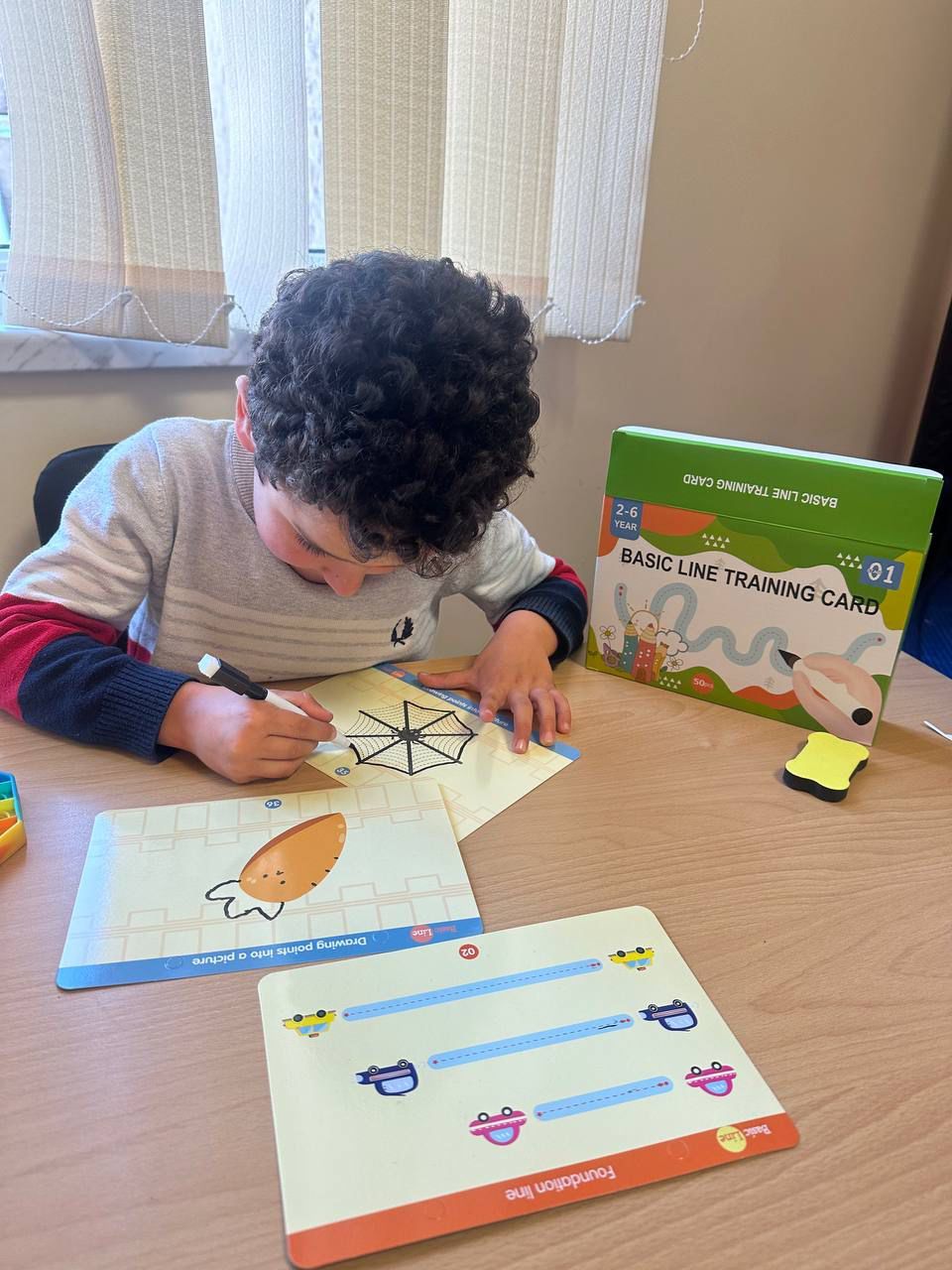
Education is a universal right, yet children in severely deprived communities often arrive at school without the fundamental tools required to learn. A lack of basic supplies not only hinders their academic progress but also creates a deep sense of social exclusion and stigma among peers, dampening their enthusiasm for education from a remarkably young age.
Action & Intervention
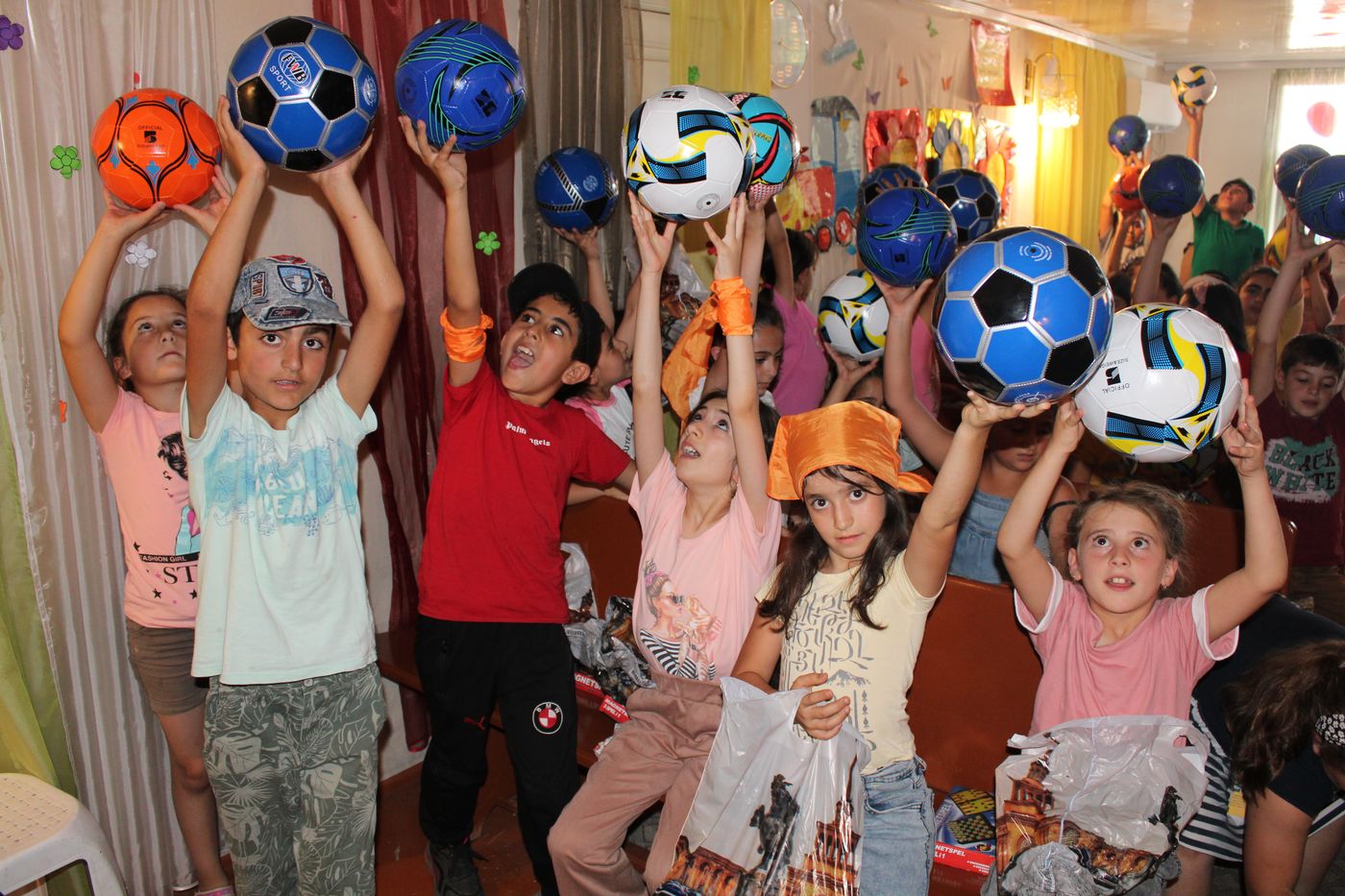
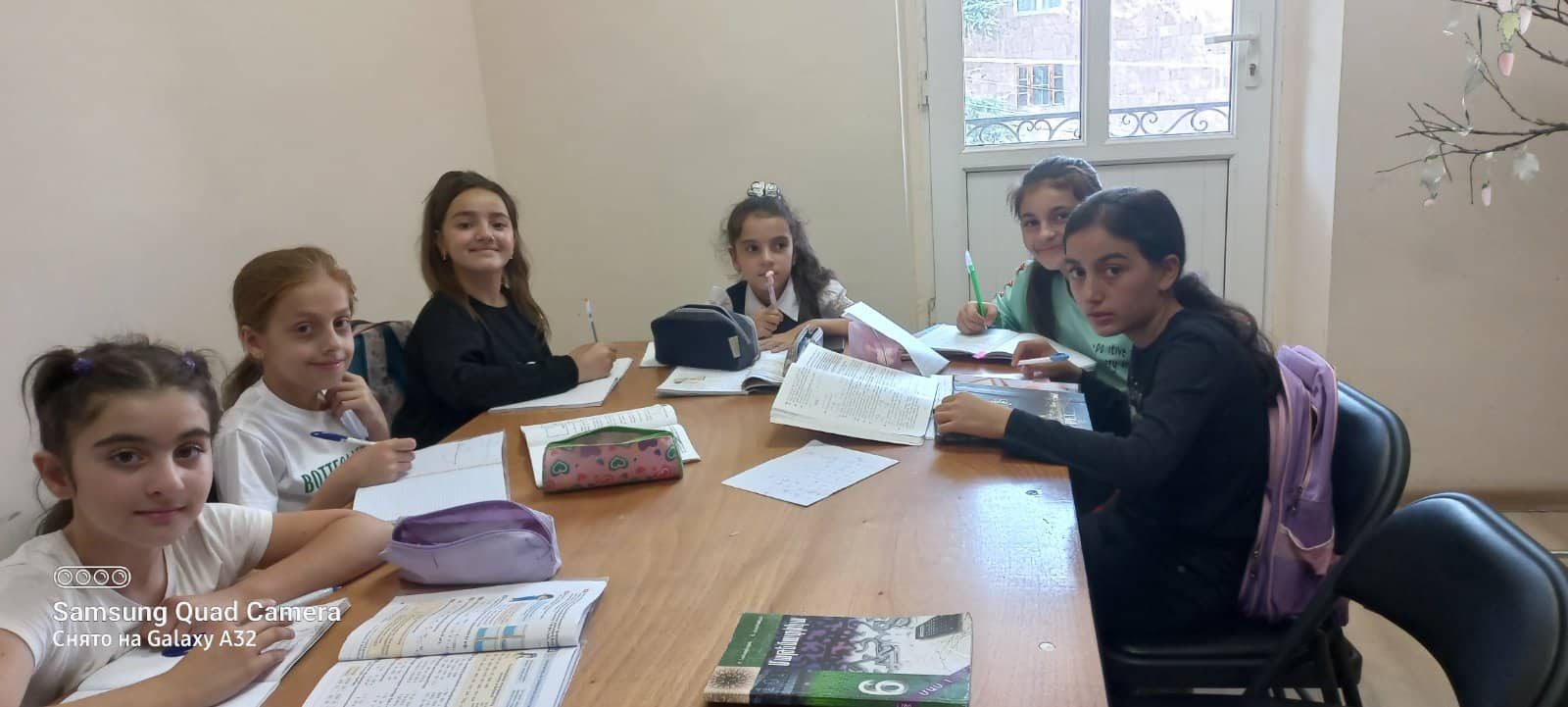
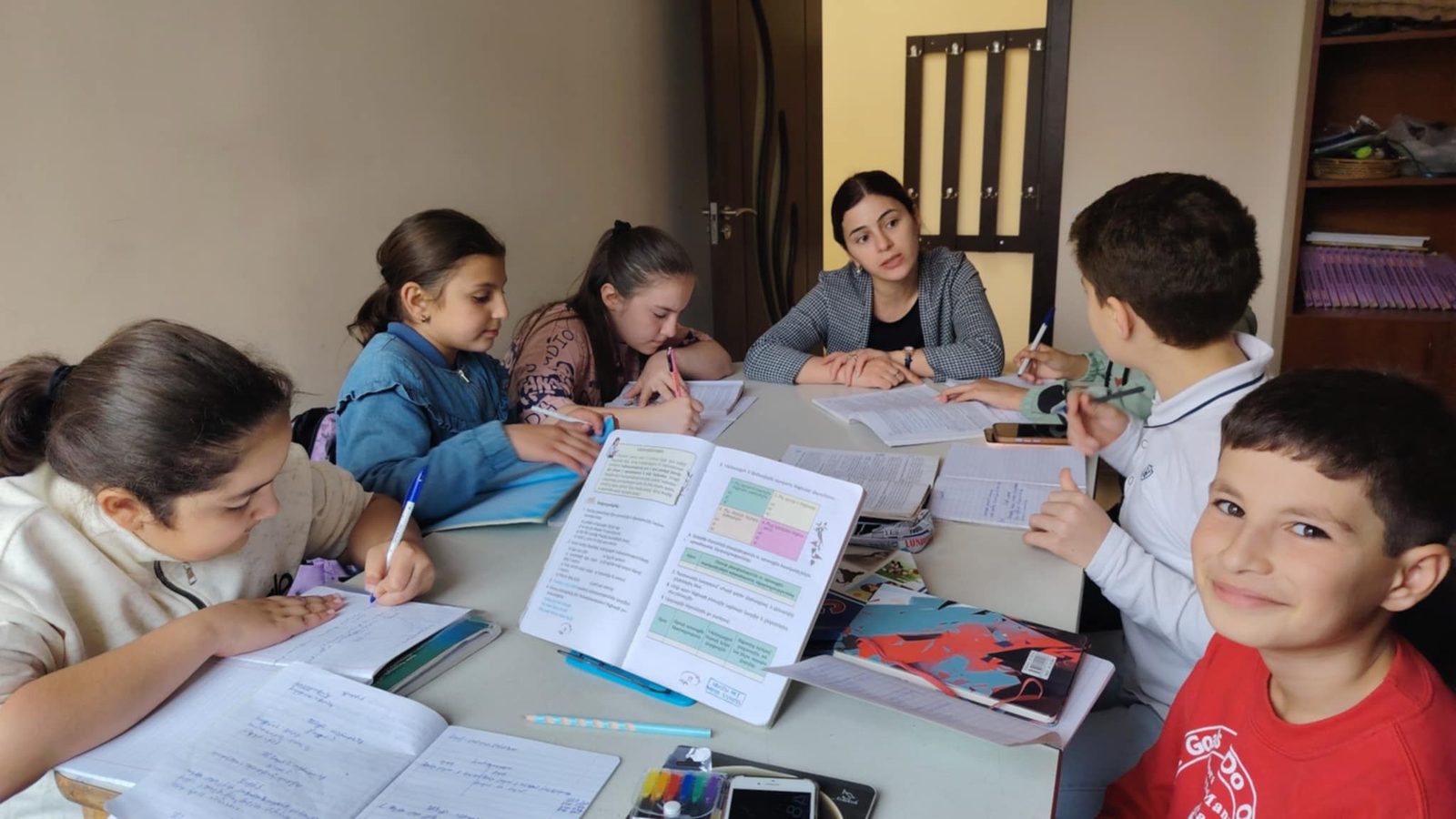
We equip these children with the arsenals they need to thrive in the classroom and beyond. Our intervention includes the distribution of high-quality school writing supplies, bags, educational games, art materials, and children's Bibles. We ensure that every child we reach has the dignity of walking into school fully prepared, alongside resources that foster moral and creative development.
Result & Sustainable Impact
Educational Equity: Levels the playing field, allowing children from impoverished backgrounds to engage fully with their curriculum.
Psychological Empowerment: Eliminates the shame of resource deprivation, fostering confidence and a love for learning.
Cognitive & Moral Growth: Art materials and Bibles provide holistic development, nurturing both creativity and foundational values.
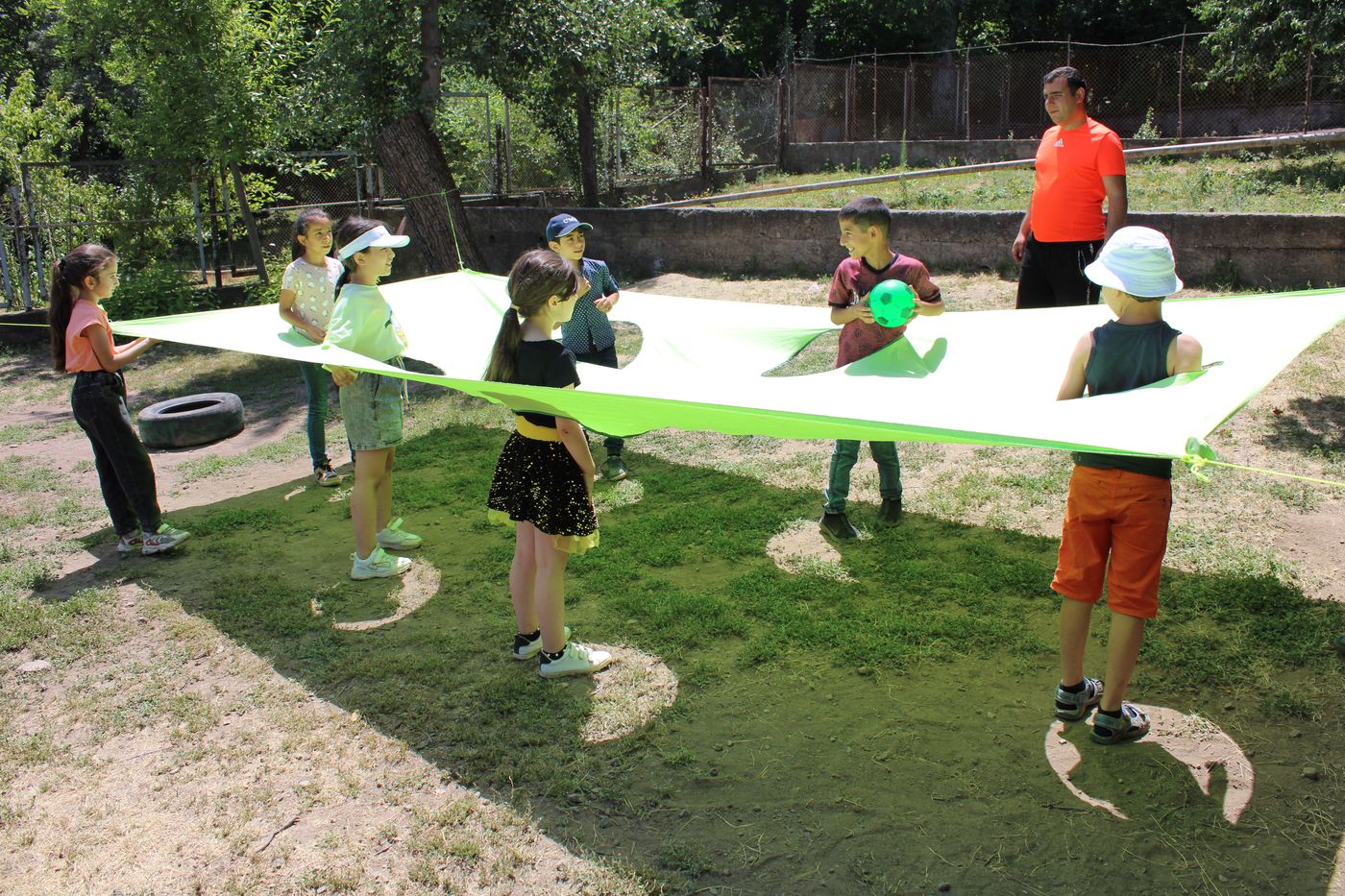
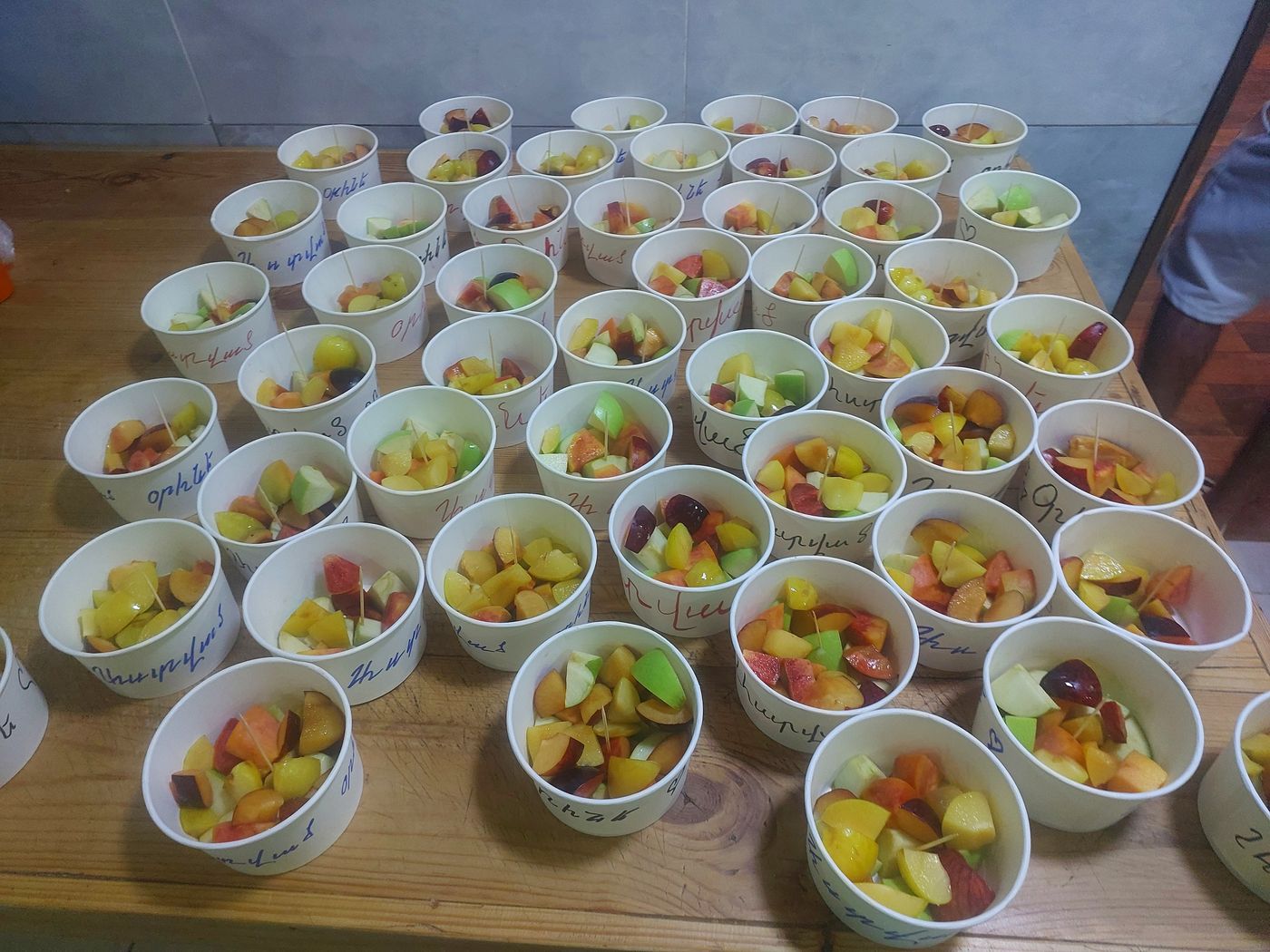
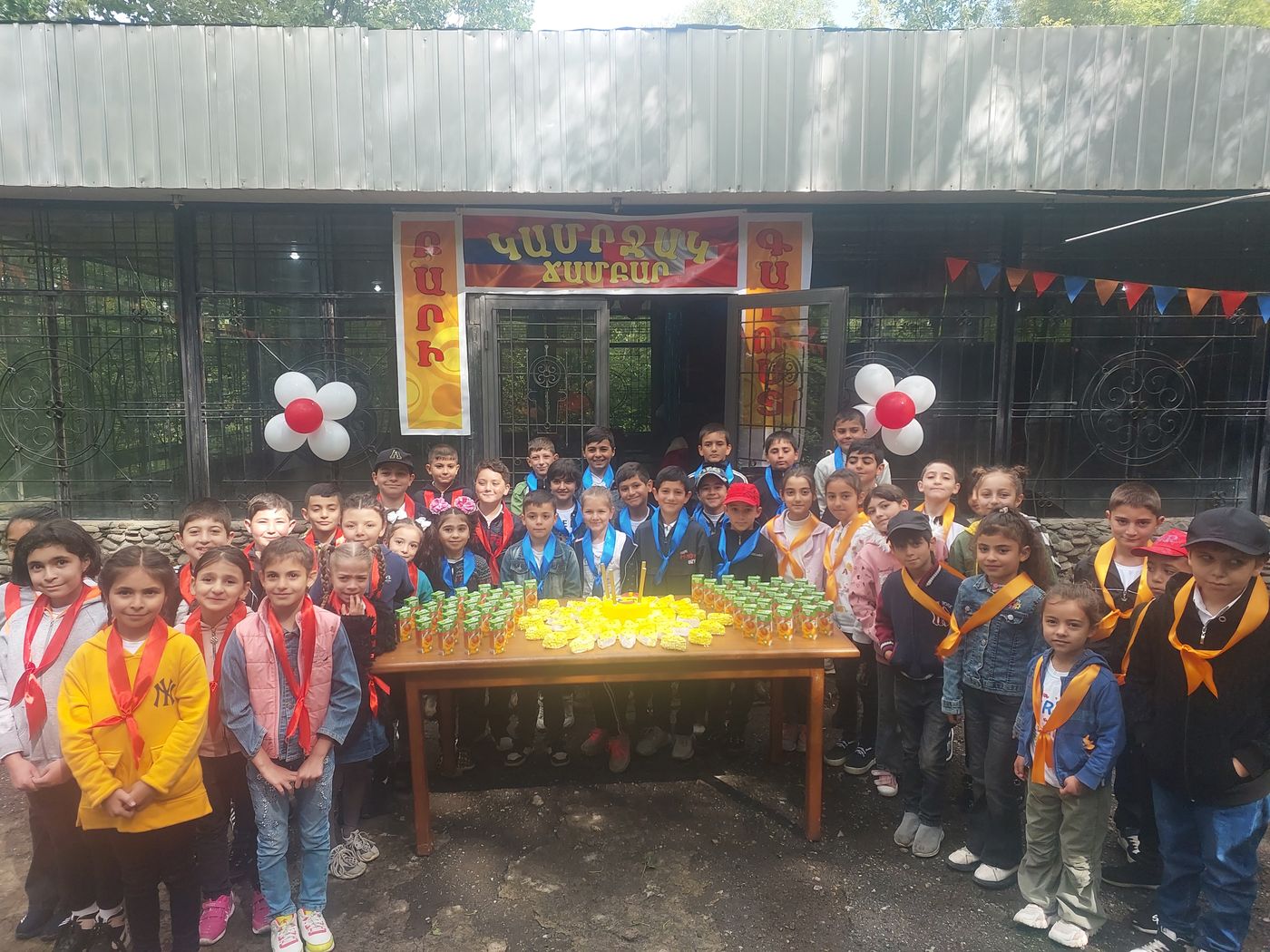
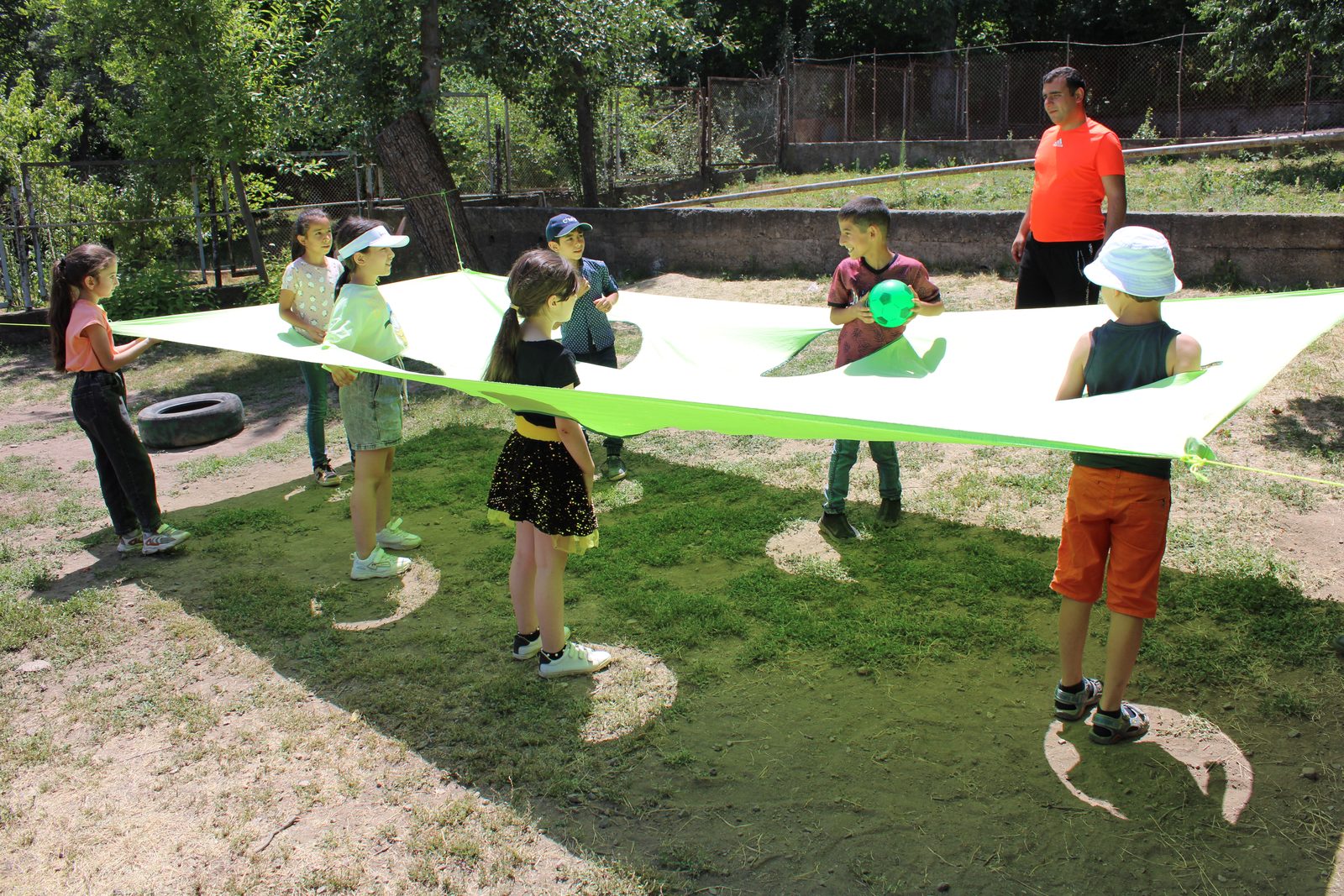
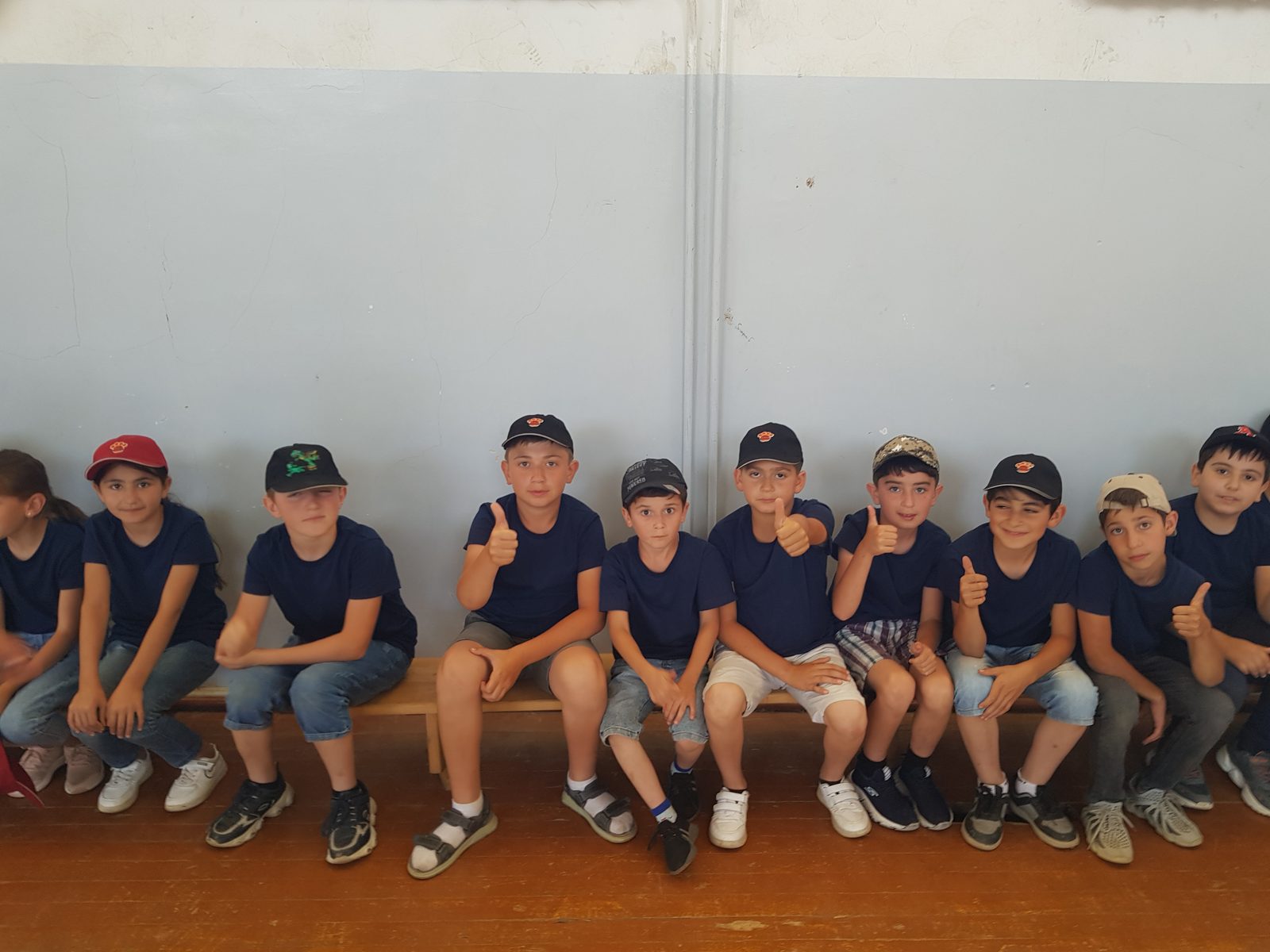
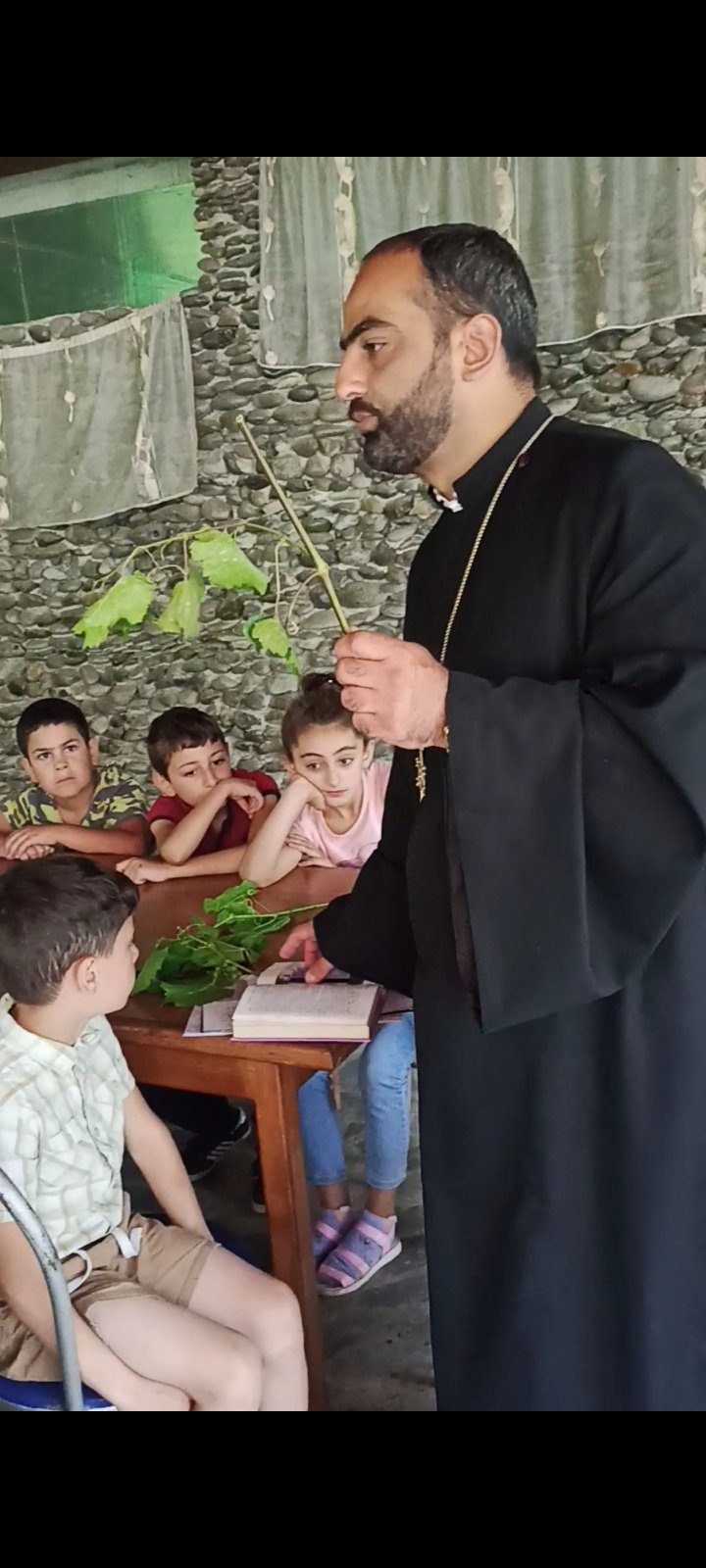
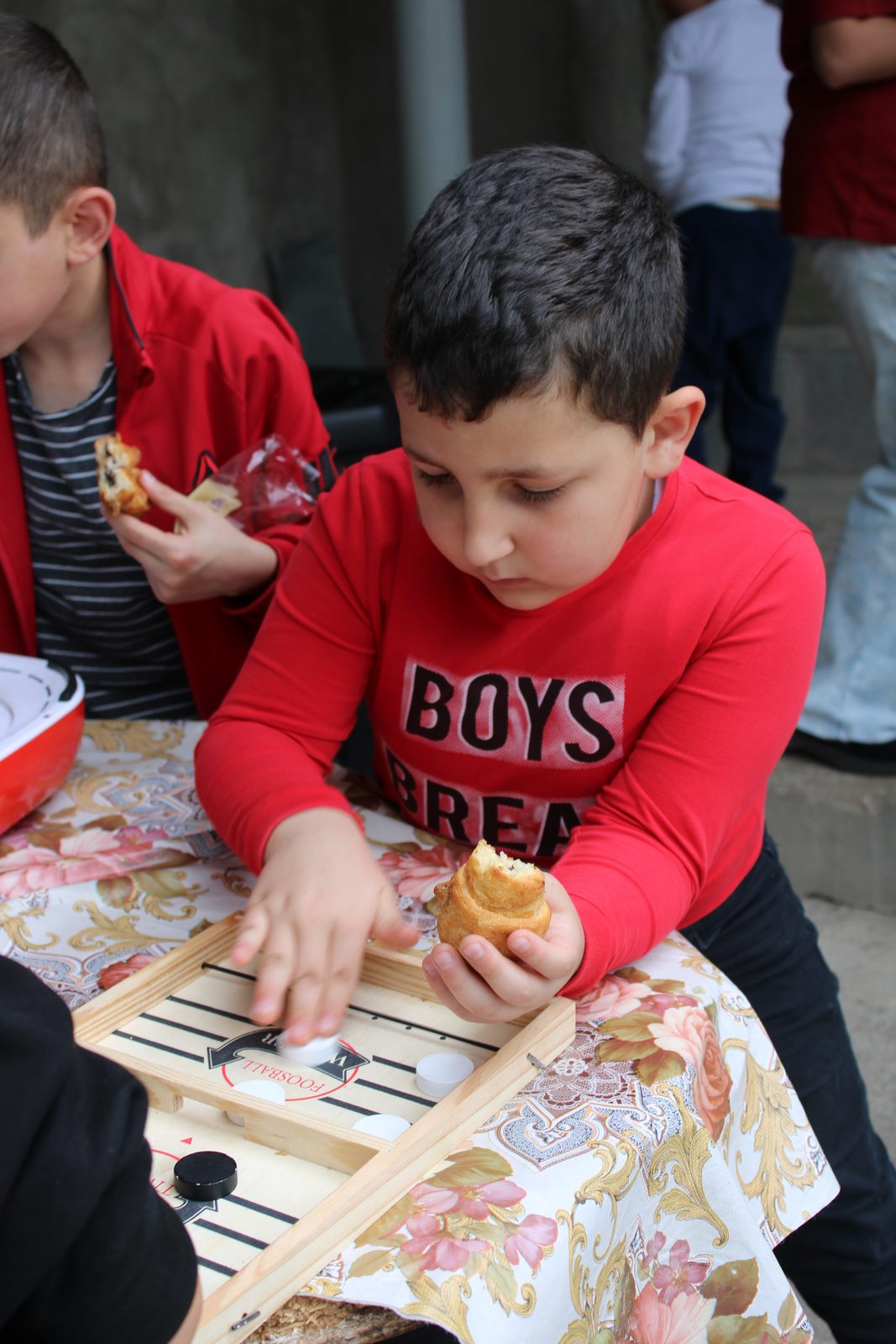
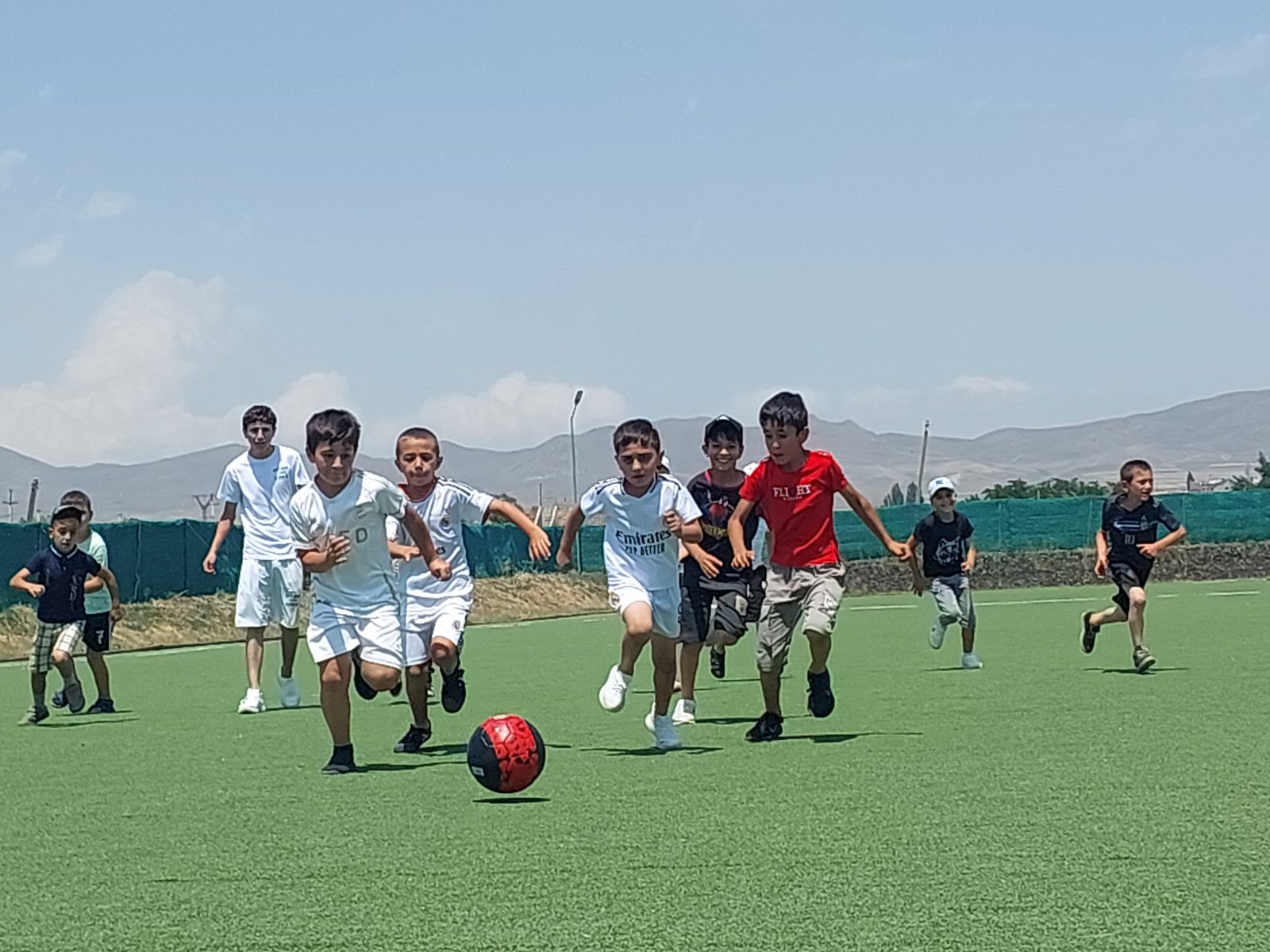
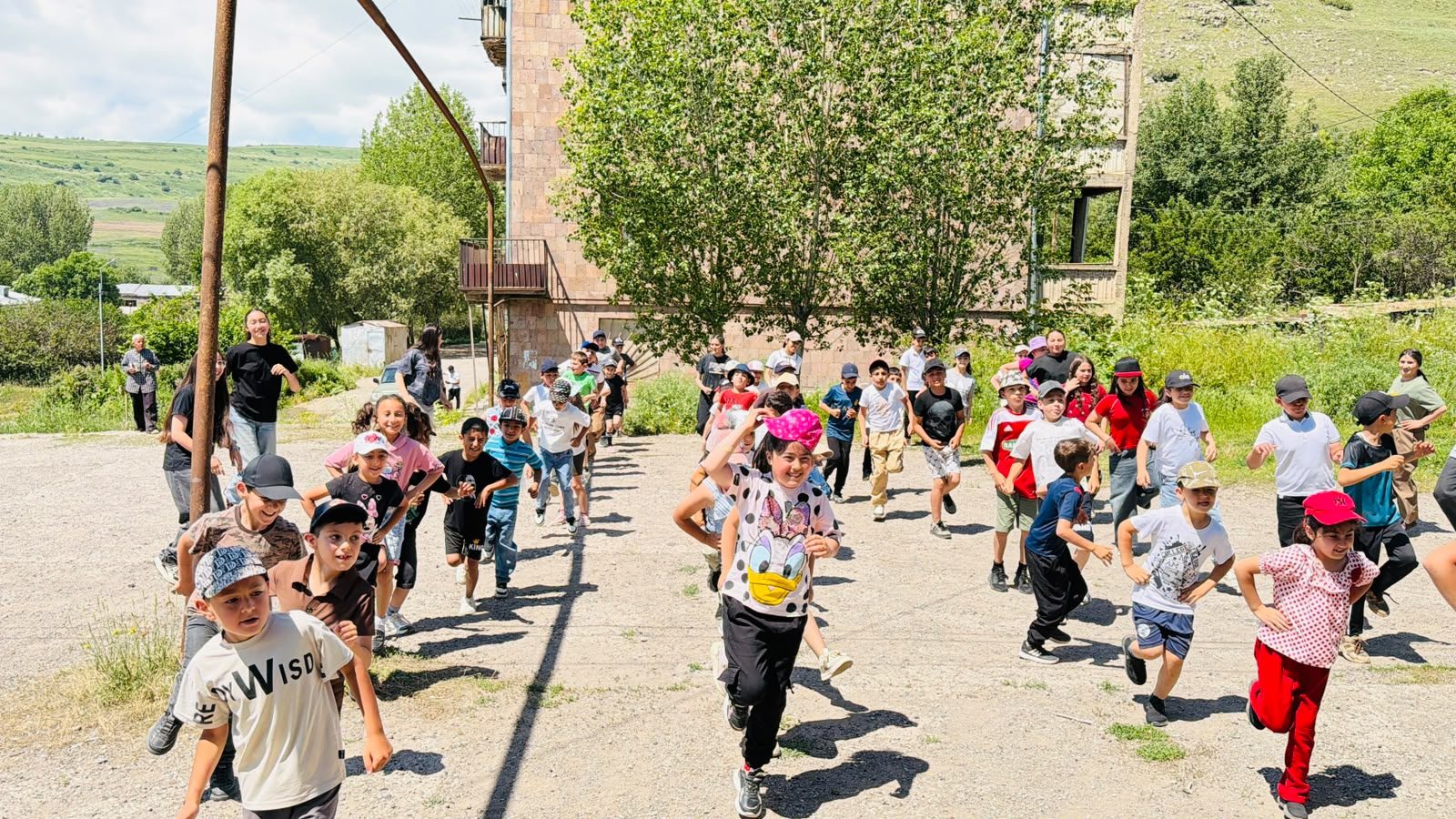
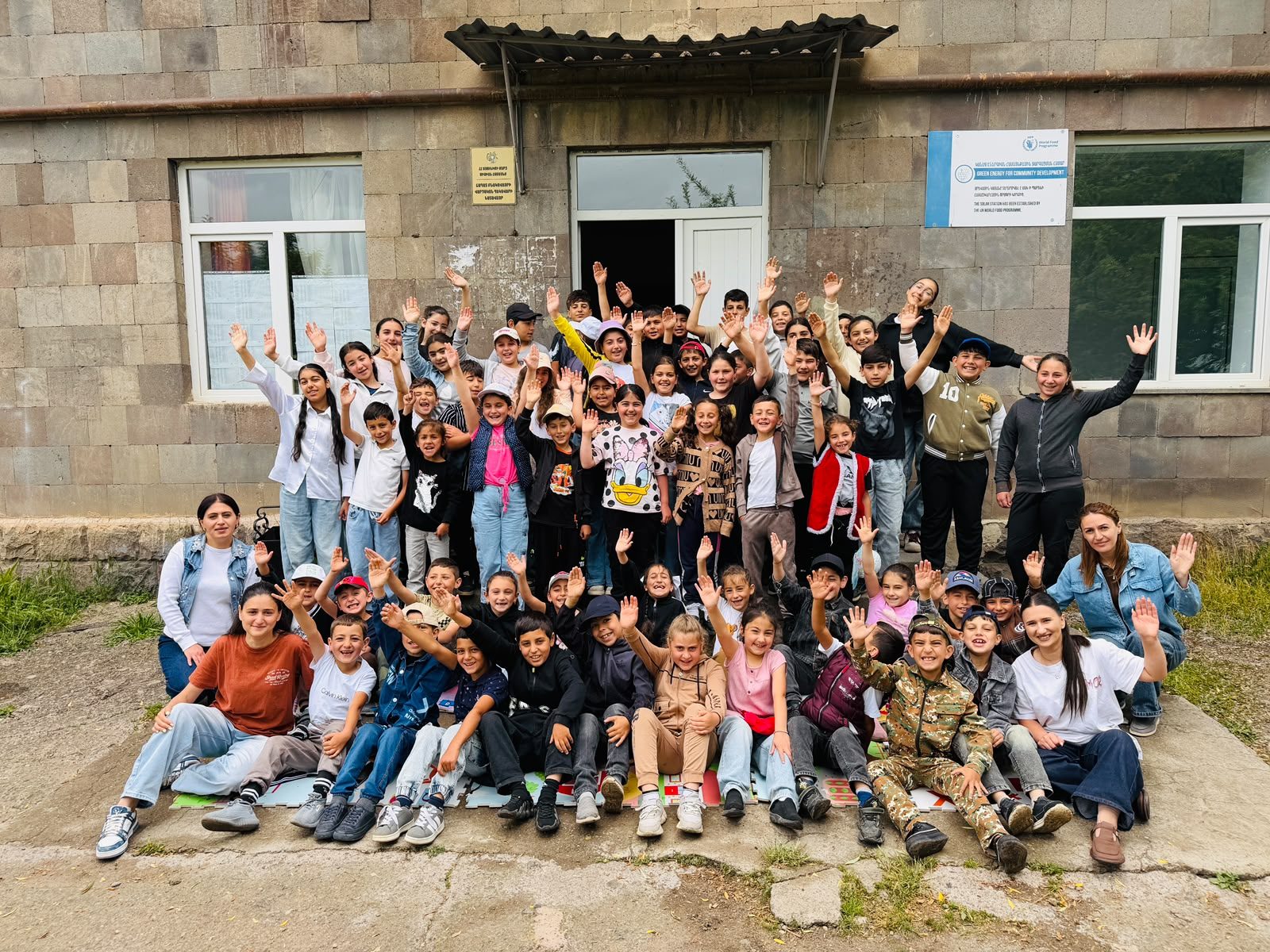
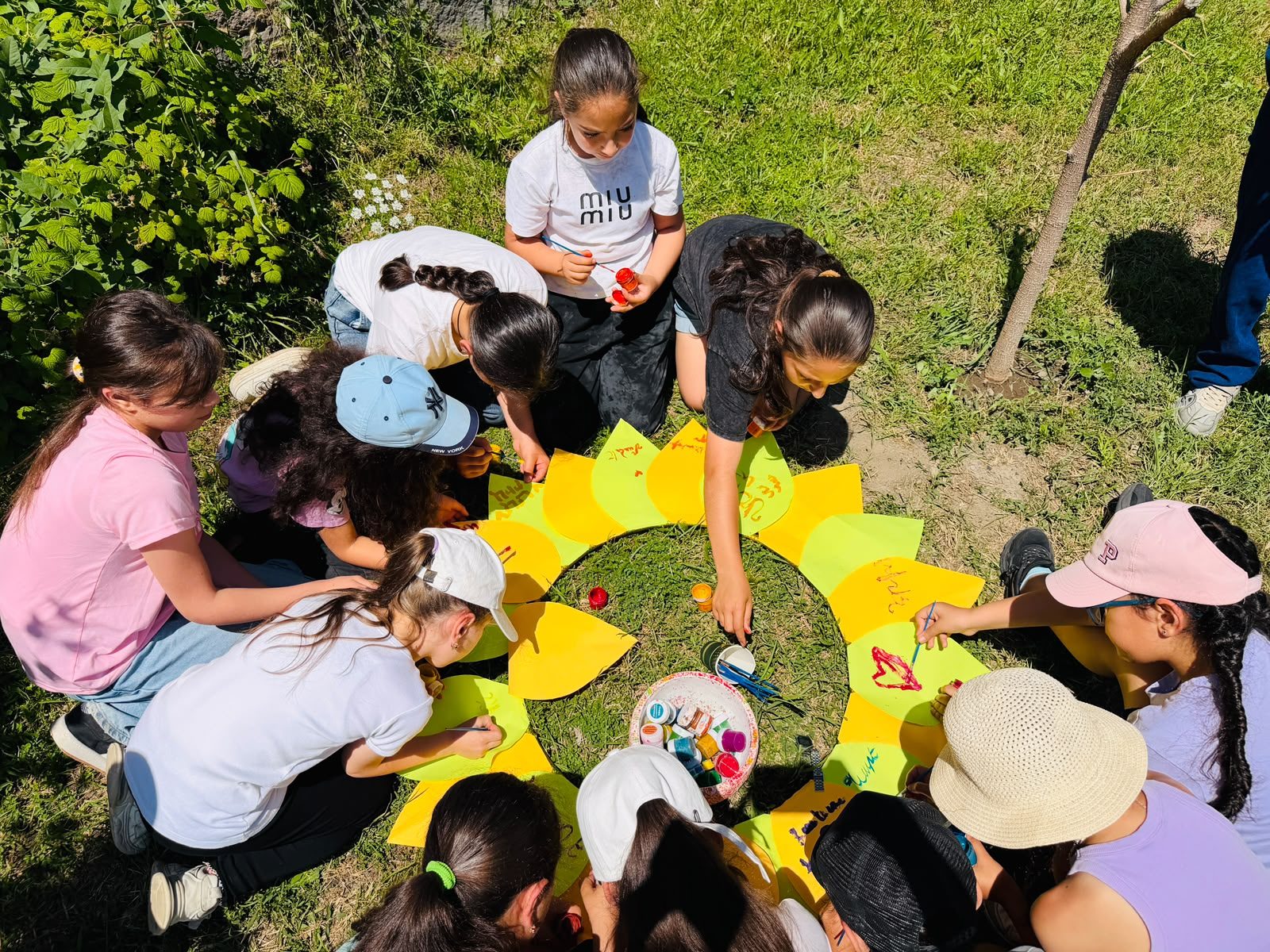
During the summer months, children from vulnerable families often face prolonged periods of inactivity, isolation, and a lack of supervision while their parents struggle to earn a living. In regions like Artashat, Gyumri, Ijevan, Shaghat, and Sisian, there is a profound need for safe, structured environments where youth can experience the simple, restorative joys of childhood.
Action & Intervention
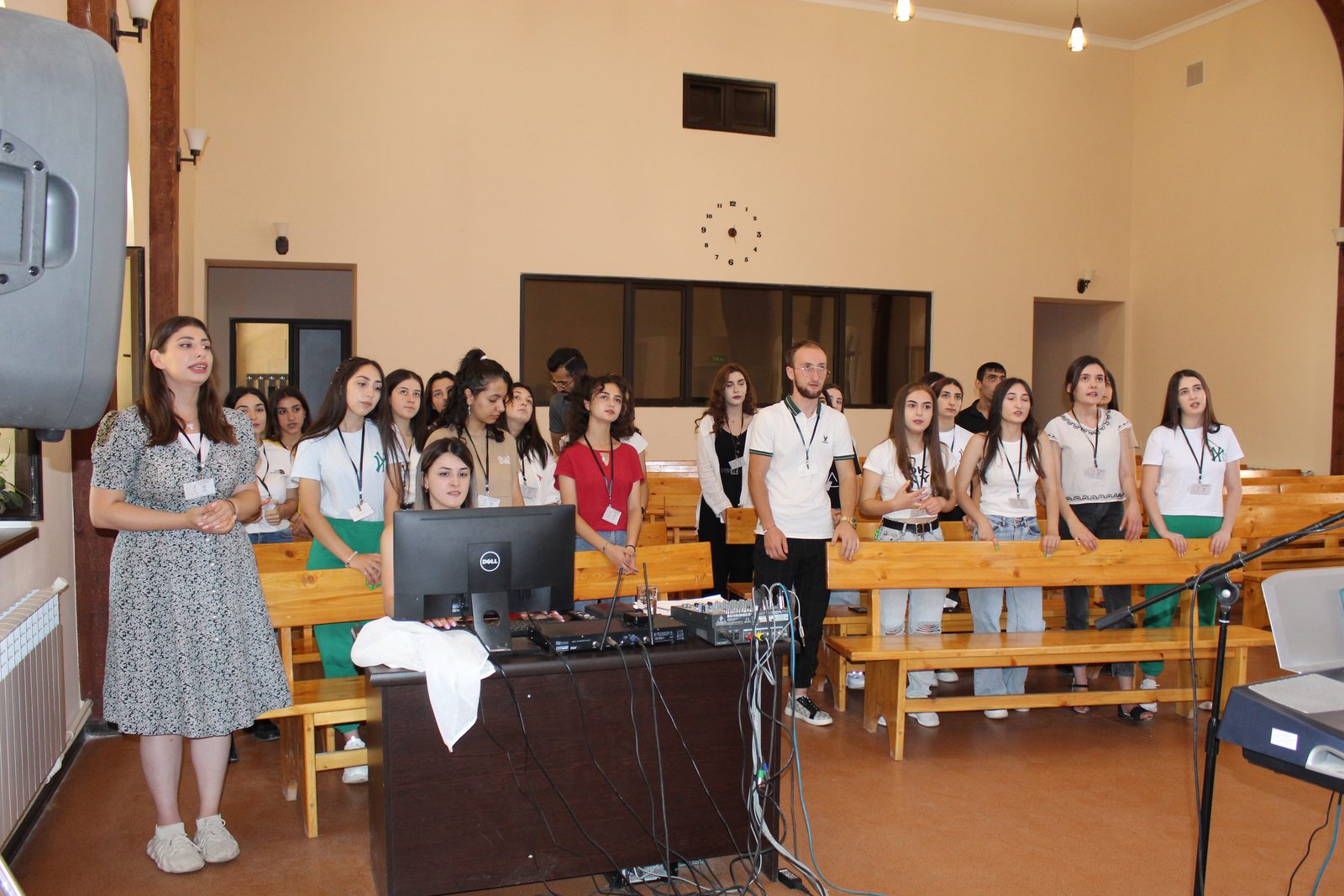
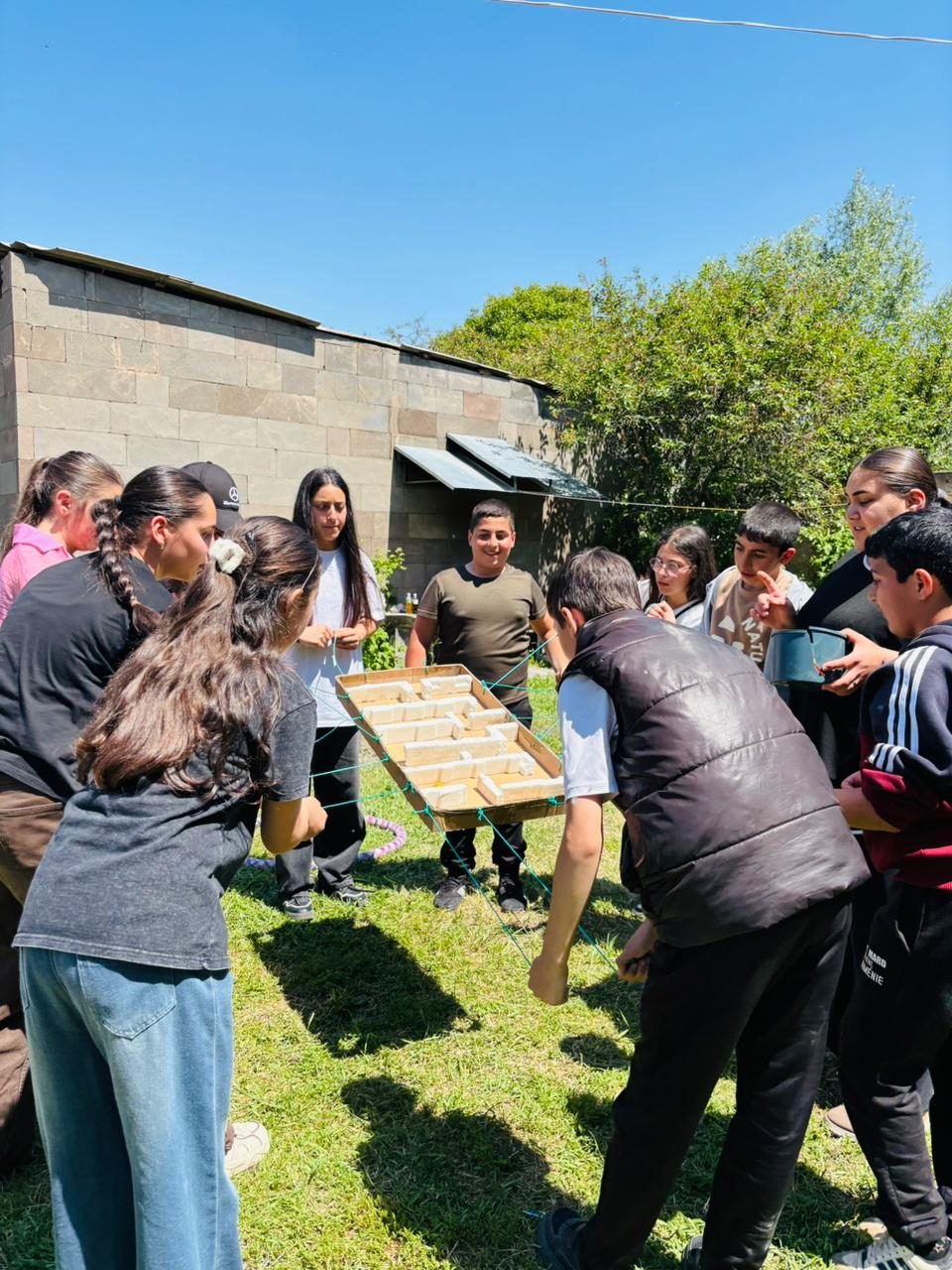
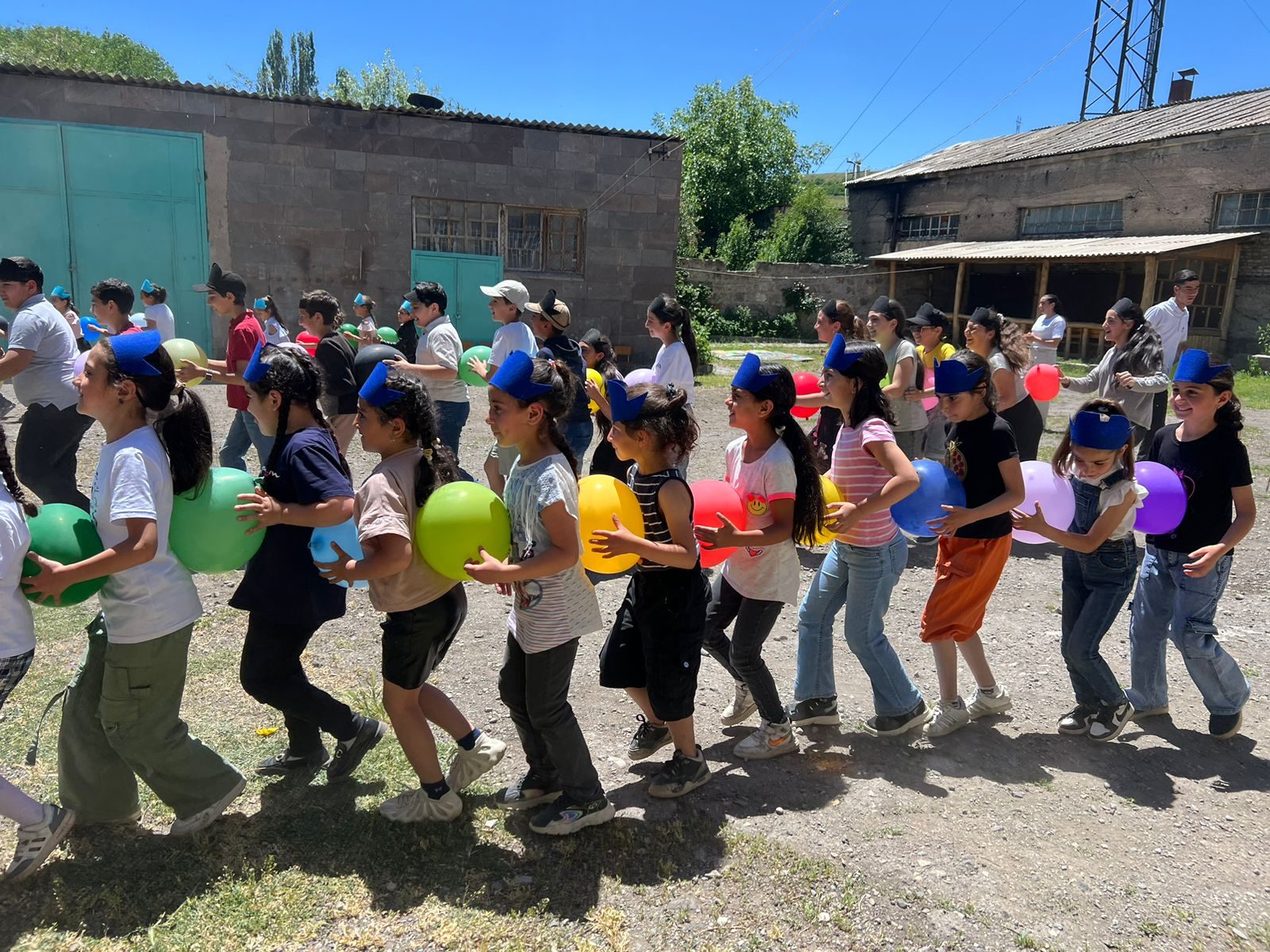
We organize and run comprehensive summer programming, including day camps, Bible vacation camps, and children's activity days across multiple cities and villages. These camps are vibrant hubs of activity, providing games, nutritious food, creative crafts, and a strong sense of community. We create a joyful, secure sanctuary for children to simply be children.
Result & Sustainable Impact
Safe Havens: Keeps children off the streets and in secure, supervised environments during vulnerable summer months.
Socio-Emotional Learning: Teaches teamwork, conflict resolution, and community building through structured play and shared meals.
Mental Well-being: Provides a necessary psychological respite from the chronic stress of poverty, building childhood resilience.
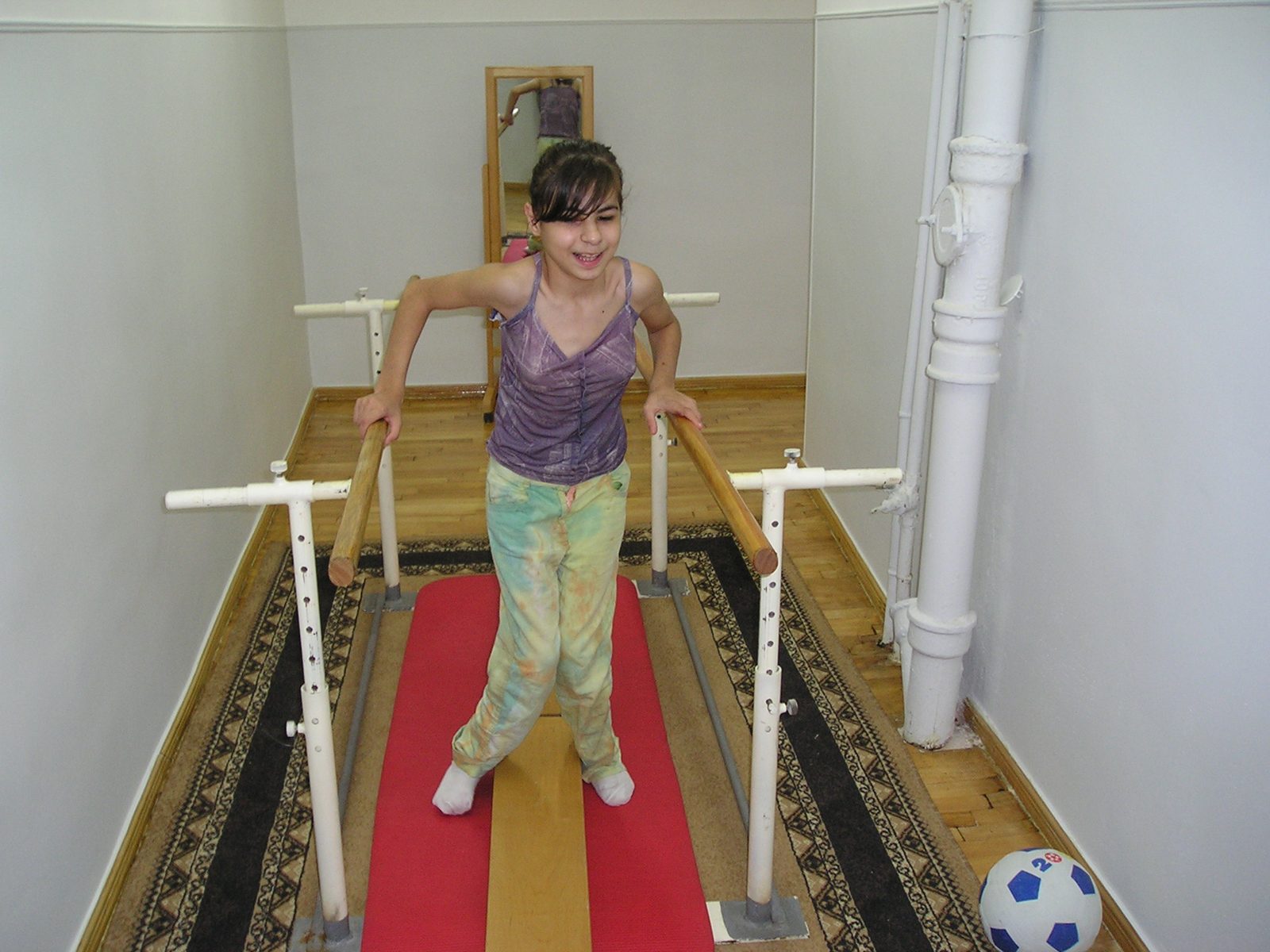
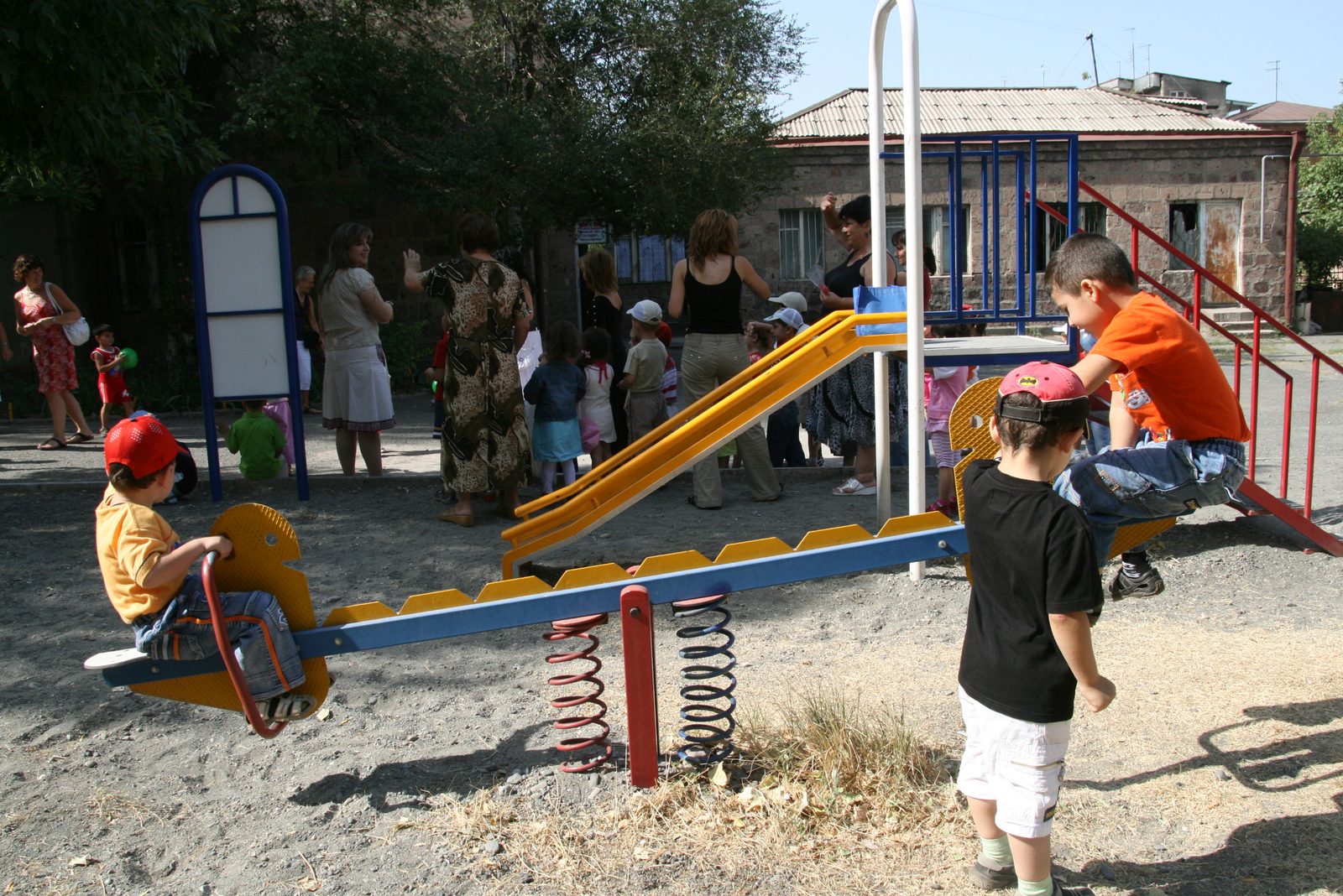
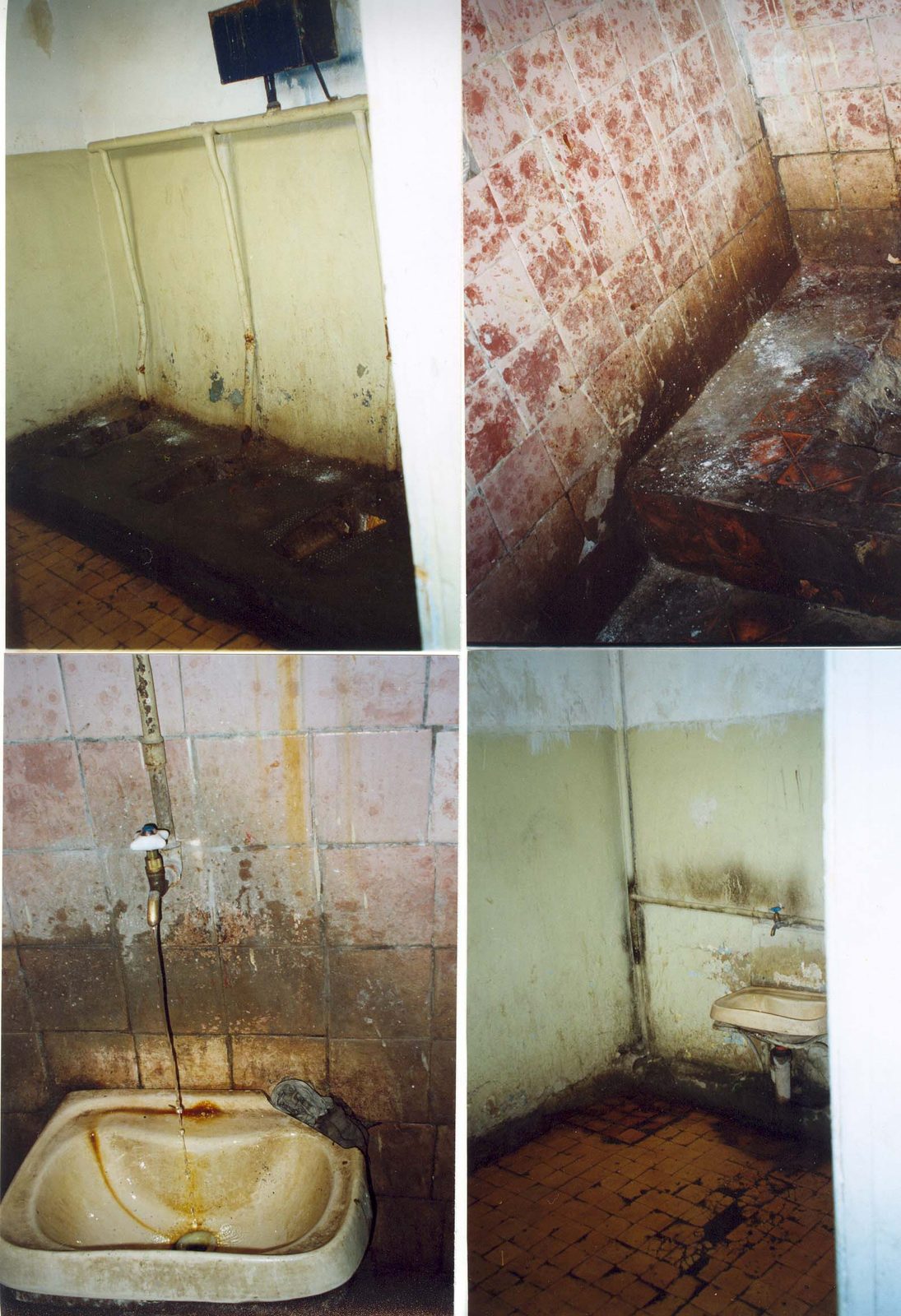
Many of Armenia's most vulnerable children, including orphans, those with physical disabilities, and displaced youth, lack the built environments necessary for their rehabilitation and growth. Outdated or non-existent infrastructure leaves these demographics without access to safe recreation, proper clinical care, or secure housing during critical developmental years.
Action & Intervention
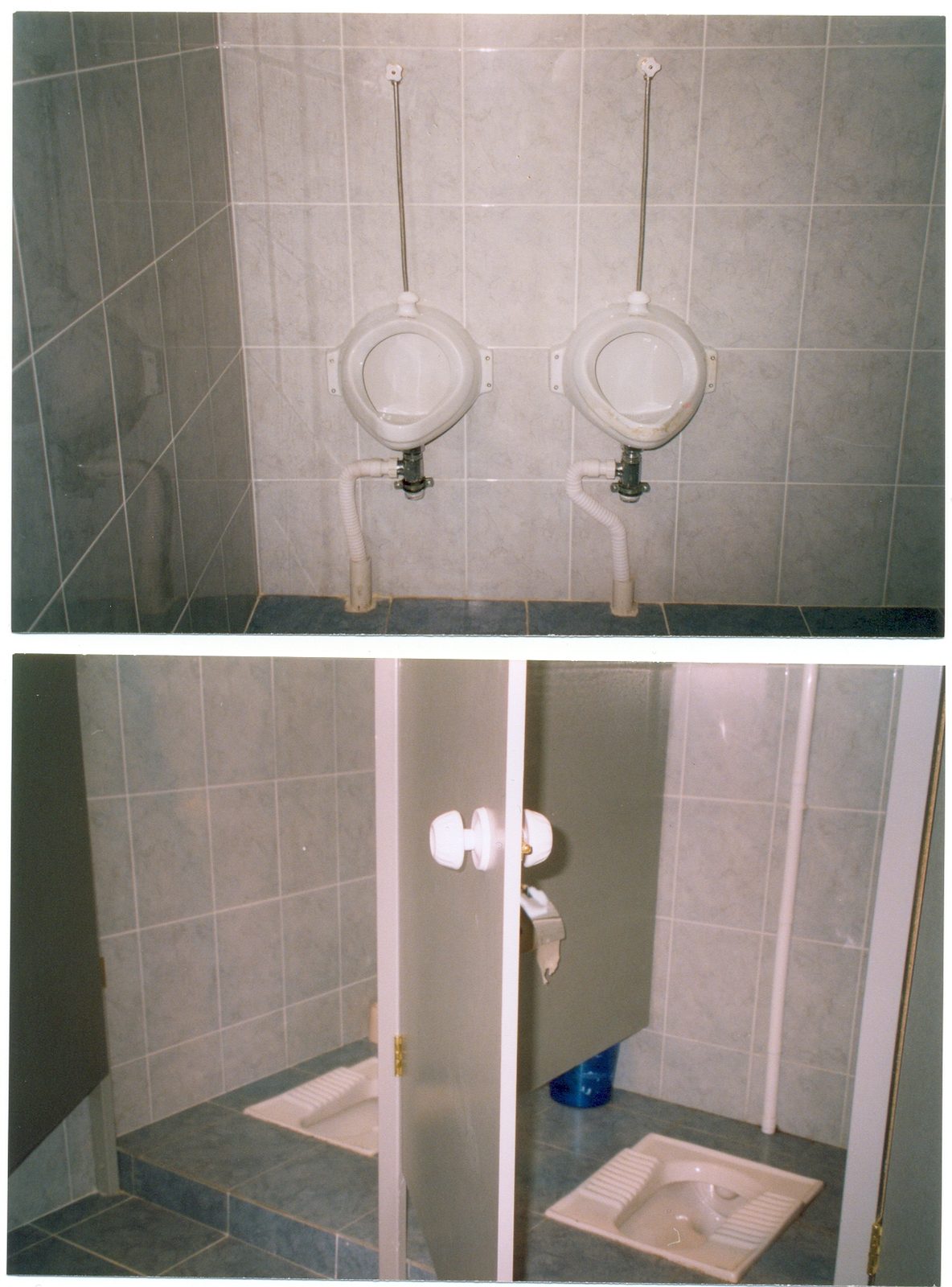
We design and construct safe, inclusive, and rehabilitative environments specifically for youth. This includes building community-integrated playgrounds, supporting kindergartens and orphanages, and establishing secure hostel accommodations for vulnerable youth. Additionally, we construct specialized pediatric physiotherapy centers tailored for children with disabilities.
Result & Sustainable Impact
Rehabilitative Health: Specialized physiotherapy infrastructure provides life-altering physical development and mobility support.
Inclusive Communities: Barrier-free playgrounds and hubs ensure children of all physical abilities can engage, play, and learn together.
Youth Security: Hostels and upgraded care facilities guarantee a secure, dignified environment for displaced or unhoused youth.
📷 Field Gallery
Pillar IV
🏘️ Refugee Integration & Transitional Support
Bridging the gap between the immediate trauma of displacement and the establishment of permanent, self-reliant roots.
🏚️Refugee Support73M AMD · scaled rapidly after the 2023 Nagorno-Karabakh crisis▼
Situation Analysis & Needs Assessment
The Nagorno-Karabakh crisis resulted in a massive influx of displaced families entering Armenia, stripped of their homes, livelihoods, and assets. These refugees arrived facing total systemic shock, requiring immediate, multi-faceted emergency assistance to survive the transition and begin the daunting process of starting over from zero.
Action & Intervention
We deploy comprehensive emergency assistance tailored specifically to the complex needs of displaced populations. This includes rapid deployment of clothing, domestic household goods, and resettlement resources to absorb the initial trauma. We focus heavily on creating a secure safety net for families who have lost everything.
Result & Sustainable Impact
Crisis Mitigation: Absorbs the immediate trauma of displacement by meeting urgent survival needs.
Household Stabilization: Re-establishes the fundamental comforts of daily life, preventing further psychological deterioration.
Logistical Relief: Buys critical time for government and international systems to process and support displaced families.
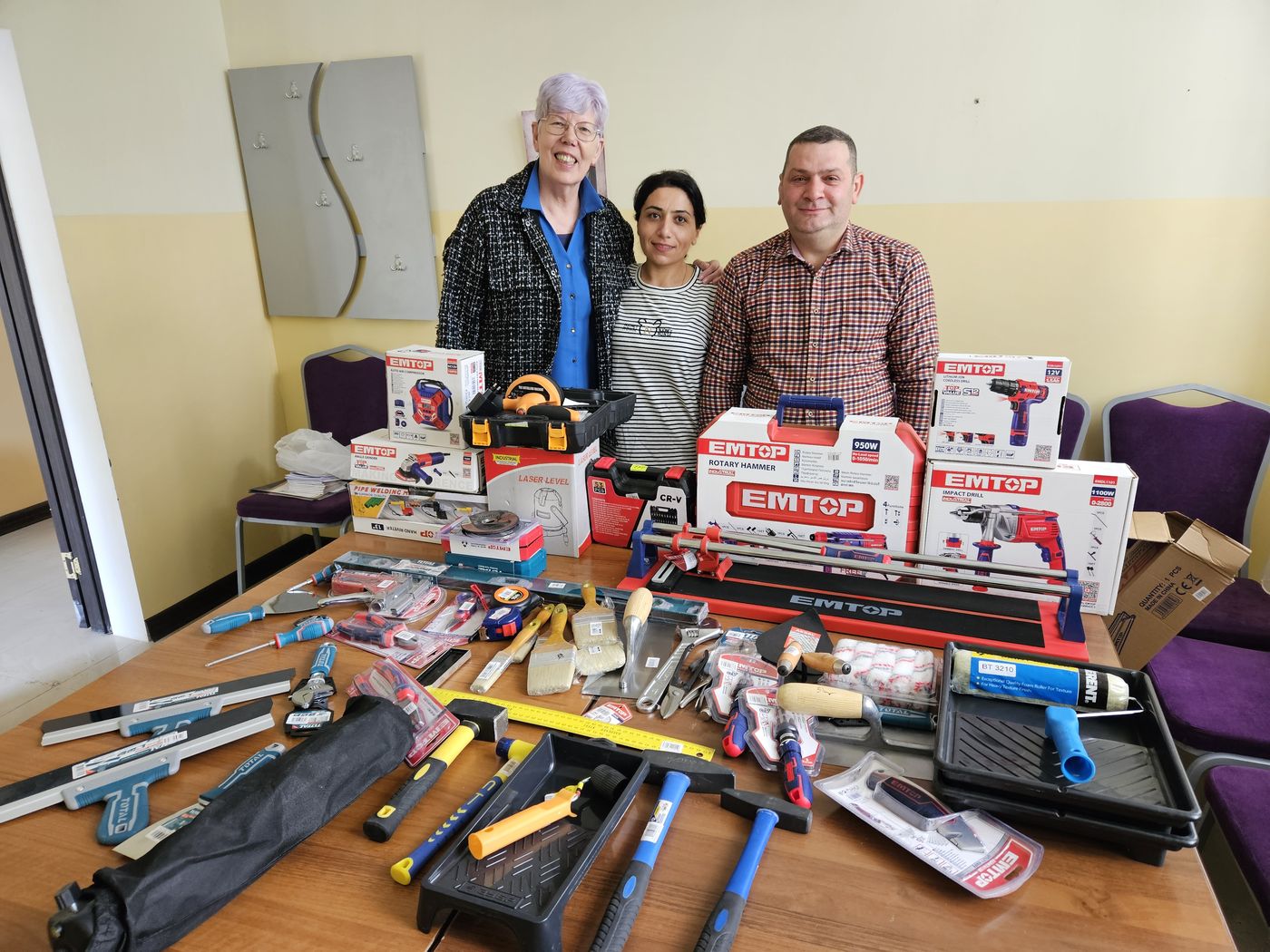
Once the initial shock of displacement subsides, refugee families face a dangerous secondary crisis: the transition from passive aid reception to active self-reliance. Without the specific tools of their trades, which were abandoned during displacement, highly skilled individuals are rendered economically paralyzed in their new communities.
Action & Intervention
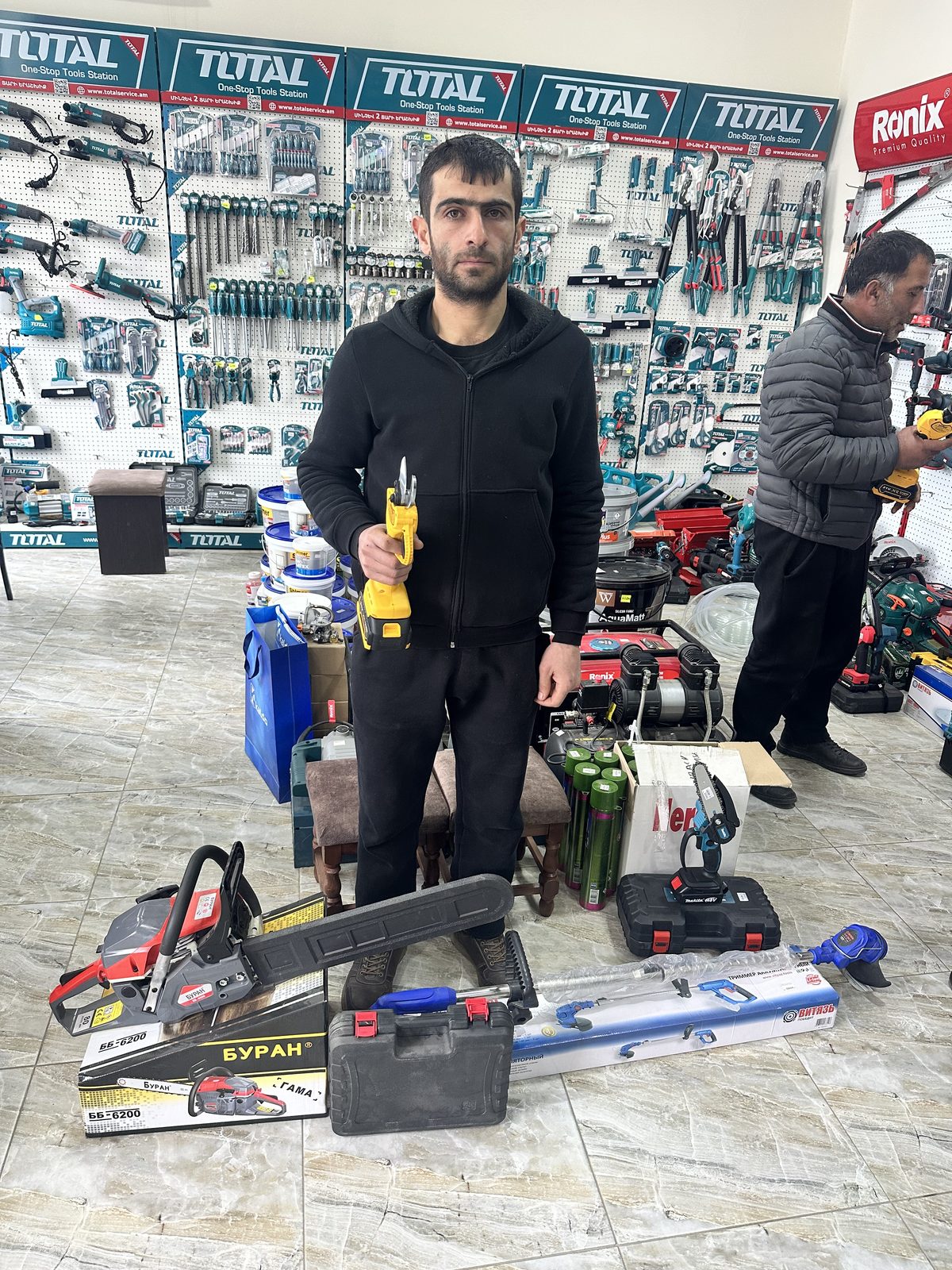
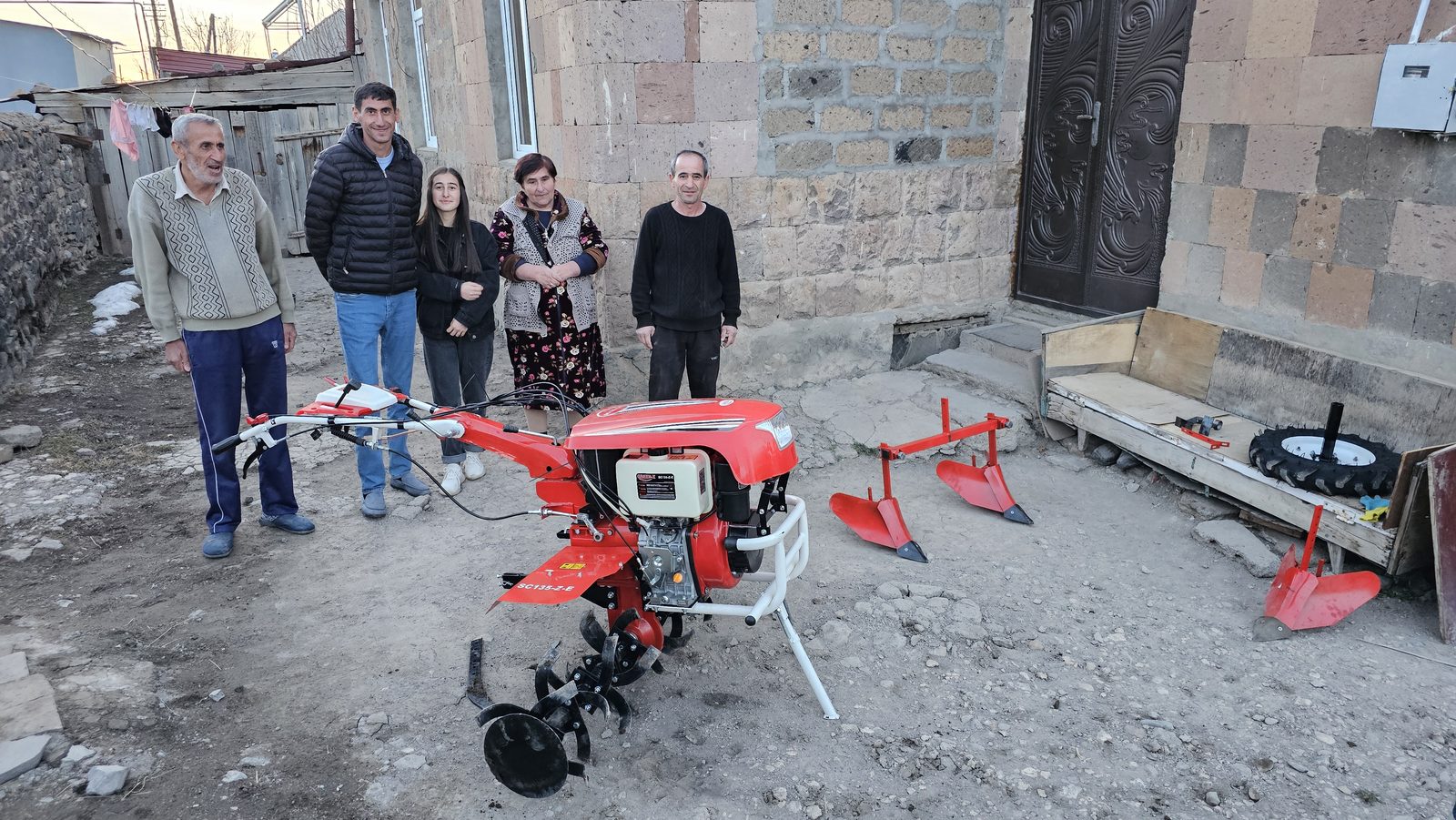
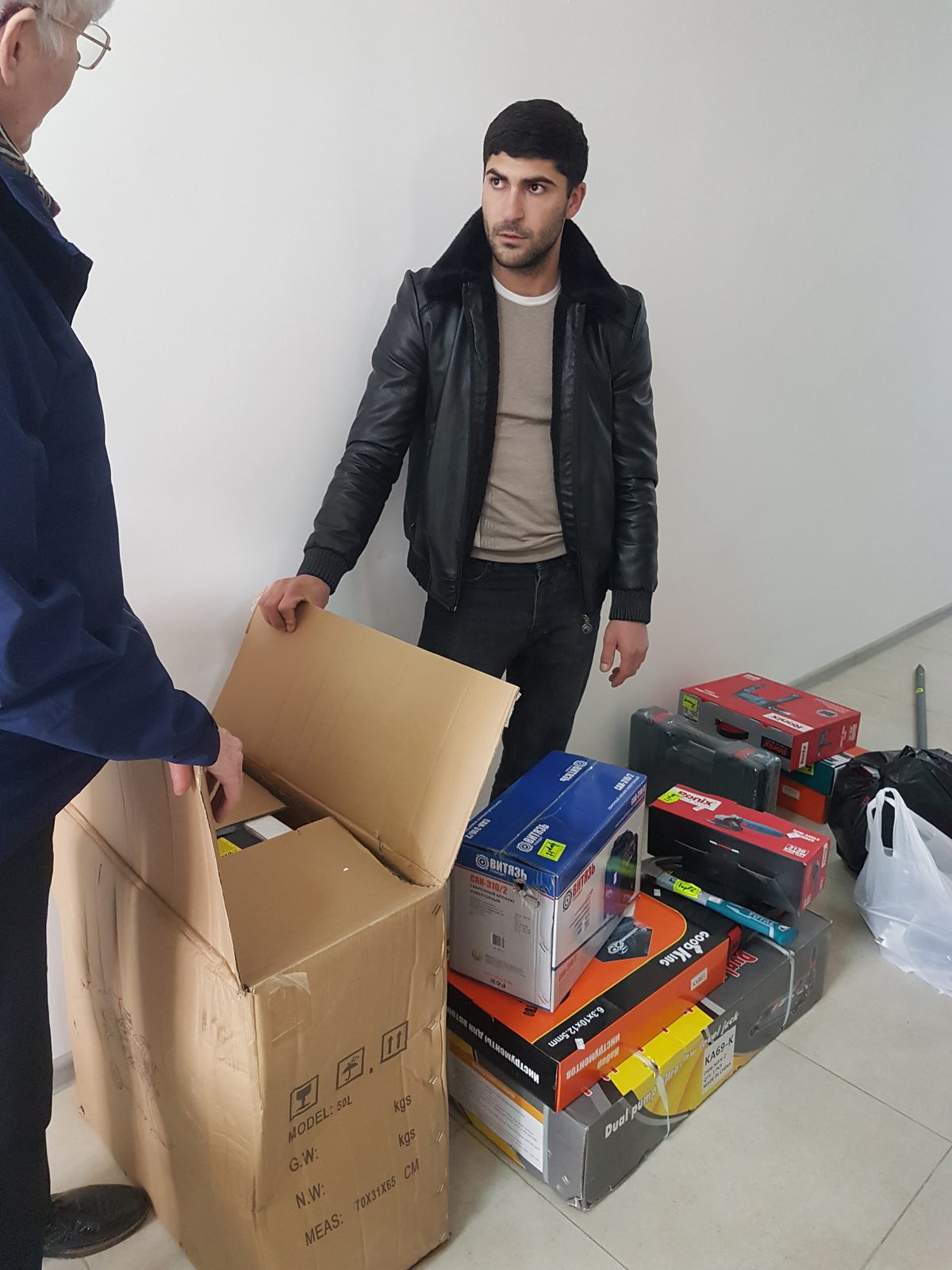
We actively manage the critical transition from service provision to sustainable independence. Little Bridge delivers “Transitional Livelihood Kits,” providing the foundational work gear, professional tools, and specialized equipment required to bridge the gap between emergency survival and active employment.
Result & Sustainable Impact
Economic Reintegration: Empowers refugees to rapidly re-enter the workforce using their existing skills.
Restoration of Dignity: Shifts the paradigm from passive victimhood to active community contribution.
Long-Term Resettlement: Lays the structural groundwork for families to build permanent, secure, and self-reliant lives within Armenia's borders.
📷 Field Gallery
Pillar V
🌍 Climate and Crisis Resilient
Strengthening the environmental and structural resilience of communities to navigate the increasing frequency of climate-driven volatility and socioeconomic disasters.
Armenia's topography and aging infrastructure, combined with the increasing frequency of extreme weather events, such as the recent flash floods in Alaverdi and landslide risks in mountainous zones, have exposed severe vulnerabilities in rural and semi-urban settlements. When essential infrastructure is not “climate-hardened,” natural events escalate into full-scale humanitarian crises, causing displacement, property destruction, and economic paralysis.
Action & Intervention
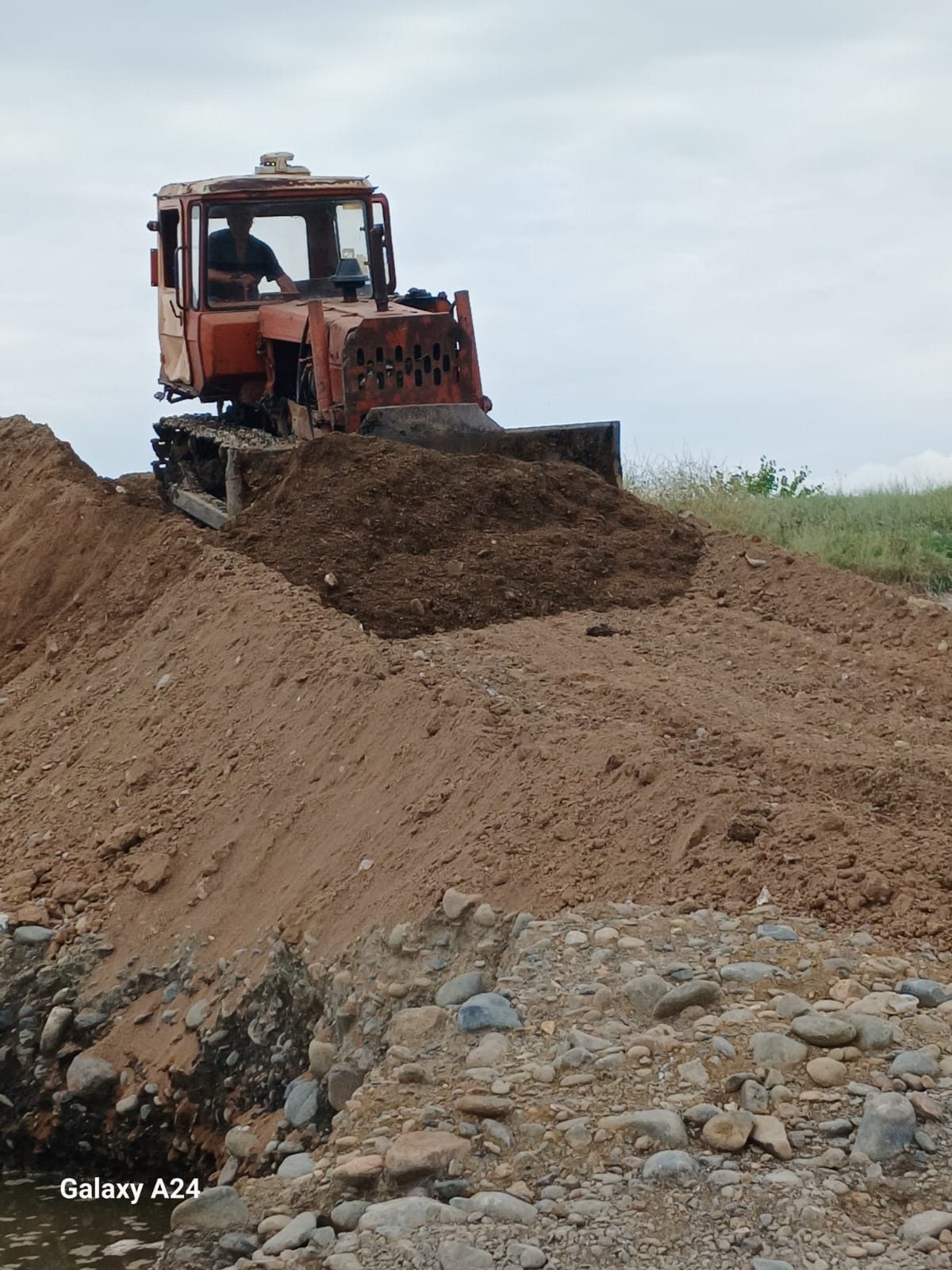
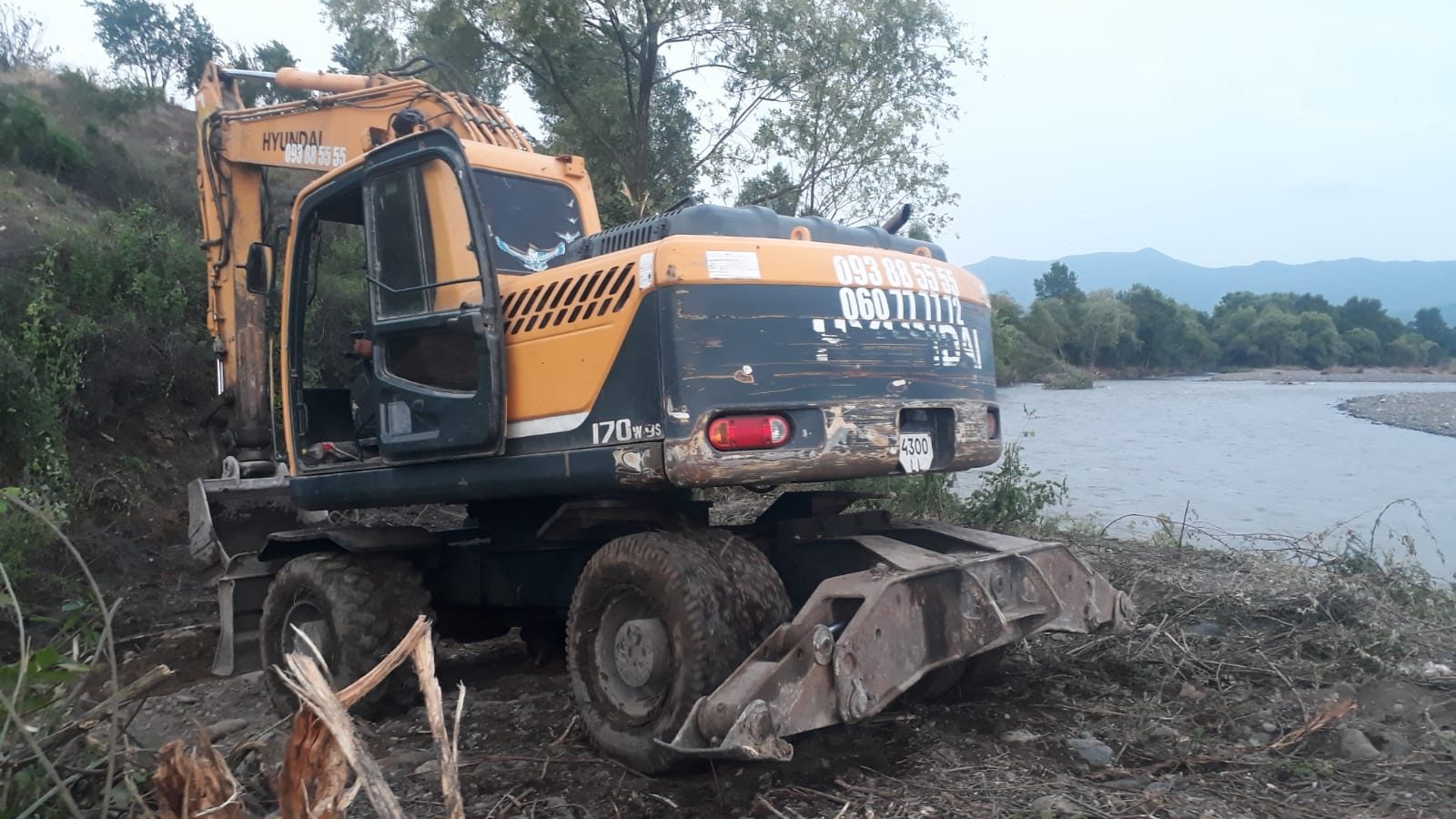
Little Bridge provided first aid kits to address the immediate situation during the flash floods in Alaverdi. We supplied construction and renovation materials to help families repair their homes after the sudden floods and landslides. We also supported the Noyemberyan community by building reinforcing landslide barriers (sandbags) in the Tavush and Lori regions.
Result & Sustainable Impact
Emergency Response: The distribution of first aid kits bridges the gap between the onset of the flash floods and the arrival of professional emergency services.
Rapid Rehabilitation: The construction and renovation materials facilitated the rapid rehabilitation of homes, preventing long-term displacement and helping families recover their primary shelter and livelihood stability following the floods and landslides.
Infrastructure Hardening: The installation of reinforced landslide barriers (sandbags) serves as a vital protective measure, directly reducing the velocity and impact of soil erosion and debris flow, hardening infrastructure against future extreme weather events and protecting communal property.
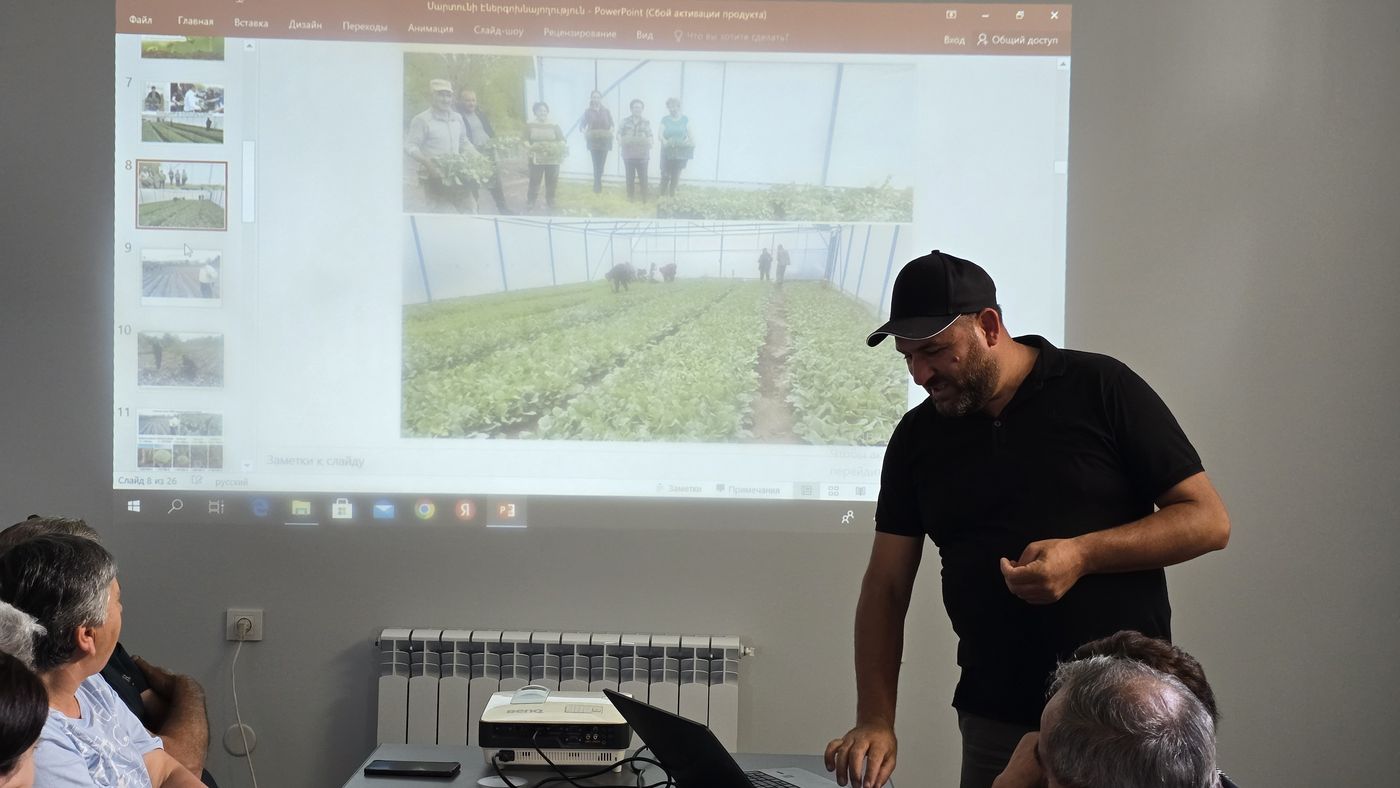
Traditional farming methods are increasingly insufficient in the face of erratic rainfall, prolonged heatwaves, and soil degradation. Smallholder farmers, who form the backbone of rural Armenia, often lack access to the knowledge or the low-cost technologies required to adapt their crops to changing climate conditions, leading to declining yields and financial instability.
Action & Intervention
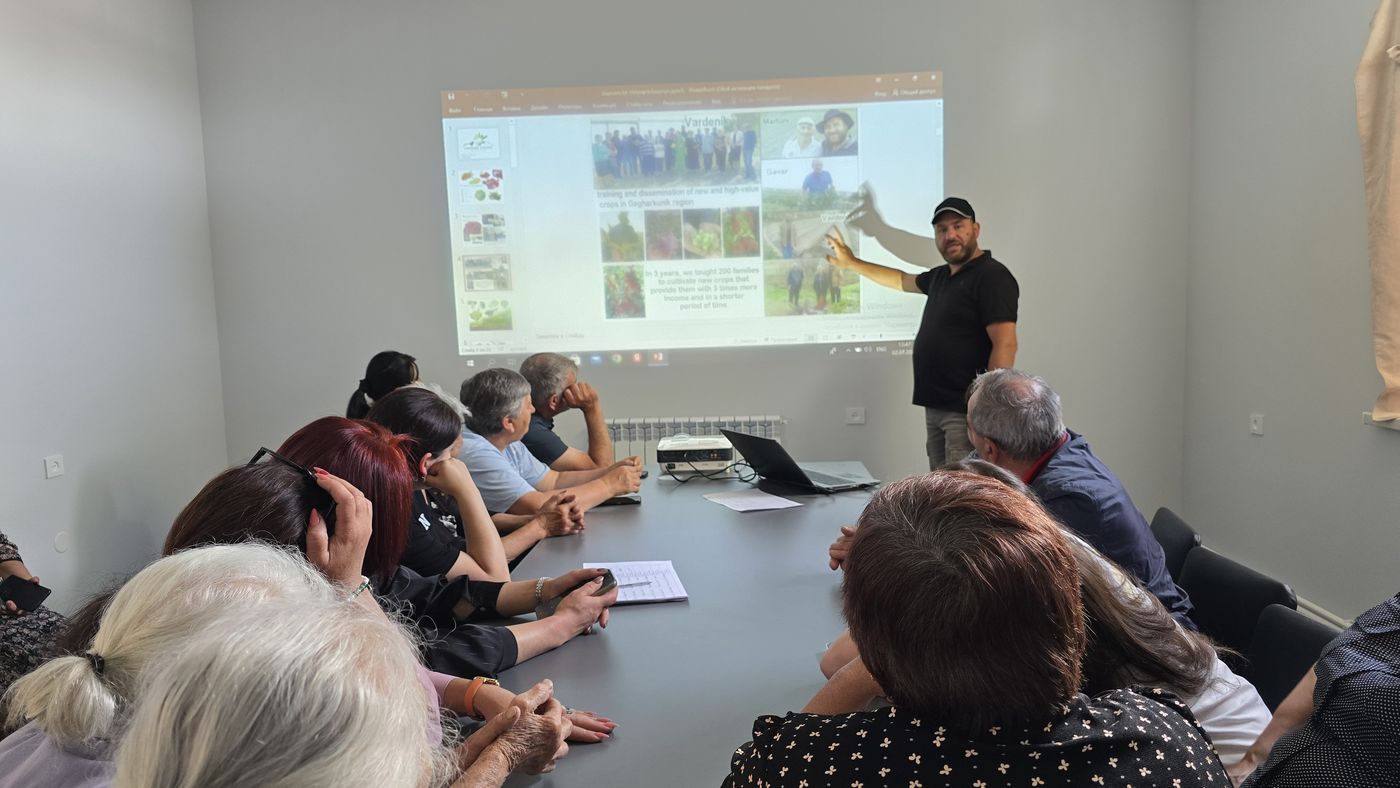
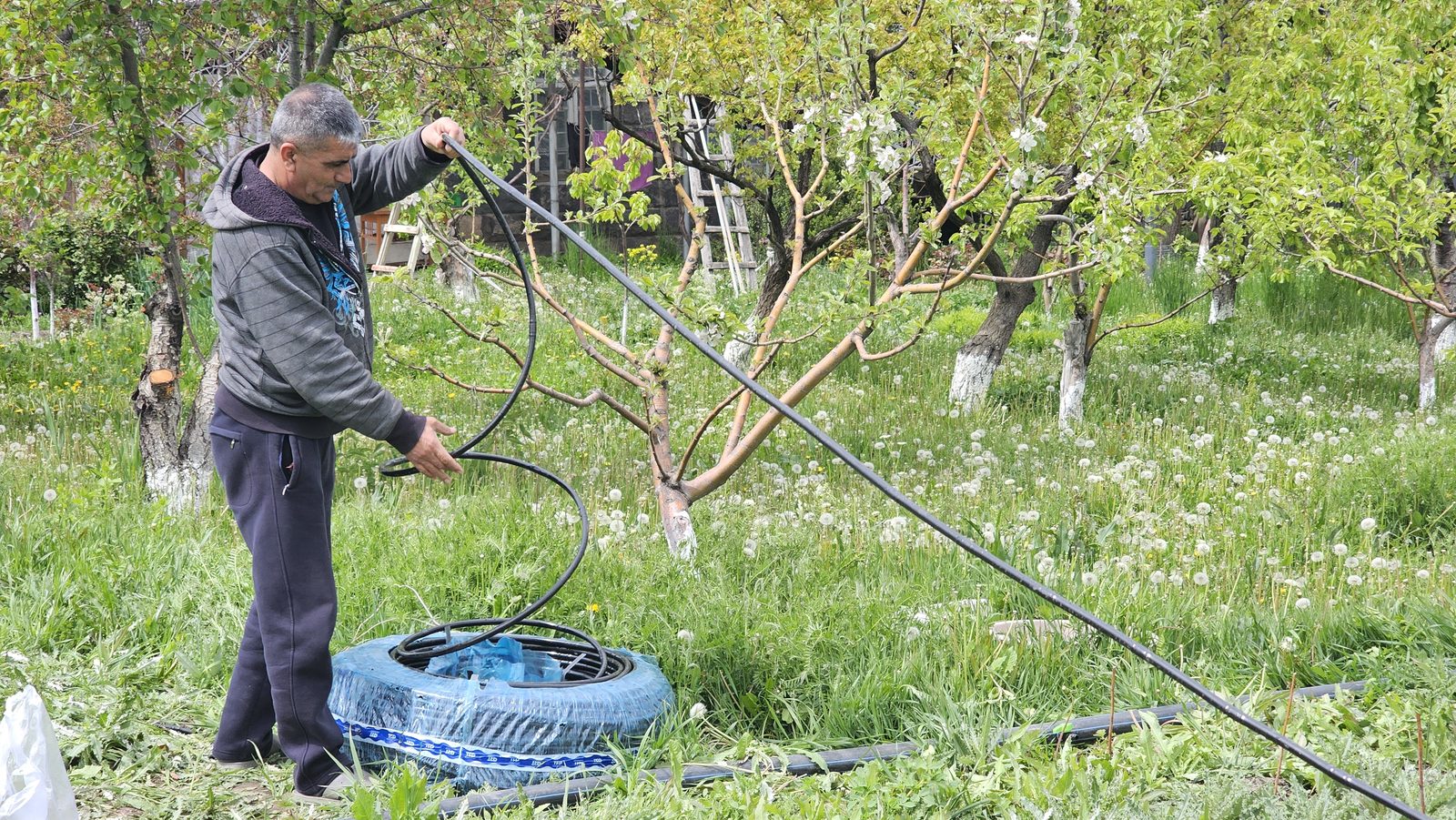
We introduce climate-smart agricultural practices that prioritize sustainability and resource efficiency. Our interventions include training farmers in soil regeneration, implementing water-conserving drip irrigation systems, and introducing drought-resistant crop varieties suited to the specific microclimates of their regions. We facilitate the transition from monoculture to diverse, regenerative systems that protect the land while ensuring a steady harvest despite climate variability.
Result & Sustainable Impact
Resource Efficiency: Dramatically lowers water usage through precision irrigation, a critical advancement for drought-prone regions.
Yield Stability: Protects farm output against climate volatility, stabilizing household income and food security.
Environmental Stewardship: Restores soil health and biodiversity, ensuring the land remains productive for future generations rather than being exhausted by intensive, non-adaptive farming.
📷 Field Gallery
All Programs · 2004–present
20 programs. One mission.
Every disbursement is recorded and categorised, so you always know exactly where support goes. From a single gas bill payment to a large irrigation infrastructure project, every contribution is tracked.
Little Bridge has operated since 2004. From 2021, every disbursement has been fully tracked and categorised. Here is what our database years look like, drawn directly from our project records.
Year by Year
Beneficiaries by year, 2021–2025
Each year brought different challenges: refugee crises, floods, economic hardship. Our response grew to meet them.
2021
17,576
Beneficiaries
Support reached Gegharkunik province (Vardenis community), Lori province (Spitak community), and Tavush province (Noyemberyan community)
2022
20,695
Beneficiaries
Energy program launched, providing wood, gas, and electricity support across 4 provinces
2023
11,620
Beneficiaries
Nagorno-Karabakh refugee response with first aid support · Energy programs scale up
2024
10,394
Beneficiaries
Alaverdi flood response · Refugee self-sustenance support with tools and equipment · Major Zorakan irrigation project
2025
26,272
Beneficiaries
Record year for beneficiaries · Fruit tree cultivation and forestry expand · Continuation of water infrastructure projects
Impact by Pillar
Five pillars · 2021–2025
Every disbursement since 2021 falls under one of five strategic pillars (our structured tracking began in 2021; Little Bridge has operated since 2004). Pillars I–IV carry tracked data; Pillar V is the newer climate-resilience framework launching in 2026.
Pillar I
🆘
Crisis Stabilization & Emergency Relief
654M
AMD
8
Programs
8 categorised projects · ≈ US $1698K
Pillar II
🏗️
Economic Empowerment & Infrastructure Resilience
756M
AMD
5
Programs
3 categorised projects · ≈ US $1963K
Pillar III
🏥
Health, Education & Youth Development
330M
AMD
5
Programs
4 categorised projects · ≈ US $857K
Pillar IV
🏘️
Refugee Integration & Transitional Support
73M
AMD
2
Programs
1 categorised projects · ≈ US $189K
Pillar V
🌍
Climate and Crisis Resilient
3
Programs
New framework
Forward-looking pillar: data tracking begins in 2026.
Detailed Breakdown
All categories, grouped by pillar
The largest categories within each pillar, ranked by total AMD disbursed, alongside the programs whose impact is tracked qualitatively rather than by financial volume.
Programs delivered across 5 strategic pillars · 2021–2025
3.35B AMD
Total AMD disbursed across all programs (≈ US $8.6M)
86,500+
Beneficiaries reached directly across all years
342M AMD
Agriculture & livelihoods: largest category by AMD value
Who We Reach
Beneficiaries per year
The 2025 beneficiary count is our highest ever, more than double 2022's figure, reflecting expanded winter aid distributions and the dedication of the organisation.
347 tracked locations. 11 regions. Operating since 2004, from Armenia's capital to its most remote highland villages, Little Bridge members go where the need is greatest.
Coverage at a Glance
Across all of Armenia
347
Locations tracked
11
Regions reached
20+
Years operating
2
Offices
Our deepest presence is in Gegharkunik, Lori, Shirak, and Syunik, the provinces where need is greatest and access is hardest. We operate two permanent offices, Yerevan and Gyumri, with visits to dozens of remote villages carried out by organisation members who know their communities personally.
Communities served, 2004–present:
AkunkAlaverdiAparanArchisArtashatAyrumBagratashenBerdChambarakDebedavanGavarGeghasarGorisGyumriHaghpatIjevanKhoyLchkadzorMasisMetsamorNoyemberyanShaghatSisianSpitakStepanavanTorfavanTsaghkaberVanadzorVanevanVardenisYerevanZaritapZorakan+ 300 more
🏔️ Gegharkunik Region
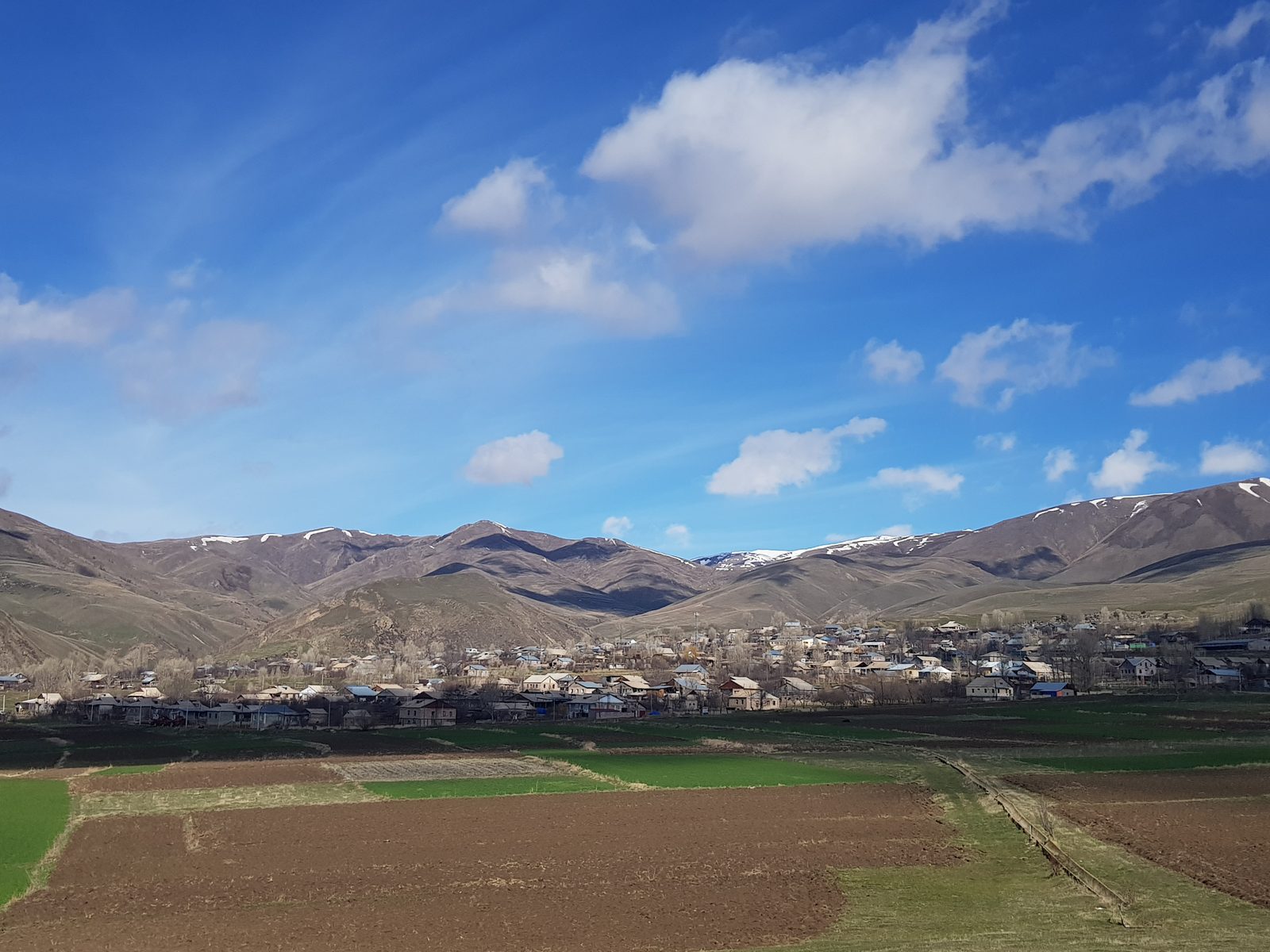
Our highest-volume region outside Gyumri. Remote, high-altitude communities face extreme winters, limited employment, and poor infrastructure, making consistent support critical.
Armenia's second largest city and one of our most active locations. With a large elderly population, high unemployment, and the legacy of the 1988 earthquake, community need remains high across all program categories.
Permanent Office
55+ groups63+ groupsGyumri (city)Gyumri day centreKraskhen villages
🌲 Lori Region (Alaverdi & Vanadzor)
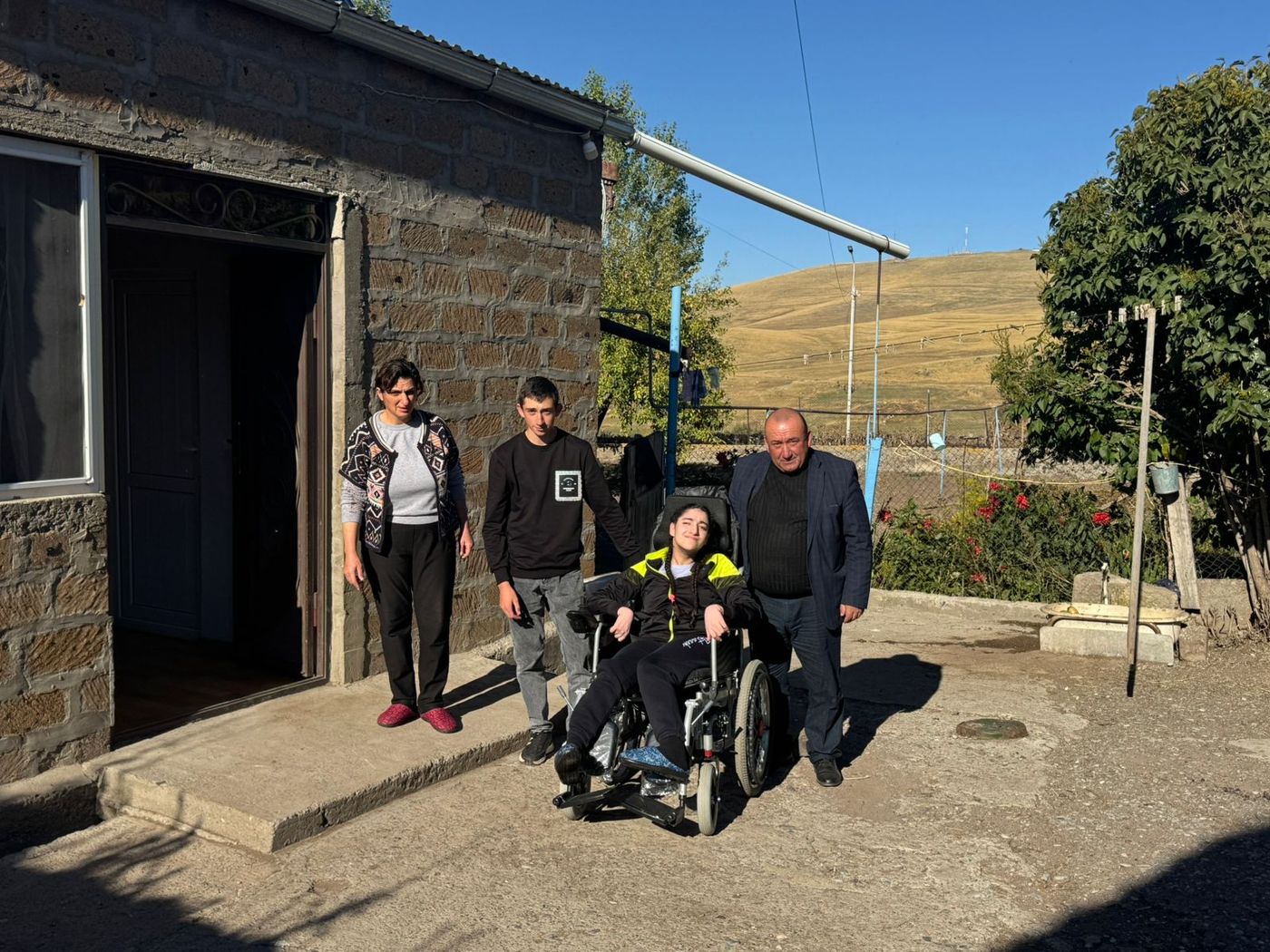
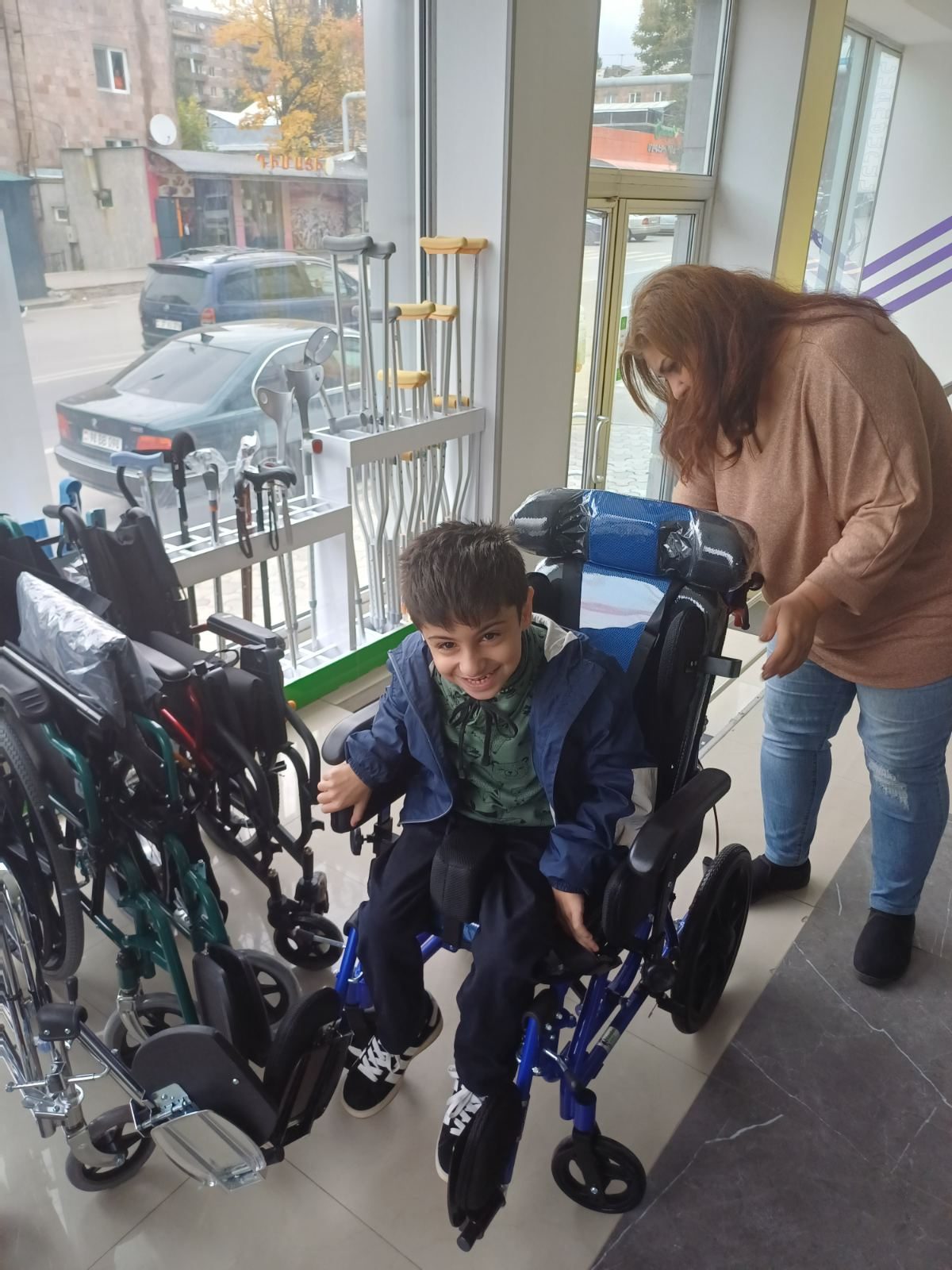
Lori was hit hard by flash flooding in 2024, triggering a major emergency response including clothing, mobility equipment, and food for flood-affected families. Vanadzor hosts an active food and medical program.
Flood Response 2024
AlaverdiGugarkHaghpatSanahinStepanavanVanadzor
🍂 Syunik Region (Goris & Sisian)
Armenia's southernmost province. Sisian's Evangelical Church community and Goris's organisation members are central to our work, providing food, medical aid, elderly support, and children's programs.
Active Since 2021
Arevus villageGorisHartashen villageShaghatSisianVaghatin village
🌳 Tavush Region (Ijevan & Noyemberyan)
Tavush's forested border communities receive clothing, AMAA after-school support, children's camps, and agricultural projects. Noyemberyan area includes Debedavan, Zorakan, and Haghtanak.
Our central headquarters is in Yerevan. The Ararat region, including Masis, Artashat, and Metsamor, has growing food, medical, and children's activity programs.
Headquarters
ArtashatMasisMetsamorVostanYerevan
🌾 Armavir Region
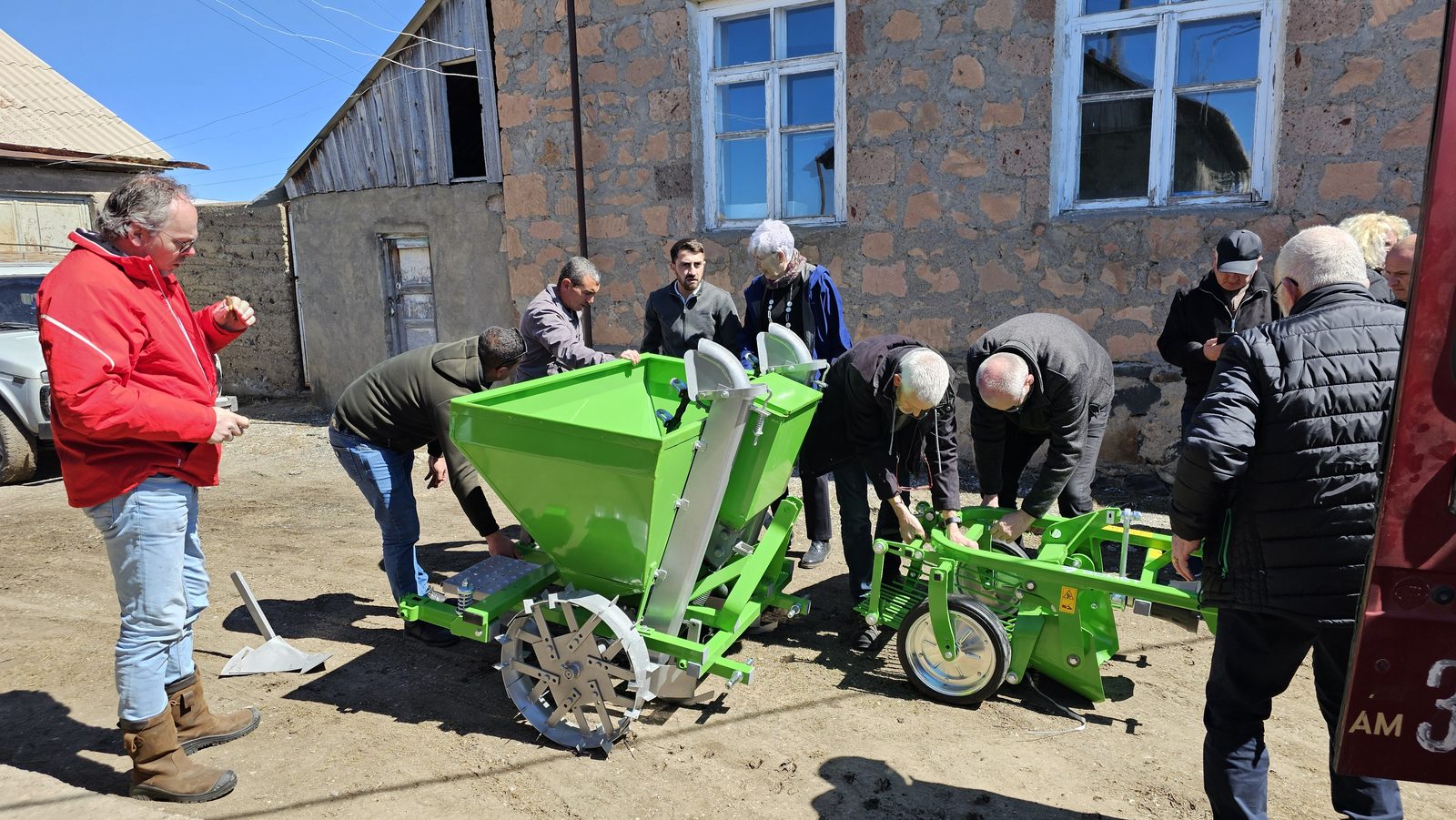
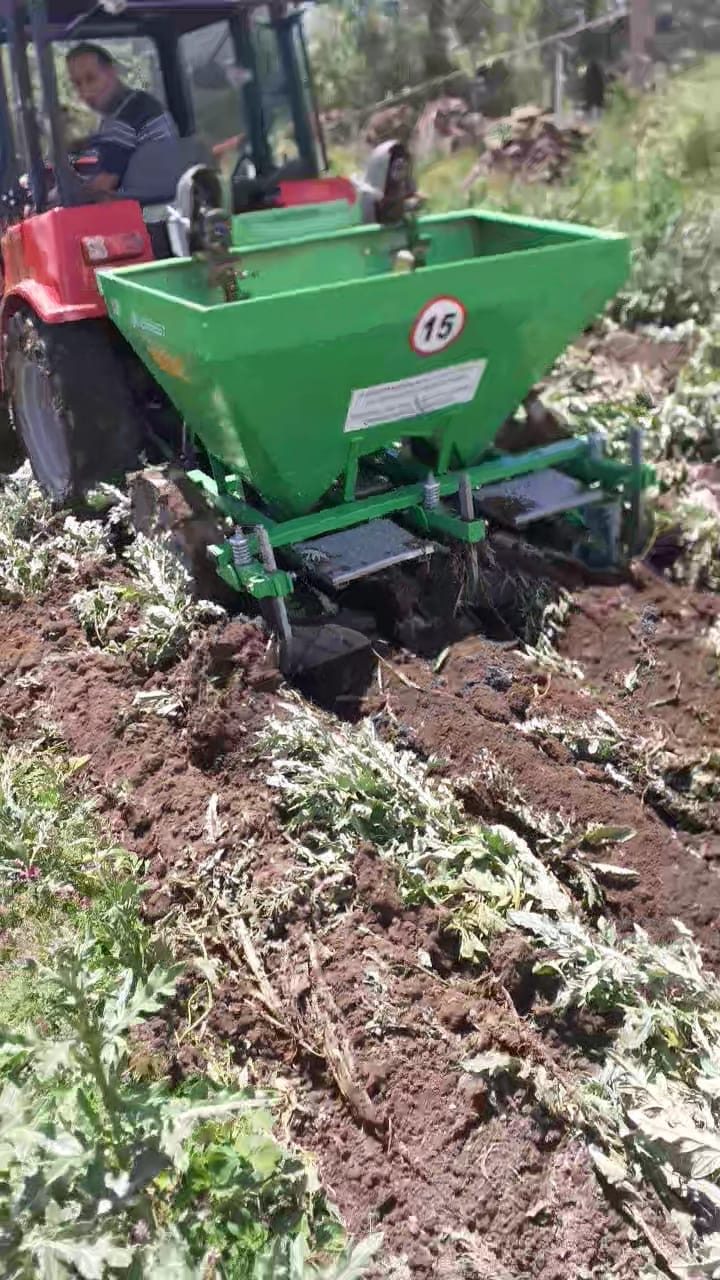
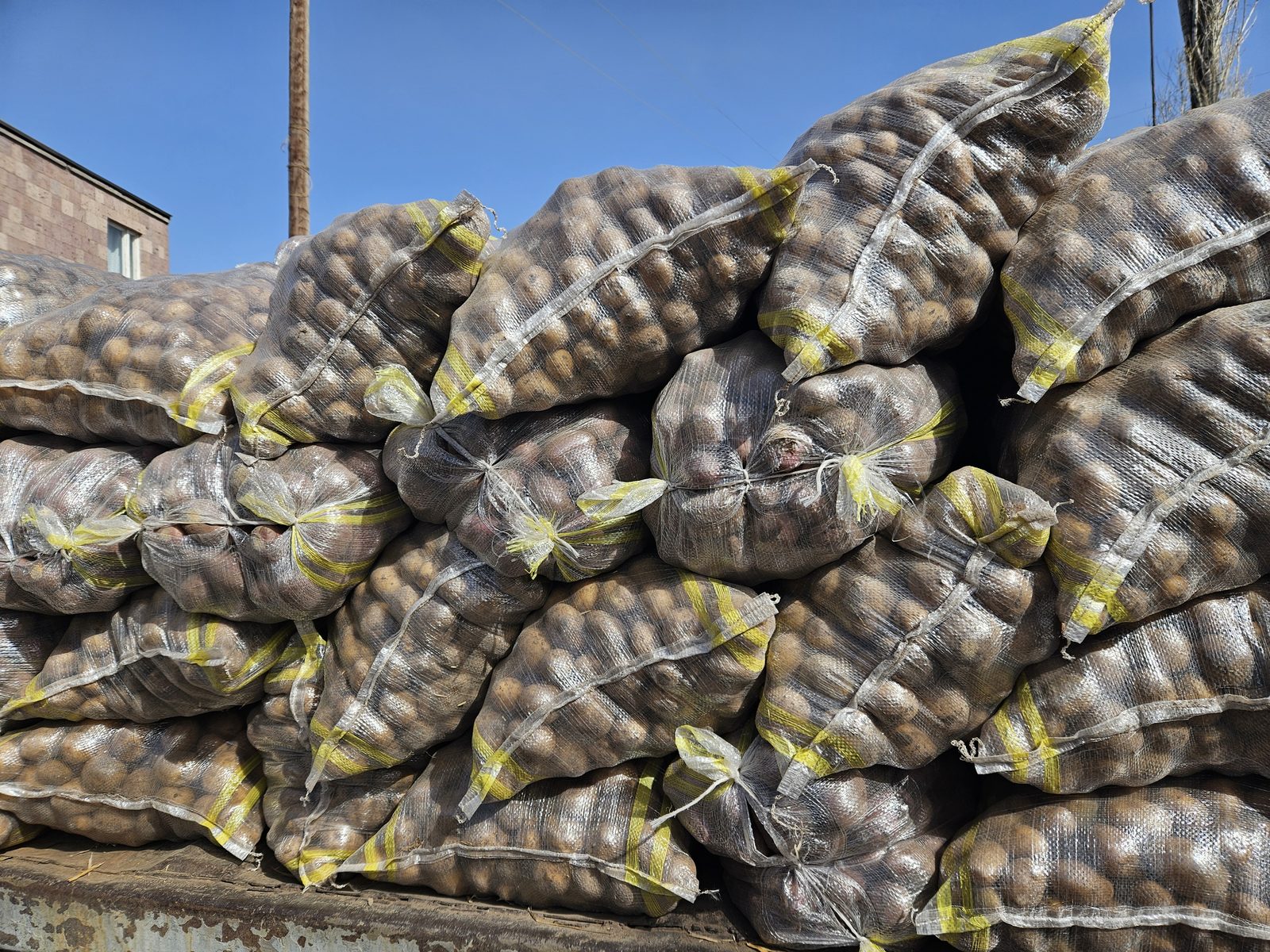
Growing engagement in 2025, including a major sprayer and potato harvester project, refugee support, and student scholarship placements for farming families.
Emerging Region
Armavir (town)Aygeschat villageJafida villagePschatavan village
Our Offices
Two permanent locations · Armenia
Little Bridge operates two permanent offices that anchor our field work across all eleven regions of Armenia.
Headquarters for all strategic operations: donor relations, programme planning, financial reporting, national partnerships, and coordination across all five pillars.
Our regional hub for Shirak, Lori, and Tavush, managing soup-kitchen operations, food and clothing distributions, and field visits to remote communities across northern Armenia.
Every contribution directly funds food parcels, medical care, energy bills, and agricultural tools for Armenia's most vulnerable families. We track every dram and report transparently to all donors.
💳 Donate by Card
Secure international card donations. Choose a suggested amount or enter your own.